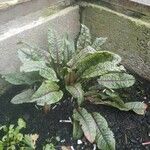
Rumex verticillatus
Swamp dock · Water Dock
Description
Source: leafsnapRumex verticillatus, also known as swamp dock, is a species of perennial flowering plant in the family Polygonaceae. Rumex verticillatus is native to, and almost entirely found in, the eastern half of North America. It is common to find this plant in edges of vernal pools and streams in woodlands, swamps, soggy islands in partially shaded areas, marshes, and roadside ditches.
Care Guide
💧 Water
Swamp dock is a plant that naturally grows in wetlands and thrives in consistently moist environments. It prefers damp soil and needs to be watered weekly to recreate the conditions of its natural habitat. Swamp dock is ideal for outdoor settings, especially in areas where the soil remains perpetually moist, such as rain gardens or similar locations.
☀️ Light Full sun
Willow dock does very well with plentiful sunlight, which boosts its growth and vigor. In its native environment it also tolerates moderate sun. However, it is sensitive to extremes — both too much and too little sunlight can threaten its vitality.
What are the sun requirements for Swamp Dock?
Swamp Dock thrives best in locations predominantly exposed to sunlight, either in full sun conditions, which mean above 6 hours of sunlight per day, or partial sun conditions, amounting to about 3-6 hours of sunlight per day. Its native habitat is marshland, where sun exposure is abundant. While Swamp Dock can adapt to a range of sunlight exposure, excessive or insufficient light may inhibit its growth. It's essential to watch how sunlight moves through your garden to ensure that you choose spots that provide the perfect balance of light and shade for your plants, thus ensuring their optimal growth and happiness.
How can artificial lighting be used for Swamp Dock?
Indoor Swamp Dock plants require adequate lighting for optimal growth. When natural sunlight is insufficient, especially during winter or in less sunny spaces, artificial lights can be a crucial solution. LED lights are recommended because they can be customized to the specific wavelengths that your plants need. For full sun plants, 30-50W/sq ft of artificial light is needed; partial sun plants require 20-30W/sq ft, and full shade plants need 10-20W/sq ft. The light source should be placed 12-36 inches above the plant to mimic natural sunlight effectively. Furthermore, mimicking the length of natural daylight hours, most plants will need 8-12 hours of light per day.
What are the important symptoms of light deficiency or excessive sun in Swamp Dock?
Swamp Dock shows several symptoms when exposed to inadequate lighting or excessive sunlight. In low light, new leaves may grow smaller, growth may become leggy or sparse, faster leaf drop occurs, and there can be slower or no new growth, with new leaves appearing lighter in color. Excessive sunlight exposure can lead to chlorosis (loss of leaf green color), sunscald (damage from intense light), leaf curling, wilting, and leaf scorching. Each of these symptoms indicates the plant's stress response to its lighting conditions.
What solutions are recommended for managing light conditions for Swamp Dock?
To manage light conditions for optimal Swamp Dock growth, gradually move plants to sunnier locations to ensure they receive at least 6 hours of direct sunlight daily. Use a south-facing window and keep curtains open during the day for maximum exposure. For plants that are large or not easily movable, consider using artificial light, keeping a lamp on for at least 8 hours daily, or investing in professional plant grow lights. Outdoors, move your plants gradually to best sunlight spots and reduce obstructions like tree branches that block light. For smaller plants, consider transplanting during their dormant period, usually late winter or early spring, to a location with ample sunlight and good drainage. Note that parts of the plant that have been negatively affected by insufficient light may not recover, but new growth should be healthy after adjusting light exposure.
🌡️ Temperature 20–35°C
Willow dock originates from areas where temperatures range from 68 to 95 °F (20 to 35 °C). It performs best in those conditions, so it's important to reproduce that climate when growing willow dock in other seasons if necessary.
What temperature conditions are ideal for swamp dock?
Swamp dock thrives in an environment with temperature ranges between 32 to 95 °F (0 to 35 °C), flourishing particularly well within these conditions. Although it possesses strong cold resistance, requiring no special frost protection measures under normal winter conditions, precautions should be taken if temperatures are expected to drop below -40°C. In such extreme cold, the plant should be covered with soil or straw for protection. Additionally, before the first freeze of autumn, it's advisable to water the plant abundantly so the soil stays moist and enters a frozen state, preventing drought and water scarcity during winter and early spring.
How does swamp dock respond to low temperatures, and what solutions are recommended?
Swamp dock is notably cold-tolerant, ideally kept above 0°C and needing protection when temperatures drop below -35°C to prevent damage. Despite its resilience, exposing it to temperatures below -40°C could lead to a decrease in sprouting or a complete failure to sprout during spring, without noticeable changes during winter. If this occurs, it is recommended to remove any parts of the plant that have failed to sprout come spring.
What should be done if swamp dock is exposed to high temperatures?
Swamp dock should ideally be kept below 35°C during the summer months. Exposure to temperatures exceeding 41°C may result in the plant's leaves becoming lighter, curling, becoming prone to sunburn, and in severe cases, the plant may wilt and dry out entirely. To combat these issues, trim away sunburned and dried-up parts, move the plant to a shadier location, or use a shade cloth to protect it from the midday and afternoon sun. Additionally, ensure the plant is watered in the morning and evening to keep the soil consistently moist.
💨 Humidity
🪴 Soil 6-7
🌱 Fertilizer
Willow dock needs the most fertilizer during its active growth period, which occurs mainly in spring, summer, and early fall. Fertilizing supplies essential nutrients that the soil may be lacking, supporting healthy root and stem development and the attractive foliage that is a notable characteristic of this plant.
🪴 Pot & Repot
✂️ Pruning
Swamp dock flourishes in wet environments and benefits from pruning between early and late spring. To promote healthy growth, remove any dead or damaged stems and thin out areas that are too crowded. This helps improve air circulation and lowers the risk of disease. Pruning at the right times encourages robust growth and enhances both the appearance and overall health of the plant.
🌿 Propagating
🐛 Diseases & pets
☠️ Toxicity
Characteristics
- Plant Type
- Herb
- Life Cycle
- Perennial
- Genus
- Rumex
- Family
- Polygonaceae
- Hardiness Zone
- 10
- Mature Height
- 0.3 m to 1.07 m
- Mature Spread
- 0.61 m to 1.52 m
- Leaf Color
- Green, Dark Green
- Leaf Type
- Deciduous
- Flower Color
- Yellow, Green, Red, Brown
- Flower Size
- 10.16 cm to 20.32 cm
- Bloom Time
- Late spring, Early summer, Mid summer
- Planting Time
- Spring, Summer, Autumn
- Harvest Time
- Mid summer, Late summer, Early fall
- Native Area
- Mexico, Canada