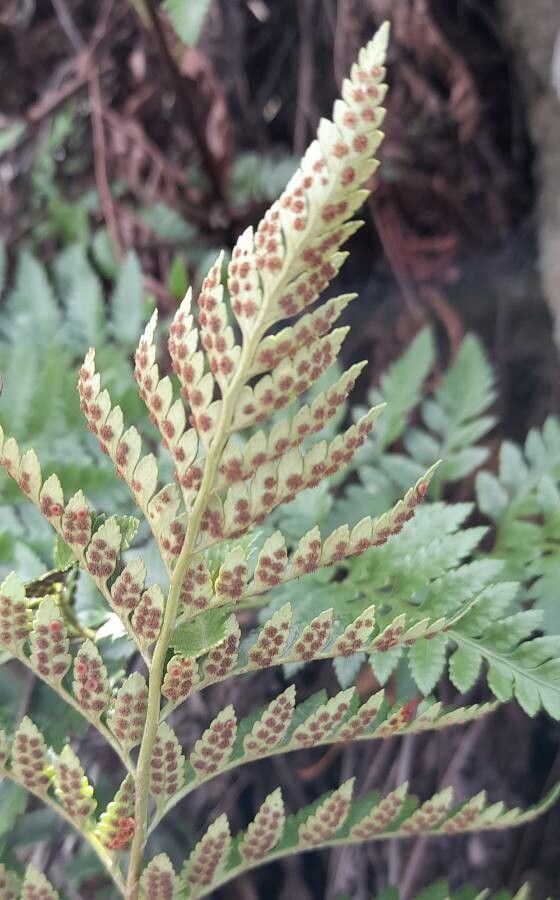
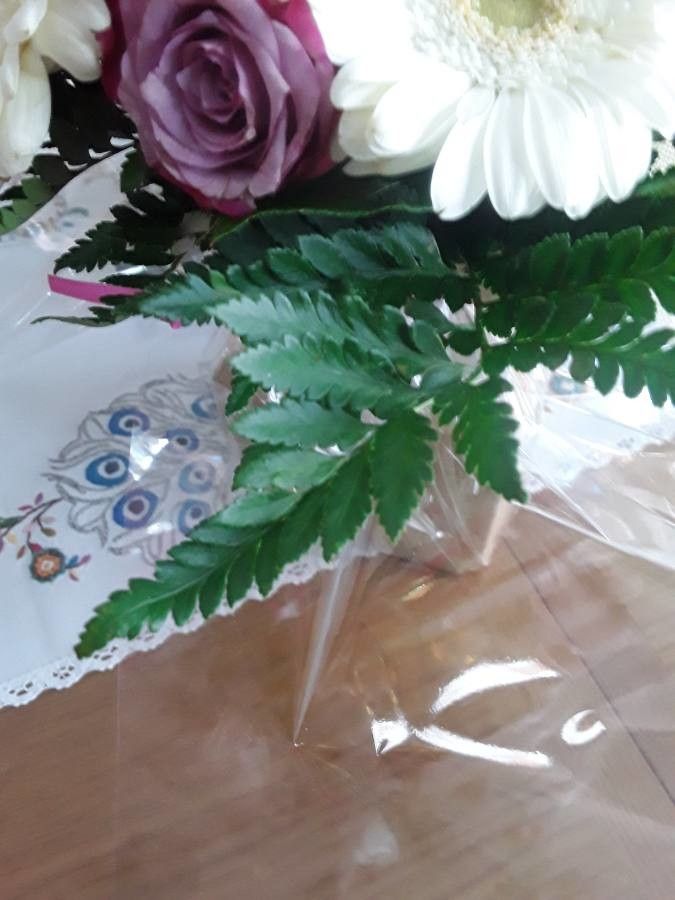
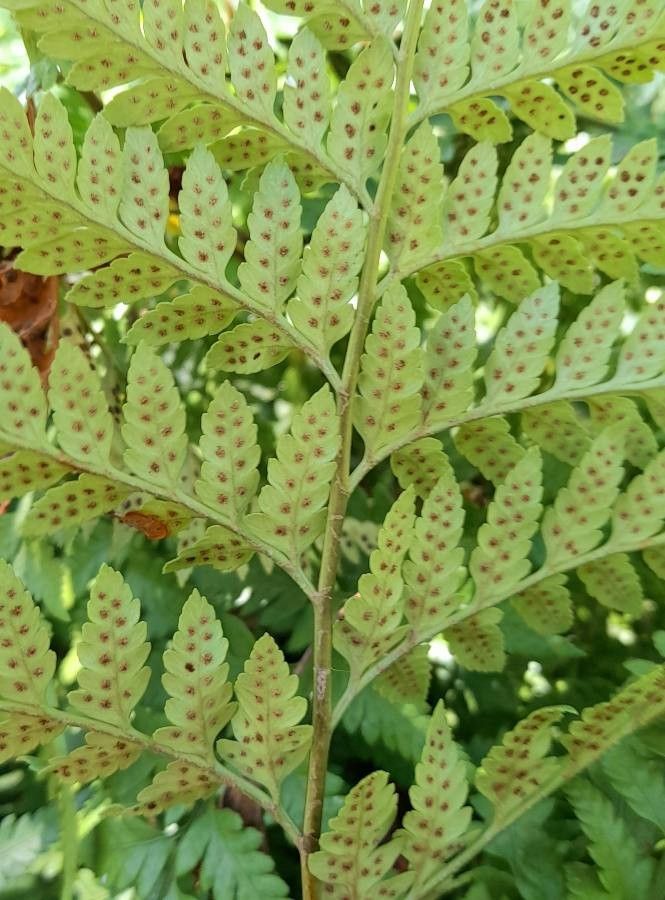
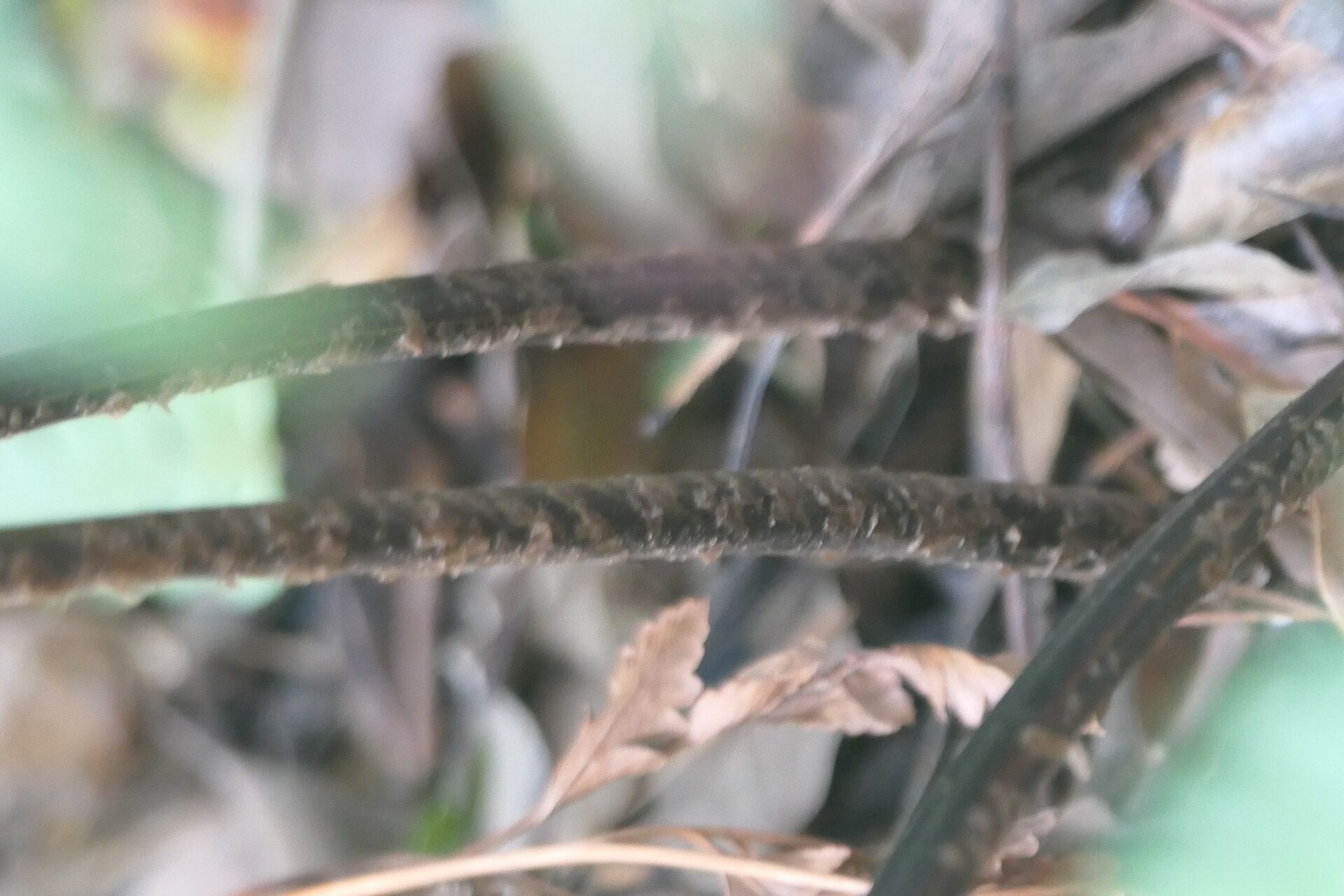
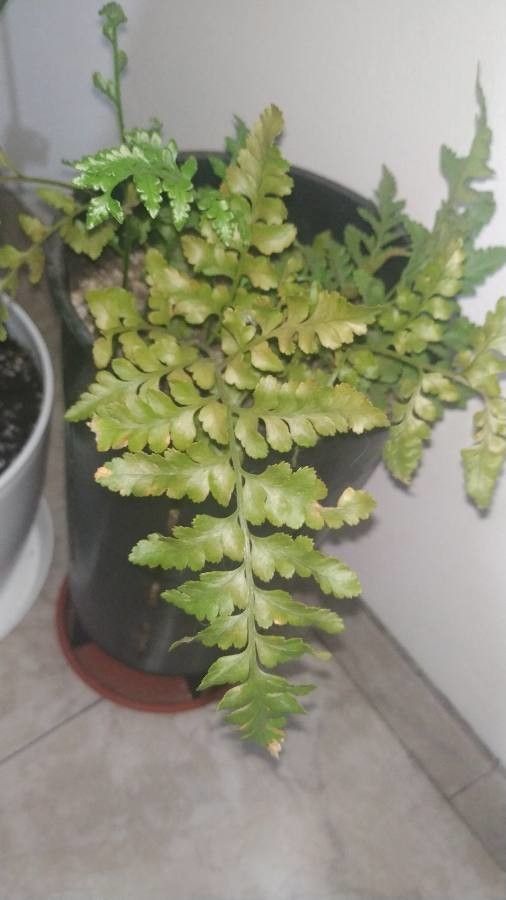
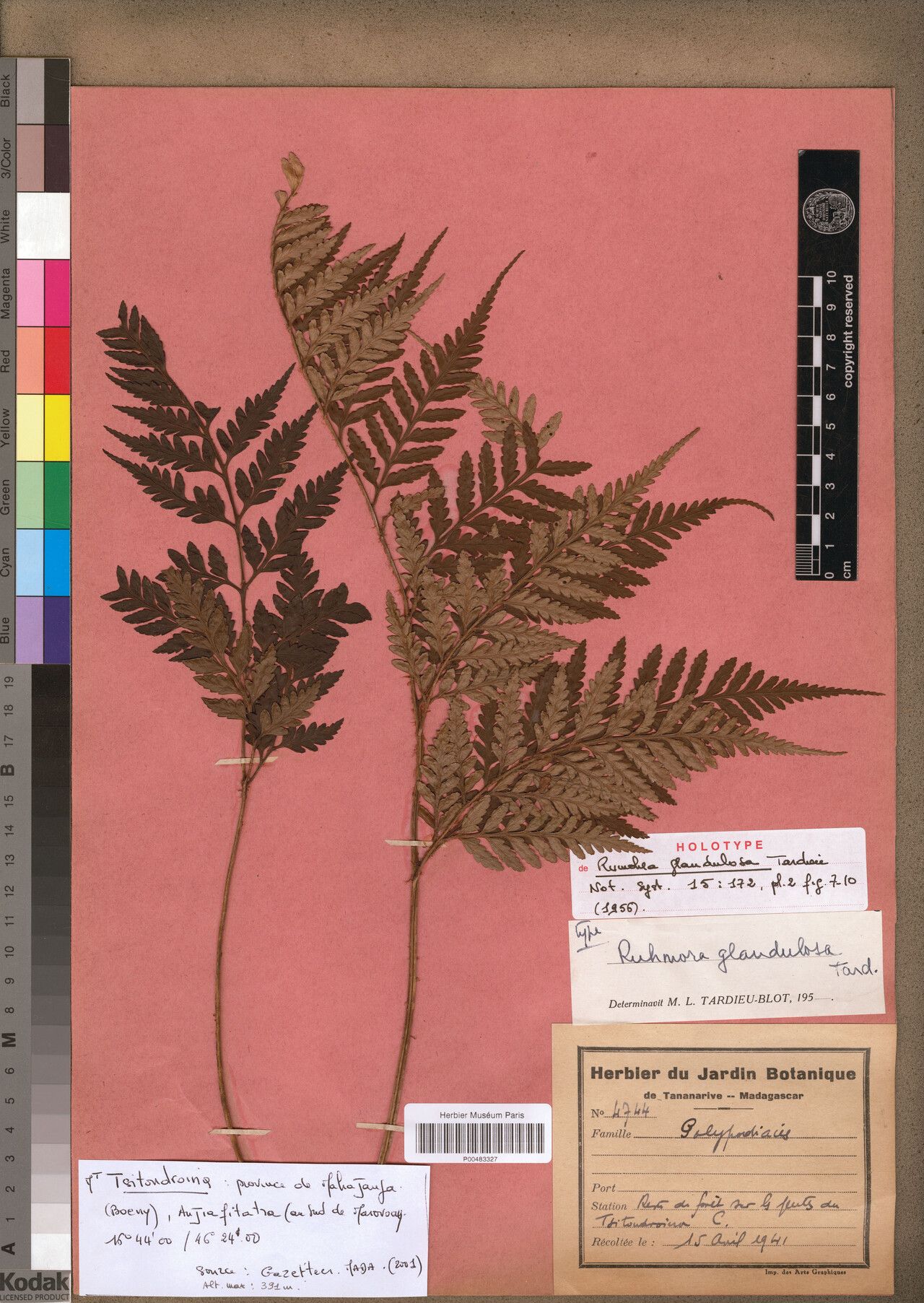
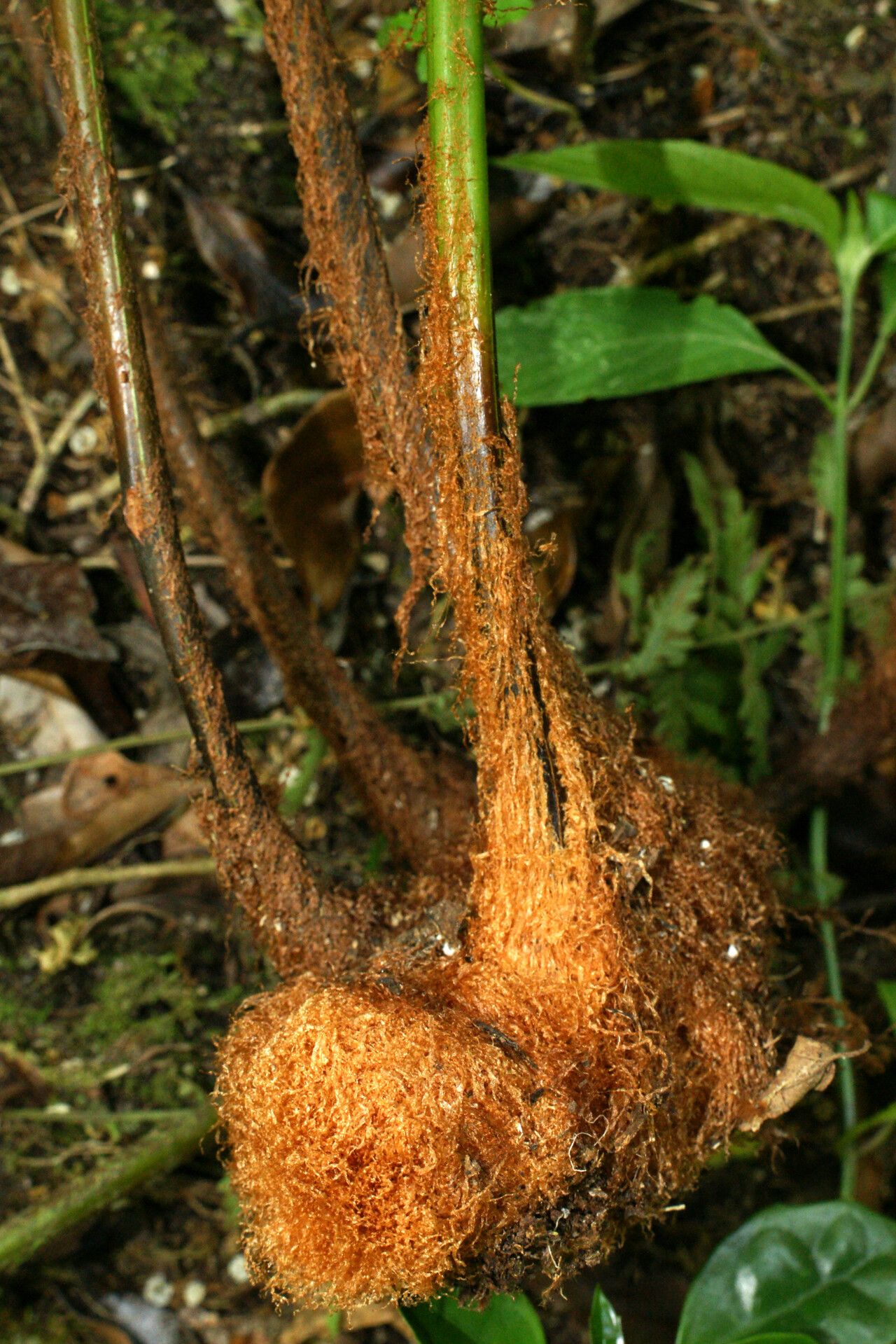
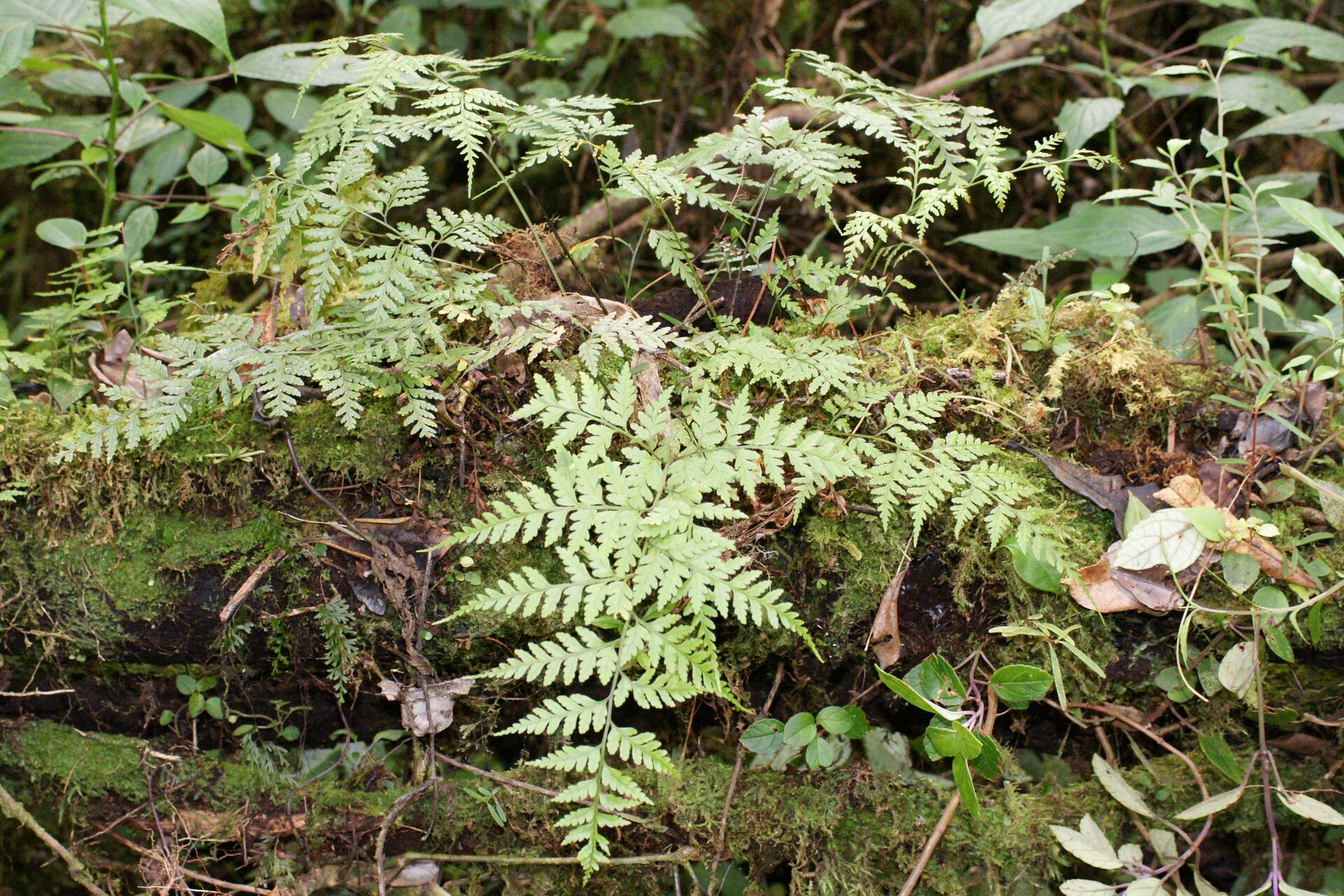
Rumohra adiantiformis, commonly known as the leatherleaf fern, is a species of fern belonging to the Dryopteridaceae family. Native to the tropical and subtropical regions of the Americas, including South and Central America, it has a distinctive appearance with long fronds that can grow up to 60 cm in length and 10 cm in width. The fronds are dark green with a leathery texture.
The leatherleaf fern is popular as an ornamental plant due to its attractive appearance and ease of cultivation. It can be grown both indoors and outdoors, making it a favored choice for landscaping projects or indoor decoration.
In terms of care, Rumohra adiantiformis prefers moist soil with good drainage and requires moderate light levels. However, it should be protected from direct sunlight, which can cause leaf burn or discoloration.
Overall, Rumohra adiantiformis is an appealing plant that enhances the beauty of any garden or indoor space while requiring minimal maintenance from its caretaker.
Leatherleaf fern has strong resistance to disease and typically does not suffer from many illnesses. Still, it can be vulnerable to pests and diseases present nearby. Such infections are generally mild. Regarding care, this plant demands a moderate level of upkeep. It should be trimmed regularly to preserve a tidy appearance and encourage healthy growth. Applying fertilizer can also assist in encouraging flowering. Leatherleaf fern is well suited for anyone who has an outdoor area, like a garden or patio, and does not need extensive gardening experience. It may need more attention if cultivated indoors.
How to keep Rumohra Adiantiformis.
Light
Leatherleaf fern does best with a moderate amount of light. Too much light can scorch its leaves, while too little leads to stunted growth. This preference comes from its native habitat, where it grows among other plants that block full sun exposure.
Water
Leatherleaf fern, native to tropical humid understories, thrives in consistently moist soil and high humidity. While it can tolerate moderate drought, it does best with weekly watering. Often grown indoors, this evergreen plant requires attentive care during its active growth phases to maintain year-round vitality.
Humidity
This plant needs special care because it loves high humidity levels of 60-80% or more. The best way to achieve this is by placing a humidifier near the plant. Daily misting is also essential! Make sure the room has good ventilation.
Temperature
Leatherleaf fern is native to habitats where temperatures generally range from 68 to 100.4°F (20 to 38°C). Because it prefers these moderate to high temperature ranges, the plant needs specific adjustments during colder months; consider increasing your indoor heating during those periods to accommodate its preference.
Fertilizer
The leatherleaf fern needs the most fertilizer during its active growth period, which takes place mainly in spring, summer, and early fall. Fertilizing is required to supply essential nutrients the soil may lack, encouraging healthy root and stem growth and the attractive foliage that is a key characteristic of this plant.
Pruning
To encourage fresh growth, it's best to prune leatherleaf ferns from early to late spring. By trimming damaged fronds, you can improve air circulation and reduce the risk of disease. Make sure to use sharp, sterilized tools for clean cuts, which helps the plant recover quickly. Proper pruning not only enhances the appearance of the plant but also contributes to its overall health.
Pot & Repot
To encourage growth, repot your leatherleaf fern every 2-3 years during the spring. Choose a slightly larger pot to allow the roots to expand. Place the fern in a humid environment with indirect light, and keep the soil consistently moist, being careful not to overwater and cause waterlogging.
Toxicity
The ASPCA advises cat owners to prevent their pets from nibbling on any indoor plants, even though real ferns aren't thought to be hazardous to cats. This is not to mean that you should remove all of the plants from your house and garden. Simply said, that implies you must place your plants carefully.
Further reading →
The toxicity and danger assessments provided are for reference only. We do not assure their accuracy, so it's crucial not to depend on them. Seek professional advice when necessary for accurate guidance.
Botanical profile.
- Plant Type
- Herb
- Life Cycle
- Perennial
- Genus
- Rumohra
- Family
- Dryopteridaceae
- Hardiness Zone
- 9-11
- Mature Height
- 1.52 m
- Mature Spread
- 91 cm
- Leaf Color
- Green
- Leaf Type
- Evergreen
- Planting Time
- Spring, Summer, Autumn
- Native Area
- Chile, Peru, South Africa, Madagascar, Dominican Republic, Jamaica, Zimbabwe, New Zealand, Uruguay, Colombia, Cuba, Argentina, Haiti, Bolivia, Venezuela, Brazil, Guyana, Ecuador
Other names.
Reader questions.
How should I water my Leatherleaf fern in the best way?
To properly water the Leatherleaf fern, it is best to use filtered water at room temperature. Tap water may have harmful particles, so filtered water is preferred. The temperature of the water should be at room temperature or slightly warmer since the fern is used to a warm environment. Cold water could be a shock to its system. Avoid watering from above as it can cause issues with the foliage. Instead, water the soil directly with your filtered room temperature water until it is completely soaked. This helps moisturize the roots and supports their growth and nutrient absorption.
Why is it important to fertilize my Leatherleaf fern?
Plants, including the Leatherleaf fern, need soil nutrients to grow. However, it's not always guaranteed that the soil will have all the necessary nutrients. This is where fertilization and soil amendments come in. They ensure that your garden plants have both the basic nutrients they need and the specific nutrients necessary for their growth. Fertilizing the Leatherleaf fern is particularly important to promote healthy root and stem development throughout the growing season. Additionally, it helps the fern produce a stunning set of leaves, which is especially important since the foliage is the main decorative feature of this plant.
What are the sunlight requirements for a Leatherleaf fern?
Leatherleaf fern requires partial sun, meaning it thrives best with about 3-6 hours of sunlight daily. It's essential to observe the movement of sunlight through your garden to find spots that offer a balanced mix of light and shade. This consideration helps in mimicking the fern's natural habitat and ensures the plant's health and happiness.
What are the ideal temperature conditions for Leatherleaf fern?
Leatherleaf fern thrives in environments where temperatures typically range from 68 to 100.4°F (20 to 38°C). It prefers moderate to high temperature ranges and is extremely heat-loving. During the colder months, it's important to adjust indoor heating to maintain temperatures above 20°C to cater to the plant's preferences. In autumn, if the plant is grown outdoors, it should be brought indoors and placed near a bright window, but not too close to heaters, to avoid cold temperatures that can harm it. Keeping the plant at temperatures above 20°C during winter is beneficial for its growth, as temperatures approaching 0°C are detrimental.
What should I do if I give my Leatherleaf fern too much water or too little water?
Overwatering can be more harmful than underwatering for your Leatherleaf fern. When this plant receives too much water, its stems and leaves may wilt and change color from green to yellow. Overwatering for a long time can also cause diseases like root rot, mold, and mildew, which can kill the plant. Underwatering is less common because the Leatherleaf fern can tolerate drought. However, it can still happen, resulting in brittle, brown leaves. It is important to recognize the signs of overwatering early and take action. Some diseases caused by overwatering, such as root rot, may be irreversible if not addressed promptly. If you notice early signs of overwatering, reduce your watering immediately. Additionally, check the soil drainage and replace it with a loose, well-draining potting mix if necessary. On the other hand, if you see signs of underwatering, simply increase your watering frequency until the signs disappear.
When should I put plant food on my Leatherleaf fern?
During the active growing seasons of spring, summer, and early fall, a Leatherleaf fern requires the most fertilizer. You should feed it once every two to four weeks after winter until the fall months. As fall approaches, gradually decrease the amount of fertilizer until you stop entirely before winter, when the fern's growth slows down significantly.
How does the Leatherleaf fern react to different light conditions?
The Leatherleaf fern prospers in intermediate light conditions, which prevents leaf scorch from too much light and stunted growth from too little. Its preference for these lighting conditions is rooted in its origin, growing under cover in its natural habitat, which protects it from direct sunlight. When sunlight is insufficient, especially in winter or less sunny locations, it is beneficial to use artificial lighting, such as LED lights, to supplement natural light. Proper artificial lighting involves choosing the correct wattage depending on the plant's sun requirements, setting the right distance between the light source and the plant, and ensuring the plants get 8-12 hours of light per day.
What should I do if my Leatherleaf fern is exposed to low temperatures?
If your Leatherleaf fern is exposed to low temperatures, demonstrating symptoms like a lightening of leaf color after frost damage, followed by browning or blackening and wilting or drooping, you should immediately trim off the frost-damaged parts and move the plant indoors to a warmer environment for cold protection. Place the plant near a south-facing window to ensure it receives ample sunlight, but avoid placing it near heaters or air conditioning vents as this could cause excessive dryness in the air.
How frequently should I water my Leatherleaf fern?
If your Leatherleaf fern is in a pot, the best way to check if it needs water is by sticking your finger into the soil. If the top two to three inches of soil feel dry, it's time to water it. If you have the Leatherleaf fern planted outdoors in the ground, you can use a similar method to test the soil. Again, if the top few inches of soil are dry, it's time to water it. Typically, during spring and early fall, you'll need to water this plant around once a week using this method. However, when it's very hot outside, you may need to water it two or more times a week. That being said, mature Leatherleaf ferns that are well-established can handle drought conditions quite well.
When is the best time to not fertilize my Leatherleaf fern?
For most of the year, including spring, summer, and most of fall, you should regularly feed your Leatherleaf fern. The only exception is if you notice that you've over-fertilized it or fertilized it incorrectly, causing fertilizer burn or some other issue. In that case, you'll need to fix the problem before resuming regular feeding. However, during winter, you should not fertilize the Leatherleaf fern. If you grow it indoors in a cold winter area, it will enter a dormant phase during that time. Feeding the plant during its dormant phase is unnecessary and unhelpful to its growth, and it's likely to cause fertilizer burn.
What symptoms indicate improper light conditions for a Leatherleaf fern?
Symptoms of improper light conditions for a Leatherleaf fern include small or lighter-colored new leaves, leggy or sparse growth, faster leaf drop, slower or no new growth, chlorosis, sunscald, leaf curling, wilting, and leaf scorching. These symptoms may vary, indicating either too much or too little light. For example, chlorosis and leaf scorching often result from too much sunlight, whereas smaller leaves and sparse growth might suggest insufficient light.
How do I care for my Leatherleaf fern during high temperatures?
During summer, when temperatures exceed the plant's tolerance, ensure that the Leatherleaf fern is kept below 38°C. High temperatures, especially above 43°C, can cause the leaves to lighten in color and make the plant more susceptible to sunburn. To care for the plant during these times, trim away sunburned and dried-up parts, and move it to a location that provides shade during the midday and afternoon sun. Additionally, watering the plant in the morning and evening will help keep the soil moist and protect the plant from heat stress.