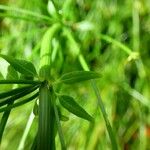
Russelia equisetiformis
مرجانی سرخ · Firecracker Plant · Coralplant · Fountainplant · Antigua heath
Description
Source: leafsnapRusselia equisetiformis, commonly known as the Firecracker Plant or Coral Plant, is a perennial shrub native to Mexico and Central America. Belonging to the family Scrophulariaceae, it is widely cultivated as an ornamental plant due to its attractive appearance and low maintenance requirements. The Firecracker Plant reaches a height of 3-4 feet with a spread of 2-3 feet. It features slender, wiry stems covered with small green leaves, each less than an inch long. The plant produces long, tubular flowers that resemble firecrackers in both shape and color—bright red or orange-red. The flowers bloom from spring through fall in clusters at the tips of the stems. They attract hummingbirds and butterflies, making this plant a popular choice for gardeners looking to attract wildlife to their gardens. Russelia equisetiformis prefers full sun but can also tolerate partial shade. It requires well-drained soil and, once established, can withstand drought conditions, making it ideal for xeriscaping gardens. Overall, Russelia equisetiformis is an excellent choice for gardeners seeking a low-maintenance plant with attractive foliage and showy blooms that attract wildlife throughout most of the year.
🌳 The Firecracker plant, firecracker plant, enchants with large clusters of bright red, tubular flowers, fitting its explosive nickname. Edible flower use is increasing in the mixology world, with these striking blossoms used to garnish refreshing cocktails. Surprisingly edible, the firecracker plant's flowers not only please the eye but also lend drinks visual elegance. Less well known, hummingbirds feed on the flowers' nectar, illustrating the firecracker plant's role in supporting wildlife and promoting ecological balance.
🎭 Aspiration in the physical realm for the Divine Love
Care Guide
💧 Water Every 7 days
The firecracker plant flourishes in high humidity and regular rainfall. While it can tolerate brief droughts, it prefers consistently moist soil. To keep it healthy, water the plant every 1-2 weeks, ensuring a balance between hydration and drainage. Although it is typically grown outdoors, misting the plant in dry conditions can help replicate its native humid environment, promoting its well-being.
How can I water my Firecracker plant in the best way?
To promote excellent root development, place a garden hose at the base of the plant while avoiding spraying the leaves directly. If the leaves are outdoors and in direct sunlight, they will need more watering. To moisten the roots, you can also use bubblers or soaker hoses. When adding or removing plants, use soaker hoses that cover the entire garden or bed to help the roots go deep. After watering, make sure to drain any excess water and wait for the soil to dry before watering again. Water at ground level to prevent diseases. On a sunny day, it may be beneficial to spray the entire bush with water. Whether the plant is potted or in-ground, remember that the Firecracker plant prefers deep watering rather than light sprinkling.
What do I do if I give the Firecracker plant too much or too little water?
An overwatered Firecracker plant can show multiple signs of distress. Its leaves may turn yellow, drop off, and wilt, giving the plant a dull and unhealthy appearance. Mushy stems can also be observed. When these signs become apparent, it's advisable to adjust your watering schedule. Conversely, wilting can also indicate under watering, characterized by crispy and dry leaves. In such cases, check the soil's moisture level, and if it's dry, provide a thorough watering. While this will help the Firecracker plant recover, it may still exhibit dryness and yellow leaves due to damage to its root system. However, once the plant returns to normal, the yellowing of leaves will cease. If you have the Firecracker plant indoors, always monitor moisture levels and avoid overwatering. Look out for black spots, as they indicate potential issues. If present, allow the soil to dry out by withholding water for a few days. Overwatering can lead to root rot, so it's crucial to prevent this by ensuring the soil doesn't become overly soggy. When planting the Firecracker plant outdoors, be sure to dig deeper and check the soil's moisture level with your fingers. If it's excessively dry, it may signify underwatering, and appropriate watering is necessary for plant recovery.
How frequently should I water my Firecracker plant?
To ensure the healthy growth of the Firecracker plant, it is important to follow a few watering guidelines. When the plant is in pots, it should be watered deeply once every 3 to 5 days, as pots have limited water storage capacity and the soil dries out faster. It is best to water the plant early in the morning when the soil is dry, both indoors and outdoors. You can check if the plant needs water by feeling the top 2-3 inches of soil - if it is dry, it's time for a thorough watering. On hot days, it may be necessary to check the moisture daily to prevent the soil from drying out too quickly. If you have the Firecracker plant in a garden, watering should be done once a week in hot climates. Again, check the top 2-3 inches of soil for dryness before watering. If there has been a lot of rainfall, you may not need to water the plants additionally to avoid root rot. When the Firecracker plant is growing outdoors, adding mulch 3 to 4 inches deep can help conserve water. Additionally, the type of soil affects watering frequency - sandy soil drains faster and requires more frequent watering, while clay soil retains moisture and needs less frequent watering to avoid root rot. To keep track of watering, you can mark the dates on a calendar and pay attention to any drooping leaves, which could indicate a slight delay in watering.
How much water should I use for my Firecracker plant?
The Firecracker plant requires approximately a gallon of water on a regular basis. For potted plants, water them deeply until the water starts to drip from the bottom of the pot. Then, allow the soil to dry before watering again. You can use a water calculator or moisture meter to track how much water you have given your plant each week. During the flowering period, provide ample water but allow the moisture to evaporate to avoid root rot. If the Firecracker plant is planted outdoors and receives sufficient rainfall, it may not need extra watering. However, when the plant is young or newly planted, ensure it receives 1-2 inches of rain per week. As the plant matures, it can rely solely on rainfall for water. Only when the weather is excessively hot or there is no rainfall for 2-3 weeks should you consider giving the plant a thorough watering during cooler parts of the day to prevent damage from high temperatures. Additional watering will be necessary during extended dry periods.
Should I change how often I water my Firecracker plant depending on the time of year or the weather?
The Firecracker plant thrives outdoors in rainy conditions, but only needs watering during persistent dry weather. In the spring and fall, the soil should be kept moist but not soggy, and alternating between dry and moist soil conditions benefits the plant. During the summer, hot weather can cause water to evaporate quickly, so extra watering may be necessary if there is a lack of rain. In winter, the plant requires less water as it goes dormant, and using a well-draining soil mixture helps with water evaporation. Once the plant starts to leaf out in spring, watering can be skipped, as it can rely on fall and winter rains during its dormant period. Good drainage is essential throughout the year, especially during winter, and pots require more frequent watering during summer. Deep soaking the root system once or twice a week is recommended, avoiding shallow sprinkles that reach the leaves. Avoid letting the plant dry out completely in fall or winter, even during dormancy. Overwatering should be avoided, as the plant does not tolerate sitting in water for too long. Applying mulch is beneficial for reducing stress, conserving water, and promoting healthy blooms.
☀️ Light Full sun
The firecracker plant does best with plenty of daytime sun, though it can survive on only moderate sunlight if needed. Native to sun-drenched environments, its growth is supported by ample daylight. However, too little light can stunt its development, and too much sun can be harmful to its well-being.
What are the sunlight requirements for the Firecracker Plant?
The Firecracker Plant (Russelia equisetiformis), originating from sun-drenched habitats, flourishes under generous sunlight exposure throughout the day. It requires full sun, defined as above 6 hours of sunlight daily, to ensure optimal growth. However, it can survive under partial sun, which amounts to about 3-6 hours of sunlight. Limited light exposure can inhibit its development, while too much direct sunlight may adversely affect its health. It's important to observe how sunlight traverses your garden, selecting locations that provide a harmonious balance of light and shade to nurture your plants effectively.
How do I manage indoor lighting for the Firecracker Plant?
Indoor plants, including the Firecracker Plant, necessitate adequate lighting, especially when natural sunlight is scarce, such as in winter or less sunny spaces. Artificial lighting becomes crucial in promoting healthy growth under these conditions. Opt for the correct type of artificial light, like LED lights, which can offer the specific wavelengths needed by your plants. For full sun plants, 30-50W/sq ft of artificial light is recommended, while partial sun plants require 20-30W/sq ft, and full shade plants need 10-20W/sq ft. The light source should be placed 12-36 inches above the plant, emulating natural sunlight as closely as possible, with a duration mimic of natural daylight hours, usually between 8-12 hours a day.
What are the common symptoms of light deficiency in the Firecracker Plant?
When the Firecracker Plant is deprived of sufficient light, especially indoors during winter, several symptoms can manifest. These include smaller new leaves, leggy or sparse growth, premature leaf drop, halted or absent new growth, and lighter-colored or chlorotic new leaves. Excessive sunlight exposure can also lead to chlorosis, sunscald, leaf curling, wilting, and leaf scorching. These symptoms indicate either a deficiency or an excess of light, stressing the importance of providing the right light conditions for your plant.
How can I address the light needs of my Firecracker Plant?
To support your Firecracker Plant's light needs, gradually transition it to a sunnier location, ensuring it gets at least 6 hours of direct sunlight daily. For indoor plants, use a south-facing window or consider artificial lighting solutions, such as keeping a lamp on or investing in professional grow lights for at least 8 hours a day. For outdoor plants, avoid abrupt changes in light exposure to prevent sunburn. Minimizing obstructions, such as pruning trees that overshadow your plants, or transplanting smaller plants during their dormant period to brighter locations can also be beneficial. Note that while parts of the plant affected by insufficient light may not recover, new growth should flourish under improved lighting conditions.
🌡️ Temperature 20–37.8°C
Native to tropical areas, the firecracker plant requires temperatures of 20–38 ℃ (68–100.4 ℉) to flourish. It favors warm, humid conditions and cannot withstand frost. In cooler areas it can be grown in pots and moved indoors during the winter.
What is the native climate of the Firecracker Plant?
The Firecracker plant, or Russelia equisetiformis, thrives in its native tropical regions and prefers temperatures between 20 to 38°C (68 to 100.4°F). It flourishes in warm, humid climates and is not frost-tolerant. In cooler regions, growing it in containers allows for indoor relocation during winter, ensuring it's kept away from cold temperatures and near bright windows, but not too close to heaters to prevent damage.
How does the Firecracker Plant react to low temperatures?
The Firecracker Plant is sensitive to cold and shows optimal growth when temperatures are above 20°C. It struggles to survive if temperatures drop below 0°C, and exposure to temperatures below -5°C can cause leaf discoloration from lightening to gradually turning brown or black, along with wilting and drooping. Recovering from frost damage involves trimming frost-damaged parts and moving the plant to a warm environment, preferably near a south-facing window, and ensuring it isn't placed near heaters or air conditioners to avoid excessive dryness.
What should I do if my Firecracker Plant experiences high temperatures?
The Firecracker Plant should ideally be kept below 38°C during summer. Exposure to temperatures above 43°C can lead to lighter leaf colors and increased susceptibility to sunburn. To mitigate heat stress, trim sunburned or dried parts and relocate the plant to a spot shielded from intense midday and afternoon sun. Watering in the morning and evening helps maintain soil moisture and supports the plant through high temperatures.
💨 Humidity normal (40-60%)
This plant will thrive in moderate humidity, which is probably the level in your home. However, misting it a few times a week can be very beneficial. Make sure the room has good ventilation.
🪴 Soil 6-7
🌱 Fertilizer Every 30 days
The best time to fertilize a Firecracker plant is in early spring, as it breaks dormancy. This encourages overall growth and flower formation. Fertilizing improves the foliage, stems, and branches, and helps produce bigger, brighter, and longer-lasting flowers. It also helps move nutrients from the roots to the flowers and enhances the plant's health and resistance to disease.
Why is it important to fertilize my Firecracker plant?
To keep your Firecracker plant healthy and thriving, fertilization plays a crucial role. By providing the right amount of energy and nutrients, you can ensure the plant develops lush foliage and strong stems and branches. But what really captivates gardeners are the flowers of the Firecracker plant. Luckily, fertilization also enhances the production of large, vibrant, and long-lasting flowers. This happens because the right fertilizer facilitates the efficient transfer of fuel from the roots to the stems and ultimately to the flowers. In addition, proper fertilization boosts the overall health of the plant, making it more resilient against diseases.
When should I fertilize my Firecracker plant to get the best results?
The best time to fertilize a Firecracker plant is in early spring when it is coming out of dormancy and preparing to bloom. This will provide the plant with the energy it needs for growth and flower development. However, it is also beneficial to give the plant another feeding in the fall, though not as large as the first one. Some gardeners fertilize the plant when planting it, but this is not always necessary.
When is it not a good idea to put fertilizer on my Firecracker plant?
During the winter, Firecracker plants are in a dormant phase and do not require fertilizer. Overfertilizing during this time can lead to negative outcomes. The best times to feed a Firecracker plant are in early spring and fall. Fertilizer is typically not needed during most of the spring and summer, and it is advisable to avoid feeding if the plant is experiencing hot or dry conditions.
What kind of fertilizer should I use for my Firecracker plant?
Using a general-purpose fertilizer with equal amounts of nitrogen, phosphorus, and potassium is typically fine. However, Firecracker plants tend to thrive with a specific type of fertilizer. For these plants, nitrogen and phosphorus are key nutrients, so a fertilizer with higher levels of these nutrients compared to potassium is ideal. A fertilizer with an N-P-K ratio of 10-10-8 or similar should work well. Additionally, using organic materials like compost for at least one feeding can also be beneficial. If you decide to use fertilizer, granular fertilizer is commonly used for Firecracker plants.
How should I add fertilizer to my Firecracker plant?
Applying fertilizer for your Firecracker plant is an easy task that any gardener can do, even if they have minimal experience. To feed your plant with granular fertilizer, simply sprinkle it on the soil after moistening it with water. If you want to amend the soil with organic materials like compost or manure, just put some on top of the soil and gently work it into the first few inches with a hand rake, being careful not to disturb the roots.
🪴 Pot & Repot 2-3 years
When repotting a Firecracker plant, select a pot 1-2 inches (2.5–5.1 cm) larger with good drainage. Use a well-draining potting mix. Repot in spring or fall, making sure the root ball sits just below the rim of the flower pot. Water thoroughly after repotting and place it in a warm location with indirect sunlight.
✂️ Pruning
The firecracker plant is known for its cascading stems and vivid red tubular flowers. To encourage fuller growth and more blooms, prune the plant in early spring. This will help trim any leggy stems and remove dead parts. Be careful not to over-prune, as maintaining the plant's natural form is important. Limited pruning also enhances air circulation, reducing the risk of disease and improving the plant's ornamental appeal.
🌿 Propagating
🐛 Diseases & pets
☠️ Toxicity
Fountain grasses are said to be safe for pets, and they provide flower beds height and gorgeous blossoms. With these plants in your yard, you can relax. Poisonous items are not nontoxic. Nontoxic compounds are generally safe to ingest or breathe, and they don't affect the environment.
Characteristics
- Plant Type
- Shrub
- Life Cycle
- Perennial
- Genus
- Russelia
- Family
- Plantaginaceae
- Hardiness Zone
- 9-11
- Mature Height
- 91 cm
- Mature Spread
- 61 cm
- Leaf Color
- Green
- Leaf Type
- Deciduous
- Flower Color
- Red
- Flower Size
- 2.54 cm to 7.62 cm
- Bloom Time
- Spring, Summer, Early fall
- Planting Time
- Spring, Autumn
- Harvest Time
- All year round
- Native Area
- Honduras, Mexico, Guatemala