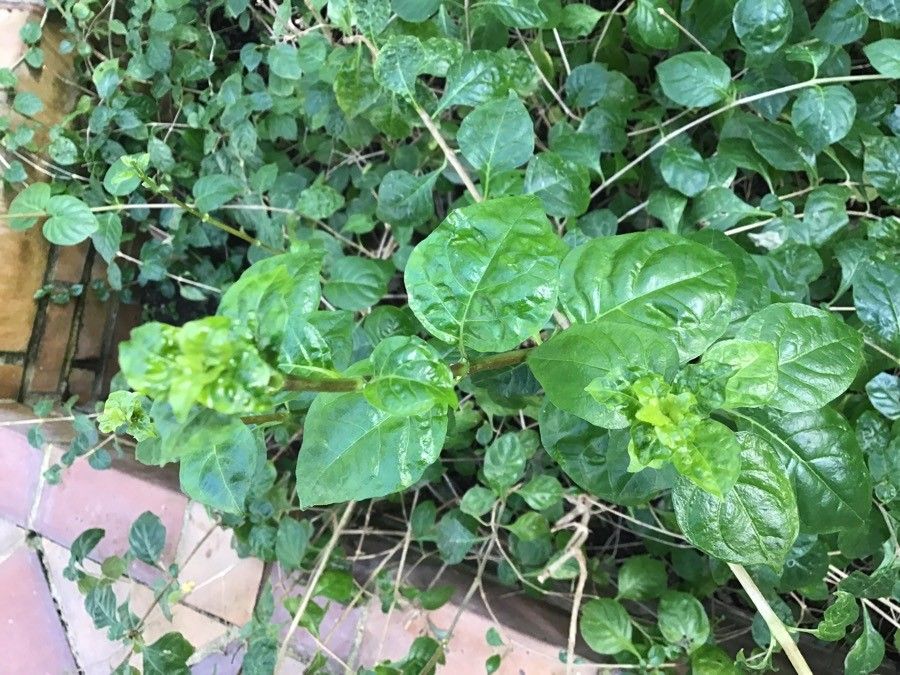
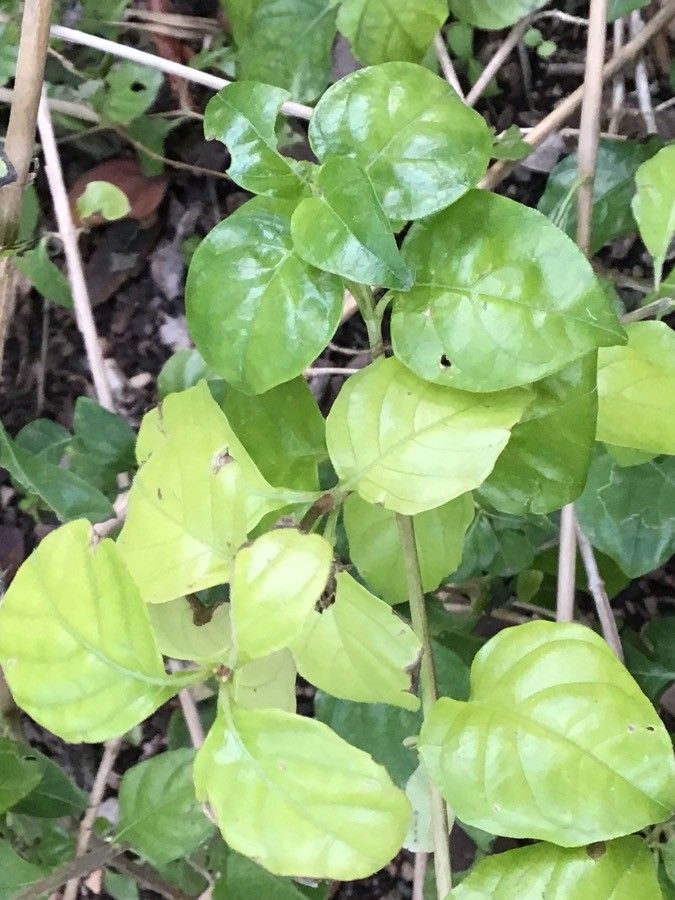
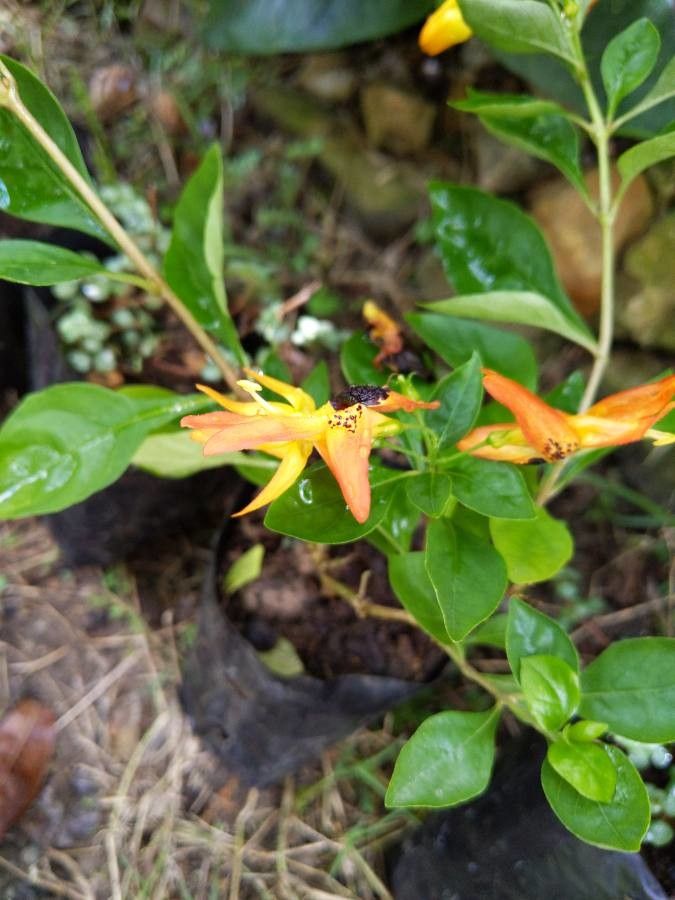
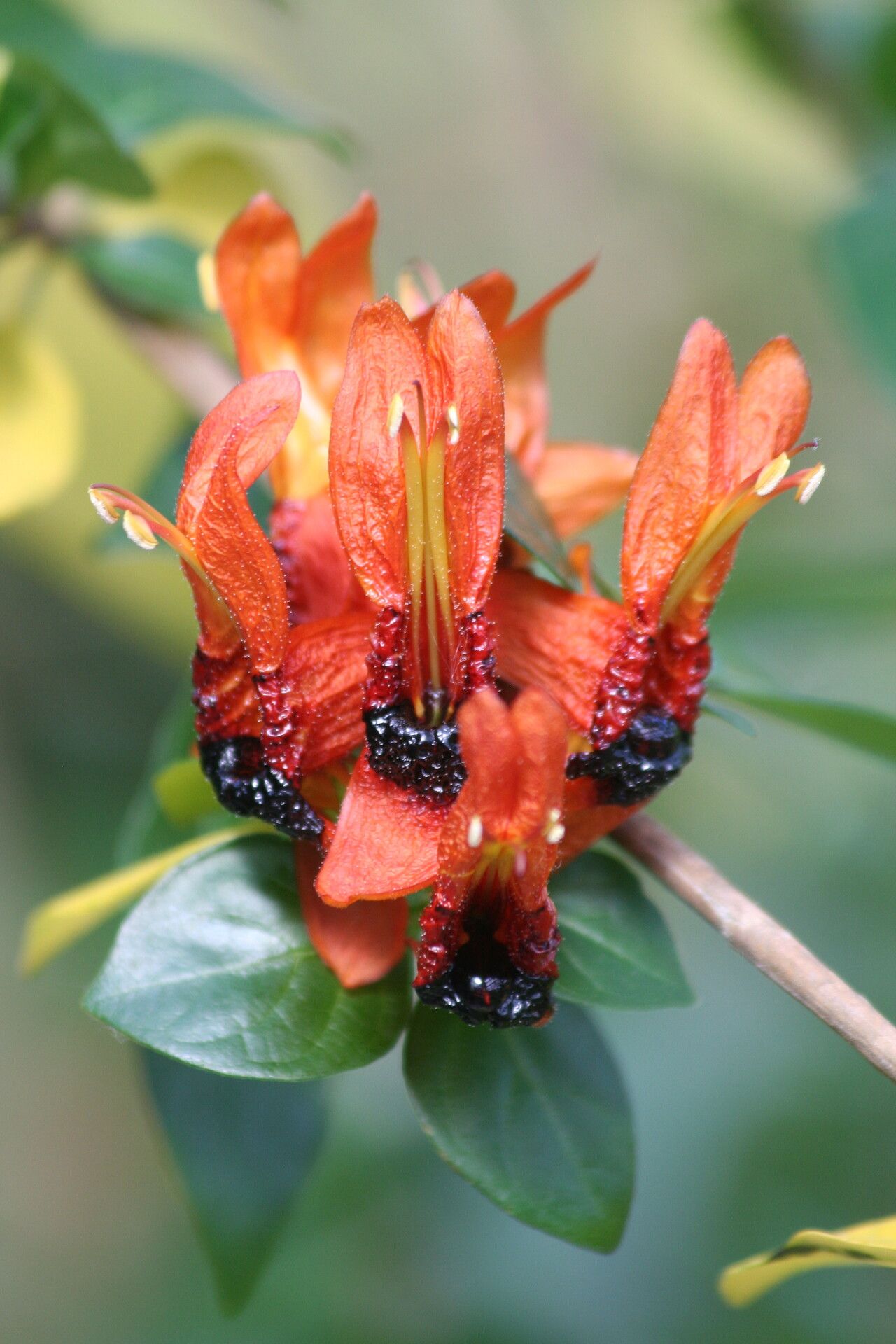
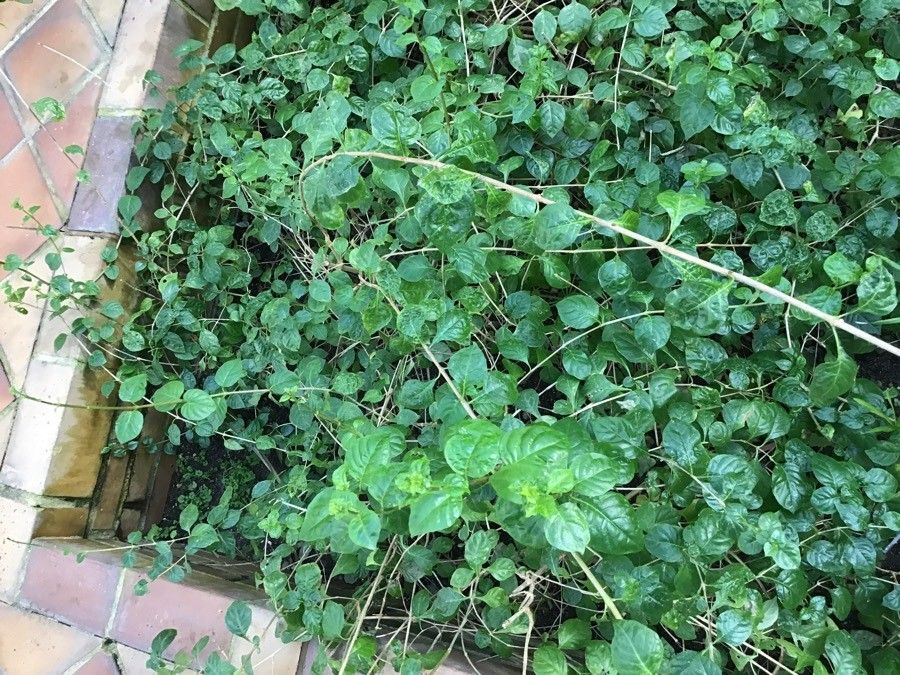
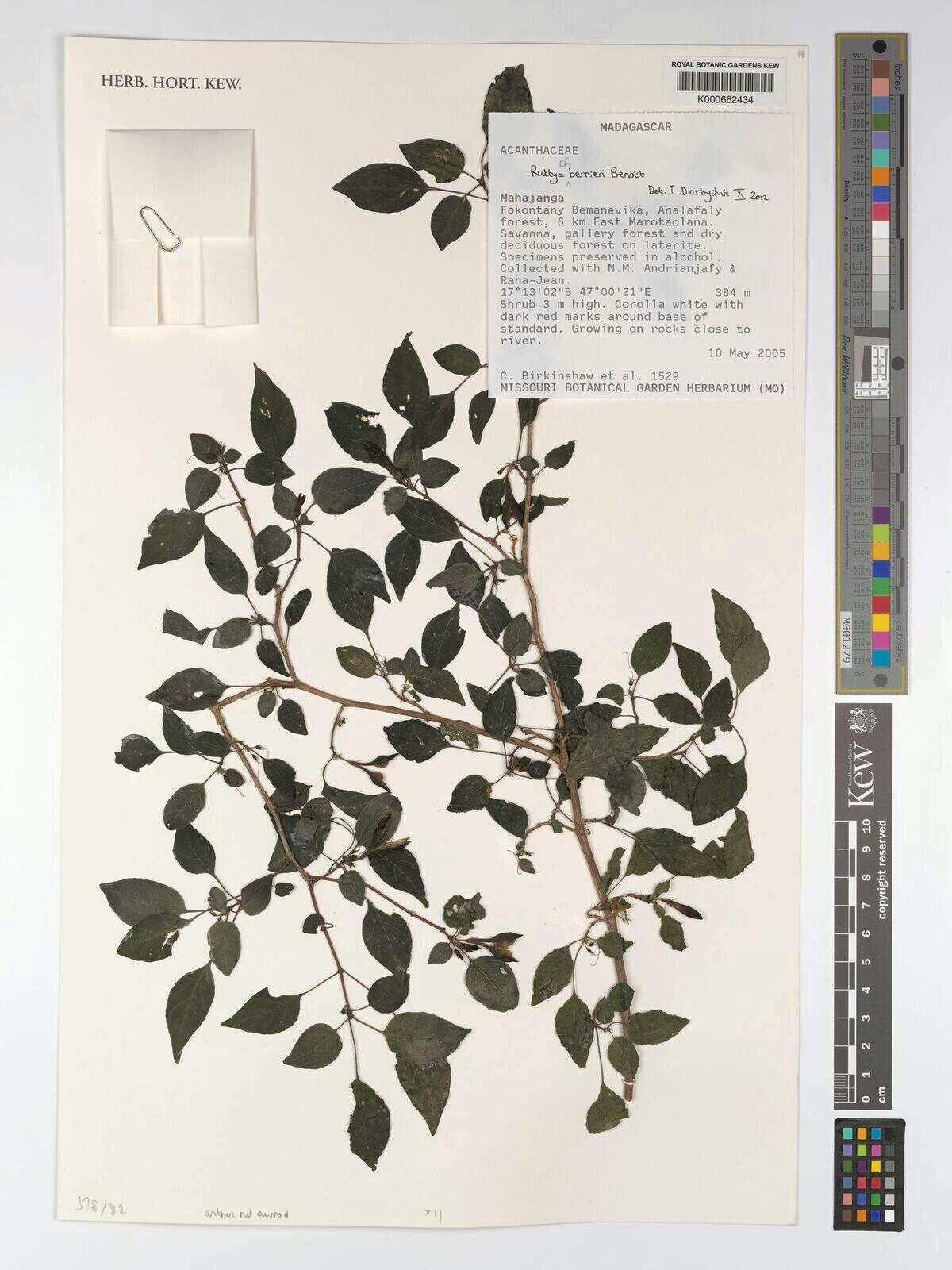
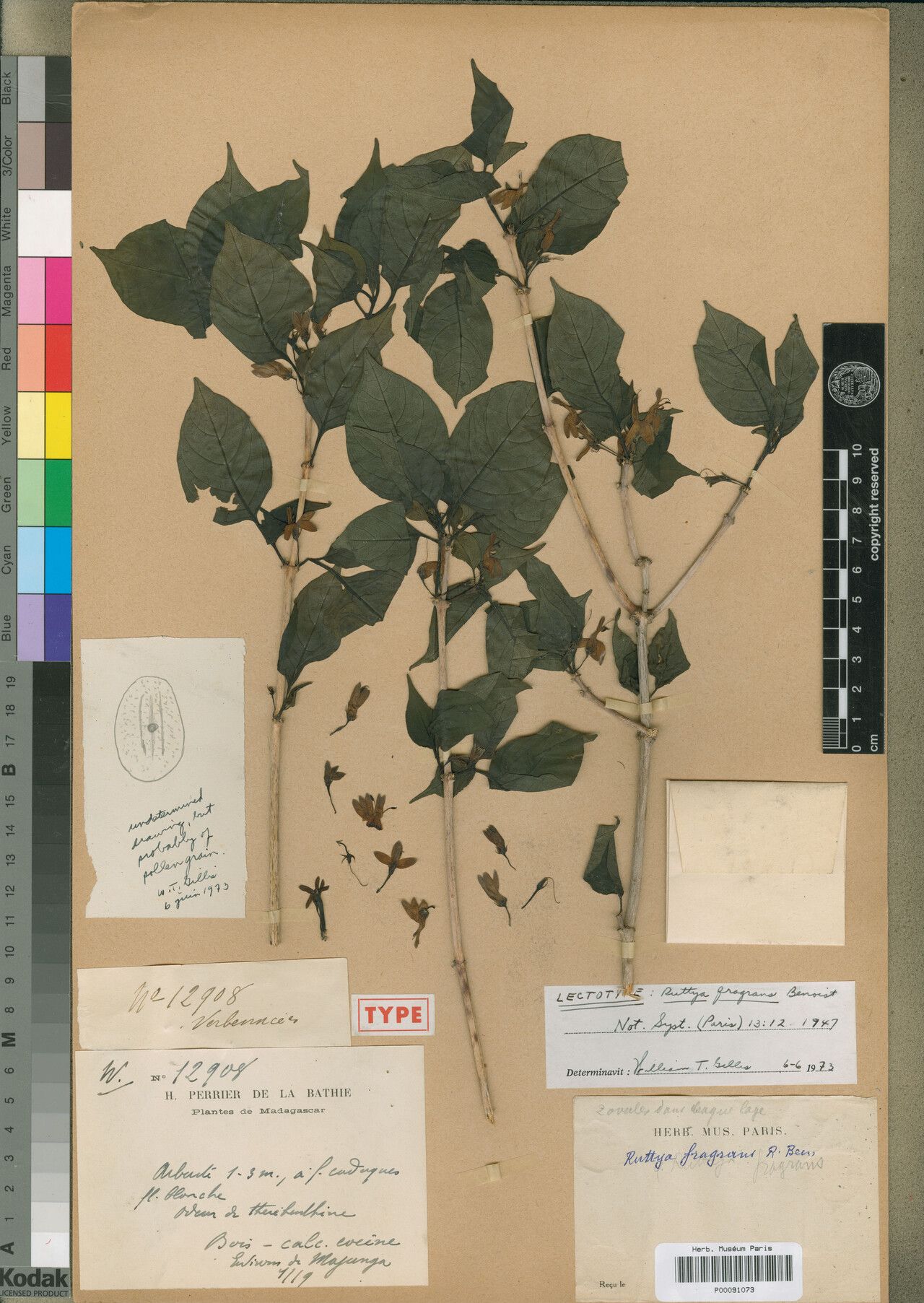
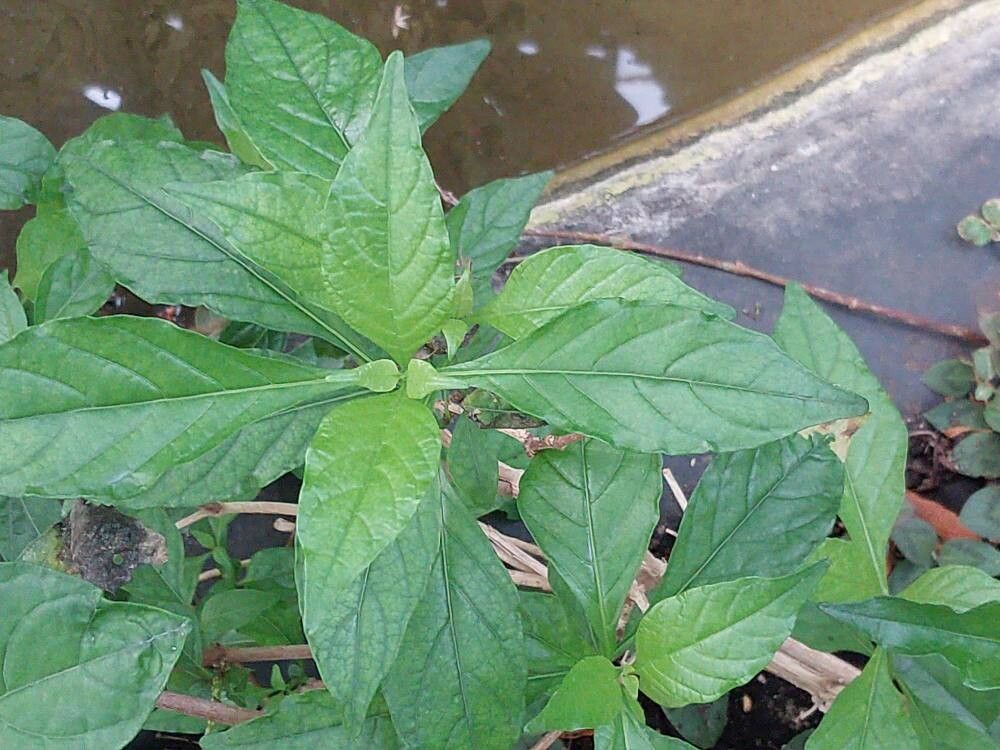
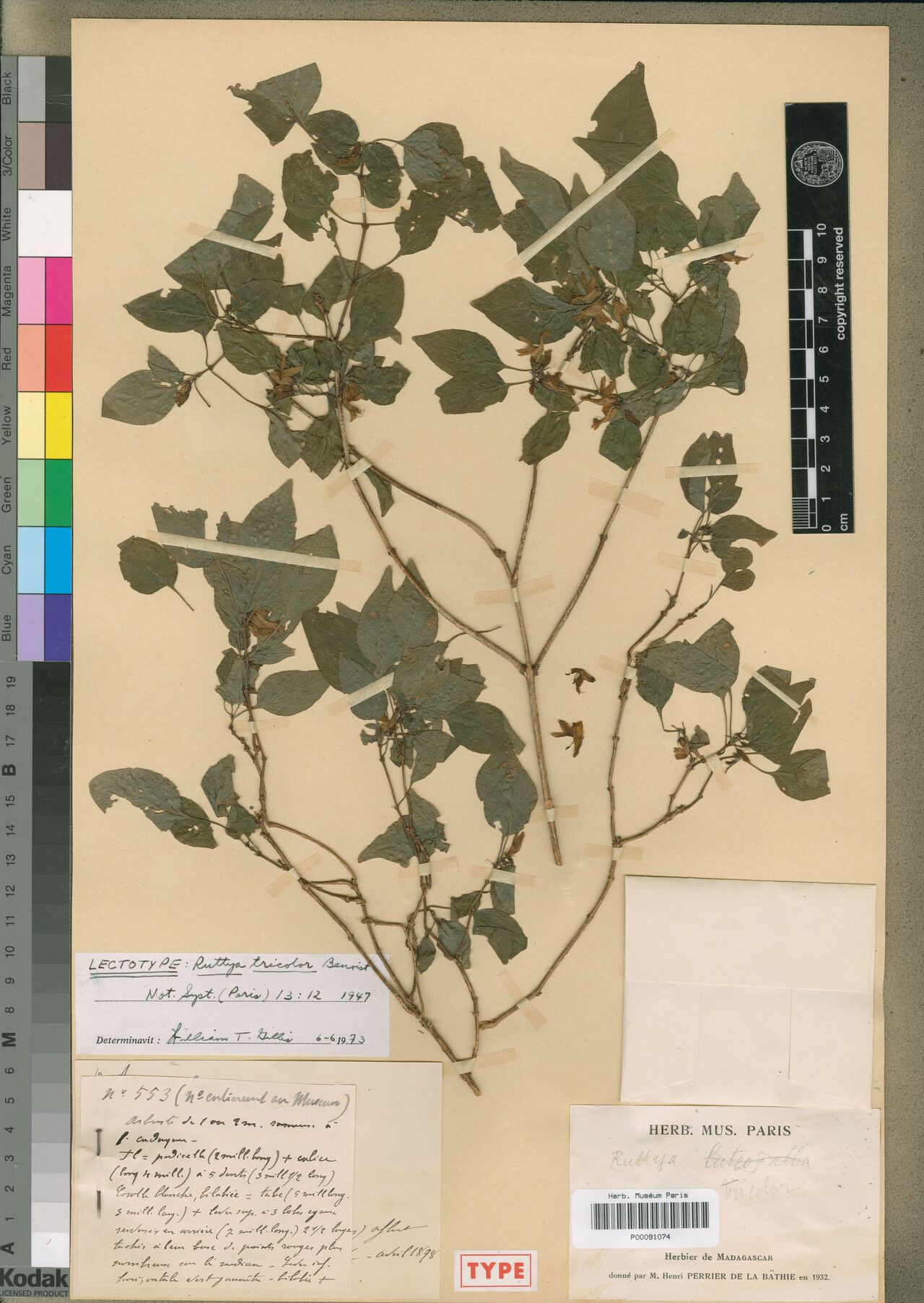
Ruttya fruticosa, commonly known as the shrubby goldenrod, is a perennial plant species belonging to the Asteraceae family. Native to South America, it is found in countries such as Brazil, Argentina, and Uruguay. The plant typically grows to a height of 1 to 2 meters and has a bushy appearance with numerous branches.
The leaves of Ruttya fruticosa are lance-shaped with serrated edges and are arranged alternately on the stem. Its flowers, which are bright yellow, grow in clusters at the ends of the stems, blooming from late summer through fall.
Ruttya fruticosa prefers well-drained soil rich in organic matter, but it can tolerate a wide range of soil types. The plant requires full sun exposure for optimal growth but can also manage in partial shade.
The shrubby goldenrod has several medicinal properties, including anti-inflammatory, antiseptic, and diuretic effects. These make it useful for treating various ailments, such as urinary tract infections (UTIs) and respiratory infections, among others.
Overall, Ruttya fruticosa is an attractive ornamental plant that adds vibrant color to gardens while also offering medicinal benefits. It makes an excellent addition for both aesthetic purposes and health benefits alike.
Botanical profile.
- Plant Type
- Shrub
- Life Cycle
- Perennial
- Genus
- Ruttya
- Family
- Acanthaceae
- Hardiness Zone
- 8-11
- Mature Height
- 1.22 m to 1.83 m
- Mature Spread
- 61 cm to 91 cm
- Leaf Color
- Green
- Leaf Type
- Evergreen
- Flower Color
- Orange
- Flower Size
- 2.54 cm to 5.08 cm
- Bloom Time
- All year round
- Planting Time
- Spring, Summer, Autumn
- Harvest Time
- All year round
- Native Area
- Djibouti, Somalia, Oman, Ethiopia, Yemen, Kenya, Uganda, Tanzania
Other names.