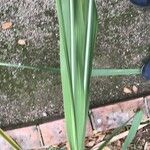
Saccharum officinarum
Sugarcane · Noble sugarcane · Ka'ñaruushi · Tebu · Common sugarcane
Description
Source: leafsnapSaccharum officinarum, commonly known as sugarcane, is a tall perennial grass belonging to the Poaceae family. Native to Southeast Asia, it has been cultivated for thousands of years primarily for its sweet juice, which is used to produce sugar and other sweeteners. Sugarcane plants can grow up to 6 meters tall and feature long, narrow leaves arranged in a spiral pattern around the stem. The stems are thick and juicy, with a hard outer layer protecting the soft inner core where the sugar-rich juice is stored. Sugarcane requires warm temperatures, ranging between 20-30°C, and ample rainfall or irrigation throughout its growing season. It can be propagated through stem cuttings or by planting seeds. The sugarcane industry is a vital part of numerous countries' economies, providing employment opportunities for millions of people worldwide. Additionally, sugarcane cultivation offers environmental benefits such as reducing soil erosion and improving soil fertility. Beyond sugar production, sugarcane juice can be consumed fresh or used in various culinary applications, including making molasses, rum, and ethanol fuel. Overall, the Saccharum officinarum plant plays a significant role both economically and culturally around the world. Its versatile uses, from food consumption to fuel production, make it one of the most valuable crops globally.
🌳 Beyond its famous role in producing sugar, sugarcane has numerous uses that are little recognized. Its potential for exploitation reaches several industries: its fibers can be turned into eco-friendly paper and packaging materials, offering a more sustainable choice than conventional wood pulp. Ethanol produced from sugarcane biomass provides a renewable fuel option, supporting green energy objectives. The tops of sugarcane, frequently thrown away, can serve as nutritious livestock fodder, emphasizing the plant’s value across different fields. Additionally, extracts from sugarcane are used as natural additives in cosmetics, suggesting its promise in personal care.
🎭 From the tropics, brightly colored, sweet-tasting.
Care Guide
💧 Water Every 7 days
Sugarcane originates from tropical regions where high humidity and consistent moisture are ideal conditions for its growth. To maintain its lush appearance and vigorous growth, sugarcane needs regular watering, preferably twice a week. When grown outdoors, it benefits from natural rainfall, which is crucial for rapid growth and the accumulation of sugar during the growing season.
What should I do if I give my Sugarcane plant too much water or too little water?
Proper watering is crucial for the growth and performance of this beautiful ornamental grass. When planted in the ground, watering issues can be resolved. However, in a container, both overwatering and underwatering can quickly lead to the death of Sugarcane. Insufficient water can cause growth to cease, resulting in drooping leaves, weak seed head production, and browned leaves. On the other hand, overwatered Sugarcane may exhibit yellow leaves with brown tips. If you suspect your Sugarcane has been watered incorrectly, the first step is to determine if it is receiving too much or too little water. In the case of overwatering, stop watering immediately and allow time for the soil to dry out. Once new growth appears, test the soil moisture and decide whether more water is needed. If the issue is underwatering, simply provide a deep drink of water and observe if the grasses revive. It's important to note that deep watering is always better than shallow, frequent waterings. This promotes the growth of deep roots, making the grasses more resistant to drought and less susceptible to watering-related problems.
How frequently should I water my Sugarcane?
The watering needs of Sugarcane depend on where it is planted. Generally, water this grass every week. In hot climates, you may need to water once or twice a week during the summer. In moderate climates, watering once every seven days or more should be enough. Grass in containers generally needs more frequent watering than grass in the ground. However, the location of the grass also matters, as shaded grass needs less water than grass in the ground. Sugarcane should only be watered when the soil is dry. To determine if the soil is dry, you can press your finger into it or use a portable scale to weigh the grass. When the roots lack water, the blades may appear folded and thinner than usual. Despite its drought tolerance, regular deep waterings will result in a beautiful color. Although Sugarcane is drought resistant, it still needs regular watering. When first planted, it needs more frequent water until it has established deep roots. For potted Sugarcane, check the soil every 3 to 4 days and water only when it feels dry. Sugarcane in the ground generally needs less watering, depending on the type of soil. Clay soil may feel dry at the surface but still hold moisture below ground, while sandy soil that drains quickly will need more frequent watering.
What do I need to watch out for when I water my Sugarcane in different seasons, climates, or while it's growing?
To determine if you are watering your grass enough, pay attention to its growth rate. During the hottest months, sugarcane can double in size in a year. If the weather is hot but the grass isn't growing vigorously, you may need to adjust your watering schedule. In winter, you might only need to water once a month, but it's still important to check the soil for moisture. During the warmest months, the grass will require more water than usual, while in winter and cooler months, its water needs will significantly decrease. Remember, it's crucial to let the soil dry out completely before watering sugarcane.
☀️ Light Full sun
Sugarcane prospers with abundant sunlight and can maintain growth under partial sun coverage. Native to sun-rich areas, it is healthiest when it obtains sufficient solar energy. However, extended periods of too little or too much sun can hinder its development and harm its health.
What are the sunlight requirements for sugarcane?
Sugarcane requires significant exposure to sunlight to thrive, performing best in full sun conditions, which means receiving above 6 hours of sunlight daily. It can also grow under partial sun, receiving about 3-6 hours of sunlight. Originating from sun-rich regions, sugarcane benefits tremendously from ample solar energy. However, both a prolonged lack of sun and an excess can harm its growth and overall health. It's important to monitor the movement of sunlight through your garden to find the ideal balance for your plants.
How do artificial lights support plant growth?
Indoor sugarcane plants benefit from artificial lighting, especially when natural sunlight is inadequate, like in winter. Artificial lights, such as LED lights, can be customized to provide specific wavelengths necessary for optimal plant growth. Full sun plants require 30-50 Watts per square foot, partial sun plants need 20-30 Watts per square foot, and full shade plants should have 10-20 Watts per square foot. The light source should be placed 12-36 inches above the plant to mimic natural sunlight, for a duration of 8-12 hours daily, depending on the specific needs of the plant species.
What are signs of inadequate lighting in sugarcane?
Symptoms of insufficient light in sugarcane include smaller new leaves, leggy or sparse growth, faster leaf drop, slowed or halted new growth, lighter-colored new leaves, chlorosis (leaves turning yellow due to a lack of chlorophyll), sunscald on leaves or stems, leaf curling as a defense against excessive sunlight, wilting from rapid water loss, and leaf scorching characterized by brown or crispy leaf edges. These are crucial signs that the plant is not receiving adequate sunlight.
How can I address insufficient sunlight for my sugarcane plant?
To remedy insufficient sunlight for sugarcane, gradually move the plants to sunnier locations, ensuring they receive at least 6 hours of direct sunlight daily. For indoor plants, using a south-facing window or artificial lighting, such as desk lamps or professional grow lights, for at least 8 hours a day can help. Outdoors, it's important to introduce plants gradually to brighter spots to prevent sunburn. If natural light is blocked, consider pruning obstructions or transplanting to a sunnier location. Note that parts of the plant that have suffered due to inadequate light may not recover, but new growth should be healthy following these adjustments.
🌡️ Temperature 20–37.8°C
Sugarcane favors a temperature of 68 to 100 ℉ (20 to 38 ℃) in its native growing environment. When temperatures drop, the plant's growth slows and it can become dormant. In colder seasons or areas with lower temperatures, it is recommended to use grow lamps or greenhouses to keep conditions within the preferred range.
What is the preferred temperature range for sugarcane growth?
Sugarcane, scientifically known as Saccharum officinarum, thrives in a temperature range of 68 to 100°F (20 to 38°C) in its natural habitat. When temperatures fall below this range, the plant's growth slows, potentially entering a dormant state. To manage cooler climates or seasons, employing grow lamps or greenhouses can help sustain the optimal temperature conditions. Sugarcane is particularly sensitive to cold, and it's advised to move plants indoors near a bright window but away from direct heat sources during autumn to avoid cold damage while ensuring the temperature remains above 20°C, especially through winter. Temperatures nearing or dropping to 0°C can be significantly harmful to the plant.
How should sugarcane be cared for in low temperatures?
In conditions where the temperature drops below its preferred warmth, specifically under 20°C, and certainly when approaching 0°C or below -5°C, sugarcane is at risk. Such cold exposure may lead to leaves lightening in color, eventually turning brown or black, alongside wilting and drooping as signs of frost damage. The best course of action includes trimming away frost-damaged segments and relocating the plant to a warmer indoor space to shield it from the cold. Placing sugarcane near a south-facing window can ensure it receives sufficient sunlight while avoiding direct heat sources like heaters or air conditioning vents to prevent air dryness.
What are the recommended practices for sugarcane in high temperatures?
During the peak of summer, ensuring that the temperature remains below 38°C is crucial for the health of sugarcane. Exposure to temperatures above 43°C can lead to leaf discoloration and increased susceptibility to sunburn. To mitigate damage under such conditions, sunburned or dried parts of the plant should be trimmed away. Relocating the plant to a shaded area, especially during the intense midday and afternoon sun, helps prevent further stress. Regular watering in the morning and evening is also recommended to maintain soil moisture and support plant health in high temperatures.
💨 Humidity normal (40-60%)
This plant will thrive in moderate humidity, which is probably the level in your home. However, misting it a few times a week can be very beneficial. Make sure the room has good ventilation.
🪴 Soil 5-7
🌱 Fertilizer
Sugarcane needs extra nutrients to encourage healthy new growth. In spring, putting compost around the base of the plant can effectively supply the nutrition it requires. Fertilizing supports vigorous growth and helps the plant resist diseases and pests.
Why is it necessary to use fertilizers on my Sugarcane?
Fertilizing Sugarcane is important for a simple reason - your plant requires additional nutrients for healthy new growth. These extra nutrients also promote the well-being of existing growth and can assist in fending off diseases and pests.
When should I fertilize my Sugarcane?
In order to ensure the survival of Sugarcane in your garden, it is important to understand when to fertilize. Despite not needing additional nutrients when it starts dying back, it is not a heavy feeder. Therefore, applying diluted fertilizer at the beginning of the growing season is not recommended. Instead, a better option is to lay down mulch or compost around the base of the plant.
When is it not a good idea to put fertilizer on my Sugarcane?
If you're not using packaged fertilizers, there's no need to worry about when to stop feeding Sugarcane. Simply add a layer of compost or mulch in the spring and the plant will be well-nourished for the whole year. You can skip mulching or composting in the winter when the plant goes dormant.
Which kind of fertilizer does my Sugarcane require?
Instead of rushing to buy fertilizer from the garden center, you can simply use compost for sugarcane as it provides the necessary nutrients. Additionally, if you mulch your garden annually, the bark will also keep your plant healthy and well-nourished.
How can I make my Sugarcane grow better?
When it comes to sugarcane, whether you choose to use mulch or compost, the steps are the same. Start by applying a layer of your chosen material, making sure it covers the base of the plant. If you decide to use both mulch and compost, remember to decrease the amount of compost. Applying a layer of mulch has two benefits: it helps retain moisture in the soil and provides nutrients to the plant.
🪴 Pot & Repot Every 12 months
✂️ Pruning
Pruning sugarcane in early spring encourages healthy growth. Start by removing dead stalks and trimming crowded areas to improve air circulation and allow better sunlight penetration. Be sure to clean your tools to prevent spreading diseases. Regular pruning boosts vigor and enhances both the quality and quantity of the harvest.
🌿 Propagating
🐛 Diseases & pets
☠️ Toxicity
Characteristics
- Plant Type
- Grass
- Life Cycle
- Perennial
- Genus
- Saccharum
- Family
- Poaceae
- Hardiness Zone
- 9-12
- Mature Height
- 1.52 m to 2.44 m
- Mature Spread
- 0.91 m to 2.13 m
- Leaf Color
- Green
- Leaf Type
- Evergreen
- Flower Color
- White, Yellow, Red, Brown
- Bloom Time
- Early spring, Mid spring, Late summer, Fall, Winter
- Planting Time
- Spring, Summer
- Harvest Time
- Late spring, Early summer, Mid summer
- Native Area
- Vanuatu, Fiji, China