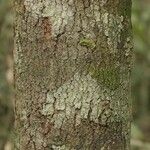
Sacoglottis guianensis
Care Guide
💧 Water
Sacoglottis guianensis thrives in humid, consistently moist environments similar to tropical rainforests. It requires thorough watering once a week, especially during the growing season when its water needs increase. This plant is well-suited for outdoor cultivation, as it benefits from natural rainfall and can tolerate short periods of dryness.
☀️ Light Partial sun
Sacoglottis guianensis naturally grows in habitats like forest undergrowth or rocky regions, where it is typically shielded from direct sunlight. While it favors semi-sunny conditions, it can also survive in completely sunny or entirely shaded environments, reflecting its adaptable and robust characteristics.
🌡️ Temperature 20–37.8°C
Sacoglottis guianensis is native to tropical climates, which are generally hot and damp. Its adaptation to these conditions means it thrives in high heat and moisture. Unexpected temperature shifts are not suitable for it, necessitating a steadily maintained indoor temperature. The plant generally does not survive well in cold climates and needs a warmer setting to flourish. Should the surrounding temperature fall excessively, the plant might halt growth or perish.
💨 Humidity
🪴 Soil 5-6
🌱 Fertilizer
The proper care of Sacoglottis guianensis necessitates fertilization. Consistent nourishment throughout the growth period aids in maintaining energy for vibrant leaves and promotes overall enlargement. Failing to fertilize can lead to unhealthy foliage, lessened decorative allure, and inhibited or fragile growth with a tendency to snap.
🪴 Pot & Repot
✂️ Pruning
Prune Sacoglottis guianensis during its dormant period, from early to late winter. Use clean, sharp tools to remove any dead, damaged, or crossing branches. This practice encourages healthy growth and improves air circulation. By thinning out dense areas, you allow better sunlight penetration, which supports vigorous growth and flowering while also helping to prevent disease.
🌿 Propagating
🐛 Diseases & pets
☠️ Toxicity
Characteristics
- Plant Type
- Tree
- Life Cycle
- Perennial
- Genus
- Sacoglottis
- Family
- Humiriaceae
- Hardiness Zone
- 10-12
- Mature Height
- 20.12 m to 39.93 m
- Mature Spread
- 10.06 m to 14.94 m
- Leaf Color
- Dark Green
- Leaf Type
- Evergreen
- Flower Color
- White
- Flower Size
- 0.51 cm to 0.76 cm
- Bloom Time
- Summer
- Planting Time
- Spring, Summer
- Harvest Time
- Late summer, Fall
- Native Area
- Colombia, Bolivia, Venezuela, Peru, Guyana, Brazil