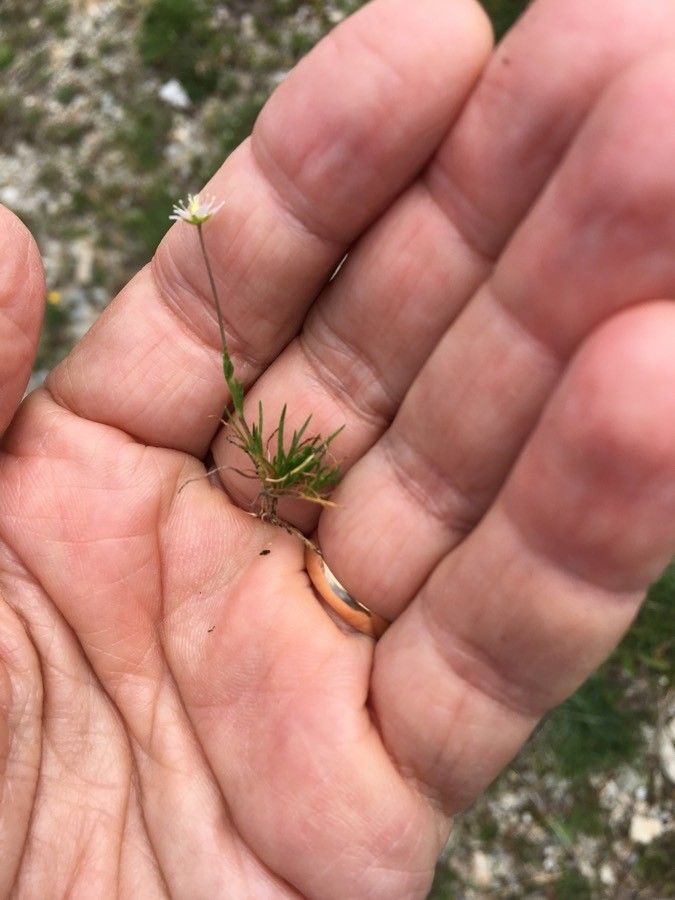
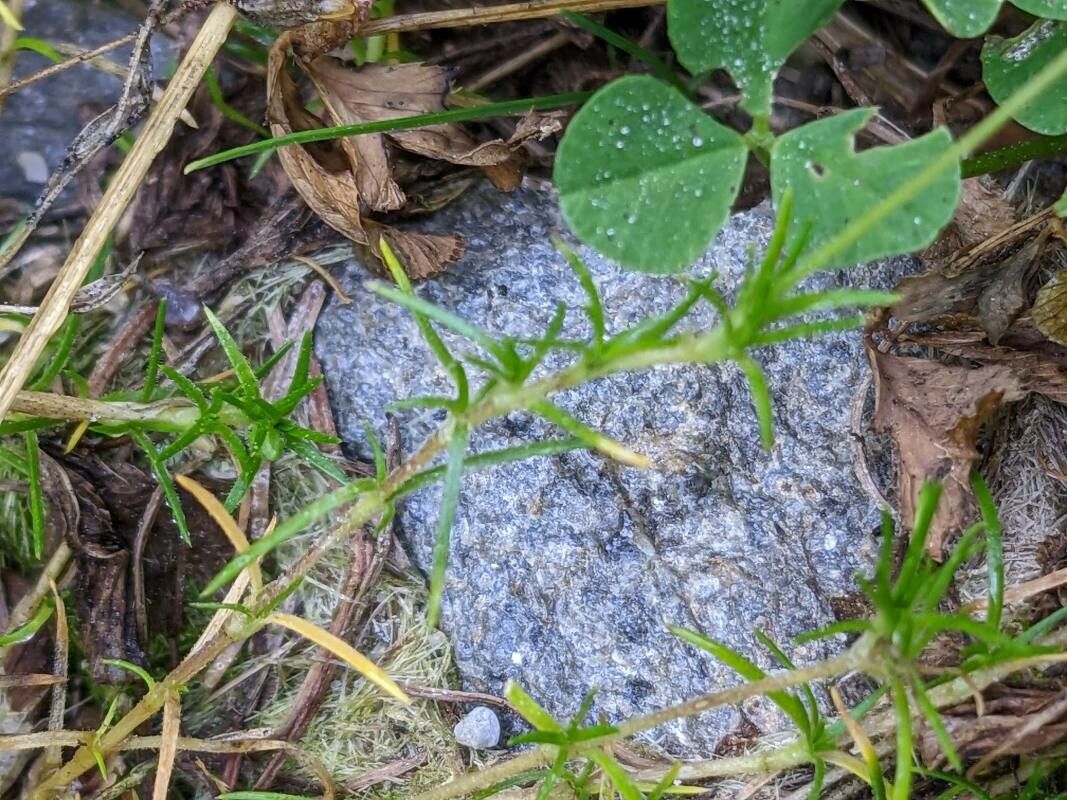
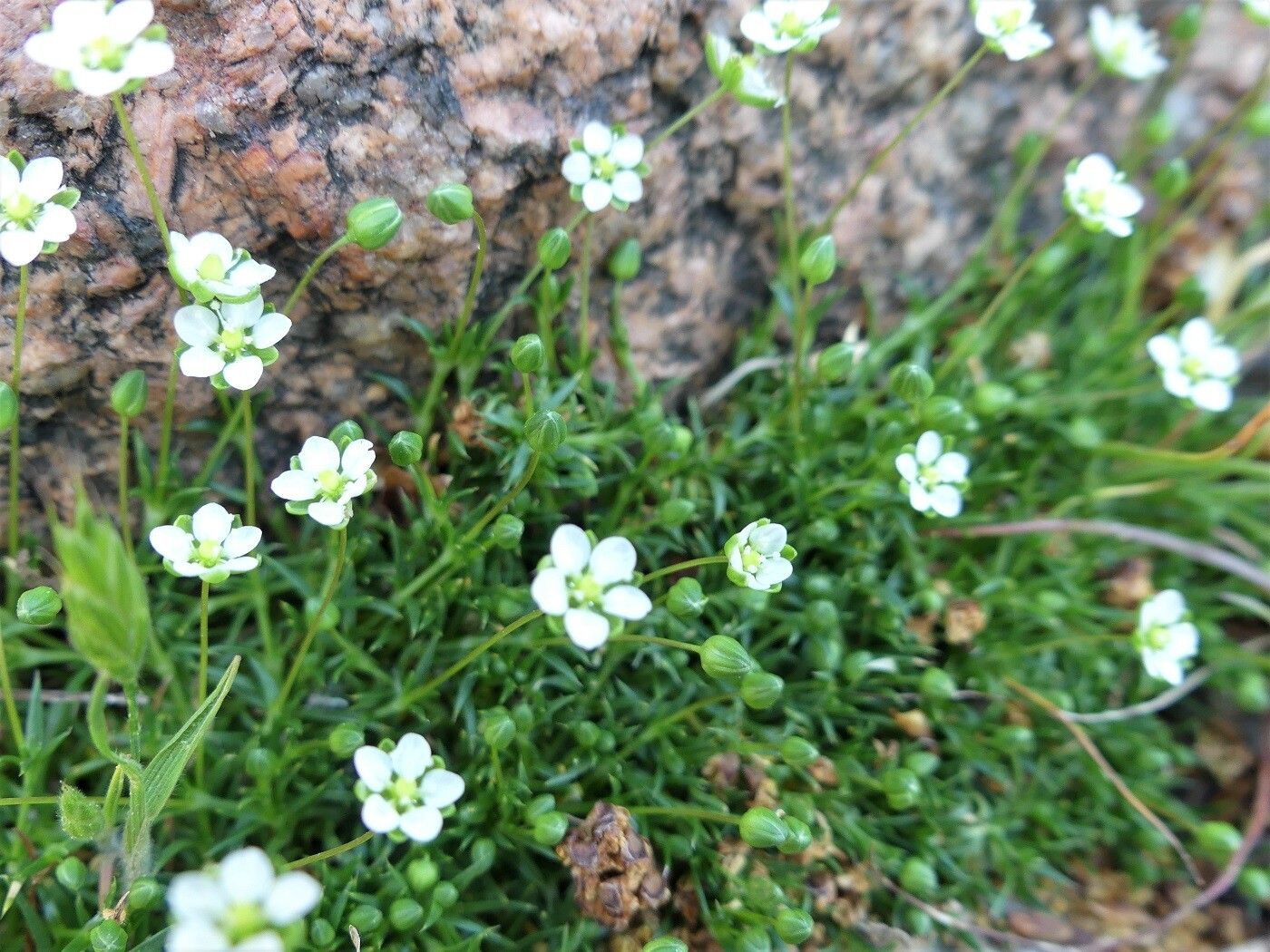
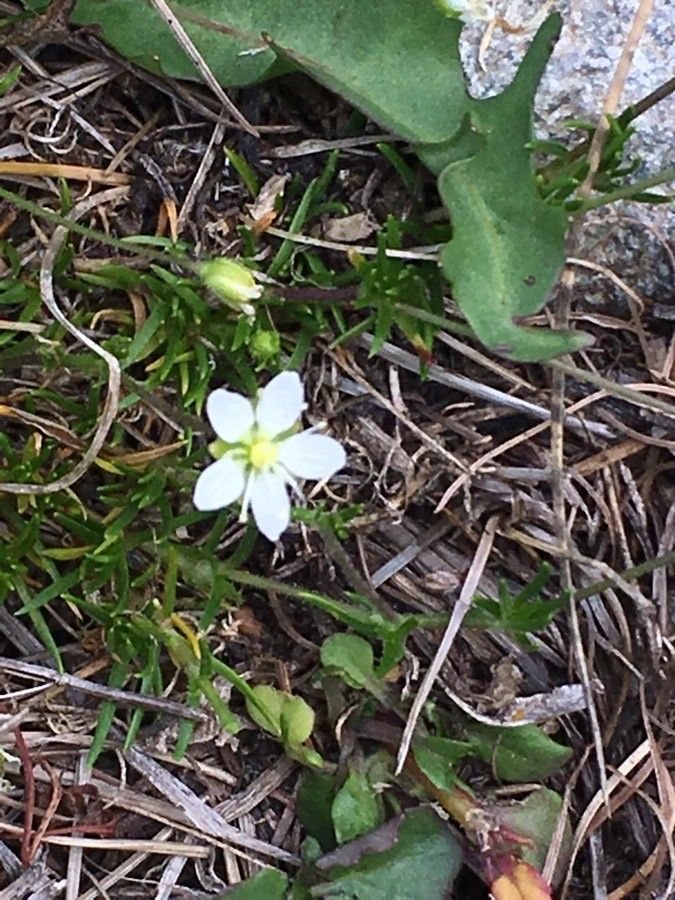
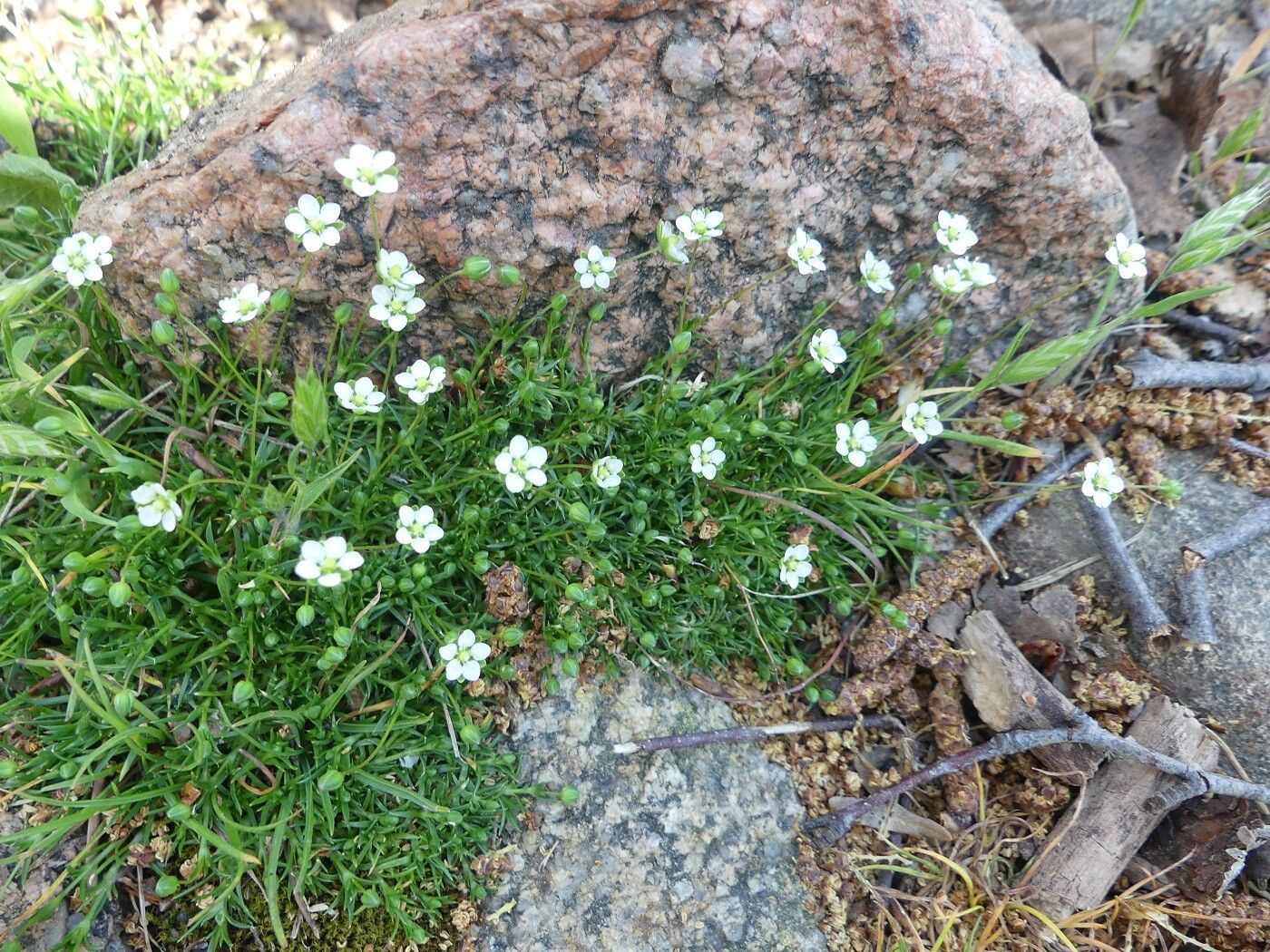
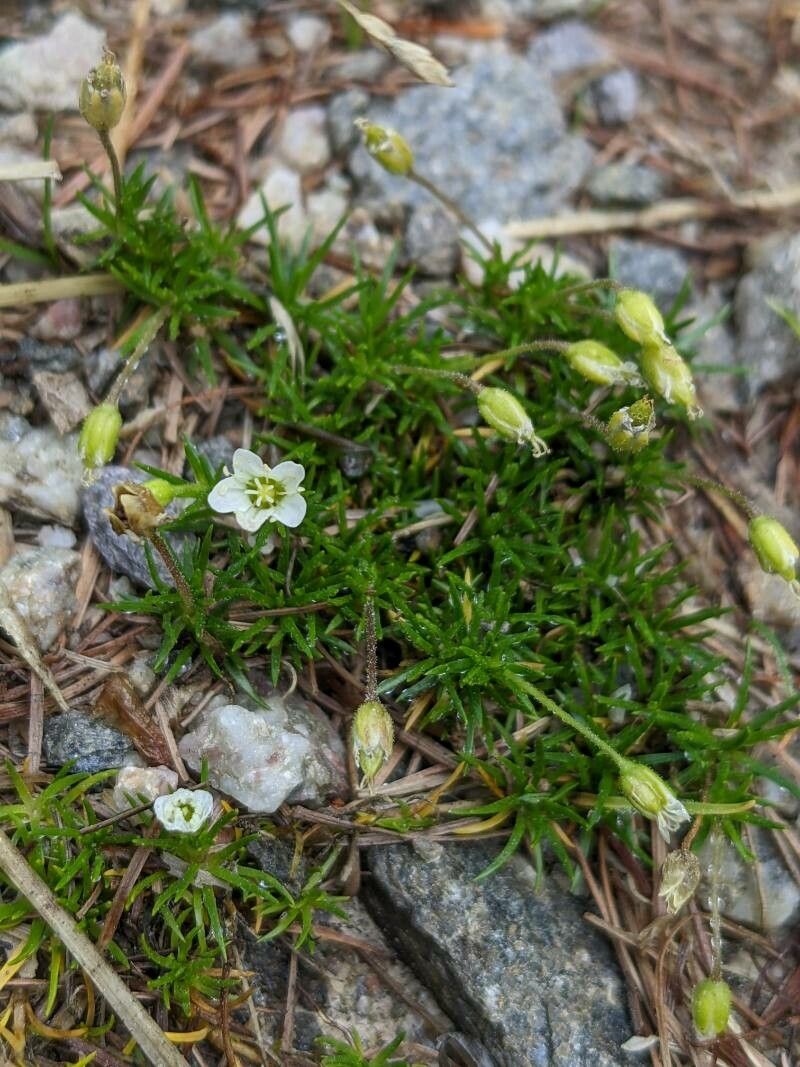
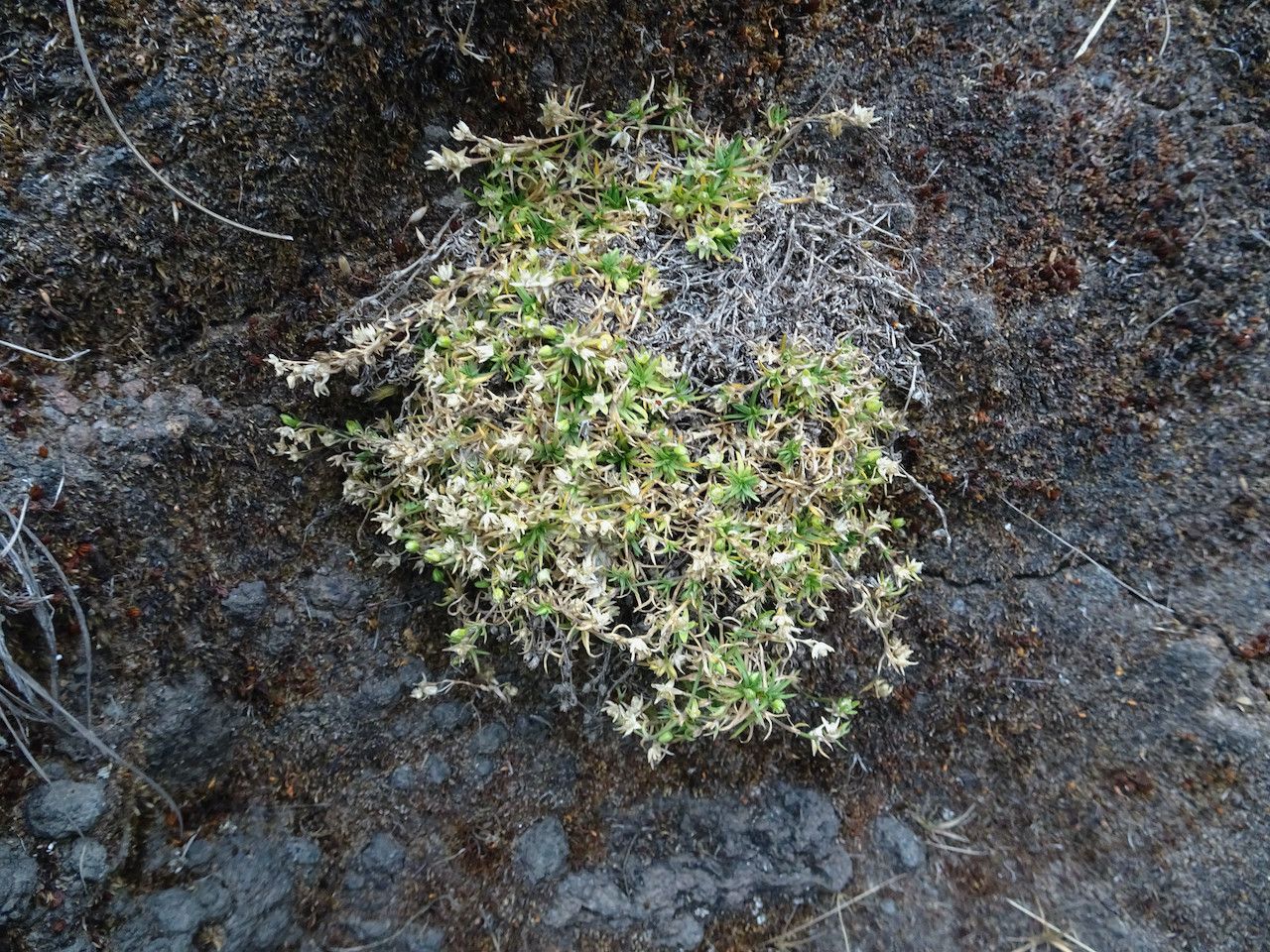
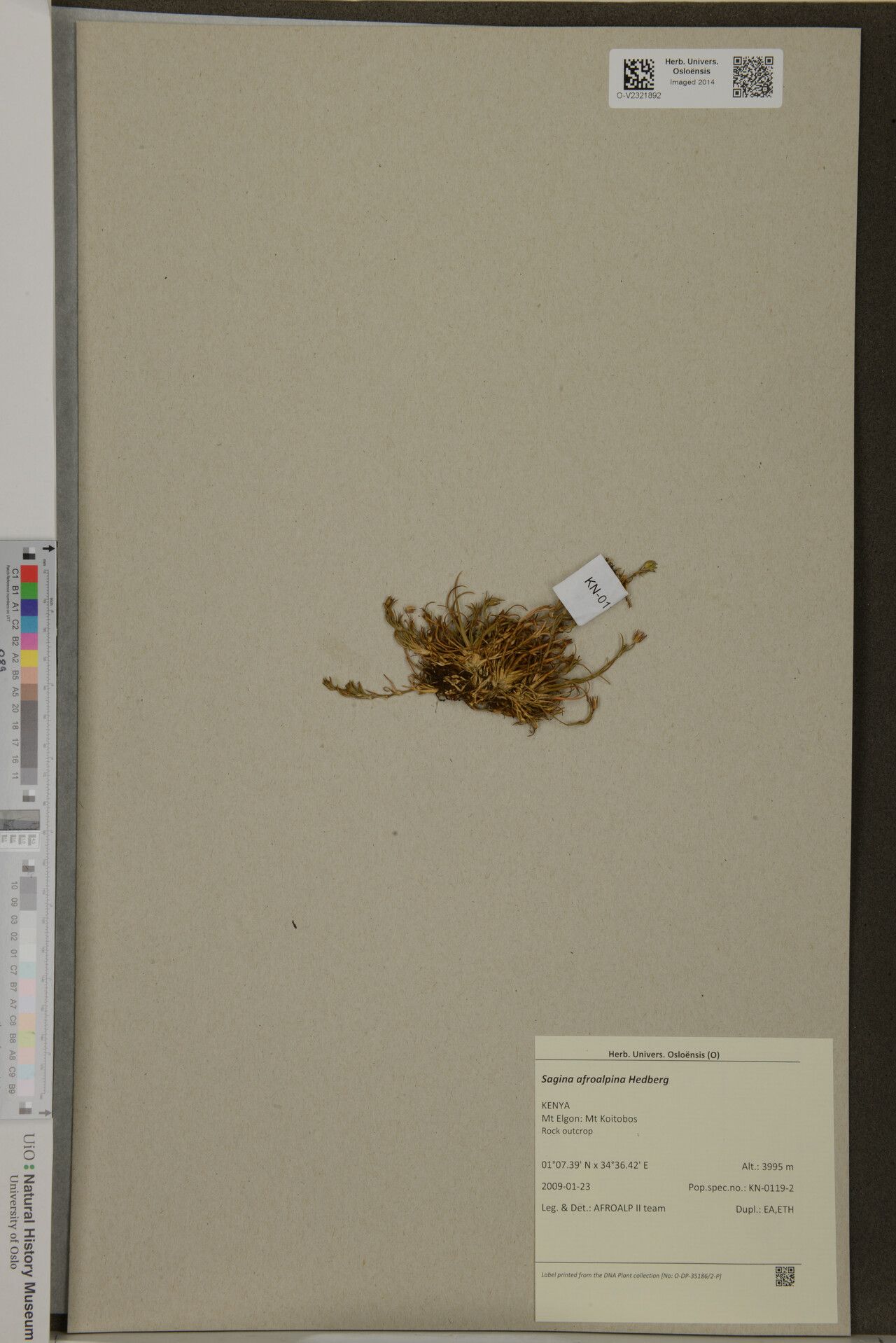
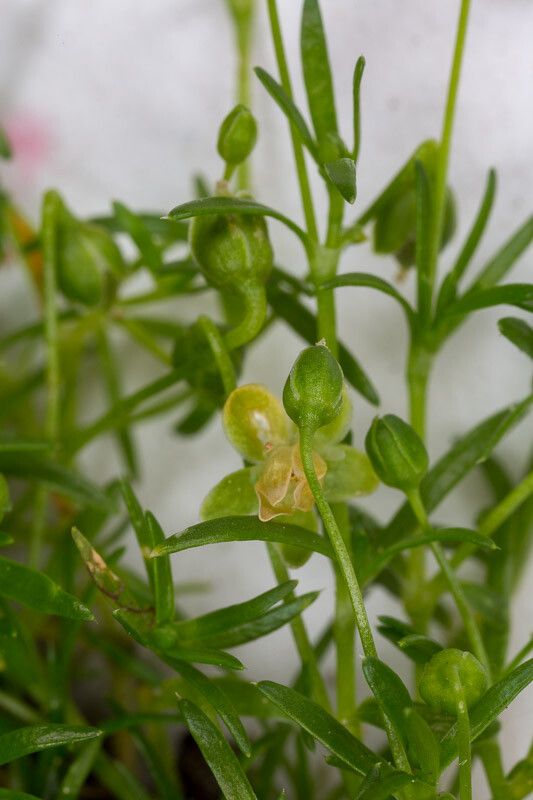
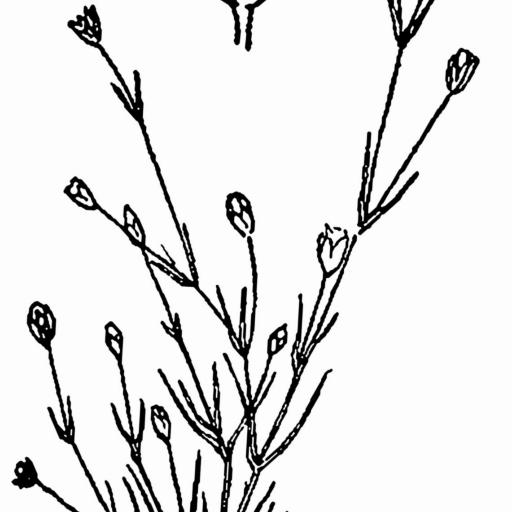
Sagina glabra is resistant to disease and typically not susceptible to illnesses. When it comes to care, this plant is fairly low-maintenance. Planted outdoors it needs only light watering, and larger specimens usually do not require pruning. Smaller plants, however, should be pruned after they have finished blooming. Sagina glabrat is suitable for anyone who has an outdoor area, such as a garden or a deck, and does not demand extensive care experience.
How to keep Sagina Glabra.
Water
Sagina glabra thrives in areas with moderate rainfall and can tolerate drought, as it prefers a balance between dry and wet conditions. It should be watered every 1-2 weeks. This plant does best outdoors, particularly in temperate climates, where it can take full advantage of natural rainwater throughout its growth cycle.
Pruning
To promote healthy growth and enhance bushiness, Sagina glabra should be pruned regularly, preferably in the spring. Trim away dead stems and shape the plant to improve air circulation, which helps reduce the risk of diseases. Always use clean, sharp tools to prevent infections.
Botanical profile.
- Life Cycle
- Annual
- Genus
- Sagina
- Family
- Caryophyllaceae
- Hardiness Zone
- 3-7
- Leaf Type
- Semi-evergreen
- Native Area
- Italy, Switzerland, Austria, France