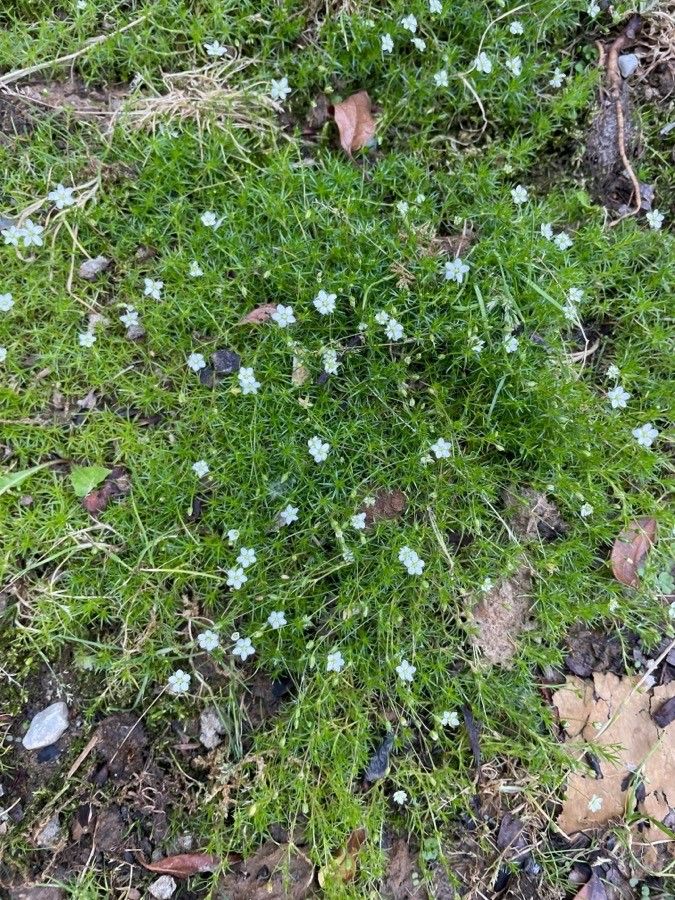
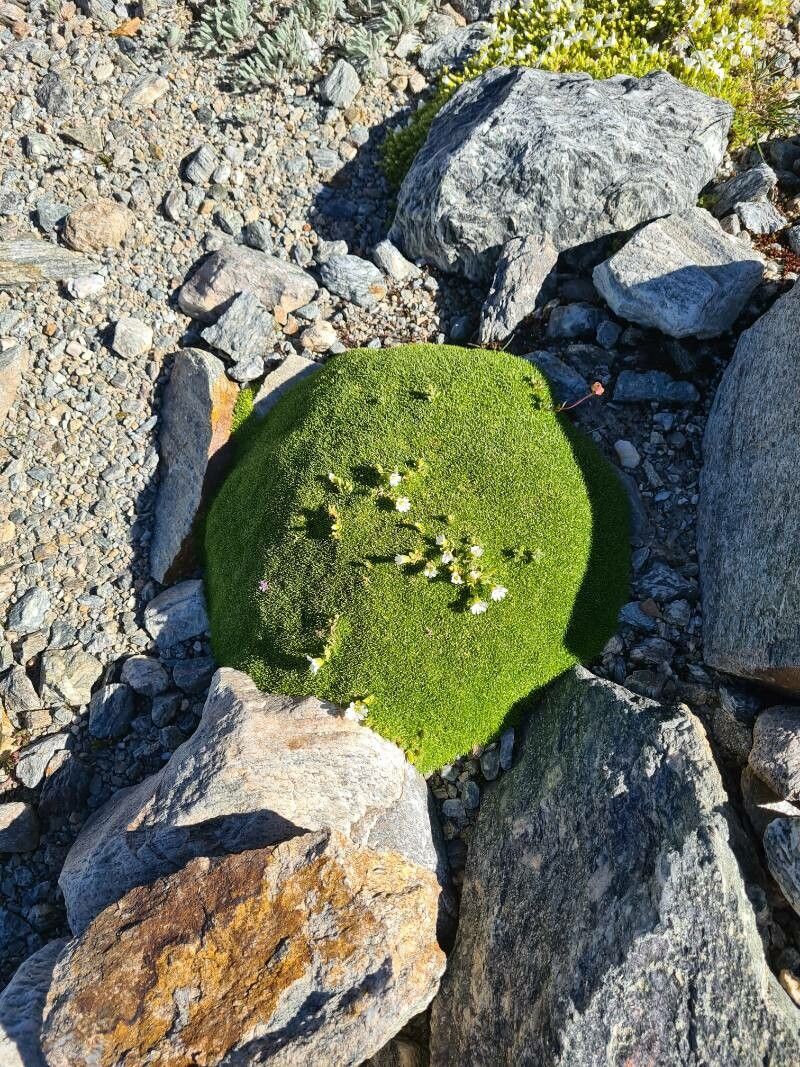
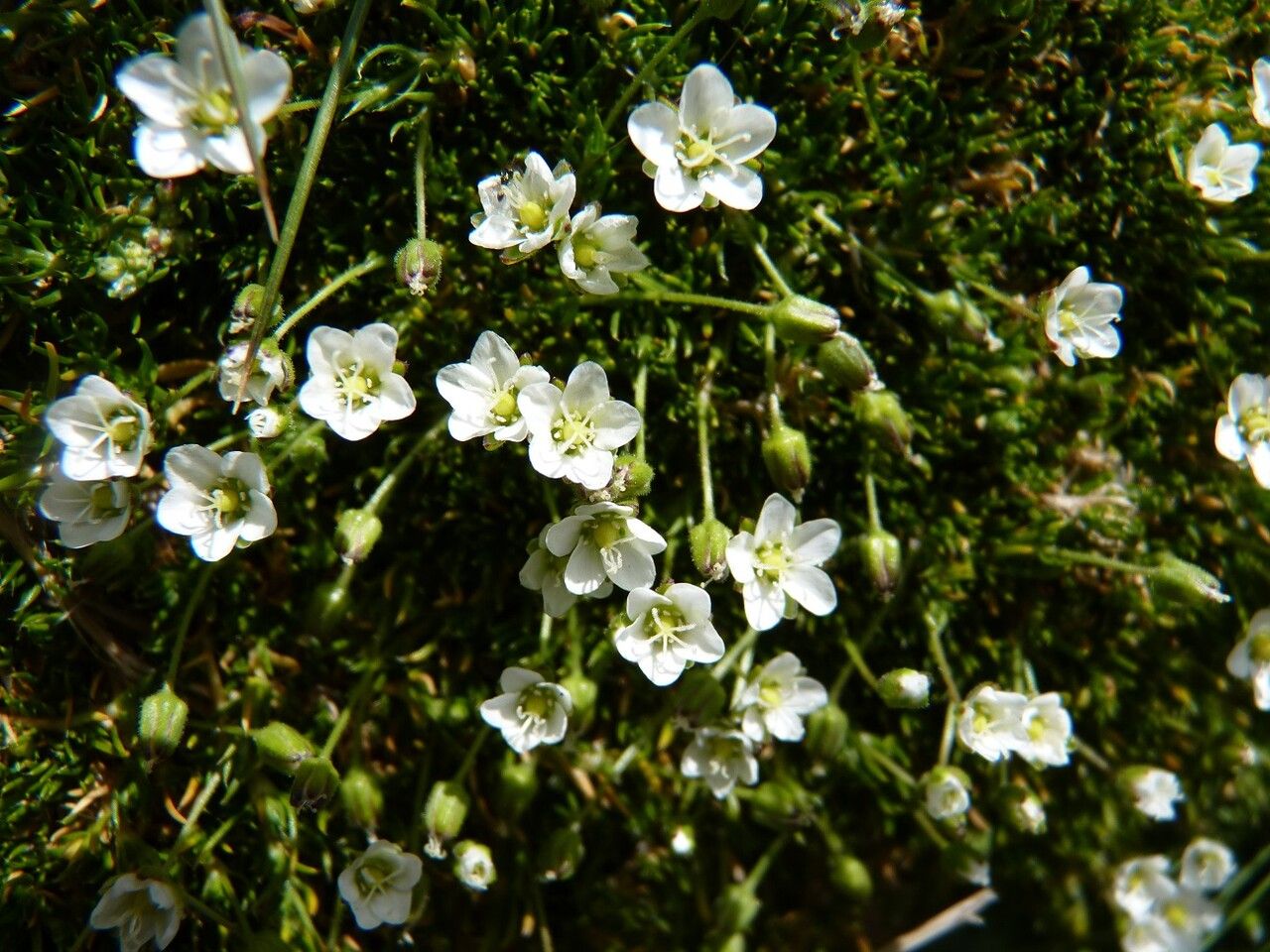
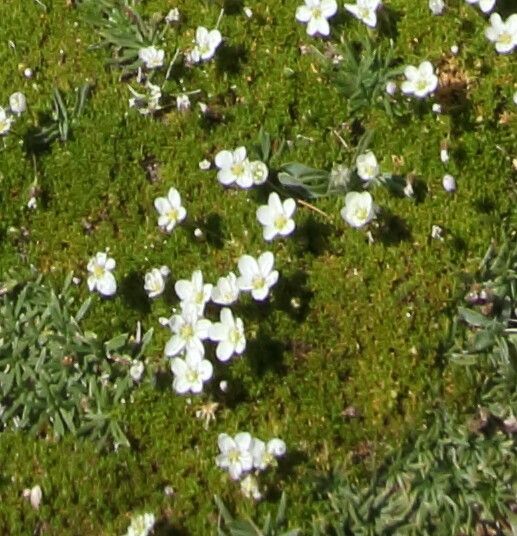
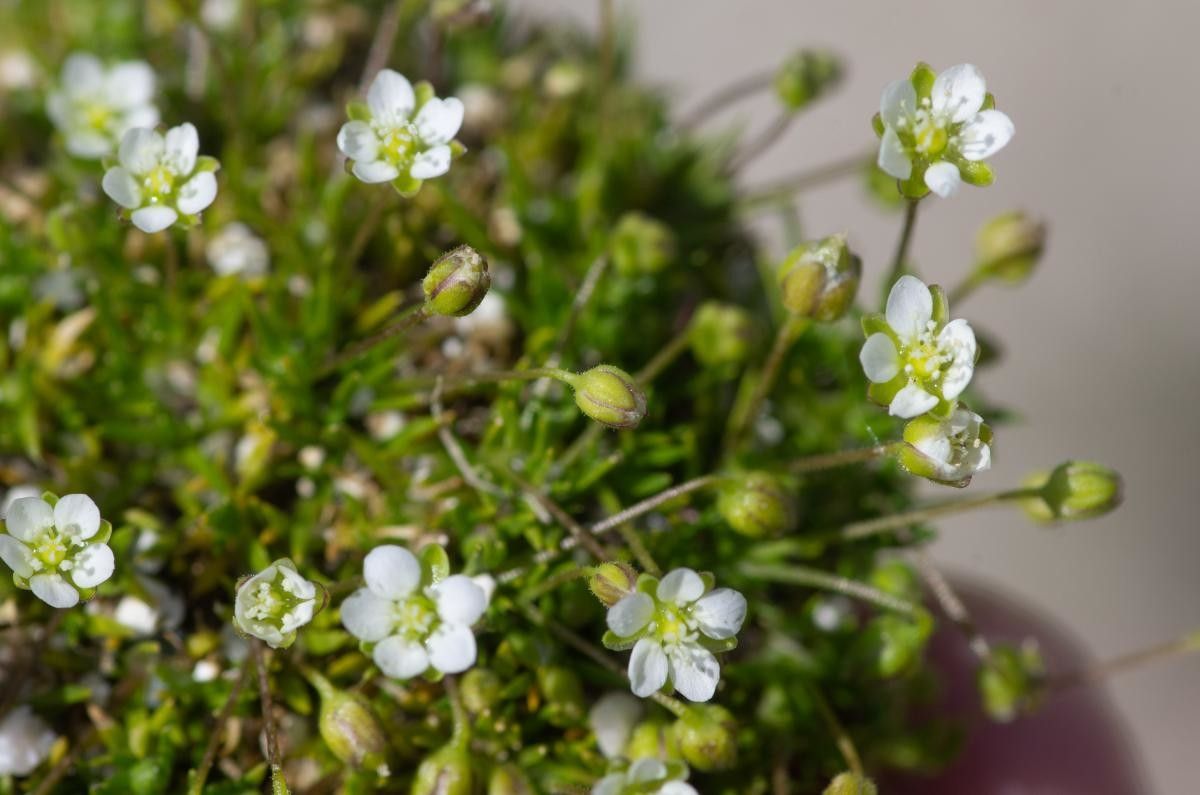
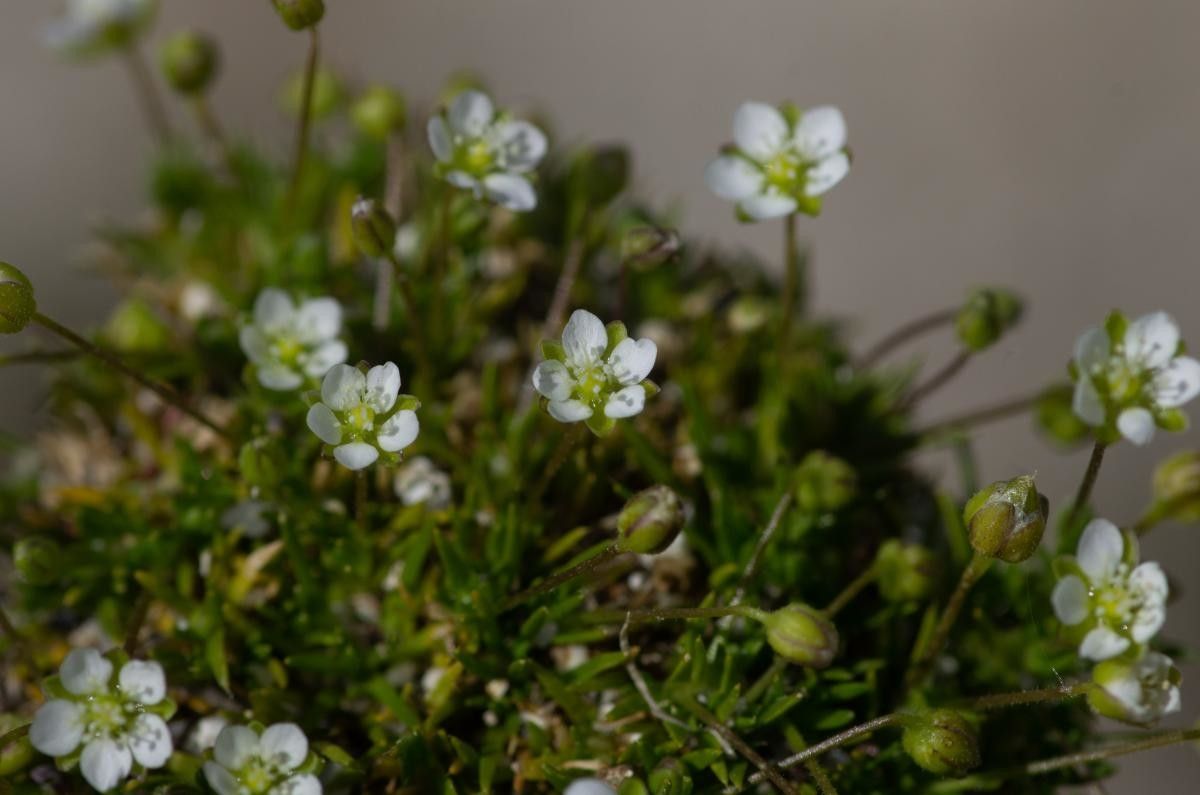
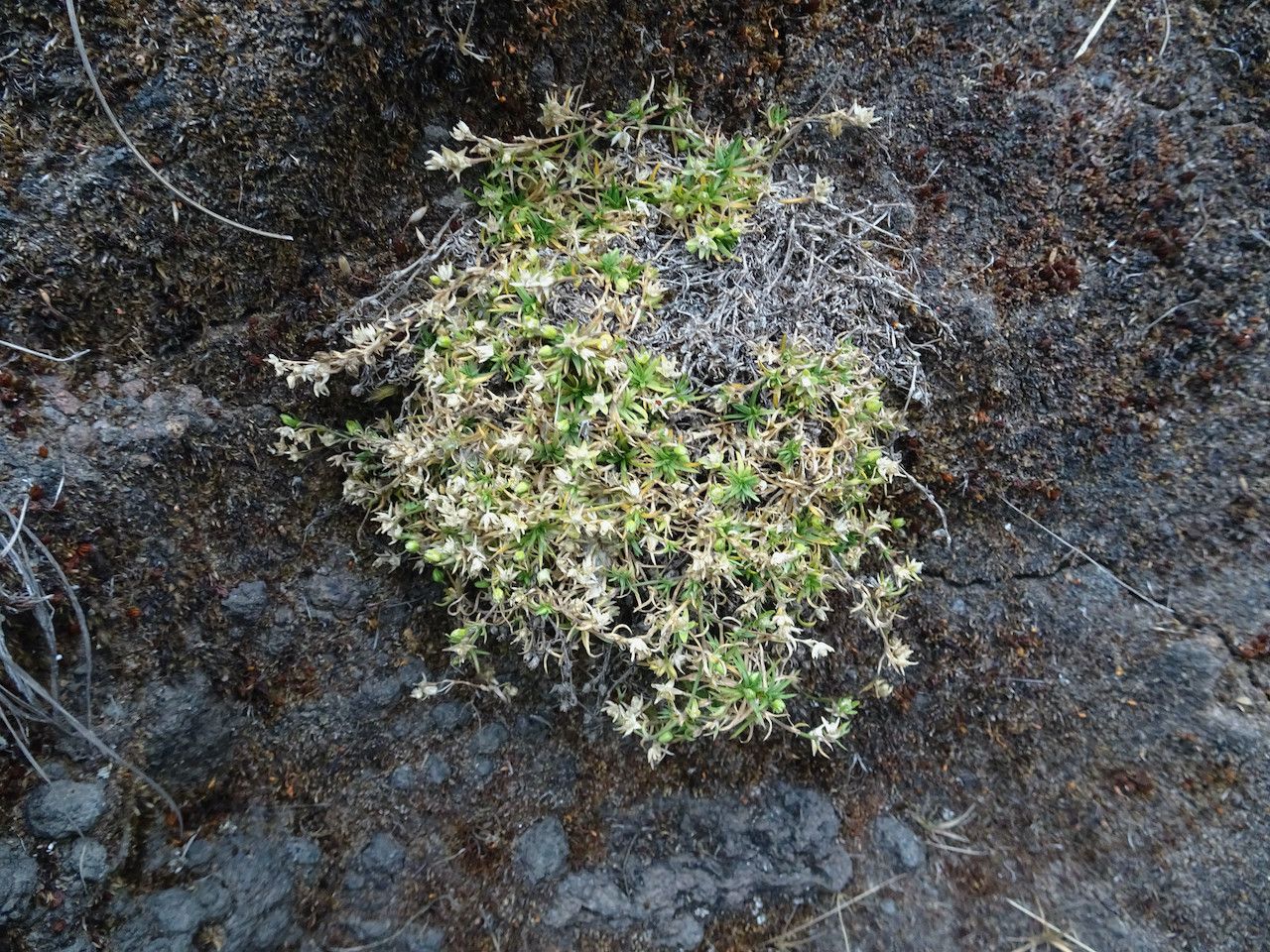
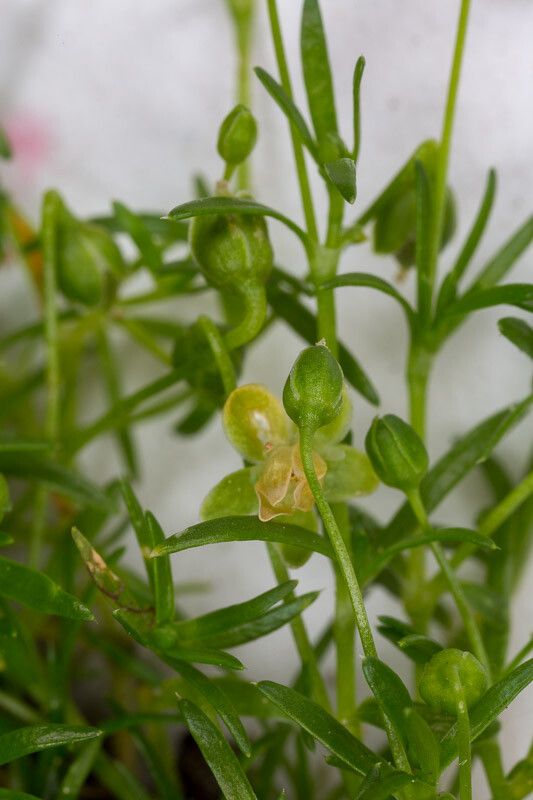
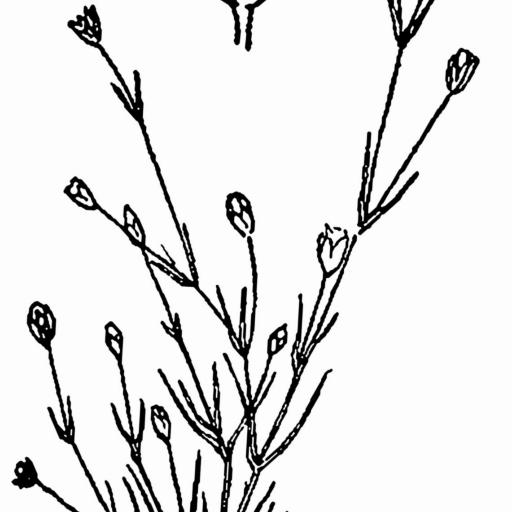
Sagina pilifera is a species of Sagina, native (and endemic) to the Mediterranean islands of Corsica and Sardinia, where it grows in mountains at altitudes of 1,000–2,700 m. It is a prostrate herbaceous plant growing to 2–8 cm tall, with white flowers 1 cm in diameter.Plants from northwestern Europe reported as this species are based on misidentification of Sagina subulata.
Sagina pilifera has strong resistance to disease and is generally not likely to suffer from illnesses. Nevertheless, it can be vulnerable to pests and diseases found in its immediate environment, though such infections are typically mild. Regarding care, this plant needs moderate maintenance. Regular pruning is necessary to preserve an attractive appearance and encourage healthy growth. Applying fertilizer can also help stimulate flowering. Sagina pilifera is appropriate for anyone who has an outdoor area, like a garden or patio, and does not demand much prior plant-care experience. It may need increased attention if kept indoors.
How to keep Sagina Pilifera.
Light
Sagina pilifera is native to habitats with dappled light, such as forest understories or rocky sites that offer natural shade. It prefers partial sun but can also tolerate full sun conditions.
Fertilizer
Sagina pilifera benefits from regular, dilute applications of fertilizer to encourage healthy leaf development. You should feed Sagina pilifera about once a month during the summer. Nitrogen is important for foliage, and adding nitrogen-rich fertilizer helps Sagina pilifera thrive.
Botanical profile.
- Plant Type
- Herb
- Life Cycle
- Annual
- Genus
- Sagina
- Family
- Caryophyllaceae
- Hardiness Zone
- 4-9
- Mature Height
- 2 cm to 5 cm
- Mature Spread
- 10 cm to 30 cm
- Leaf Color
- Dark Green
- Leaf Type
- Semi-evergreen
- Flower Color
- White
- Flower Size
- 0.51 cm to 0.76 cm
- Bloom Time
- Late spring, Early summer, Mid summer
- Planting Time
- Spring, Autumn
- Harvest Time
- Mid summer, Late summer, Early fall
- Native Area
- Italy, France