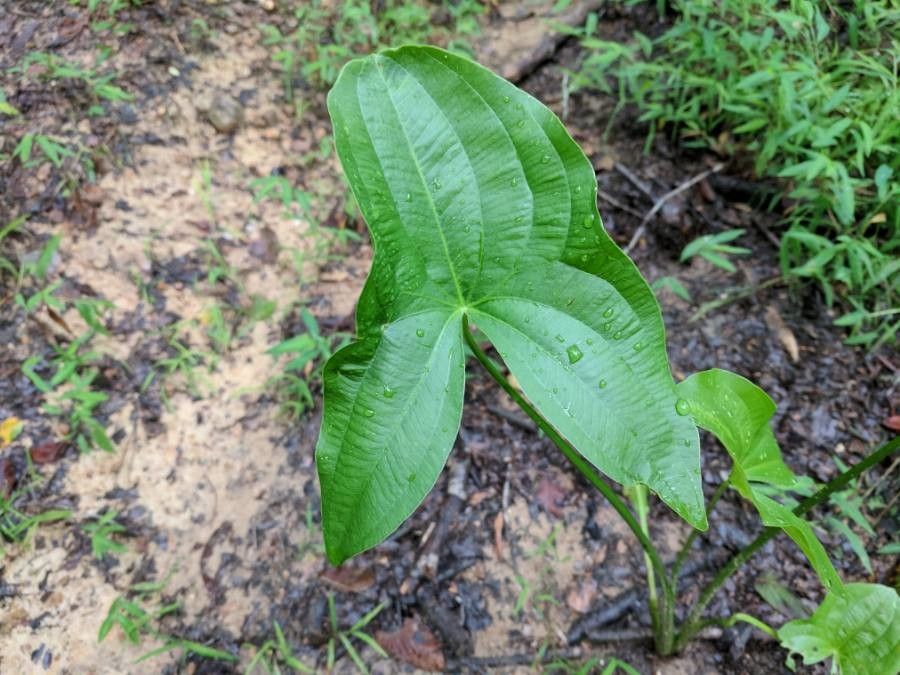
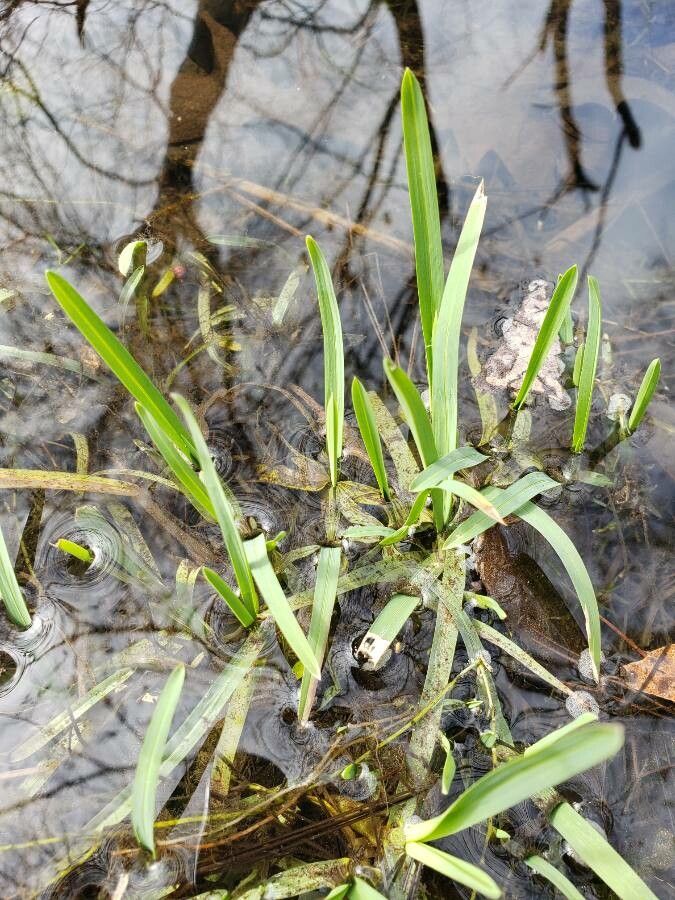
Sagittaria latifolia, commonly known as the broadleaf arrowhead, is a perennial aquatic plant that belongs to the Alismataceae family. Native to North America, it thrives in wetlands, marshes, and shallow waters. This plant features long, arrow-shaped leaves that can grow up to 30 cm in length and 15 cm in width. The green leaves have a glossy texture and prominent veins.
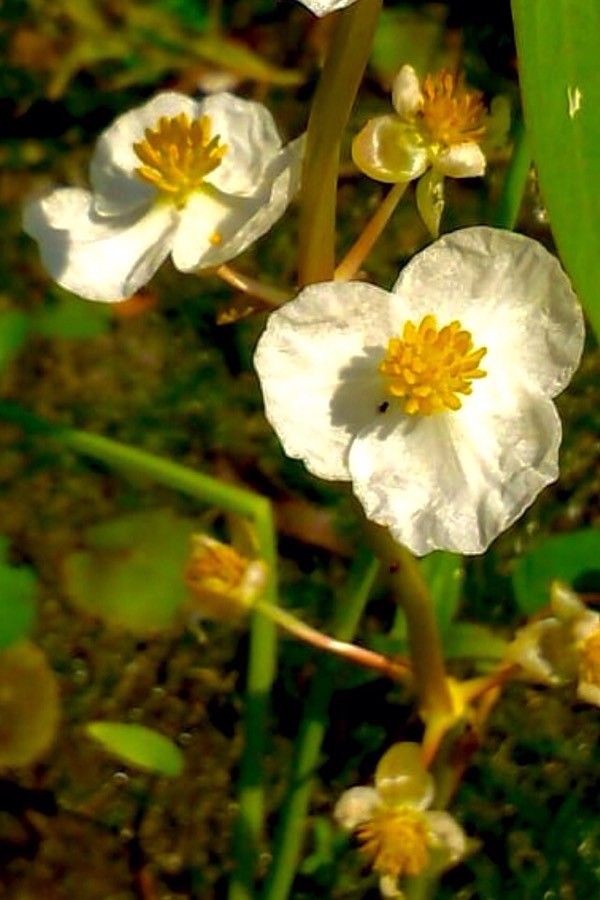
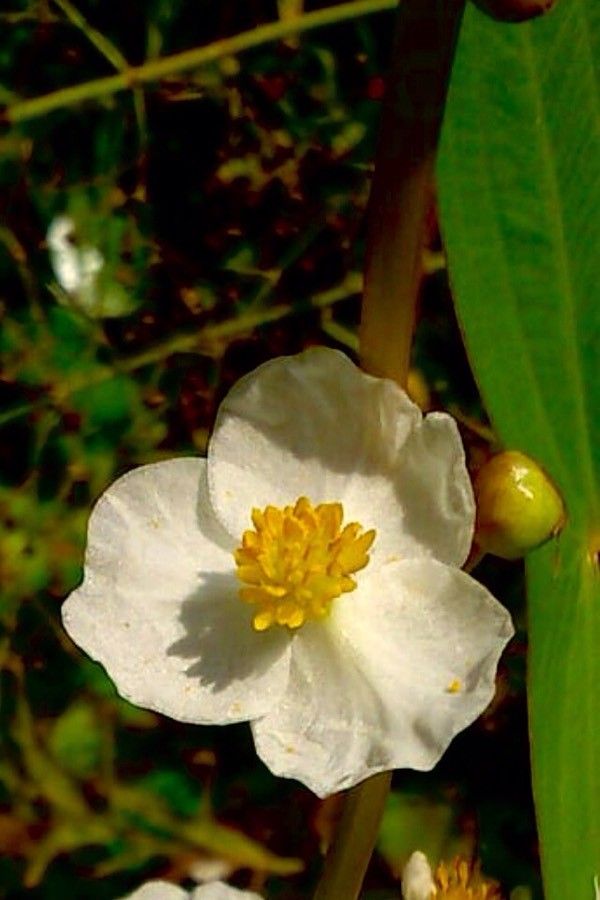
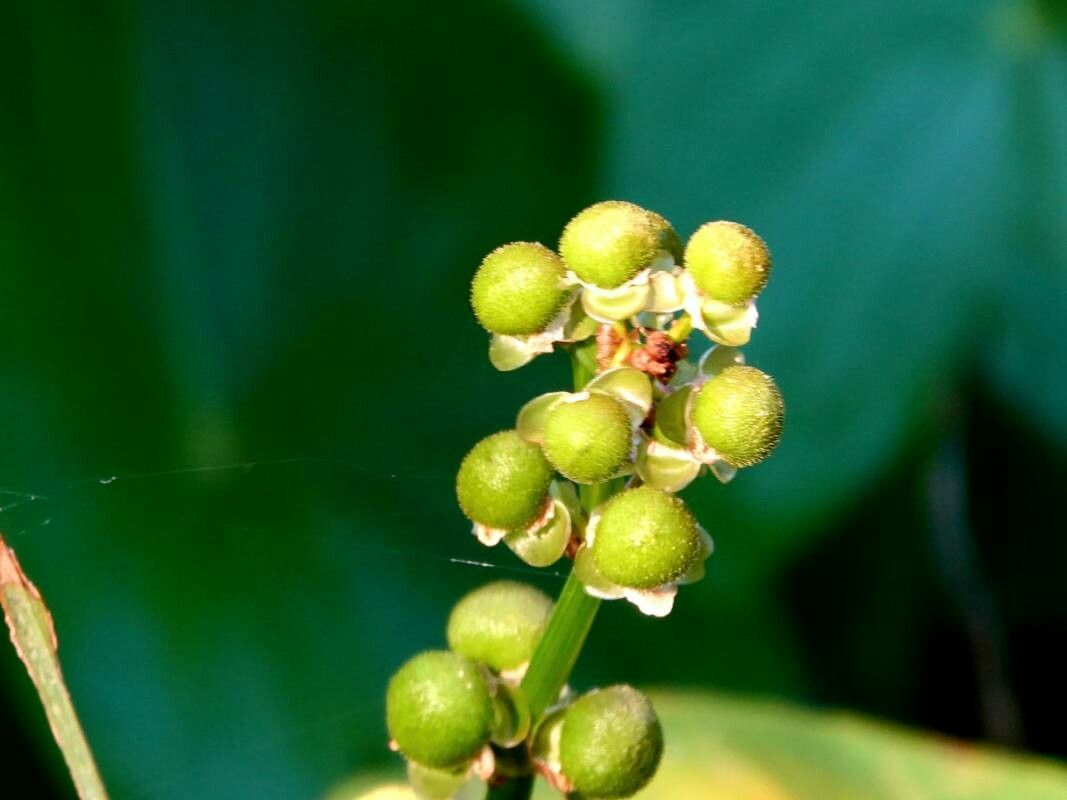
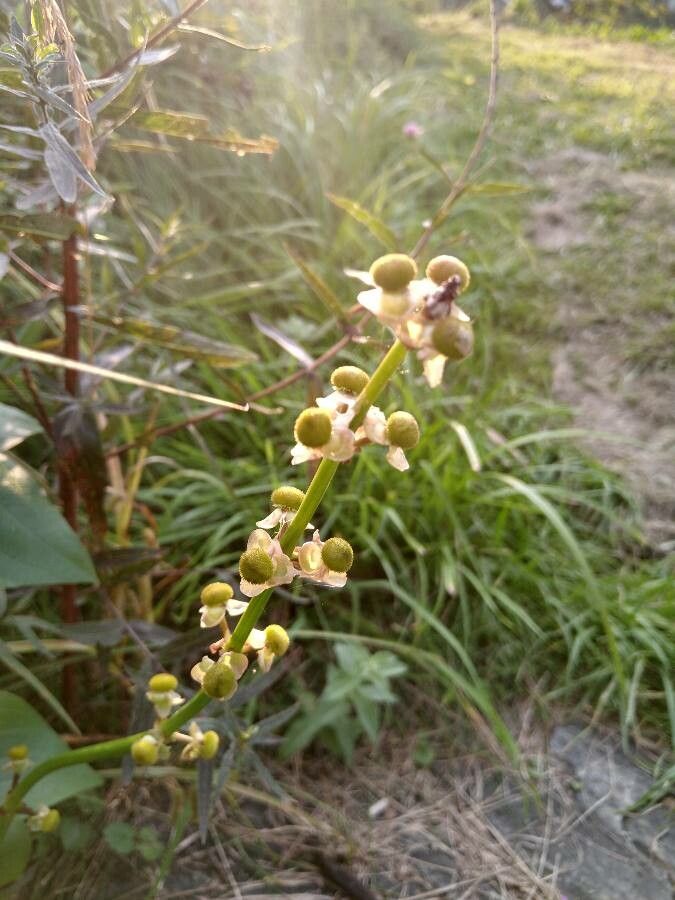
The broadleaf arrowhead produces white flowers with three petals, which bloom from June to September. These flowers are elevated above the water on long stalks that can reach up to 1 meter in height. After the flowering phase, small fruits emerge, containing numerous seeds.
Sagittaria latifolia is a crucial food source for waterfowl, such as ducks and geese, which feed on its seeds. Additionally, muskrats consume its roots. The plant also possesses medicinal properties, including tannins with anti-inflammatory effects.
Widely used for ornamental purposes, the broadleaf arrowhead’s attractive foliage enhances the beauty of ponds or water features in gardens and parks.
Overall, Sagittaria latifolia plays an important ecological and aesthetic role, making it a valuable addition both in its natural habitats and in intentional landscaping.