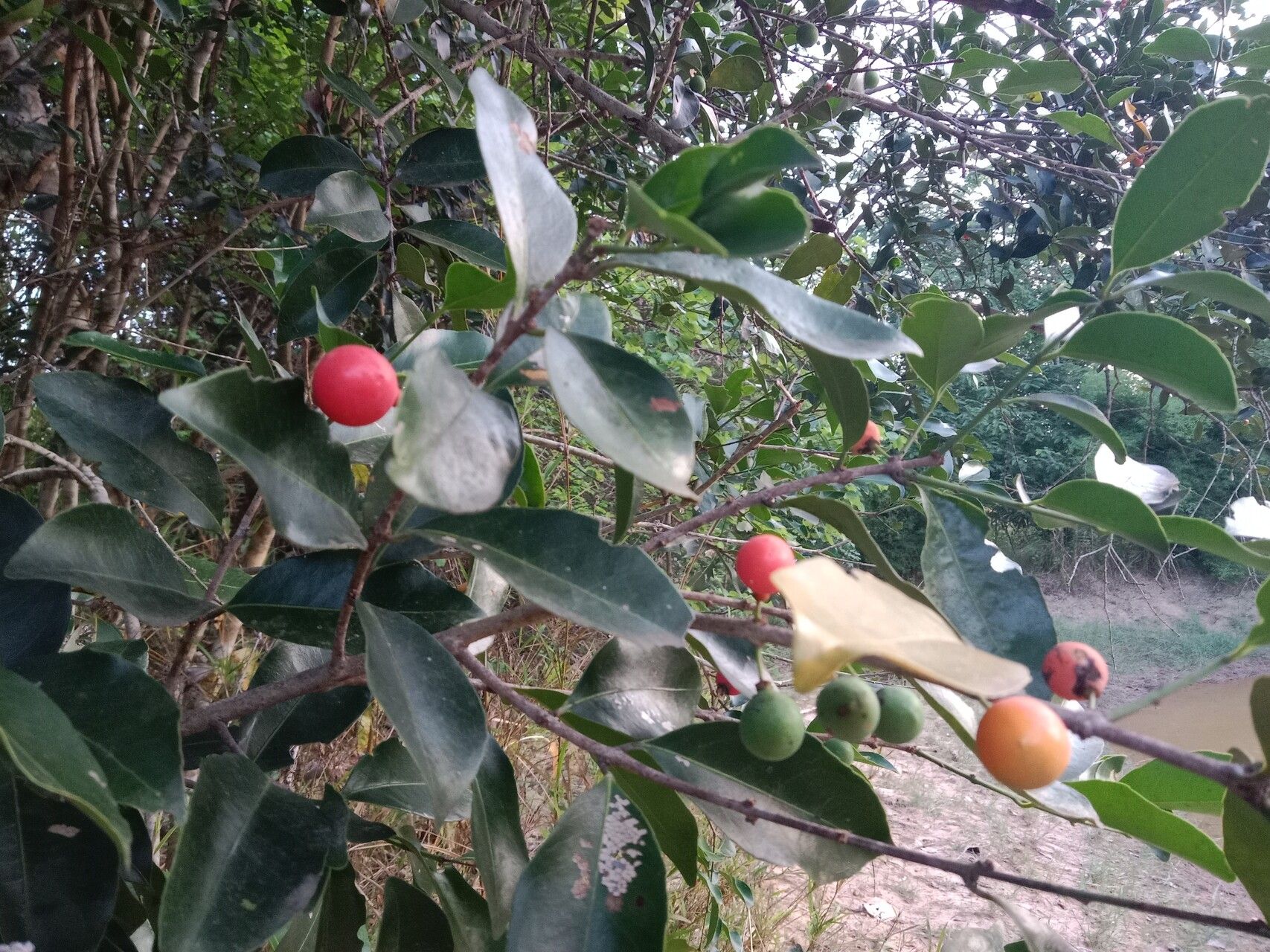
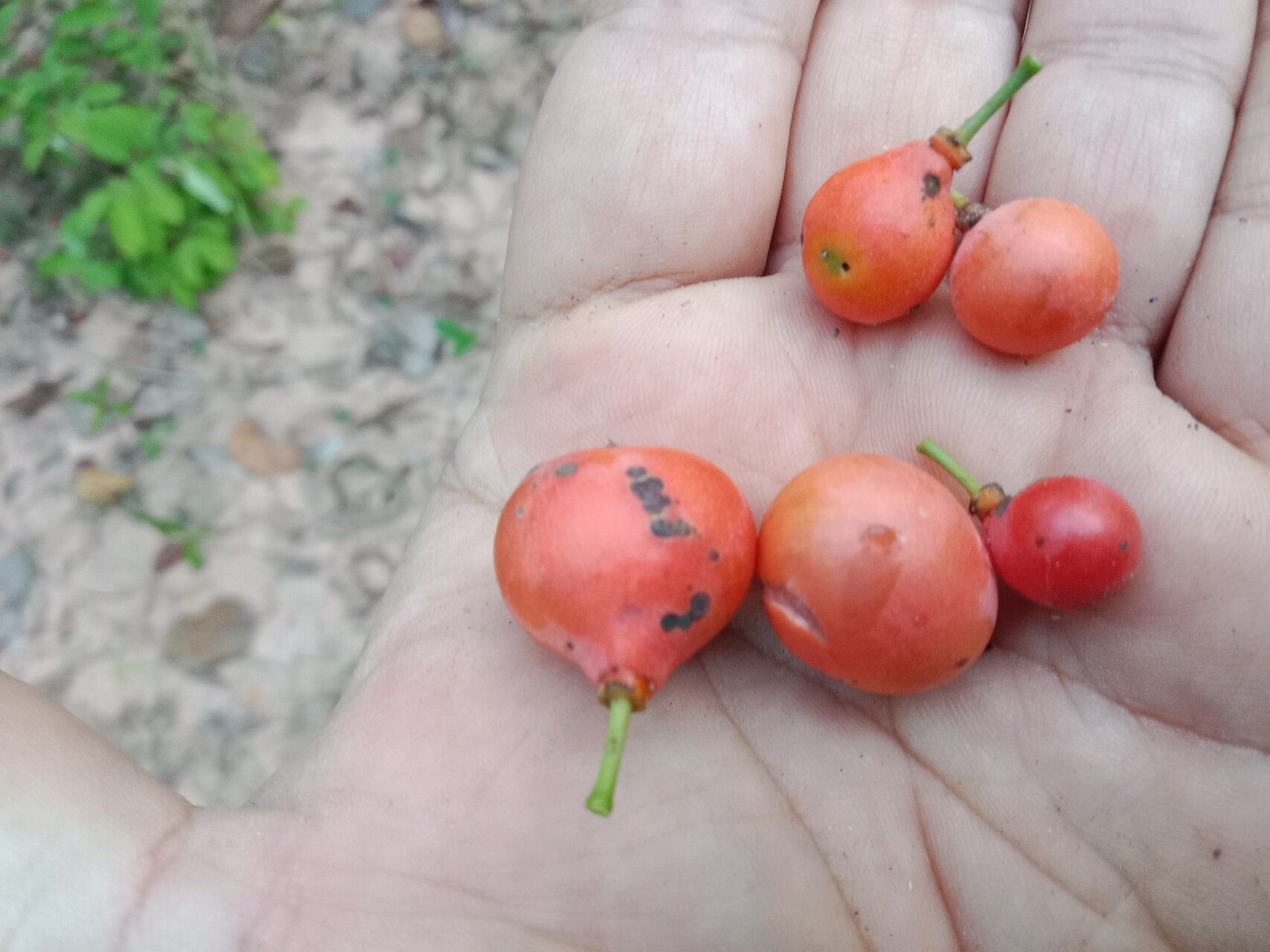
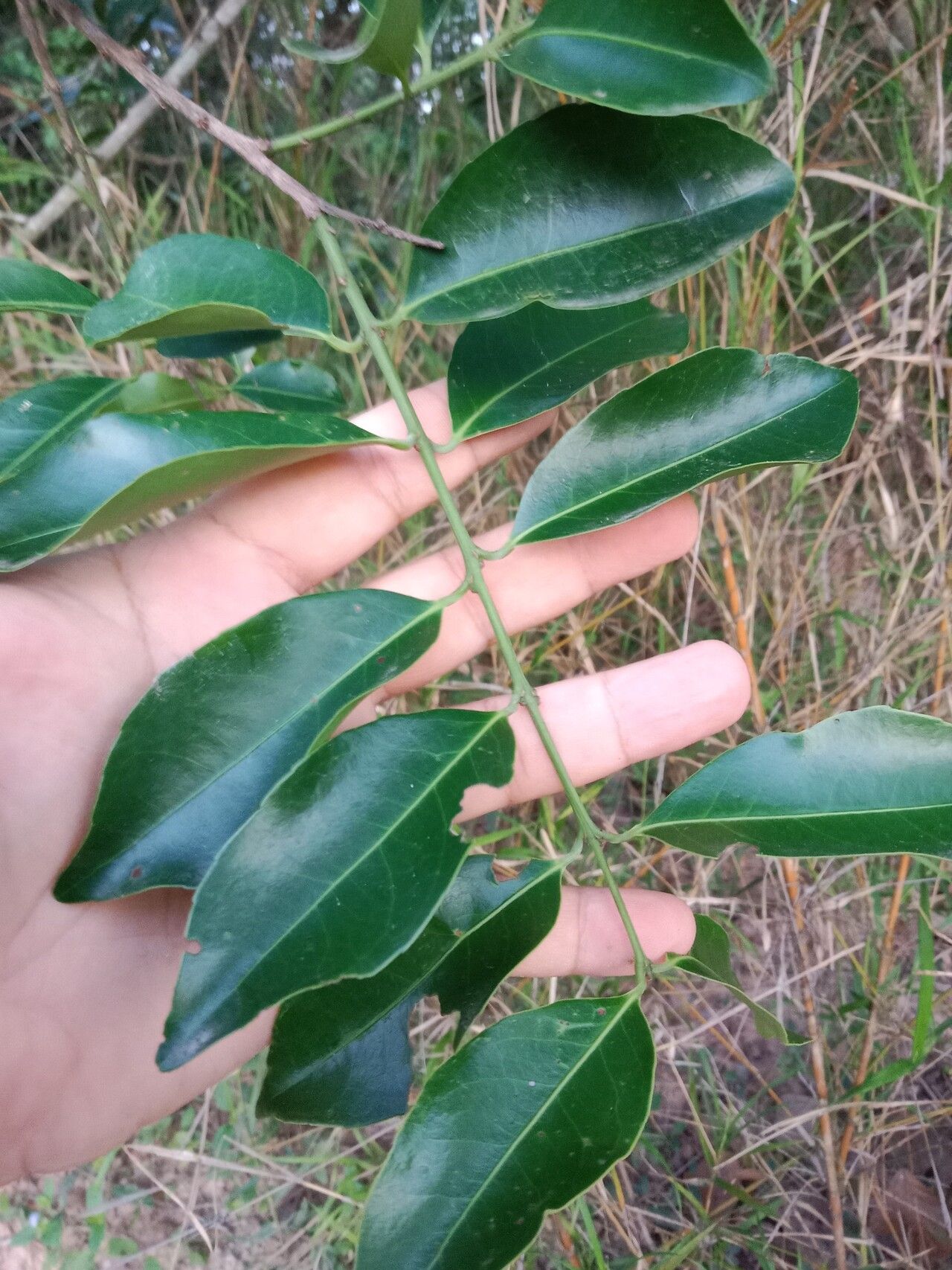
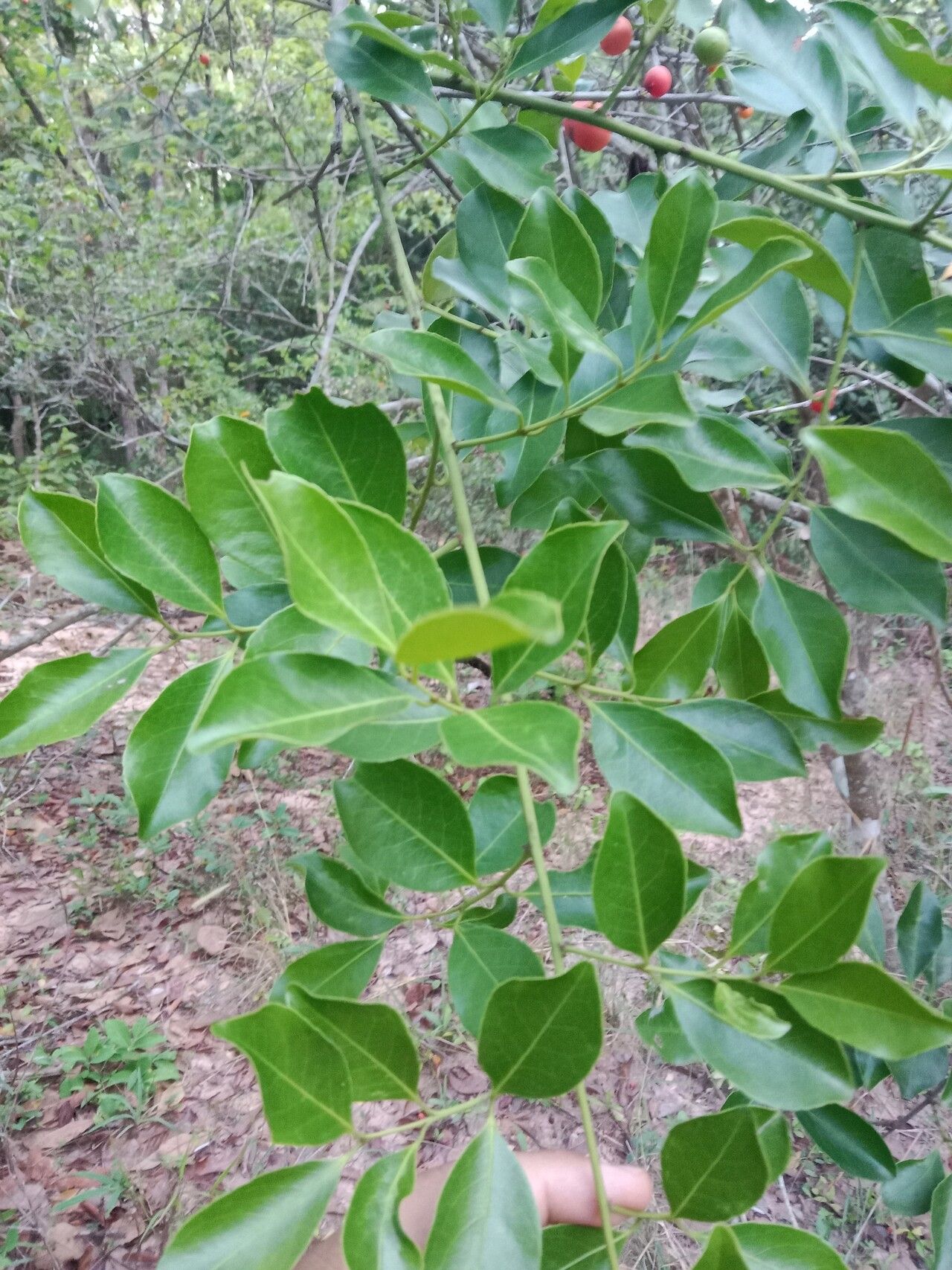
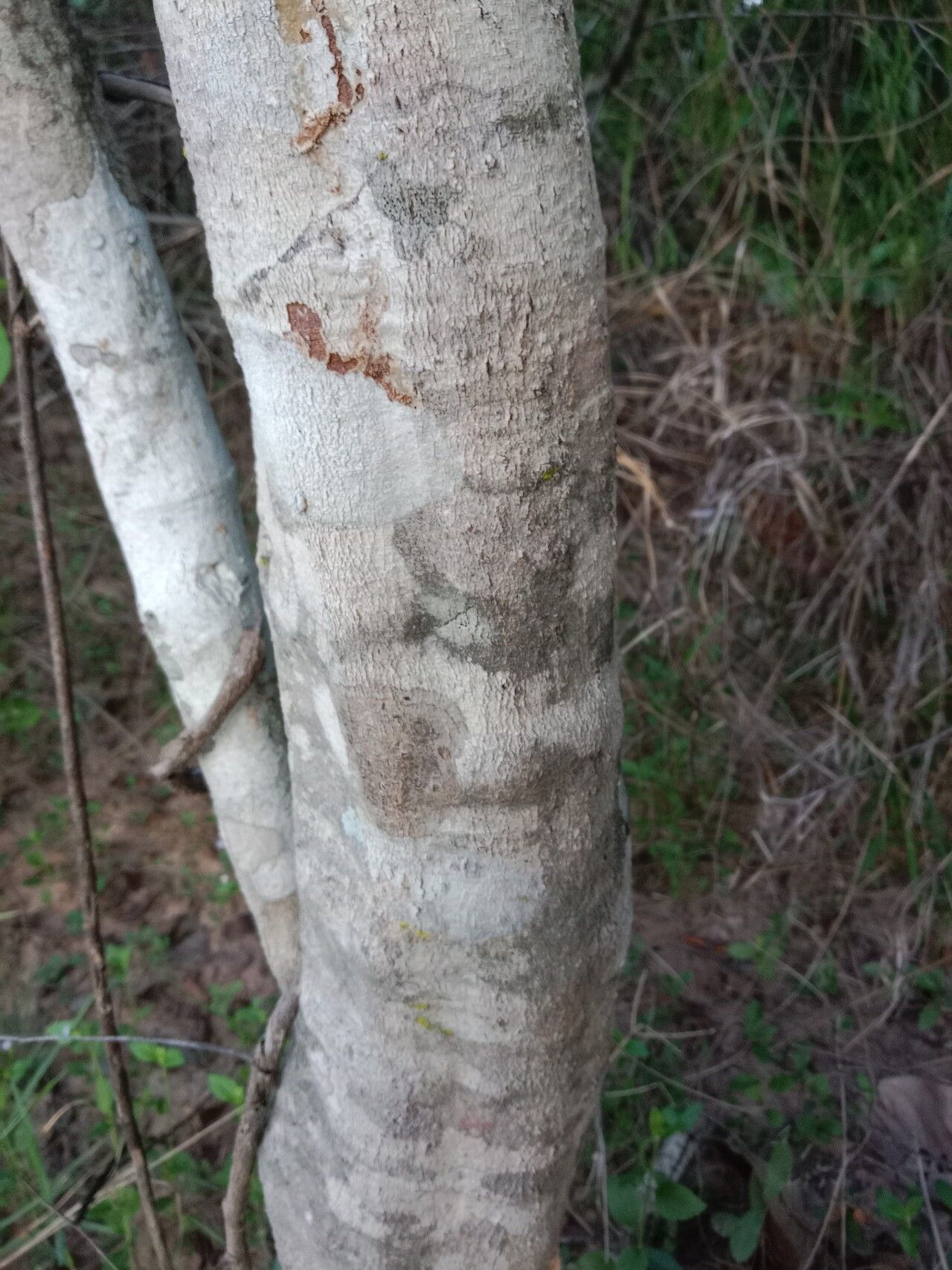
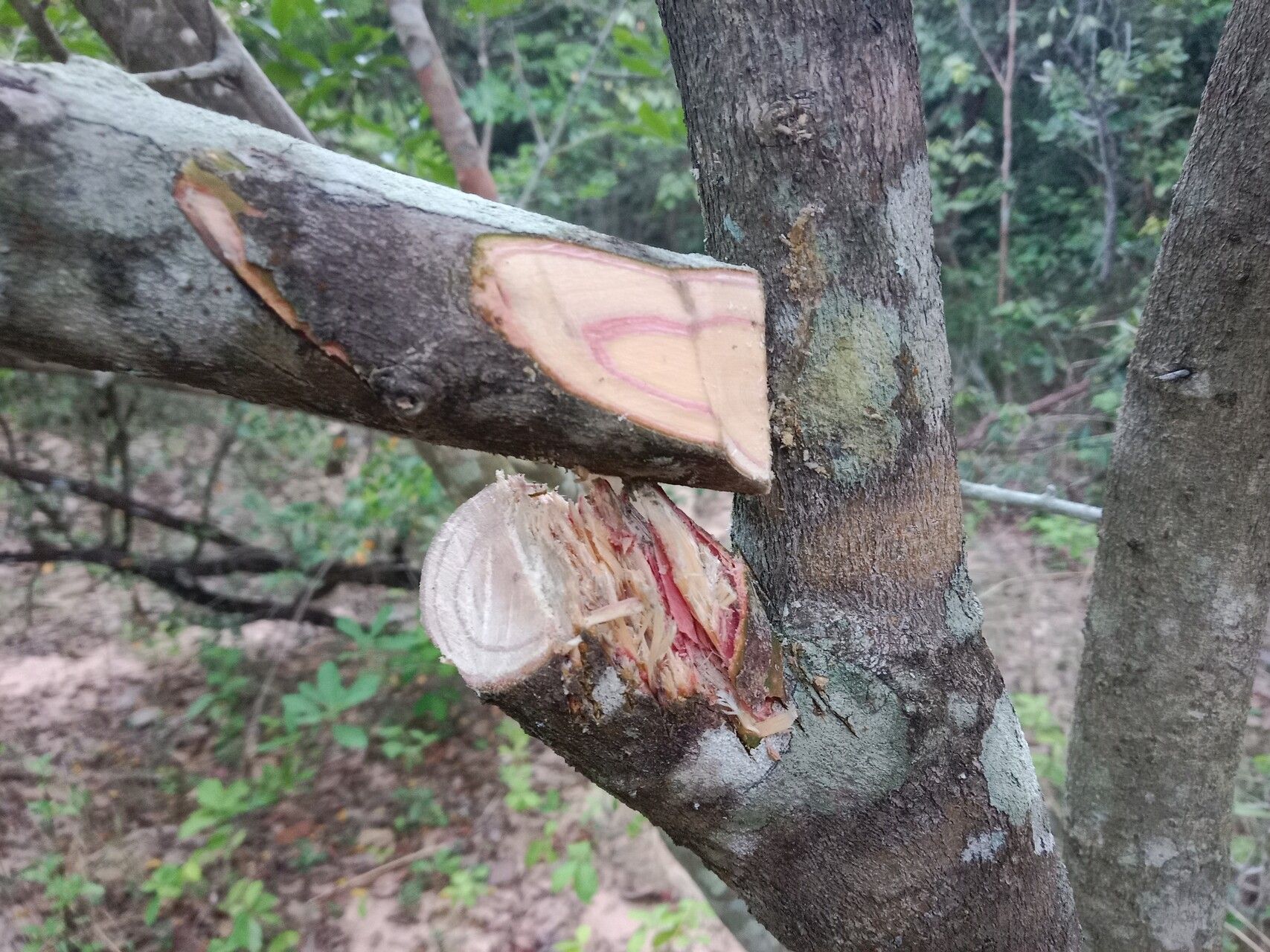
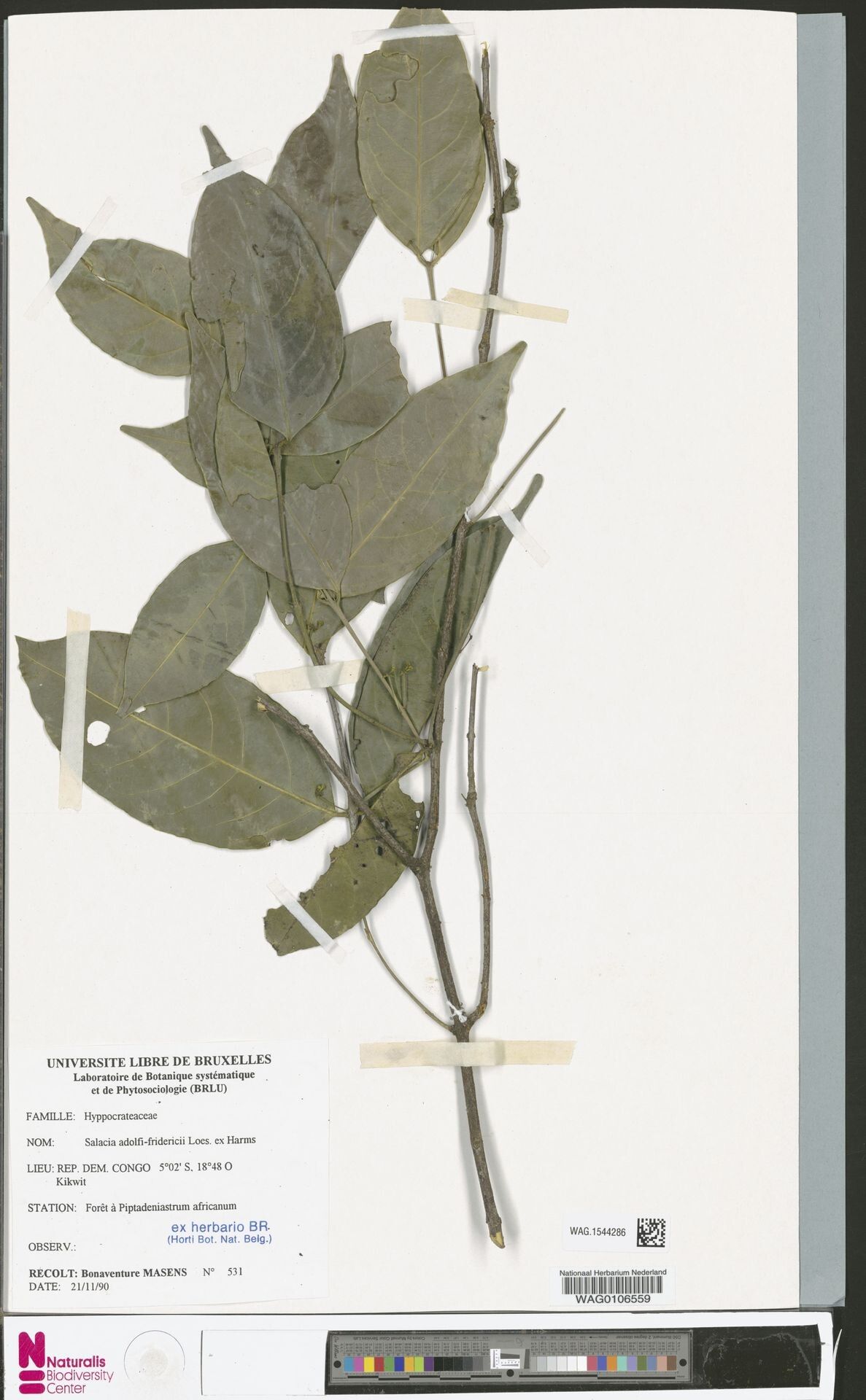
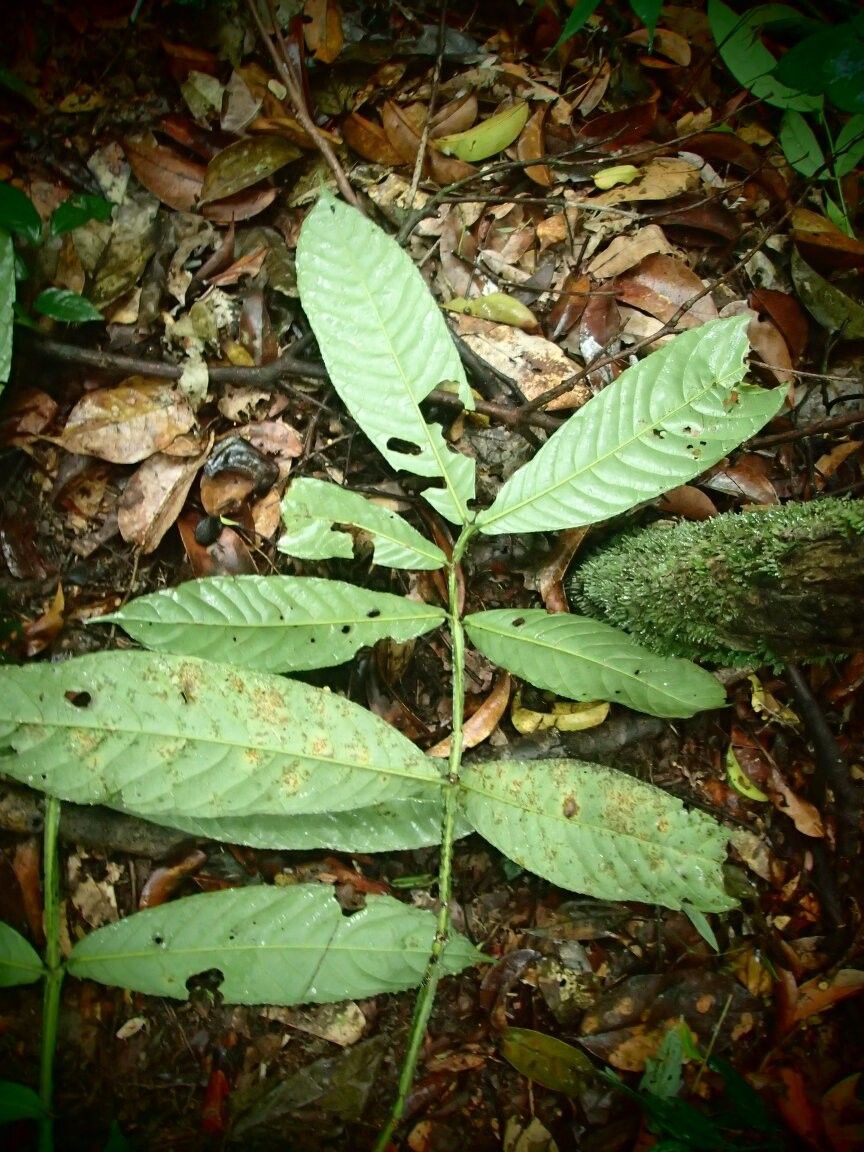
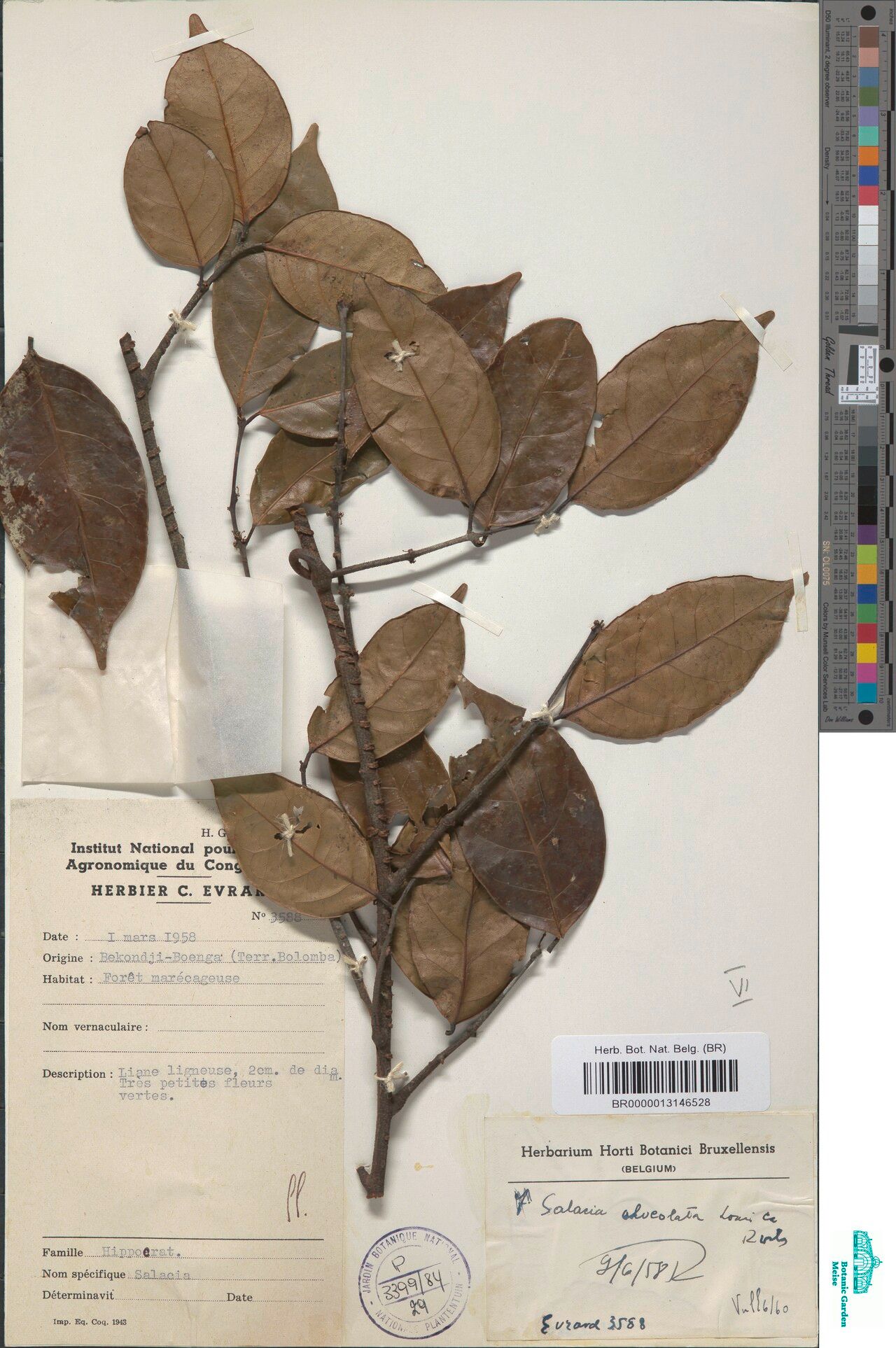
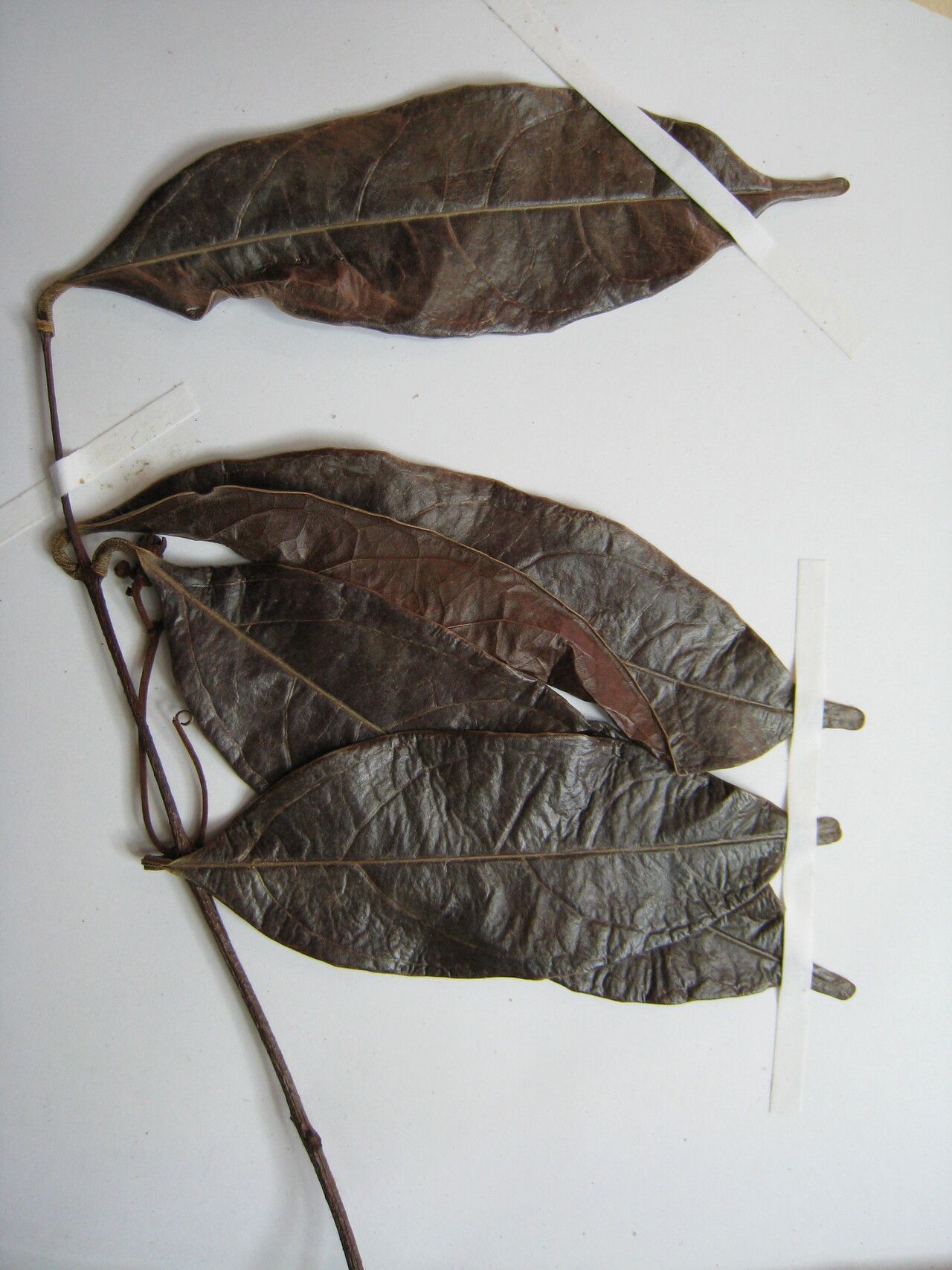
Salacia chinensis is a species of plant in the family Celastraceae. A climbing shrub, it is also known as Chinese salacia, lolly berry, and saptachakra in Ayurveda. The plant is found widespread in South-East Asia and Australoceania.
Holly-leaved berried spindle tree has strong resistance to disease and is generally not susceptible to illnesses. Regarding care, this plant is fairly low-maintenance. When grown outdoors it needs little watering, and larger specimens typically do not require pruning. Smaller plants, however, should be pruned after they have bloomed. Holly-leaved berried spindle tree is appropriate for anyone with outdoor space, such as a garden or deck, and does not demand extensive plant-care experience.
How to keep Salacia Chinensis.
Light
The holly-leaved berried spindle tree originates from settings like forest undergrowth or stony regions, under natural cover. This tree thrives in partially sunny conditions, yet it can accommodate both full sunlight and complete shade, which is indicative of its flexible and robust characteristics.
Temperature
The Holly-leaved berried spindle tree is native to tropical regions that are generally hot and humid. Consequently, it is well-suited to high heat and moisture levels. It doesn't particularly favor sudden shifts in temperature and prefers a consistent temperature setting, so care should be taken to prevent indoor temperature variations. It typically doesn't endure chilly temperatures and needs a warmer environment to grow. If the ambient temperature falls excessively, the plant could stop growing or perish.
Fertilizer
The optimal period to feed a Holly-leaved berried spindle tree is in the opening stages of spring, when it begins to wake from its dormant phase. This intervention encourages overall expansion and the formation of flowers. Fertilizing adds value to the leaves, stems, and branches, while stimulating the growth of big, bright, and enduring flowers. Moreover, it assists in the movement of nutrients from the roots to blossoms, which in turn boosts the tree's health and its ability to resist disease.
Botanical profile.
- Plant Type
- Shrub
- Life Cycle
- Perennial
- Hardiness Zone
- 10-12
- Mature Height
- 3.96 m
- Mature Spread
- 2.13 m to 3.05 m
- Leaf Color
- Dark Green
- Leaf Type
- Evergreen
- Flower Color
- White
- Flower Size
- 0.51 cm
- Bloom Time
- Late spring, Early summer, Mid summer
- Planting Time
- Spring, Summer, Autumn
- Harvest Time
- Late summer, Early fall, Mid fall
- Native Area
- Sri Lanka, India, Malaysia, Indonesia, Cambodia, Vietnam, Myanmar, Philippines, Singapore, Laos, Thailand, China