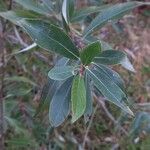
Salix alba
بید سفید · Ιτέα η Λευκή (EL) · White-willow · Golden willow · Cricket-Bat Willow
Description
Source: leafsnapSalix alba, commonly known as white willow, is a deciduous tree from the Salicaceae family. Native to Europe and western Asia, it has been introduced and naturalized in many regions around the world. The tree can reach heights of up to 30 meters, with a trunk diameter of up to 1 meter. The leaves of Salix alba are long and narrow with serrated edges, measuring between 5-10 cm in length. They are green on the top and have a silvery-white underside, which gives the tree its name. The bark of Salix alba is grayish-brown with deep furrows that become more pronounced as the tree ages. The bark contains salicin, a compound used for medicinal purposes such as pain relief. Salix alba prefers moist soils near rivers or wetlands but can also thrive in drier soils. It is frequently used for erosion control due to its extensive root system that helps stabilize soil along riverbanks. In early spring, before the leaves emerge, the white willow produces catkins (flowers) which are pollinated by wind or insects such as bees or flies. The female catkins develop into small capsules containing numerous tiny seeds that are dispersed by the wind. Overall, Salix alba plays an important ecological role by providing habitat for wildlife species such as birds and insects. Additionally, it serves human needs through its medicinal properties and use in erosion control.
💡 White willow is a tree characterized by its low-density wood, allowing it to bend easily. This flexibility makes it perfect for weaving baskets. Additionally, live willow saplings are often shaped into designs to create living fences. Willow trees also contain a natural rooting hormone, making them excellent root stock for grafting other trees.
🌳 The white willow (Salix alba) is a favored garden tree known for its broad, open crown, making it ideal for large gardens or parklands. Its striking silver-green leaves enhance its appeal as a landscape tree. White willow pairs well with various plants, such as bog rosemary, Japanese iris, and rose mallow.
🎭 Sorrow, grief
Care Guide
💧 Water Every 3 days
White willow thrives in moist environments, particularly in riparian zones, and can tolerate brief periods of flooding. It prefers consistently damp soil and usually requires watering every 1-2 weeks. Typically found outdoors, white willow benefits from natural rainfall. Its water needs decrease during the winter dormancy period, which is characteristic of deciduous trees.
When Should I Water My White Willow?
Watering your white willow correctly is essential for its optimal growth, vibrant foliage, and resistance against diseases. You should water your plant when the top 1 to 2 inches of soil feel dry to the touch. Other signs indicating it's time to water include wilted, lackluster leaves, leaves that start to lose their vibrant green color, wilting where the leaves droop and the stems appear weak, curling or twisting leaves, slow or stagnant growth, shriveled or yellowing leaves, and shallow root depth near the soil surface. Also, consider the weather conditions, as high temperatures and strong winds can increase water requirements. Avoid watering too early or too late, as it can lead to root rot or plant dehydration, respectively.
How Should I Water My White Willow?
To water your white willow properly, use a watering can with a long, narrow spout to ensure water is delivered deep to the roots while avoiding oversaturation of the soil surface. Infrequent but deep watering is preferable, supporting deep root growth. Using a moisture meter can help determine when your plant needs watering. Focus on watering the base of the plant to ensure the roots receive necessary hydration and avoid splashing water on the leaves to prevent fungal growth. Plant your willow in well-draining soil and check root health regularly for signs of overwatering. A layer of mulch around the base can help retain moisture and reduce evaporation.
How Much Water Does White Willow Really Need?
The amount of water your white willow needs can depend on several factors, including the plant's size and the pot size. A mature white willow in a large pot may require about 4 to 6 liters per watering session. Properly hydrated white willow plants display lush foliage without wilting or drooping leaves. Overwatering and underwatering can both harm the plant, leading to yellowing leaves, mushy roots, or stunted growth. It’s important to allow the soil to dry out partially between waterings, but avoid prolonged saturation to prevent root rot and ensure healthy growth.
What Kind of Water is Best for White Willow?
Rainwater and room temperature tap water are most suitable for white willow. Rainwater is preferred because of its natural composition and micronutrient content. If using tap water, it’s advisable to let it sit for a day to allow chlorine and fluorides to evaporate, as white willow is sensitive to chlorine and flouride but can tolerate them to some extent. Also, the plant benefits from the minerals in slightly alkaline tap or hard water, though be cautious of excessive specific minerals. If necessary, treat tap water to reduce hardness.
How Do White Willow's Watering Needs Change with the Seasons?
White willow's watering needs vary across the seasons. In spring, water regularly keeping the soil evenly moist to support growth. Summer might require more frequent watering due to higher temperatures. During autumn, reduce watering frequency as the plant enters dormancy, and in winter, water sparingly as the plant requires minimal moisture. Adjust the watering schedule based on the soil moisture level and weather conditions to ensure the health and growth of your willow.
☀️ Light Full sun
The white willow prefers a substantial amount of daily sunlight for healthy growth and to thrive, yet it can also adapt to spots with moderate light. In its native habitat it occurs where sunlight is abundant. Extremely intense sun or too little light can harm its development, but overall it tolerates a wide range of sun exposure.
What are the sunlight requirements for the white willow plant?
The white willow plant, known botanically as Salix alba, thrives under conditions of abundant sunlight. It requires a significant amount of daily sun exposure for optimal growth and development, though it can also tolerate moderate sunlight. Ideally, the plant benefits from locations that offer full to partial sun, translating to above 6 hours of direct sunlight for full sun and about 3-6 hours for partial sun. It's crucial to observe the movement of sunlight through the garden to find spots that offer a harmonious balance of light and shade, ensuring the plant's well-being.
How does artificial lighting benefit white willow plants indoors?
For indoor white willow plants or those not receiving sufficient natural sunlight, artificial lighting serves as an effective supplement. Choosing the right type of artificial light, such as LED lights, is key because these can be tailored to provide specific light wavelengths needed for the plant's growth. The amount of light required varies depending on the plant's natural sunlight needs: full sun plants need 30-50W per square foot, partial sun plants need 20-30W per square foot, and full shade plants need 10-20W per square foot. Additionally, positioning the light source 12-36 inches above the plant and mimicking the natural daylight hours, usually 8-12 hours per day, can promote healthier and faster growth.
What are the signs of insufficient or excessive light exposure in white willows?
White willow plants can exhibit various symptoms when they receive either too little or too much sunlight. Insufficient light may lead to smaller new leaves, leggy or sparse growth, faster leaf drop, slower or halted growth, and lighter-colored new leaves. Conversely, excessive sunlight can cause chlorosis (loss of green color in leaves), sunscald (damaged areas on leaves or stems), leaf curling (a defense mechanism against sunlight), wilting (due to increased water loss), and leaf scorching (brown, dry edges on leaves). Identifying these symptoms early can help in taking corrective measures to restore the plant's health.
What solutions can be implemented for light-related issues with white willows?
To address light-related issues in white willows, consider gradual relocation to sunnier spots for both indoor and outdoor plants, ensuring they get at least 6 hours of direct sunlight daily. Use a south-facing window for indoor plants and keep curtains open during the day for maximum exposure. For large or immobile plants, artificial lighting, such as desk or ceiling lamps left on for at least 8 hours daily or professional grow lights, can provide necessary light. If outdoor plants are in the ground and obstructed by trees, pruning may help increase sunlight exposure. Transplanting smaller plants during their dormant period to sunny locations with good drainage can also be beneficial. Note that while parts of the plant affected by insufficient light may not recover, new growth should be healthy once proper light conditions are met.
🌡️ Temperature 0–32.2°C
White willow occurs naturally in temperate zones where average temperatures range from 0 to 32 ℃ (32 to 89.6 ℉). It favors cool to mild climates and tolerates a variety of conditions, making it a resilient species. During hot summers, appropriate watering helps prevent drought stress.
What conditions do White Willows grow best in?
White willow, known botanically as Salix alba, thrives in temperate regions where the average temperature ranges from 0 to 32°C (32 to 89.6°F). It is well-suited to cool to mild temperatures and exhibits strong adaptability to various conditions, making it a robust plant. Despite its strong cold resistance, ensuring it has adequate water during hot summers is crucial to prevent drought stress. While special frost protection is generally not needed, in extremely cold winters with temperatures dropping below the critical limit (not specified), it's advised to wrap the trunk and branches with non-woven fabric or cloth and water the plant abundantly before the first freeze of autumn to keep the soil moist and help prevent winter and early spring drought.
How do you care for a White Willow in cold temperatures?
White Willow is notably cold-tolerant and manages well in colder climates, performing best when temperatures remain above a certain minimum that is conducive to its growth. During winter, it should be kept above the minimum tolerable growing temperature. If temperatures fall below the growth limit, while there might not be visible issues during winter, the plant can experience brittle and dry branches in spring, with no new shoots emerging. To care for a White Willow in such conditions, it is recommended to prune any dead branches that have failed to produce new leaves in spring, assisting the plant in recovering from cold damage.
What should you do if a White Willow experiences high temperatures?
During the hot summer months, the White Willow should ideally be maintained below the maximum suitable growth temperature to avoid stress. Exceeding the maximum tolerable growing temperature can lead to symptoms such as lighter leaf color, dry and withered leaf tips, and increased susceptibility to sunburn. To mitigate these issues, it is advisable to trim away sunburned and dried parts, relocate the plant to a shaded area, especially during the peak sun of midday and afternoon, or use shade cloth for protection. Additionally, watering the plant in the morning and evening can help maintain soil moisture, providing relief from the heat.
💨 Humidity
🪴 Soil 6-8
🌱 Fertilizer
Fertilize your White willow in early spring to encourage healthy growth. Regular feeding improves overall health, leading to vigorous growth, increased resilience to harsh conditions, and better resistance to diseases and pests. Stick to a consistent fertilization schedule for your White willow to keep the foliage vibrant, deeply colored, and lush in appearance.
Why is it necessary to put fertilizer on my White willow tree?
If you have a White willow plant, no matter the type, it's important to regularly fertilize it for optimal health. Providing the right nutrients will promote strong growth and make your White willow more resistant to difficult growing conditions, as well as diseases and pests. The foliage of your White willow is a key aesthetic feature, so it's crucial to maintain it by following a regular fertilization schedule tailored to your specific plant. This will encourage the development of vibrant, lush leaves with deep colors.
What is the right time to fertilize my White willow?
To ensure healthy growth, it's recommended to fertilize your White willow in late winter or early spring. This gives the tree the necessary nutrients for when the weather becomes warmer. If you live in a warm climate region, providing an extra fertilizer feeding in early fall is also beneficial. This not only supplies additional nutrients for the following growing season but also helps the tree withstand the winter without foliage damage. Fertilizing earlier will allow the new branches to grow stronger and better withstand the cold.
When is the best time to not fertilize my White willow tree?
There are a few occasions when you should avoid fertilizing your White willow. The first is in the early and mid-winter when the tree is dormant and doesn't require feeding. It is also not recommended to fertilize during late spring and summer because the weather tends to be hot and dry, which can have a negative impact on your White willow if it is fertilized. To prevent any issues, it is best to follow a fertilization schedule that involves feeding only in early spring and early fall.
What kind of fertilizer does my White willow tree need?
When it comes to White willows, nitrogen tends to be the most important nutrient, although phosphorus and potassium shouldn't be overlooked. A balanced fertilizer like a 10-10-10 can be effective because White willows generally require a decent amount of all three main nutrients. However, for optimal growth, it's often better to use a fertilizer with a more nuanced ratio of nutrients, particularly one that is higher in nitrogen. A ratio of 10-6-4, for instance, can work well. You have options when it comes to fertilizing - you can choose between using a granular fertilizer or a liquid-based one.
How can I fertilize my White Willow tree?
To fertilize your White willow, you have two options: granular fertilizer or liquid fertilizer. If you choose granular fertilizer, simply sprinkle it on the soil at the right time. This type of fertilizer releases nutrients slowly over time. It's a good idea to lightly water your White willow before applying granular fertilizer. On the other hand, if you prefer liquid fertilizer, mix it with water and pour the mixture around the base of your White willow. Keep in mind that liquid fertilizer is less commonly used. Additionally, it may be helpful to do a soil test before fertilizing to check if you need to adjust the pH.
🪴 Pot & Repot Every 12 months
✂️ Pruning
White willow is a rapidly growing tree characterized by its slender branches and silvery-green leaves. For optimal growth, control of its size, and improved airflow, prune the tree in early spring. Focus on removing any dead, diseased, or overcrowded branches. Use clean and sharp tools to minimize damage and promote vigorous regrowth.
🌿 Propagating
🐛 Diseases & pets
☠️ Toxicity
Characteristics
- Plant Type
- Tree
- Life Cycle
- Perennial
- Genus
- Salix
- Family
- Salicaceae
- Hardiness Zone
- 2-8
- Mature Height
- 10.06 m to 29.87 m
- Mature Spread
- 14.94 m to 21.03 m
- Leaf Color
- Green, Gray, Yellow
- Leaf Type
- Deciduous
- Flower Color
- Yellow
- Flower Size
- 3.05 cm to 5.08 cm
- Bloom Time
- Mid spring, Late spring
- Planting Time
- Spring, Autumn
- Harvest Time
- Early summer, Mid summer
- Native Area
- Europe, northern Africa to central Asia