Salix eriocephala
Heart-leaf willow · Heart-Leaved Willow · Missouri Willow · Missouri River willow · Cottony Willow
Description
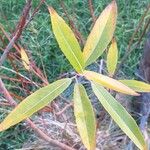
Source: leafsnapSalix eriocephala, known as heart-leaved willow or Missouri River willow, is a species of willow native to a large portion of the temperate United States and Canada.It is usually found as a narrow shrub or small tree with multiple trunks growing to a height of 20 ft (6.1 m). It has dark gray, scaly bark with thick lance-shaped leaves that are hairy underneath. The silky catkins appear before the leaves in early spring.
🎭 Affection, Fortune-telling, Safeguarding
Care Guide
💧 Water
The Missouri River willow is well-suited to the changing moisture conditions found along riverbanks. It thrives in environments with intermittent wetness and even demonstrates moderate drought tolerance. To maintain a healthy balance, water the plant every 2–3 weeks. This willow is an excellent choice for riparian plantings because it helps stabilize soil and provides habitat, all while tolerating varying water levels.
How should I water my Missouri river willow tree in the best way?
To promote excellent root development for your plants, consider following these watering tips. Start by positioning a garden hose at the base of the plant, avoiding direct spraying of the leaves. If the plants are outdoors and exposed to direct sunlight, keep in mind that the leaves may require more watering. Bubblers can be used to moisten the roots individually, while soaker hoses can cover the entire garden or bed and help push the roots deeper into the soil. After adding or removing plants, ensure any excess water is drained and wait for the soil to dry before watering again. It is best to water at ground level to prevent diseases. On a sunny day, it may be beneficial to spray the entire bush with water. Whether your plants are potted or in the ground, keep in mind that Missouri river willow prefers deep watering instead of light sprinkling.
What should I do if I give the Missouri river willow plant too much or too little water?
When a Missouri river willow is overwatered, it will exhibit symptoms such as yellowing, dropping leaves, and wilting. The plant may also appear dull and unhealthy with mushy stems. To mitigate these issues, adjust your watering schedule accordingly. Wilting can also be a sign of under watering, characterized by crispy and dry leaves. In such cases, check the soil, and if it is dry, provide a thorough watering. However, excess water can cause the plant's root system to become damaged, leading to persistent dryness and yellowing of leaves. Once the plant returns to its normal state, the yellowing will cease. For Missouri river willows kept indoors, monitor moisture levels by checking the pot and avoid overwatering. Look for signs of black spots, and if present, allow the soil to dry out for a few days. Overwatering can lead to root rot, so if discolored and slimy roots are observed, consider transferring the plant to a different pot. Prevent root rot by avoiding excessively soggy soil. When planting the Missouri river willow outdoors, ensure proper watering by checking the soil's moisture level. If the soil feels too dry, it may indicate under watering, so provide adequate water to aid in the plant's recovery.
How frequently should I water my Missouri river willow tree?
The Missouri river willow prefers deep, infrequent watering. If planted in pots, be sure to give them a gallon of water at a time since pots have limited water storage and the soil dries out quickly. In cold regions, water every 3 to 5 days, preferably in the morning when the soil is dry. Check the soil to determine if watering is needed - if the top 2-3 inches are dry, it's time for a full watering. On hot days, moisture levels need to be checked daily as heat can dry out the soil rapidly in pots. In gardens, irrigation is necessary too. In hot climates, water once a week when the top 2 to 3 inches of soil are too dry. However, if there's ample rainfall, additional watering may not be needed to avoid root rot. Mulch around 3 to 4 inches deep can help conserve water when the plants are outdoors. Sandy soil requires more frequent watering, while clay soil needs less. To keep track, mark the watering dates on a calendar, and if the leaves start wilting, it may be a sign to water sooner.
How much water should I give my Missouri river willow?
The Missouri river willow typically requires about a gallon of water on a regular basis. For potted plants, it's best to water them deeply until you see water dripping from the bottom of the pot. Then, allow the soil to dry before watering again. To determine how much water you've given your plant in a week, you can use a water calculator or a moisture meter. During the flowering period, it's important to provide plenty of water, but allow the moisture to evaporate afterwards to avoid root rot. If the Missouri river willow is planted outside and receives adequate rainfall, additional watering may not be necessary. However, when the tree is young or newly planted, make sure it receives 1-2 inches of rain per week. As the Missouri river willow continues to grow, it can rely solely on rainfall for hydration. Only when the weather is very hot or there has been no rainfall for 2-3 weeks, should you consider giving the tree a full watering during the cooler parts of the day to prevent damage from heat. Additional watering may be needed during extended dry periods.
Should I water my Missouri river willow more or less depending on the time of year or weather conditions?
The Missouri river willow prefers outdoor conditions and relies on rainwater, except in persistent dry weather when watering is necessary. During the spring and fall, the soil should be kept moist but not soggy, alternating between dry and moist conditions promotes healthy growth. In the summer, hot weather causes water to evaporate quickly, so more frequent watering may be required if there is a lack of rainfall. In winter, less water is needed as the willow becomes dormant. Well-draining soil like terracotta helps water evaporate faster when the willow is dormant. Once the willow begins to leaf out in spring, watering can be skipped as it can rely on rainfall during its dormant period. Good drainage is essential, especially during winter, to prevent ponding and drought when the plant is in bloom. In pots, the willow has limited root growth and should be kept well-watered, especially in summer. Deep soaking once or twice a week, depending on the weather, is preferred over shallow sprinkling to avoid fungal growth and reach the roots. Even in fall and winter dormancy, the willow should not be allowed to completely dry out. It should not be overwatered either, as drowning can be harmful. Applying mulch reduces stress, conserves water, and promotes healthy blooms.
☀️ Light Full sun
The missouri river willow needs unobstructed sunlight to grow well. Its native surroundings are places with plenty of sun, which supports strong development. While the plant can survive with less, a lack of sufficient sunlight may diminish its overall vigor. Excessive sunlight, however, does not seem to be harmful.
What are the sunlight requirements for Missouri River Willow?
The Missouri River Willow requires full sun exposure to facilitate its healthy growth, thriving best in environments where sunlight is abundant for more than 6 hours a day. However, it can still grow under partial sun, receiving about 3-6 hours of sunlight. It’s crucial to monitor the movement of sunlight through your garden to ensure plants receive the right balance of light and shade, which is essential for their well-being.
How does insufficient sunlight affect the Missouri River Willow?
When Missouri River Willow is deprived of adequate sunlight, it may display various symptoms indicative of light deficiency. These include smaller new leaves, leggy or sparse growth, quicker leaf drop, and slower or halted growth. Leaves may also show lighter colors or exhibit chlorosis - turning yellow due to a lack of chlorophyll. Additionally, too much sunlight can lead to sunscald, leaf curling, wilting, and leaf scorching.
Can artificial lighting be used for Missouri River Willow?
Yes, artificial lighting can serve as a vital solution for indoor Missouri River Willow plants when natural sunlight is insufficient. It promotes faster, healthier growth by providing the necessary wavelengths of light. LED lights are a popular choice, offering customizable light spectrums. For full-sun plants, 30-50W/sq ft is recommended, partial sun plants require 20-30W/sq ft, and full shade plants need 10-20W/sq ft. The light source should be placed 12-36 inches above the plant, mimicking natural daylight hours, usually 8-12 hours per day.
What solutions are available to improve light exposure for Missouri River Willow?
To optimize light exposure for Missouri River Willow, gradually move plants to sunnier locations, ensuring at least 6 hours of direct sunlight daily. This can be achieved by utilizing a south-facing window and leaving curtains open. For plants that are large or difficult to move, consider artificial lighting sources such as desk lamps or professional grow lights, keeping them on for at least 8 hours daily. Outdoors, it's important to transition plants to better-lit spots gradually to prevent sunburn. Reducing obstructions, like pruning trees that block sunlight, and transplanting smaller plants during their dormant period to a location with more sunlight and good drainage, are effective strategies.
🌡️ Temperature 5–35°C
Missouri river willow is indigenous to areas with moderate to warm climates, thriving best when temperatures range from 41 to 95 °F (5 to 35 ℃). To ensure optimal growth, adjustments in care may be required during temperature extremes.
What are the ideal temperature conditions for Missouri river willow?
The Missouri river willow thrives in moderate to warm temperatures, performing best in temperature ranges from 41 to 95 °F (5 to 35 °C). Despite its strong cold resistance, special care may need to be taken during extreme temperature conditions to ensure optimal growth.
Does Missouri river willow require frost protection measures during winter?
While the Missouri river willow has strong cold resistance and usually does not require special frost protection measures, it is important to provide some form of cold protection if winter temperatures are expected to drop below -25°C. Wrapping the trunk and branches with non-woven fabric or cloth can offer protection. Additionally, watering the plant abundantly before the first freeze in autumn helps keep the soil moist and protects the plant during winter and early spring.
How should I care for Missouri river willow in low temperatures?
Missouri river willow can tolerate cold weather and is best kept above -20°C during winter. However, when temperatures fall below -25°C, the branches might become brittle and dry by spring, with no new shoots emerging. To counteract these effects, it's recommended to prune away any dead branches in spring that have failed to produce new leaves.
How does high temperature affect Missouri river willow, and how can I mitigate these effects?
During summer, it's crucial to keep Missouri river willow below 35°C. Exceeding 38°C could result in lighter colored leaves, with the tips becoming dry and withered, increasing the plant's susceptibility to sunburn. To protect the plant, trim away sunburned and dried-up parts, move it to a shaded location or use a shade cloth to provide relief from the midday and afternoon sun. Ensuring the soil remains moist by watering in the morning and evening can also help alleviate the effects of high temperatures.
💨 Humidity
🪴 Soil 5-6
🌱 Fertilizer
Fertilize your Missouri river willow in early spring to encourage healthy growth. Regular feeding improves overall health, producing vigorous growth, greater tolerance of harsh conditions, and enhanced resistance to pests and diseases. Keep to a defined fertilization schedule for your Missouri river willow to maintain foliage that is richly colored and lush in appearance.
🪴 Pot & Repot
✂️ Pruning
The Missouri River Willow thrives in moist environments and is characterized by its narrow leaves and stems. For optimal health, prune the plant in early spring to remove dead branches, which encourages healthy growth and improves air circulation. Be sure to use sanitized tools to prevent infections, ensuring the plant remains strong and visually appealing.
🌿 Propagating
🐛 Diseases & pets
☠️ Toxicity
Characteristics
- Plant Type
- Tree, Shrub
- Life Cycle
- Perennial
- Genus
- Salix
- Family
- Salicaceae
- Hardiness Zone
- 5-9
- Mature Height
- 1.83 m to 6.71 m
- Mature Spread
- 3.05 m to 3.96 m
- Leaf Color
- Green, Dark Green
- Leaf Type
- Deciduous
- Flower Color
- White, Yellow, Green
- Flower Size
- 1.27 cm to 5.08 cm
- Bloom Time
- Early spring, Mid spring
- Planting Time
- Spring, Summer, Autumn, Winter
- Harvest Time
- Late spring, Early summer