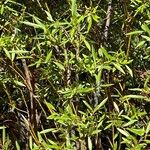
Salix geyeriana
Geyer's willow · Geyer Willow
Description
Source: leafsnapSalix geyeriana is a species of willow known by the common names Geyer's willow, Geyer willow and silver willow. The type specimen was collected by the botanist Karl Andreas Geyer, for whom it was named. Its conspicuous, yellow flowers begin to bloom as early as March, to as late as the end of June.
Care Guide
💧 Water
Geyer's willow needs regular watering, especially for seedlings in the summer, which should be watered daily. Mature plants are more resilient, as they can withstand both drought and water-logged conditions. Adjust your watering schedule according to the soil's moisture level, ideally around 5 p.m. Reduce the frequency of watering during periods of rain.
☀️ Light Full sun
Geyer's willow is native to open habitats, like sunlit meadows and forest edges, that offer abundant light. It does best in Full Sun but will also tolerate Partial Sun, remaining adaptable to different light conditions.
What are the sunlight requirements for Geyer's willow (Salix geyeriana)?
Geyer's willow (Salix geyeriana) thrives in various sunlight conditions. It requires full sun, which means it should receive above 6 hours of sunlight daily, to flourish optimally. However, it can also grow in partial sun conditions, where it gets about 3 to 6 hours of sunlight. It's essential to observe how sunlight moves through your garden, allowing you to choose the best spots that offer a perfect balance of light and shade. This ensures that the plants remain happy and healthy.
🌡️ Temperature 0–32.2°C
Geyer's willow shows strong adaptability to a range of climate conditions, from very hot summers to cold winters. Still, it has an optimal temperature range for growth. If temperatures become too high, the plant is vulnerable to heat and humidity stress, which can cause it to die. In areas where temperatures approach the lower limit of its cold tolerance, it is important to provide insulation to protect the plant.
💨 Humidity
🪴 Soil 6-7
🌱 Fertilizer
Fertilize your Geyer's willow in early spring to encourage healthy growth. Regular feeding improves overall health, resulting in vigorous development, greater tolerance of harsh conditions, and enhanced resistance to pests and diseases. Stick to a consistent fertilization schedule for your Geyer's willow to ensure vibrant foliage with deep color and a lush appearance.
🪴 Pot & Repot
✂️ Pruning
Geyer's willow is a deciduous shrub known for its flexible stems and rapid growth. To keep it healthy and well-maintained, prune the shrub in early spring. This allows you to remove any dead wood and thin out older stems, which improves air circulation. By pruning annually, you can control the shrub's size and promote new growth. Be sure to make clean cuts to prevent disease, and follow expert techniques for the best results.
🌿 Propagating
🐛 Diseases & pets
☠️ Toxicity
Characteristics
- Plant Type
- Tree, Shrub
- Life Cycle
- Perennial
- Genus
- Salix
- Family
- Salicaceae
- Hardiness Zone
- 2-7
- Mature Height
- 2.13 m to 3.96 m
- Mature Spread
- 1.52 m to 3.05 m
- Leaf Color
- Silver, Light Gray
- Leaf Type
- Deciduous
- Flower Color
- Yellow
- Flower Size
- 1.02 cm to 2.03 cm
- Bloom Time
- Early spring, Mid spring
- Planting Time
- Spring, Autumn
- Harvest Time
- Late spring, Early summer