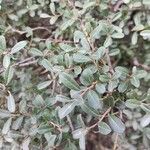
Salix glauca
Arctic gray willow · Grayleaf willow · Gray-Leaf Willow · Glaucescent Willow · Arctic grey willow
Description
Source: leafsnapSalix glauca is a species of flowering plant in the willow family known by the common names gray willow, grayleaf willow, white willow, and glaucous willow. It is native to North America, where it occurs throughout much of Alaska, northern and western Canada, and the contiguous United States south through the Rocky Mountains to northern New Mexico. It can also be found in Greenland, northwestern Europe, and Siberia.
Care Guide
💧 Water
The grayleaf willow needs regular watering, especially for seedlings during the summer. It's best to water mature plants around 5 p.m. each day, but you should adjust this schedule depending on the amount of rainfall. While mature plants are drought-resistant and can tolerate being waterlogged, it's important to avoid overwatering during wet periods.
☀️ Light Full sun
Grayleaf willow comes from open habitats, such as sunny meadows and forest edges, that supply abundant light. It thrives in Full Sun but can also tolerate Partial Sun, adjusting well to various sunlight conditions.
What are the sunlight requirements for Grayleaf Willow?
Grayleaf Willow, or Salix glauca, thrives best when it receives the right balance of sunlight. For optimal growth, it requires full sun, which means the plant should receive above 6 hours of sunlight daily. However, it can also grow in partial sun conditions, which equates to about 3-6 hours of sunlight each day. It's important to observe the movement of sunlight through your garden to identify spots that offer the ideal mix of light and shade, ensuring the wellbeing of your plants.
Why is it important to observe sunlight movement in my garden for planting Grayleaf Willow?
Observing the movement of sunlight throughout your garden is crucial when planting Grayleaf Willow to ensure that you choose locations that provide the perfect balance of light and shade. This approach helps in catering to the plant's needs for both full sun (above 6 hours of sunlight) and partial sun (about 3-6 hours of sunlight) conditions. By carefully selecting the right spots based on sunlight exposure, you can significantly contribute to the happiness and health of your Grayleaf Willow.
🌡️ Temperature 0–32.2°C
Grayleaf willow thrives in northern areas and high mountain zones. It is very sensitive to temperature and prefers cool conditions with good ventilation in summer. Excessive heat during summer can damage Grayleaf willow and may even kill it. Providing adequate shade and regular misting in hot summer months can help it get through the season successfully. In general, Grayleaf willow does not need special winter protection, but it is important to water it well before the ground freezes.
What is the Grayleaf Willow?
The Grayleaf Willow, also known by its botanical name, Salix glauca, is a species of willow. There is no additional information provided about the essentials of the Grayleaf Willow, such as its uses, care, or habitat, nor is there any information on symptoms related to this plant.
💨 Humidity
🪴 Soil 6-7
🌱 Fertilizer
Fertilize your Grayleaf willow in early spring to encourage healthy growth. Regular feeding improves the tree's overall health, producing vigorous growth, greater tolerance of harsh conditions, and stronger resistance to diseases and pests. Follow a set fertilization schedule for your Grayleaf willow to maintain vibrant, deeply colored foliage and a lush appearance.
🪴 Pot & Repot
✂️ Pruning
The Grayleaf willow, recognized for its silvery-green leaves, benefits greatly from pruning in early spring. The essential techniques include removing dead branches, shaping the plant to maintain its natural form, and thinning out crowded areas to improve air circulation. Regular pruning encourages healthy growth, helps control the plant's size, and reduces pest problems, ensuring it thrives.
🌿 Propagating
🐛 Diseases & pets
☠️ Toxicity
Characteristics
- Plant Type
- Shrub
- Life Cycle
- Perennial
- Genus
- Salix
- Family
- Salicaceae
- Hardiness Zone
- 2-7
- Mature Height
- 0.91 m to 3.05 m
- Mature Spread
- 0.91 m to 2.13 m
- Leaf Color
- Gray, Light Gray
- Leaf Type
- Deciduous
- Flower Color
- Yellow
- Flower Size
- 2.03 cm to 4.06 cm
- Bloom Time
- Mid spring, Late spring
- Planting Time
- Spring, Summer
- Harvest Time
- Early summer, Mid summer