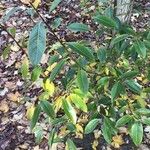
Salix pentandra
Bay willow · Laurel willow · Bay-leaf Willow · Bay-leaved willow · Long-leaved Bay Willow
Description
Source: leafsnapSalix pentandra, commonly known as Bay Willow or Laurel Willow, is a deciduous tree belonging to the Salicaceae family. Native to Europe and Western Asia, it can grow up to 20 meters tall. The tree features a straight trunk topped with a broad crown of branches that form an oval or rounded shape. The leaves of Salix pentandra are simple, alternate, and lanceolate with serrated edges. They are dark green on top and lighter underneath. The flowers appear in early spring before the leaves emerge; these yellowish-green catkins can grow up to 10 cm long. Salix pentandra thrives in moist soils, such as those found along riverbanks or in wetlands, but it can also tolerate drier soils if they have good drainage. It is often used for erosion control due to its extensive root system, which helps stabilize soil along riverbanks. Historically, the wood of Salix pentandra has been used for various purposes, including making baskets, furniture, paper pulp, and fuelwood, thanks to its flexibility and durability. Overall, Salix pentandra is ecologically significant due to its ability to stabilize soil along waterways while providing habitat for various wildlife species, such as birds that use it for nesting sites during the breeding season.
🌳 Beyond its familiar uses in furniture and basketry, black willow fulfills an important role. It has been used in environmental remediation because it can take up heavy metals from soil, aiding in the cleanup of contaminated land. Its extensive root system also helps stabilize soil, preventing erosion and encouraging the formation of habitat for wildlife.
🎭 Affection, Fortune-telling, Safeguarding
Care Guide
💧 Water Every 7 days
The Bay Willow thrives in moist environments and prefers consistent moisture, requiring watering every three weeks. Although it is moderately drought-tolerant and can benefit from natural rainfall, it may still need additional watering during dry spells. This is especially true in cooler climates where soil moisture is usually more ample.
How should I water my Bay Willow plant?
To ensure excellent root development, consider using a garden hose at the base of the plant rather than spraying the leaves directly. If the leaves are outdoors and exposed to direct sunlight, they will need more watering. You can also use bubblers or soaker hoses to moisten the roots. When adding or removing plants, use soaker hoses to ensure deep root growth across the entire garden or bed. After watering, drain any excess water and wait for the soil to dry before watering again. Watering at ground level can help prevent diseases. On a sunny day, it's beneficial to spray the entire bush with water. Whether your Bay Willow is potted or in the ground, remember that it prefers deep watering rather than light sprinkling.
What do I do if I give too much or too little water to Bay Willow?
A Bay Willow that is overwatered may experience yellowing, wilting, and dropping leaves. The plant may also appear unhealthy with mushy stems. If you notice these signs, try adjusting your watering schedule. However, wilting can also be a sign of underwatering, which may cause crispy and dry leaves. If the soil is dry and watering alone is not enough, give the plant a thorough watering. Although this will help the Bay Willow recover, it may still have dry and yellow leaves due to damage to the root system. Once the plant returns to normal, the yellowing leaves will stop. If you have a Bay Willow indoors, always check the moisture levels in the pot and avoid overwatering. Look for signs of black spots, as this may indicate the need for the soil to dry out for a few days. Overwatering can lead to root rot, so it may be necessary to transfer the plant to a different pot if you notice discolored and slimy roots. Take precautions to prevent root rot and avoid making the soil too soggy. When planting a Bay Willow outdoors, make sure to dig deeper and check the soil moisture with your fingers. If it feels too dry, it may be a sign of underwatering. Provide adequate watering to help the plant recover.
How often do I need to water my Bay Willow?
The Bay Willow prefers to be watered deeply but infrequently. Especially when planted in pots, it is recommended to soak them in a gallon of water each time. Potted plants have limited water storage and the soil tends to dry out faster. In cold regions, watering is necessary every 3 to 5 days. It is best to water the plant early in the morning when the soil is dry, whether it is located outdoors or indoors. To determine if watering is needed, check the soil. When the top 2-3 inches of soil are dry, it is time to give the plant a thorough watering. During hot days, check the moisture daily as the heat can quickly dry out the pot's soil. If you have a garden, irrigation of the soil is also necessary. In hot climates, watering once a week is recommended. Water only when about 2 to 3 inches of soil becomes too dry, whether the plant is outdoors or indoors. Take into consideration the amount of rainfall the plant receives and do not water if there is already sufficient water. Bay Willow typically grows in the spring and fall. When the plant is outdoors, adding mulch about 3 to 4 inches deep helps to conserve water. In sandy soil, plants may need to be watered more frequently as it drains water faster. However, in clay soil, watering can be done less frequently, allowing 2-3 days for the plant to dry out and prevent root rot. To help keep track of watering, mark the date on the calendar and take note if the leaves start to droop, as this could indicate watering is needed sooner.
How much water should I give my Bay Willow plant?
The Bay Willow generally needs about a gallon of water on a regular schedule. For potted plants, make sure to water them deeply until you see water dripping from the bottom of the pot. Then, wait for the soil to dry before watering again. Use a water calculator or moisture meter to track how much water you're giving your plant each week. During the flowering period, give the plant plenty of water but let the moisture evaporate to prevent root rot. If the Bay Willow is planted outdoors and receives adequate rainfall, it may not need extra watering. However, when the Bay Willow is young or newly planted, make sure it gets 1-2 inches of rain per week. As the plant grows, it can rely on rainfall alone. Only when the weather is extremely hot or when there is no rainfall for 2-3 weeks should you give the Bay Willow a full watering during the cooler part of the day to avoid heat damage. Additional watering will be needed during long dry spells.
Should I change how often I water my Bay Willow plant based on the time of year or the weather?
The Bay Willow prefers rainfall but can tolerate dry weather. During the growing seasons, the soil should be kept moist but not soggy. Alternating between dry and moist conditions is beneficial for its growth. In the summer, hot weather can cause water to evaporate quickly. If there is a lack of rainfall, more frequent watering is necessary. During winter, the Bay Willow needs less water as it goes dormant. Well-draining soil like terracotta helps water evaporate faster. During dormancy, watering can be skipped, relying on fall and winter rains. Cultivate and encourage growth in spring when the temperature rises. Ensure good drainage at all times and avoid ponding or drought. In pots, limited root growth requires careful watering, especially in summer. Deep soaks are preferred over shallow sprinkles to avoid fungal growth and reach deep into roots. Even during dormancy, avoid letting the plants dry out completely. Excessive water can be harmful, causing root rot. Apply mulch to reduce stress, conserve water, and support healthy blooms.
☀️ Light Full sun
Black willow does best when it receives uninterrupted sunlight throughout the day, though it can also tolerate moderate, filtered light. This adaptability allows the plant to maintain its health and promote its growth. Excessive sun or insufficient light can harm its vigor and development.
What are the sunlight requirements for Bay Willow?
Bay Willow thrives best with generous exposure to sunlight, ideally flourishing in conditions that mirror its native habitat's ample, yet not overwhelming, solar presence. It requires full sun, which means more than 6 hours of direct sunlight per day, though it can tolerate partial sun, about 3-6 hours of sunlight. Extended periods in low light may affect the plant's health and vigor. It's essential to observe how sunlight moves through your garden, aiming for locations that offer an optimal mix of light and shade to ensure the plant's well-being.
Can Bay Willow be grown indoors and how should artificial lighting be managed?
Yes, Bay Willow can be grown indoors, especially in situations where natural sunlight is insufficient, such as during winter or in dimly lit spaces. Adequate lighting becomes crucial for indoor growth, where artificial light sources can significantly aid. LED lights are recommended due to their ability to be tailored to provide specific light wavelengths needed by plants. For full sun plants, 30-50W per square foot is needed; partial sun plants require 20-30W per square foot, and full shade plants need 10-20W per square foot. The light should be placed 12-36 inches above the plant and remain on for 8-12 hours a day to mimic natural daylight conditions effectively.
What are the signs of insufficient light exposure in Bay Willow?
When Bay Willow does not receive enough light, several symptoms may manifest, including smaller new leaves, leggy or sparse growth, premature leaf drop, halted or nonexistent new growth, and unusual paleness in new leaves, indicating a deficiency in chlorophyll and essential nutrients. Additionally, symptoms like chlorosis (yellowing leaves), sunscald, leaf curling, wilting, and leaf scorching may occur due to various sunlight-related stresses, either from excessive exposure or insufficient sunlight.
How can I address Bay Willow's symptoms related to sunlight exposure?
To mitigate sunlight-related symptoms in Bay Willow, gradual adjustment to sunlight is key. For indoor plants needing more light, incrementally moving them to spots receiving at least 6 hours of direct sunlight daily is recommended, utilizing south-facing windows for natural light or artificial lighting for at least 8 hours a day. Outdoors, plants should be gradually transitioned to sunnier locations to prevent sunburn. If sunlight blockage is an issue, pruning or transplanting during dormant periods to areas with better light exposure and drainage can help. It's important to note that while parts of the plant affected by poor light might not recover, new growth should be healthy following these adjustments.
🌡️ Temperature 5–35°C
The black willow is a temperate woody plant that grows best at temperatures between 41 and 95 ℉ (5 and 35 ℃). It originates from areas with cooler summers and mild winters, where temperatures usually stay within that range. In warmer regions, the plant may need extra watering to keep conditions within its preferred range during hotter periods. During winter, the black willow enters dormancy and can tolerate colder temperatures from 23 to 32 ℉ (-5 to 0 ℃).
What is the ideal temperature range for a Bay Willow?
The Bay Willow thrives in environments where the temperature ranges from 32 to 95°F (0 to 35°C). This plant prefers moderate temperatures and has a strong resistance to cold. To maintain temperature equilibrium, especially during the warmer months, it's advisable to provide extra shading for the plant. However, even with its cold resistance, if temperatures are expected to drop below -35°C, it's important to protect the plant from cold by wrapping the trunk and branches with materials like non-woven fabric or cloth. Additionally, watering the plant abundantly before the first freeze in autumn helps ensure the soil stays moist and enters a frozen state, preventing drought and water scarcity during the winter and early spring months.
How does low temperature affect Bay Willow, and what are the solutions?
Bay Willow is notably cold-tolerant, best thriving when temperatures stay above 0°C. It generally remains healthy throughout the winter if temperatures are kept above -30°C. However, when temperatures drop below -35°C, the branches might not show immediate distress but can become brittle and dry by spring, failing to produce new shoots. To mitigate this, it is recommended to prune away any dead branches that have not produced new leaves come springtime.
What should be done when Bay Willow experiences high temperatures?
During the summer months, it's crucial to ensure the Bay Willow's temperature does not exceed 35°C. Exposing the plant to temperatures above 38°C can result in lighter-colored leaves, with the tips becoming dry and withered, increasing susceptibility to sunburn. In such situations, you should trim away the sunburned and dried parts of the plant. Moving the plant to a shaded location or employing a shade cloth to protect it from the midday and afternoon sun helps mitigate damage. Additionally, watering the plant in the morning and evening will help keep the soil sufficiently moist.
💨 Humidity
🪴 Soil 6-7
🌱 Fertilizer
To encourage healthy growth, fertilize your Black willow in early spring. Regular feeding improves overall health, producing vigorous growth, greater resilience to harsh conditions, and increased resistance to diseases and pests. Keep a consistent fertilization schedule for your Black willow to preserve lush foliage with deep color and a full appearance.
🪴 Pot & Repot
✂️ Pruning
Bay Willow is a hardy, fast-growing shrub known for its glossy green leaves and fragrant yellow catkins. To keep the plant healthy and vibrant, prune it in early spring. This will help shape the shrub, remove any dead wood, and control its size, encouraging robust growth and lush foliage. When pruning, use clean and sharp tools to ensure precise cuts and maintain the plant's vigor.
🌿 Propagating
🐛 Diseases & pets
☠️ Toxicity
Characteristics
- Plant Type
- Tree
- Life Cycle
- Perennial
- Genus
- Salix
- Family
- Salicaceae
- Hardiness Zone
- 4-9
- Mature Height
- 21.34 m to 24.38 m
- Mature Spread
- 9.14 m to 17.98 m
- Leaf Color
- Green
- Leaf Type
- Deciduous
- Flower Color
- Yellow
- Flower Size
- 2.54 cm to 7.62 cm
- Bloom Time
- Mid spring, Late spring
- Planting Time
- Spring
- Harvest Time
- Early summer, Mid summer
- Native Area
- Mexico