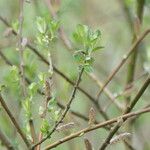
Salix sitchensis
Sitka Willow · Velvet Willow · Coulter's Willow
Description
Source: leafsnapSalix sitchensis, commonly known as Sitka willow, is a deciduous shrub or small tree native to the Pacific Northwest of North America. It typically grows up to 10 meters tall and features a spreading crown with slender branches. The leaves are narrow and lance-shaped, with serrated edges and a glossy green upper surface. The Sitka willow plays a crucial role in riparian ecosystems, providing habitat for various wildlife species such as beavers, birds, and insects. Its extensive root system helps stabilize riverbanks and reduces erosion. Indigenous peoples have utilized the bark of Sitka willow for medicinal purposes, including treating headaches and fever. The wood is also used in making baskets, furniture, and other crafts. Salix sitchensis prefers moist soils and thrives in areas with high rainfall or near water sources like rivers and streams. While it can tolerate partial shade, it grows best with full sun exposure. Overall, Salix sitchensis is an ecologically significant plant that offers numerous benefits to wildlife and humans alike, from its role in ecosystem stabilization to its medicinal and crafting uses.
Care Guide
💧 Water Every 7 days
The Sitka willow thrives in consistently moist environments but can tolerate occasional dry spells. It should be watered every 2 to 3 weeks, allowing the soil to become slightly dry between waterings. For optimal growth, use a soil mix that retains moisture while also providing good drainage, similar to the willow's natural habitat along streams and wetlands.
☀️ Light Full sun
Sitka willow thrives when exposed to a full day's sunlight, but also manages reasonably well with only part of the day's light. Originally native to riparian zones, the plant has adapted to the dappled-sun conditions typical of those habitats. Conversely, irregular or very limited light exposure significantly impedes its growth.
What are the sunlight requirements for a Sitka willow?
Sitka willow, or Salix sitchensis, thrives best in full sunlight, requiring more than 6 hours of sunlight daily to flourish. However, it can also grow in partial sun, receiving about 3-6 hours of sunlight. Initially native to riparian zones, which are partly shaded environments, the Sitka willow is adaptable but its growth is significantly hindered under sporadic or scarce light conditions.
How can artificial lighting be used for Sitka willow indoor plants?
For Sitka willow indoor plants, adequate lighting is crucial especially when natural sunlight is insufficient. Artificial lights, such as LED lights which can be customized to offer specific wavelengths, are recommended. For plants requiring full sun, 30-50W per square foot is needed; partial sun plants need 20-30W per square foot, and full shade plants require 10-20W per square foot. The light source should be placed 12-36 inches above the plant to mimic natural sunlight, with a duration of 8-12 hours of light per day to promote optimal growth.
What are the symptoms of insufficient light in Sitka willow?
In cases of insufficient light, Sitka willow may exhibit several symptoms such as smaller new leaves, leggy or sparse growth, faster leaf drop, slowed or halted new growth, lighter-colored new leaves, chlorosis, sunscald, leaf curling, wilting, and leaf scorching. These symptoms indicate either a direct consequence of inadequate sunlight or the effects of excessive sunlight exposure.
How to solve light-related problems for Sitka willow?
To address light-related issues in Sitka willow, gradually acclimatize the plant to the correct sunlight conditions. For indoor plants, move them to a sunnier spot each week until they receive at least 6 hours of sunlight, considering the use of artificial light for large or immobile plants. Outdoor plants should also be moved gradually to avoid shock. Additionally, minimizing obstructions and considering transplanting during the plant's dormant period can enhance sunlight exposure. It's important to remember that parts of the plant already affected may not recover but focusing on improving conditions for new growth is key.
🌡️ Temperature 5–32.2°C
Sitka willow originates in habitats where temperatures typically range from 41 to 89.6 °F (5 to 32 ℃). It prefers conditions within that span and may need adjustments, especially in colder seasons, to thrive.
What is the preferred temperature range for Sitka Willow?
Sitka willow (Salix sitchensis) thrives in environments where temperatures typically range between 41 to 89.6 °F (5 to 32 °C). It has strong cold resistance, suggesting that special frost protection measures are not necessary during winter, except in extremely cold conditions where temperatures are expected to drop below -30°C. In such cases, providing cold protection by wrapping the trunk and branches with non-woven fabric or cloth is recommended. Additionally, before the first freeze in autumn, watering the plant abundantly to ensure the soil remains moist is advisable. This preparation helps prevent drought and water scarcity for the plant during winter and early spring.
How does Sitka Willow respond to low temperature conditions?
Sitka willow is cold-tolerant and thrives best when temperatures are above 5°C. While it can withstand winters when temperatures are kept above -25°C, it is advisable to take precautions if temperatures fall below -30°C. In such extreme cold, the plant may not show noticeable changes during winter; however, the branches can become brittle and dry by spring, with no new shoots emerging. It is suggested to prune away any dead branches that have failed to produce new leaves as a solution in spring.
What should be done if Sitka Willow experiences high temperature conditions?
During the summer months, Sitka willow should ideally be kept at temperatures below 32°C to avoid stress. If temperatures rise above 35°C, the plant may show signs of distress such as leaves becoming lighter in color, tips becoming dry and withered, and increased susceptibility to sunburn. To mitigate these issues, trim away sunburned and dried-up parts of the plant. Move the plant to a shadier location or use a shade cloth to protect it from the midday and afternoon sun. Additionally, ensure the soil remains moist by watering the plant in the morning and evening.
💨 Humidity
🪴 Soil 5-7
🌱 Fertilizer
Fertilize your Sitka willow in early spring to encourage healthy growth. Consistent fertilization boosts overall health, leading to vigorous growth, increased tolerance of difficult conditions, and enhanced resistance to diseases and pests. Keep a regular fertilization routine for your Sitka willow to maintain vibrant, richly colored, and lush foliage.
🪴 Pot & Repot
✂️ Pruning
Sitka willow is a fast-growing shrub or small tree that benefits from pruning in early spring to maintain its health. Begin by removing any dead or diseased branches, then thin out dense areas to improve air circulation. Be sure to use sharp tools to minimize the risk of disease and to preserve the plant’s natural, open shape.
🌿 Propagating
🐛 Diseases & pets
☠️ Toxicity
Characteristics
- Plant Type
- Tree, Shrub
- Life Cycle
- Perennial
- Genus
- Salix
- Family
- Salicaceae
- Hardiness Zone
- 4-8
- Mature Height
- 7.92 m
- Mature Spread
- 7.62 m to 9.14 m
- Leaf Color
- Light Green, Gray
- Leaf Type
- Deciduous
- Flower Color
- Yellow
- Flower Size
- 2.54 cm to 5.08 cm
- Bloom Time
- Early spring, Mid spring
- Planting Time
- Spring, Summer
- Harvest Time
- Late spring, Early summer