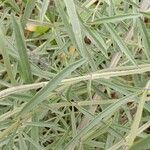
Salvia azurea
Blue sage
Description
Source: leafsnapSalvia azurea, commonly known as blue sage or azure blue sage, is a perennial herbaceous plant belonging to the mint family. It is native to the central and eastern regions of North America and typically thrives in prairies, meadows, and open woodlands. This plant generally reaches a height of 3 to 4 feet and spreads about 2 to 3 feet wide. It features slender stems covered with small hairs and lance-shaped leaves that exhibit a gray-green color. The leaves are slightly rough on the top but soft underneath. The most striking feature of Salvia azurea is its beautiful flowers, which bloom from mid-summer through fall. These flowers grow on long spikes at the tops of the stems and have an intense blue color, making them a standout in any garden or landscape. Salvia azurea prefers full sun exposure but can tolerate some shade. It thrives in well-drained soil with moderate moisture levels. This plant also attracts pollinators such as bees, butterflies, and hummingbirds, making it an excellent addition to any pollinator garden. Apart from its ornamental appeal, Salvia azurea has been used for medicinal purposes by Native Americans for centuries, primarily for its anti-inflammatory properties. It has also been used to treat colds and coughs. Overall, Salvia azurea is an attractive perennial herbaceous plant that offers both aesthetic and medicinal benefits, making it an excellent choice for any garden enthusiast seeking something unique and valuable.
🌳 Azure Blue Sage functions as an important indicator species in its native prairie ecosystems. Its presence and condition reflect the well-being of its habitat, giving conservationists insight into the ecological balance. It also serves as a nectar source for pollinators such as bees and butterflies, thus playing a crucial role in maintaining biodiversity.
🎭 Eternal life, extended lifespan, insight
Care Guide
💧 Water Every 7 days
Azure Blue Sage thrives in dry prairies due to its excellent drought tolerance. It requires only weekly watering and is generally grown outdoors, where it can flourish in a variety of weather conditions. As a deciduous plant, Azure Blue Sage conserves water by shedding its leaves during the dry season, demonstrating its remarkable adaptability.
How should I water my Azure Blue Sage plant to make sure it gets enough water?
To successfully water the Azure Blue Sage, follow these steps for optimal health. First, use filtered water at room temperature or slightly warmer. This is because tap water may have harmful particles. The plant prefers warmth, so cold water can be a shock. Second, avoid overhead watering to prevent issues with the foliage. Instead, focus on saturating the soil with your filtered, room temperature water. This helps to moisten the roots and enable them to spread and gather necessary nutrients.
What do I do if I give my Azure Blue Sage too much or too little water?
Overwatering is a common issue that can harm your Azure Blue Sage. It causes wilting, yellowing leaves, and can lead to diseases like root rot, mold, and mildew. Underwatering is less common but possible, causing brittle, brown leaves. It's important to notice signs of overwatering early, as some diseases may be irreversible if not addressed promptly. Reduce watering if you see these signs and check the soil drainage. Replace poorly draining soil with a loose, well-draining potting mix. If underwatering is the issue, water more regularly until the symptoms improve.
How often should I give water to my Azure Blue Sage plant?
If you have your Azure Blue Sage in a pot, you can check if it needs water by sticking your finger in the soil. If the top two to three inches of soil are dry, it's time to water it. If your Azure Blue Sage is planted outdoors, use the same method to check the soil. If the top few inches are dry, water it. In the spring and early fall, you'll usually need to water this plant about once a week. In very hot weather, you may need to water it twice a week or more. However, mature Azure Blue Sage plants are often able to withstand drought.
How much water does my Azure Blue Sage plant need?
To properly water your Azure Blue Sage, don't hesitate to give it a generous amount of water. Make sure the top two to three inches of soil are dry before watering thoroughly. It's important to soak the entire soil, allowing excess water to drain through the pot's drainage holes. If you don't see water flowing out, you may not have provided enough water. However, be careful not to let water accumulate in the soil as it can harm the plant. Conversely, if water doesn't drain well, adjust the soil to prevent damage. For outdoor plants, one inch of rain per week is adequate.
How should I water my Azure Blue Sage when it is growing at different stages?
The water needs of the Azure Blue Sage vary depending on its growth stages. In the first few years or after transplanting, it requires more water due to the energy it invests in developing new roots for future growth. These roots thrive with slightly more moisture. As the plant matures, it will need less water. Additionally, during the bloom period, the Azure Blue Sage may require more water as flowering consumes a significant amount of moisture.
☀️ Light Full sun
Azure Blue Sage performs best when it receives a generous amount of light consistently throughout the day, and it can also tolerate moderate illumination. Originating from sun-drenched habitats, Azure Blue Sage's growth can be impaired by either too much or too little light, resulting in discoloration or stunted growth.
What are the sunlight requirements for Azure Blue Sage?
Azure Blue Sage requires full sun exposure, which means it should receive over 6 hours of sunlight daily, but it can also tolerate partial sun, approximately 3-6 hours of sunlight a day. It's essential to watch how sunlight moves through your garden to find spots that provide the perfect balance of light and shade for Azure Blue Sage, ensuring its happiness and optimal growth.
What are the essential conditions for the growth of Azure Blue Sage?
Azure Blue Sage thrives under consistent, ample amounts of light throughout the day and can also grow under moderate illumination. Originating from environments abundant in sunlight, the plant's growth may be negatively impacted by both overexposure and underexposure to light, which can lead to problems like discoloration or slowed growth. In situations where natural sunlight isn't sufficient, especially during winter or in less sunny areas, artificial lighting can be a vital solution, promoting faster, healthier growth. LED lights are particularly recommended for their ability to be customized to provide specific wavelengths needed by plants.
How do you know if Azure Blue Sage is getting too little or too much sunlight?
Symptoms of inadequate light include small new leaves, leggy or sparse growth, faster leaf drop, slower or no new growth, and lighter-colored new leaves. On the other hand, too much sunlight can cause chlorosis (yellowing leaves), sunscald, leaf curling, wilting, and leaf scorching. Monitoring these symptoms can help you adjust the plant's exposure to sunlight accordingly to maintain its health.
What solutions can I apply if my Azure Blue Sage is not receiving the optimal amount of sunlight?
For indoor plants, gradually moving them to sunnier locations, ensuring at least 6 hours of sunlight daily, and considering the use of artificial lighting like desk or ceiling lamps for at least 8 hours daily are good strategies. Outdoors or in the ground, work on reducing obstructions by pruning trees that block sunlight and consider transplanting smaller plants to more sun-exposed locations during their dormant period. It's crucial to make these changes gradually to avoid sunburn and allow the plant to adjust to the new light conditions.
🌡️ Temperature 5–35°C
Azure Blue Sage naturally occurs in habitats where temperatures range from 41 to 95 °F (5 to 35 ℃). That range is essential for optimal growth. Each season may necessitate substantial adjustments, especially during extreme conditions, to maintain temperatures within its preferred range.
What is the native temperature range for Azure Blue Sage to thrive?
Azure Blue Sage thrives in environments with temperatures ranging from 41 to 95°F (5 to 35°C). This temperature range is crucial for its optimal growth, and maintaining the conditions within this range through the various seasons is important, especially during temperature extremes.
Does Azure Blue Sage require special frost protection measures during winter?
Azure Blue Sage has strong cold resistance and usually does not require special frost protection measures during winter. However, if temperatures are expected to drop below -30°C, it's important to protect the plant from the cold by covering it with soil or straw. Before the first freeze in autumn, it's also recommended to water the plant abundantly to maintain moist soil, which helps prevent drought and water scarcity during the winter and early spring.
What should be done if the temperature falls below Azure Blue Sage's cold tolerance limit?
If the temperature falls below 5°C, Azure Blue Sage remains cold-tolerant, but precautions should be taken if the temperature drops below -25°C and certainly if it approaches -30°C. Although the plant may not show noticeable changes during winter when exposed to these low temperatures, there could be a reduction in or absence of sprouting in spring. In such cases, it's recommended to remove any parts of the plant that have failed to sprout by spring.
How should Azure Blue Sage be cared for during high temperatures?
During the summer, it's essential to ensure that the temperature around Azure Blue Sage does not exceed 35°C. Exposure to temperatures above 38°C can result in the leaves becoming lighter, curling, and in severe cases, can lead to sunburn, wilting, and drying of the plant. To prevent this, prune away the sunburned and dried portions, move the plant to a shaded area during midday and afternoon, or use a shade cloth to protect it. Additionally, water the plant in the morning and evening to keep the soil moist and reduce temperature stress.
What is the botanical name of Azure Blue Sage?
The botanical name of Azure Blue Sage is Salvia azurea.
💨 Humidity
🪴 Soil 6-7
🌱 Fertilizer
The best time to fertilize an Azure Blue Sage is in early spring, when it is coming out of dormancy and starting active growth. Fertilization supplies essential nutrients for healthy development. Although Azure Blue Sage has fairly low fertilizer requirements, an annual application can boost its survival and encourage healthier, longer-lasting blooms.
Why should I put fertilizer on my Azure Blue Sage plant?
Fertilization is important for the Azure Blue Sage for a few reasons. Firstly, it provides necessary nutrients for the plant's overall growth. This includes both above and below ground. However, the Azure Blue Sage has relatively low fertilization needs. While it can sometimes survive without fertilization, annual fertilization can greatly benefit the plant. It helps to keep it alive and may even result in improved and longer-lasting flowers. Therefore, for those who want their Azure Blue Sage to look its best, it's recommended to fertilize annually.
When should I fertilize my Azure Blue Sage for the best results?
The best time to fertilize an Azure Blue Sage is in late winter to early spring when the plant is coming out of its dormant phase and starting to grow. Fertilizing during this time promotes healthy growth and sets the plant up for a good season. Although it's generally best to fertilize in early spring, it is also okay to fertilize in the fall. However, it's not recommended to feed the plant during summer or winter.
When is the best time to not fertilize my Azure Blue Sage?
To properly care for your Azure Blue Sage, it is best to fertilize only during late winter and early spring. This plant does not require frequent feeding, as one annual feeding is sufficient. Avoid fertilizing during spring, summer, and fall to prevent overfertilization and related issues. However, if you missed fertilizing during spring, you can fertilize the plant in the fall. Additionally, refrain from fertilizing during winter as the Azure Blue Sage enters a dormant phase with no new growth.
What kind of fertilizer does my Azure Blue Sage plant need?
When choosing a fertilizer for Azure Blue Sage, a general-purpose fertilizer with balanced nutrients will work well. However, there are certain nutrient blends that can be even more beneficial. Some gardeners believe that higher levels of phosphorus can strengthen roots and improve flower production, making a phosphorus-rich fertilizer a good choice for a flowering plant like Azure Blue Sage. Whether it's in granular or liquid form, the key is to ensure that the fertilizer contains plenty of nutrients. In addition to manufactured fertilizers, organic materials like compost and manure can also be used to improve the soil for Azure Blue Sage, creating a healthier growing environment.
How should I add fertilizer to my Azure Blue Sage plant?
To fertilize an Azure Blue Sage, the most common method is to use granular or pellet fertilizer applied to the soil around the plant. It's important to remember that the best time to fertilize is when the plant is transitioning from winter dormancy to active growth. In early spring, wait until shoots start emerging from the soil before applying the fertilizer. Alternatively, some people prefer using liquid fertilizer. If you choose this option, dilute the fertilizer with water before applying it. Regardless of the type of fertilizer, ensure that the soil is moistened before, during, and after applying it.
🪴 Pot & Repot Every 12 months
Azure Blue Sage needs excellent drainage when planted in pots to prevent waterlogging and ensure healthy growth.
✂️ Pruning
Azure Blue Sage is a vibrant perennial characterized by its tall stems and bright blue flowers. To keep it healthy and encourage prolific blooms, prune it from early to late spring. Start by trimming any dead stems, and then cut back one-third of its height. This process enhances growth, increases bushiness, improves air circulation, and helps prevent disease, all of which contribute to healthier plants.
🌿 Propagating
🐛 Diseases & pets
☠️ Toxicity
Characteristics
- Plant Type
- Herb
- Life Cycle
- Perennial
- Genus
- Salvia
- Family
- Lamiaceae
- Hardiness Zone
- 4-9
- Mature Height
- 0.91 m to 1.52 m
- Mature Spread
- 0.61 m to 1.22 m
- Leaf Color
- Green, Gray
- Leaf Type
- Semi-evergreen, Deciduous
- Flower Color
- Blue
- Flower Size
- 2.54 cm
- Bloom Time
- Mid summer, Late summer
- Planting Time
- Spring
- Harvest Time
- Late summer, Early fall
- Native Area
- Mexico