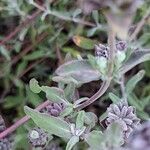
Salvia clevelandii
Fragrant sage
Description
Source: leafsnapSalvia clevelandii, commonly known as Cleveland sage, is a perennial shrub native to Southern California and Baja California. As a member of the mint family, this plant can reach heights of up to 6 feet and spread 4 to 6 feet wide. It features gray-green leaves that release a strong, pleasant aroma when crushed or brushed. During the summer, it produces clusters of lavender-blue flowers that attract bees and butterflies. Cleveland sage is drought-tolerant and thrives in well-draining soil under full sun or partial shade. Because of its appealing foliage, delightful fragrance, and low maintenance requirements, it is frequently used in landscaping. Additionally, Native American tribes have utilized this plant for its antiseptic properties. All in all, Salvia clevelandii is a striking and beneficial addition to any garden or landscape. It enhances outdoor spaces while providing essential resources for both humans and wildlife.
🌳 Fragrant Sage is used for more than just its decorative appeal, especially for extracting essential oils from its perfumed leaves. These oils are desired for their scent and possible therapeutic uses in aromatherapy. Fragrant Sage also has an important ecological function as a vital nectar source for pollinators like bees and hummingbirds, helping to support local biodiversity. Its drought tolerance and scented flowers make it a practical option for water-wise gardens, indicating its role in sustainable landscaping.
Care Guide
💧 Water Every 7 days
Fragrant Sage, a plant native to California's dry regions, is highly drought-tolerant and requires minimal watering, ideally just once a week. This evergreen plant benefits from seasonal rains, aligning its growth cycle with the natural climate patterns, which makes it well-suited for outdoor cultivation.
☀️ Light Full sun
The fragrant Sage prefers abundant sunlight and does best under clear skies. It can also tolerate locations with moderate sun. It comes from environments that receive a great deal of light, which fosters healthier growth. Excessive shade can impede its development, while too much sun can produce water stress and harm its overall health.
What are the sun requirements for Fragrant Sage?
Fragrant Sage thrives best with abundant solar exposure, particularly flourishing under clear skies, but it can also perform well in moderate sun conditions. This plant originates from environments that are well-exposed to light, which is crucial for its healthier growth. Keep in mind that excessive shading can negatively affect its growth, and too much direct sunlight can lead to water stress, impacting the plant's overall health.
How important is artificial lighting for indoor Fragrant Sage plants?
Artificial lighting is essential for indoor Fragrant Sage plants, especially when natural sunlight is inadequate. During winter or in less sunny spaces, artificial lights can significantly benefit the plants, promoting faster and healthier growth. LED lights are recommended because they can be customized to provide specific wavelengths needed by the plants. For optimal growth, full sun plants should receive 30-50 Watts per square foot, partial sun plants 20-30 Watts per square foot, and full shade plants 10-20 Watts per square foot. The artificial light source should be placed 12-36 inches above the plant and kept on for 8-12 hours per day to mimic natural daylight hours.
What are the symptoms of insufficient light on Fragrant Sage?
When Fragrant Sage does not receive adequate light, it may display several symptoms indicating light deficiency. These include smaller new leaves compared to matured ones, leggy or sparse growth making the plant appear weak and stretched out, faster leaf drop to conserve resources, delayed or halted growth as the plant enters survival mode, paler new leaves due to lack of chlorophyll, chlorosis leading to yellowing leaves, sunscald causing pale or necrotic areas on plant tissue, leaf curling as a defense mechanism against excessive sunlight, wilting due to increased water loss, and leaf scorching characterized by brown, dry edges on leaves.
How can I address insufficient sunlight for my Fragrant Sage?
To combat insufficient sunlight for Fragrant Sage, consider gradually moving indoor plants to sunnier locations, ensuring they receive at least 6 hours of direct sunlight daily. Utilize south-facing windows and keep curtains open for maximum exposure. If your plant is too large or not easily movable, supplement with artificial lighting, keeping a lamp on for at least 8 hours daily or using professional grow lights. For outdoor plants, move them to sunnier spots gradually to prevent sunburn. Reduce obstructions such as overhanging branches for plants in the ground and consider transplanting smaller plants during their dormant period to locations with better sunlight and drainage. Remember that damaged parts of the plant may not recover but new growth should be healthy once light conditions improve.
🌡️ Temperature 15–35°C
Fragrant Sage naturally occurs in habitats where temperatures range from 59 to 95°F (15 to 35 ℃). It performs best in these moderate climates. When temperatures change drastically, moderate temperature adjustments may be required.
What is the native temperature range for Fragrant Sage?
Fragrant Sage, scientifically known as Salvia clevelandii, is native to regions where temperatures range between 59 to 95°F (15 to 35°C). It flourishes in these moderate climates, adapting well to the specific temperature range. During sudden or extreme temperature shifts, it may be necessary to make moderate adjustments to ensure the plant's wellbeing.
Does Fragrant Sage require cold protection measures?
Fragrant Sage possesses a certain level of cold tolerance, generally not requiring additional measures when temperatures are above -5°C. However, if temperatures are anticipated to drop below -5°C, it becomes necessary to implement temporary cold protection strategies. These can include wrapping the plant with materials such as plastic film, fabric, or other suitable materials to shield it against the cold. Once the temperature rises again, it's important to remove these protective measures promptly to prevent any potential damage to the plant.
How does Fragrant Sage respond to low temperatures, and what are the recommended solutions?
At low temperatures, particularly when the thermometer dips below 15°C, Fragrant Sage shows moderate tolerance. It is crucial to keep the plant above -5°C during winter months. If temperatures fall below -10°C, the plant's leaves may begin to droop, signaling the onset of stress. In mild cases, recovery is possible, but severe cold can lead to wilting and eventual loss of leaves. To combat frost damage, it's advised to trim away damaged parts of the plant and employ measures such as wrapping with non-woven fabric or cloth and establishing a wind barrier to protect against the cold wind in anticipation of low temperatures.
What measures should be taken when Fragrant Sage is exposed to high temperatures?
During the warmer months, especially in temperatures exceeding 35°C, Fragrant Sage requires careful monitoring. Exposure to temperatures above 41°C can lead to symptoms such as lighter leaf color, dry and withered leaf tips, leaf curling, and increased susceptibility to sunburn. The recommended course of action involves trimming away sunburned and dried parts of the plant, relocating it to shaded areas, particularly away from midday and afternoon sun, or using shade cloth for protection. To maintain soil moisture and plant health, watering in the morning and evening is advisable.
💨 Humidity dry (<40%)
This plant prefers dry conditions, so don't mist it. However, watering it less often can also thrive in higher humidity.
🪴 Soil 6-7
🌱 Fertilizer
The timing of fertilization is important for Fragrant Sage. Start fertilizing in early spring and continue monthly until early summer. Fertilizer promotes lovely blooms and supplies energy during both dormant and active growth phases.
🪴 Pot & Repot Every 12 months
To ensure the optimal health and growth of fragrant sage, it's important to provide excellent drainage in pots. This helps prevent root rot and allows the plant to thrive.
✂️ Pruning
Fragrant sage benefits from careful pruning in late spring, after it has finished flowering. Begin by removing any dead stems, and thin out any dense areas to improve air circulation. This process rejuvenates the plant, boosts flower production, and helps manage its size. Remember to always use clean, sharp tools to prevent disease and ensure precise cuts.
🌿 Propagating
🐛 Diseases & pets
☠️ Toxicity
Characteristics
- Plant Type
- Shrub
- Life Cycle
- Perennial
- Genus
- Salvia
- Family
- Lamiaceae
- Hardiness Zone
- 8-10
- Mature Height
- 61 cm
- Mature Spread
- 61 cm
- Leaf Color
- Green, Gray
- Leaf Type
- Evergreen
- Flower Color
- Purple, Blue, White
- Flower Size
- 1.02 cm to 1.52 cm
- Bloom Time
- Late spring, Early summer, Mid summer
- Planting Time
- Spring, Autumn
- Harvest Time
- Mid summer
- Native Area
- Mexico