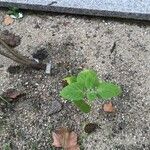
Salvia coerulea
Anise-scented sage · Hummingbird sage · Salvia
Care Guide
💧 Water
☀️ Light Full sun
Blue anise sage does best in locations where it gets abundant sunlight throughout the day. It can also endure spots where light is only available in limited amounts. Coming from habitats where ample sun is common, sunlight is essential for the plant’s growth. However, too little sun can slow its development, while too much can scorch the leaves.
🌡️ Temperature 15–35°C
Blue anise sage thrives in temperatures between 59 and 95 ℉ (15 to 35 ℃), reflecting the temperature conditions of its native habitat. When seasons change, place the plant in a cooler location in summer and a warmer one in winter to protect it from frost damage.
💨 Humidity
🪴 Soil 6-6
🌱 Fertilizer
The best time to fertilize Blue anise sage is in early spring, as it comes out of dormancy and begins active growth. Fertilizing supplies essential nutrients for healthy growth. Although Blue anise sage has relatively low fertilization needs, applying fertilizer annually can improve its survival and encourage better, longer-lasting flowers.
🪴 Pot & Repot 2-3 years
When repotting Blue anise sage, select a pot 1-2 inches (2.5–5.1 cm) larger with ample drainage. Use a well-draining potting mix. Repot in spring or fall, making sure the root ball sits slightly lower than the rim of the flower pot. Water thoroughly after repotting and place it in a warm spot with indirect sunlight.
✂️ Pruning
🌿 Propagating
🐛 Diseases & pets
☠️ Toxicity
Characteristics
- Plant Type
- Herb
- Life Cycle
- Perennial
- Genus
- Salvia
- Family
- Lamiaceae
- Hardiness Zone
- 8-10
- Mature Height
- 0.61 m to 1.52 m
- Mature Spread
- 0.61 m to 1.52 m
- Leaf Color
- Green
- Leaf Type
- Evergreen, Deciduous
- Flower Color
- Blue, Purple
- Flower Size
- 2.54 cm to 7.62 cm
- Bloom Time
- Summer
- Planting Time
- Spring
- Harvest Time
- Mid summer, Late summer