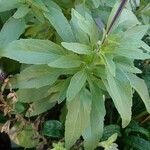
Salvia farinacea
Mealy Cup Sage · Mealycup sage · Mealy sage · Blue sage · Mealy Blue Sage
Description
Source: leafsnapSalvia farinacea, commonly known as mealy blue sage or mealycup sage, is a perennial herbaceous plant belonging to the mint family. Native to Texas and Mexico, it has gained popularity worldwide due to its attractive blue flowers and ability to thrive in various growing conditions. Typically reaching heights of 2-3 feet, the plant features narrow, lance-shaped leaves that are gray-green in color. The flowers are arranged on spikes up to 12 inches long, blooming from late spring through fall. While the blooms are most commonly blue or purple, they can also be white or pink. Salvia farinacea prefers full sun exposure but can tolerate some shade. It thrives in well-drained soil with moderate moisture levels. Once established, the plant is drought-tolerant and requires minimal maintenance. Beyond its ornamental appeal, Salvia farinacea has been used for centuries by indigenous people for its anti-inflammatory properties. It is also known to attract pollinators such as bees, butterflies, and hummingbirds. Overall, Salvia farinacea is an attractive perennial herbaceous plant with low maintenance requirements, making it an excellent choice for gardeners seeking a beautiful addition with minimal upkeep.
💡 There are some differences between mealycup sage flowers and regular sage flowers. Mealycup sage flowers resemble a cluster of purple wheat ears growing upward. From a distance, the vast expanse of these purple flowers has a resemblance to lavender.
🌳 Beyond common roles like gardening and drought-tolerant landscaping, mealy Cup Sage holds a lesser-known role in the natural dye world. Its bright indigo flowers were once used by pioneers to color fabrics, an almost forgotten craft that could transform sustainable clothing practices.
🎭 Household virtue
Care Guide
💧 Water Every 7 days
Mealycup sage is well-suited for arid environments and shows exceptional tolerance to drought. Once the plant is established, it only needs to be watered once a week to prevent over-saturation. During the flowering period, keeping the soil consistently moist enhances the vibrancy of the blooms, making proper water management vital for its successful growth outdoors.
When Should I Water My Mealycup Sage?
Watering your mealycup sage is crucial for its growth, vibrant flower production, and disease resistance. To determine when it needs water, check the soil moisture by inserting a finger about 1 to 2 inches deep. If the soil feels dry, it's time to water. Observing wilting leaves, faded or yellowing leaves, stunted growth, and bud drop can also indicate the need for water. Mealycup sage requires more frequent watering during hot, dry periods, and it's essential to avoid early watering that may lead to root diseases or late watering that could cause dehydration. Recognizing these signs will help maintain optimal water levels, promoting healthy growth and flowering.
How Should I Water My Mealycup Sage?
Mealycup sage, or Salvia farinacea, prefers deep and infrequent watering to prevent root rot. The best technique is to allow the soil to dry out slightly between watering sessions. When watering, pour directly onto the soil around the plant base, avoiding excessive foliage wetting. Using a watering can with a narrow spout helps to direct water flow to the base, ensuring the soil receives enough moisture without risking the plant's health through overwatering.
How Much Water Does Mealycup Sage Really Need?
The appropriate amount of water for mealycup sage depends on various factors including pot size, root depth, and plant size. Generally, it is advised to water when the top inch of soil feels dry. For smaller plants, 1/2 to 1 cup of water may suffice, while larger plants might need up to 2 to 3 liters every 1-2 weeks. Proper hydration is indicated by vibrant, healthy leaves, and sturdy stems. Over or underwatering can lead to issues such as yellowing leaves or stunted growth, so finding the right balance is key. Ensuring the use of well-draining soil and checking the soil moisture before watering will help in avoiding overwatering.
What Kind of Water is Best for Mealycup Sage?
Rainwater is ideal for mealycup sage due to its optimal pH and lack of contaminants, though tap water, distilled, or filtered water is also acceptable. The plant isn't overly sensitive to common water contaminants like chlorine or fluoride; however, hard tap water may hinder nutrient absorption. If tap water is heavily chlorinated, letting it sit out before use can help evaporate the chlorine. Mealycup sage prefers water at room temperature to avoid shock. It's important to ensure the water quality supports evenly moist soil without overwatering, which can lead to root rot.
How Do Mealycup Sage's Watering Needs Change with the Seasons?
Mealycup sage's watering needs vary seasonally. In spring, it requires moderate watering as it enters its growing season. During summer's peak blooming, it's drought-tolerant but should be watered deeply rather than frequently. In autumn, less frequent watering is advised as growth slows, and in winter, if overwintered indoors, water should be minimal to keep the soil barely moist and prevent root diseases. Adapting your watering practices according to the season helps maintain healthy growth and prolong the blooming period.
☀️ Light Full sun
Mealy Cup Sage prospers in ample sunlight, using the sun’s rays to support vigorous growth. Although it performs best in full, unobstructed sun, it can tolerate portions of the day when light is screened. Too much sun, or too little, can cause harm and impede the plant’s vigorous development.
What are the sun requirements for mealycup sage?
Mealycup sage requires full sun, which means it needs above 6 hours of sunlight daily, to thrive optimally. However, it can also tolerate partial sun conditions, receiving about 3-6 hours of sunlight per day. When planning your garden, it's crucial to observe how sunlight moves through the area to ensure that you choose locations that offer the right balance of light and shade for your plants. This careful placement ensures the plants' happiness and robust growth.
How essential is sunlight for the growth of mealycup sage?
Sunlight is highly essential for the growth of mealycup sage; the plant thrives under the generous warmth of the sun, absorbing its rays for healthy and robust growth. The plant flourishes the best in unblocked sunlight but can withstand periods when the sun is screened off. However, both excessive sun exposure and insufficient sunlight can have detrimental impacts, compromising the plant's vigorous development. For indoor plants where natural sunlight is limited, especially in winter or less sunny spots, artificial lighting solutions like LED lights, are crucial. These lights should be chosen carefully to match the plants' needs in terms of light wavelength, and the amount of artificial light provided should mimic the plant's natural requirements for sunlight.
What symptoms indicate light deficiency in mealycup sage, and how can they be addressed?
Symptoms of light deficiency in mealycup sage include new leaves growing smaller than previous ones, leggy or sparse growth indicating a stretched-out appearance, faster leaf drop to conserve resources, slower or no new growth as the plant goes into survival mode, lighter-colored or pale new leaves due to lack of chlorophyll, and symptoms of excessive light exposure like chlorosis, sunscald, leaf curling, wilting, and leaf scorching. To address light deficiency, gradually move plants to a sunnier location each week until they receive sufficient daily sunlight. Use south-facing windows for indoor plants and consider pruning or relocating plants outdoors to reduce light obstructions. Artificial lighting can be used as a supplement where natural light is insufficient, with the aim to provide adequate light coverage for healthy plant growth.
🌡️ Temperature 15–35°C
Mealy Cup Sage is native to environments with temperatures ranging from 68 to 95 °F (20 to 35 ℃). It favors the warmer end of that range. In cooler seasons, consider increasing the surrounding temperature to match its native growing conditions.
What is Mealycup sage and where is it native to?
Mealycup sage, botanically known as Salvia farinacea, is a plant native to environments where temperatures range from 68 to 95 °F (20 to 35 °C). It thrives better on the warmer side of this spectrum. Originating from regions with such temperatures, it has adapted to prefer these warmer conditions, making it an ideal plant for warm climates or for growing in conditions that can mimic its native environment.
How does Mealycup sage handle cooler temperatures?
Mealycup sage exhibits some degree of cold tolerance and generally does not require additional protection when the temperature remains above 0°C. However, if temperatures are expected to plummet below freezing, temporary measures should be taken to protect the plant from the cold. This may include wrapping the plant with plastic film, fabric, or other insulating materials. These protective coverings should be removed once the temperature increases to prevent any negative effects on the plant.
What should I do if the temperature drops below -10°C?
When the temperature falls below -10°C, Mealycup sage is at risk, and its leaves may begin to droop. In mild cases, the plant can recover, but severe cold can lead to wilted leaves that eventually fall off. To help the plant recover from frost damage, trim off the frost-damaged parts. Before exposure to low temperatures again, protect the plant by wrapping it with non-woven fabric or cloth and creating a wind barrier to shield it from cold winds.
How does Mealycup sage respond to high temperatures, and how can I protect it?
During the summer when temperatures soar above 35°C, Mealycup sage can become stressed, leading to lighter leaf color, dry and withered leaf tips, leaf curling, and increased susceptibility to sunburn if temperatures exceed 41°C. To mitigate damage, trim away the sunburned and dried-up parts of the plant. Relocate the plant to a shaded area during the intense midday and afternoon sun, or use a shade cloth to create artificial shade. It's also beneficial to water the plant in the morning and evening to maintain soil moisture and help the plant stay hydrated.
💨 Humidity normal (40-60%)
This plant will thrive in moderate humidity, which is probably the level in your home. However, misting it a few times a week can be very beneficial. Make sure the room has good ventilation.
🪴 Soil 6-7
🌱 Fertilizer
The best time to fertilize a Mealy Cup Sage is in early spring, as it comes out of dormancy and starts active growth. Fertilizing supplies essential nutrients for healthy growth. Although Mealy Cup Sage has relatively low fertilizer requirements, an annual feeding can improve its survival and encourage better, longer-lasting flowers.
Why should I add fertilizer to my Mealycup sage?
Fertilization is important for the Mealycup sage for multiple reasons. Firstly, it provides necessary nutrients for the plant's growth above and below ground. Although Mealycup sage has low overall fertilization needs and can survive without it, annual fertilization is highly beneficial. It not only keeps the plant alive but also enhances flower quality and longevity. Therefore, those wanting their Mealycup sage to thrive should regularly fertilize it.
When should I put fertilizer on my Mealycup sage?
The best time to fertilize a Mealycup sage is in late winter to early spring when it is transitioning from dormancy to active growth. Fertilizing during this time promotes healthy growth and sets the plant up for a successful season. Although early spring is the most favorable time, fertilizing in the fall is also an option. However, it is not recommended to fertilize in the summer or winter.
When is it best to not put fertilizer on my Mealycup sage?
To avoid overfertilization and its complications, it is best to only fertilize your Mealycup sage during late winter and early spring. This plant has low fertilization needs and only requires one annual feeding. Fertilizing during spring, summer, and fall can easily lead to overfertilization, unless you skipped fertilizing in spring. In that case, it is acceptable to fertilize in the fall. Additionally, there is no need to fertilize this plant during the winter as it is in a dormant growth phase and does not produce new growth.
What kind of fertilizer does my Mealycup sage plant need?
When fertilizing a Mealycup sage, a general-purpose fertilizer that contains balanced amounts of the three main plant nutrients will suffice. However, there are certain nutrient blends that can provide even more benefits. Many gardeners recommend using a fertilizer with higher levels of phosphorus for stronger roots and better flowers, which is particularly suitable for flowering plants like the Mealycup sage. The fertilizer can be in either granular or liquid form, as long as it provides sufficient nutrients. In addition to commercial fertilizers, you can also improve the soil using organic methods such as compost or manure, which help create a healthy growing environment for your Mealycup sage.
How can I fertilize my Mealycup sage plant?
To fertilize a Mealycup sage, the most common method is to use granular or pellet fertilizer applied to the soil around the plant. It's important to remember that the best time to fertilize is when the plant is transitioning from its winter dormant phase to a period of active growth. In early spring, wait until the plant starts sending shoots through the soil surface before applying fertilizer. Alternatively, some people may choose to use liquid fertilizer instead of granular. If using liquid fertilizer, make sure to dilute it with water before applying. Regardless of the type of fertilizer used, it's always a good idea to moisten the soil before, during, and after applying fertilizer.
🪴 Pot & Repot 2-3 years
When repotting Mealy Cup Sage, select a pot 1-2 inches (2.5–5.1 cm) larger with good drainage. Use a well-draining potting mix. Repot in spring or fall, making sure the root ball is slightly lower than the rim of the flower pot. Water thoroughly after repotting and place it in a warm area with indirect sunlight.
✂️ Pruning
Mealycup sage, known for its vibrant blue blooms, benefits greatly from pruning performed in early to late spring. Key maintenance practices include trimming back spent flower spikes and overgrown stems, as well as removing any damaged foliage to prevent disease. These techniques encourage healthier growth and enhance the plant's overall appearance.
🌿 Propagating
🐛 Diseases & pets
☠️ Toxicity
Salvia farinacea has no toxic effects reported.
Characteristics
- Plant Type
- Herb
- Life Cycle
- Perennial, Annual, Biennial
- Genus
- Salvia
- Family
- Lamiaceae
- Hardiness Zone
- 8-10
- Mature Height
- 30 cm to 91 cm
- Mature Spread
- 30 cm to 91 cm
- Leaf Color
- Green
- Leaf Type
- Deciduous
- Flower Color
- White, Blue, Purple, Lavender
- Flower Size
- 2.54 cm
- Bloom Time
- Late spring, Summer
- Planting Time
- Spring
- Harvest Time
- Summer, Early fall
- Native Area
- Mexico