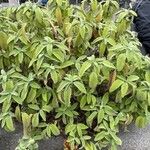
Salvia fruticosa
مریم گلی · Greek sage · Greek-oregano · Three-lobe sage · Salvia de jardín
Description
Source: leafsnapSalvia fruticosa, also known as Greek sage or fragrant sage, is a perennial shrub that belongs to the Lamiaceae family. Native to the eastern Mediterranean region, it can be found in countries such as Greece, Turkey, and Israel. The plant can grow up to 1-2 meters in height and features woody stems with gray-green leaves that are highly aromatic when crushed. The flowers of Salvia fruticosa are small and tubular, ranging in color from purple-blue to white. They bloom from late spring through summer, attracting bees and other pollinators. The plant has been used for centuries for its medicinal properties, including the treatment of digestive problems, sore throats, coughs, and headaches, among others. It is also a staple in traditional cooking, where its leaves are added to dishes like stews and roasted meats for flavoring. Salvia fruticosa requires well-drained soil with full sun exposure but can tolerate some shade. While it is drought-tolerant once established, it benefits from occasional watering during prolonged dry spells. Overall, Salvia fruticosa is an attractive ornamental plant that adds color and fragrance to gardens while also providing medicinal benefits when used properly.
Care Guide
💧 Water Every 7 days
Greek sage is a drought-tolerant plant native to the Mediterranean, and it thrives in outdoor environments. To keep it healthy, water it moderately, ideally once a week. It is important to plant Greek sage in well-drained soil to prevent waterlogging, which aligns with its natural preference for arid conditions.
How should I water my Greek sage plant?
To ensure the health of the Greek sage, use filtered and room temperature water for watering. Tap water may contain harmful particles, so filtered water is preferred. The plant is used to warm environments, so avoid using cold water as it can shock the plant. Additionally, it is advisable to avoid overhead watering to prevent foliage issues. Instead, thoroughly soak the soil with filtered room temperature water. This practice benefits the plant by moistening the roots and aiding their spread in the soil, allowing them to gather necessary nutrients.
What should I do if I give my Greek sage too much water or too little water?
Both overwatering and underwatering can harm your Greek sage's health, but overwatering is more common. When too much water is given, the stems and leaves may wilt and turn yellow. Excessive watering can also cause diseases like root rot, mold, and mildew, which can kill the plant. Greek sage has decent drought tolerance and underwatering is less likely. However, if it occurs, the leaves may become brittle and brown. Early detection of overwatering is crucial as some resulting diseases, like root rot, may not be fixable if left untreated. Reduce watering immediately if you notice signs of overwatering and consider replacing poorly draining soil. In the case of underwatering, simply water more regularly until the signs subside.
How much water does Greek sage need?
If your Greek sage plant is in a pot, you can use the most precise method to determine if it needs water by sticking your finger into the soil. If the top two to three inches of soil feel dry, it's time to water it. If you're growing the Greek sage outdoors in the ground, you can use a similar method to check the soil. When the first few inches of soil have dried out, it's time to water it. Typically, during the spring and early fall, watering once a week is sufficient. However, when it's very hot, you may need to water it twice a week or more. It's important to note that mature and well-established Greek sage plants are very resilient and can withstand drought.
How much water does my Greek sage plant need?
To effectively water your Greek sage, don't hold back on the amount of water you provide. Wait for the top two to three inches of soil to dry out before giving it a thorough watering. Make sure to water it enough to saturate the soil completely. You'll know you've added enough water when you see excess water flowing out of the drainage holes at the bottom of the pot. If you don't observe any excess water draining, then you have likely not watered your plant enough. However, be cautious not to let water accumulate in the soil as that can harm the plant. On the other hand, if water isn't draining through the pot, it could be an indication of poorly draining soil, which is not good for the plant's health and should be avoided. If the plant is outdoors, receiving about 1 inch of rain per week should be sufficient.
How do I water my Greek sage as it grows?
The water needs of the Greek sage can vary depending on its growth stages. In the first few years or during transplantation, it requires more water to support root development. These early stages of growth are crucial for future growth, so extra moisture is necessary. As the plant matures, it will need less water. Additionally, during the bloom period, the Greek sage may need more water as the flowers require a significant amount of moisture.
☀️ Light Full sun
For healthy growth, greek sage typically does best when exposed to full sunlight throughout the day. However, it can also tolerate conditions where the sunlight is less intense or less consistent. In its native habitat, it has adapted to a broad range of light conditions. Both insufficient and excessive sunlight can affect the plant's health.
What are the sunlight requirements for Greek sage?
Greek sage requires full sun exposure for healthy growth, thriving best in conditions where it is exposed to sunrays throughout the day. It necessitates above 6 hours of sunlight daily, but can also adapt to partial sun situations, where sunlight isn’t as intense or persistent, with about 3-6 hours of sunlight. It's vital to observe how sunlight moves through your garden, selecting locations that ensure a balance of light and shade, aiding in the plant's overall well-being.
How does artificial lighting support Greek sage indoor growth?
When natural sunlight is insufficient, especially during winter or in less sunny spaces, artificial lighting plays a crucial role in the growth of Greek sage indoors. Optimal growth under artificial conditions involves selecting the appropriate light type such as LED, which can be customized to provide specific wavelengths needed by the plant. Full sun plants require 30-50W/sq ft, partial sun plants need 20-30W/sq ft, and full shade plants 10-20W/sq ft of artificial light. The light source should be placed 12-36 inches above the plant, mimicking natural sunlight's distance, with a duration of 8-12 hours of light per day.
What are the symptoms of lighting issues in Greek sage?
Greek sage exhibits several symptoms when faced with inadequate lighting, including small, mature leaves, leggy or sparse growth, faster leaf drop, and slower or halted new growth. Insufficient sunlight leads to lighter-colored new leaves and chlorosis, where leaves lose their green color, turning yellow due to a breakdown of chlorophyll. Excessive sunlight exposure can cause sunscald, leaf curling as a defense against excessive sunlight, wilting due to increased water loss, and leaf scorching, evidenced by brown, dry, and crispy edges on leaves.
How can I address Greek sage's light deficiency symptoms?
To alleviate lighting issues for Greek sage, indoor plants can gradually be moved to sunnier locations each week to achieve at least 6 hours of direct sunlight daily through a south-facing window. If moving isn't feasible or for additional light, consider using artificial lighting for at least 8 hours daily. Outdoor plants should similarly be gradually adjusted to sunnier spots, avoiding sudden changes to prevent sunburn. Reducing obstructions like trees' branches, or transplanting smaller plants during their dormant period to sunnier areas with good drainage can help improve lighting conditions, ensuring new growth is healthy.
🌡️ Temperature 15–37.8°C
Greek sage originates from the Mediterranean, where summer temperatures of 59 to 100.4 °F (15 to 38 ℃) are common. This plant favors warmer climates and does not tolerate freezing temperatures well. Care should be taken to provide proper temperature adjustments as the seasons change.
What is Greek Sage and where is it native to?
Greek Sage, botanically known as Salvia fruticosa, is native to the Mediterranean region. It thrives in warmer climates where summer temperatures ranging from 59 to 100.4 °F (15 to 38 °C) are common. This plant is well-suited to areas that do not experience freezing temperatures, as it does not fare well in cold weather. However, Greek sage does have some level of cold tolerance and generally requires no special measures when temperatures are above -5°C.
How should Greek Sage be cared for in changing seasons?
Care for Greek sage involves ensuring thermal adjustment with the changing seasons. Although the plant has some cold tolerance, in regions where temperatures are expected to fall below -5°C, temporary measures for cold protection are necessary. This could include wrapping the plant with plastic film, fabric, or other materials to keep it warm. It's important to remove these protective measures once the temperature rises again to prevent any adverse effects on the plant.
What are the important symptoms to look out for in Greek Sage due to temperature changes?
For Greek Sage, temperature extremes can lead to specific symptoms. In low temperatures below -10°C, the leaves may droop and can recover in mild cases, but in severe cases, they will wilt and eventually fall off. In high temperatures above 38°C, the leaves might show signs of stress such as lighter color, dry and withered leaf tips, curling leaves, and increased susceptibility to sunburn. These symptoms indicate that the plant is struggling with the current temperature conditions.
What solutions are available for Greek Sage affected by low temperatures?
For Greek Sage affected by low temperatures, it is advised to trim off any frost-damaged parts to help the plant recover. To protect the plant from future cold spells, wrap it with non-woven fabric or cloth and consider constructing a wind barrier to protect it from cold winds. These measures will help shield the plant from extreme cold and prevent further damage.
How can Greek Sage be protected from high temperatures?
To protect Greek Sage from high temperatures, start by trimming away any sunburned or dried-up parts to promote healthier growth. Move the plant to a shadier location or use a shade cloth to protect it from the intense midday and afternoon sun. Additionally, ensure the soil remains moist by watering the plant in the morning and evening. These steps will help mitigate the effects of high temperatures and keep the plant healthy.
💨 Humidity
🪴 Soil 6-7
🌱 Fertilizer
The best time to fertilize Greek sage is in early spring, as it comes out of dormancy and starts active growth. Fertilizing supplies essential nutrients for healthy development. Although Greek sage has relatively low fertilizer requirements, feeding it once a year can improve its survival and encourage better, longer-lasting flowers.
Why is it important to add fertilizer to my Greek sage plant?
Greek sage is mainly comprised of leaves, and fertilization is an important way to enhance their appearance and function. Proper fertilization promotes consistent leaf color and healthy texture. It also supports the growth of new roots and maintains the existing root system below the surface. This not only ensures current plant health, but also improves the plant's ability to absorb soil nutrients in the future.
What is the ideal timing to fertilize my Greek sage?
If you grow Greek sage outdoors, you will notice new growth in early spring. This indicates that it's time to start fertilizing. Typically, a single application of fertilizer is sufficient for Greek sage in the spring. However, if you want to promote maximum growth, you can fertilize multiple times during spring and early summer. In this case, feed your Greek sage every month to a month and a half.
When should I not add fertilizer to my Greek sage plant?
During the late fall and winter, your Greek sage goes into a dormant phase and stops growing. It's best to avoid fertilizing it during this time. In the spring and summer, if you do choose to fertilize, start reducing the amount as summer approaches because the plant's growth rate slows down. It's not a good idea to fertilize your Greek sage when the weather is very hot or the soil is very dry. Fertilizing in these conditions can stress the plant and cause it to die early.
What kind of plant food does my Greek sage plant need?
Choosing the right fertilizer for a Greek sage is actually quite simple. These plants do well with a general-purpose garden fertilizer that contains equal amounts of nitrogen, phosphorus, and potassium - something like a 10-10-10 ratio or similar will work great. It's best to steer clear of fertilizers with high nitrogen levels if you're unsure. Granular fertilizers are the most recommended option for Greek sage, preferably slow-release types that are easy to apply to the soil. Additionally, using organic soil amendments like compost can be beneficial for feeding your Greek sage.
How should I fertilize my Greek sage?
To ensure healthy growth for your Greek sage, wait until early spring when you see the first leaves emerging from the soil. Then, apply a granular slow-release fertilizer with a balanced formula to the soil surrounding the base of the plant. If you want, you can repeat this process later in the season. Remember to apply the fertilizer to the soil, not the plant itself, which may require moving some leaves to access the soil around the roots. Additionally, it's a good idea to water your Greek sage before and after fertilizing.
🪴 Pot & Repot 2-3 years
Repot Greek sage every 2-3 years during the spring to encourage healthy root growth. Choose a pot that is slightly larger than the current root ball, and fill it with well-draining soil. Ensure the pot has adequate drainage holes. After repotting, water the plant moderately and place it in a sunny location. Be careful not to use a pot that is too large, as this can lead to waterlogged roots and damage the Greek sage.
✂️ Pruning
To ensure your Greek sage thrives, prune it from early to late spring by removing any dead wood and spent blooms. This will enhance air circulation and promote healthy regrowth while maintaining the plant's shape. Be careful to avoid heavy pruning to minimize stress on the plant. For the best results, consult reliable horticultural guidelines.
🌿 Propagating
🐛 Diseases & pets
☠️ Toxicity
Characteristics
- Plant Type
- Herb, Shrub
- Life Cycle
- Perennial
- Genus
- Salvia
- Family
- Lamiaceae
- Hardiness Zone
- 8-11
- Mature Height
- 1.22 m
- Mature Spread
- 76 cm
- Leaf Color
- Green
- Leaf Type
- Evergreen
- Flower Color
- Lavender
- Flower Size
- 1.27 cm
- Bloom Time
- Spring, Early summer
- Planting Time
- Spring, Summer, Autumn
- Harvest Time
- Summer, Early fall