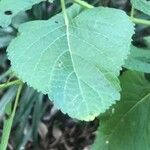
Salvia guaranitica
Hummingbird Sage · Anise-scented Sage · Hummingbird Salvia · Humming bird sage · Amistad
Description
Source: leafsnapSalvia guaranitica, commonly known as Anise-scented Sage or Blue Anise Sage, is a perennial flowering plant in the Lamiaceae family. Native to Brazil and Paraguay, it has gained popularity in gardens worldwide due to its attractive blue flowers and aromatic foliage. The plant can grow up to 1.5 meters tall and features square stems with dark green, slightly hairy leaves that emit an anise-like scent when crushed, contributing to its common name. Salvia guaranitica boasts tubular flowers with two lips, which bloom from mid-summer until fall. While the flowers are typically blue or purple, certain cultivars may produce white or pink flowers. This plant thrives in full sun but can tolerate partial shade in hotter climates. It prefers well-drained, organically rich soil and requires regular watering during dry periods. Salvia guaranitica is also a magnet for pollinators such as bees, butterflies, and hummingbirds, making it an excellent addition to any pollinator garden. Overall, Salvia guaranitica is an easy-to-grow perennial that brings color and fragrance to any garden while attracting beneficial pollinators. Its low maintenance and high rewards make it a fantastic choice for any gardener.
💡 The cultivar 'Blue Enigma' of blue anise sage produces the deepest blue flowers and has received the Royal Horticultural Society's Award of Garden Merit. Additionally, Salvia guaranitica, the species to which this cultivar belongs, is known for attracting hummingbirds.
🌳 Apart from its decorative role, blue anise sage has an important function in maintaining ecological balance. Its flowers are a major nectar source for hummingbirds, bees, and butterflies, supporting pollination. Unexpectedly, blue anise sage also serves as a host plant for certain butterfly species, providing food for their larvae. The plant’s ability to form symbiotic relationships with various pollinators highlights its significance in preserving biodiversity.
🎭 Consideration, long life, wisdom and good health
Care Guide
💧 Water Every 7 days
Blue anise sage flourishes in tropical environments, where it enjoys high humidity and consistent moisture levels. To keep the soil appropriately moist, water the plant weekly, but be careful not to overwater. As a herbaceous perennial, blue anise sage also benefits from mulching, which helps retain moisture throughout the growing season.
How should I water my Blue anise sage plant?
To water the Blue anise sage, you should use filtered water at room temperature. Tap water can harm the plant due to its particles. The plant is used to warm environments, so avoid using cold water. Additionally, don't water it from above as it can cause leaf problems. Instead, thoroughly soak the soil with filtered room temperature water. This helps the roots gather nutrients and spread through the soil.
What should I do if I give my Blue anise sage too much or too little water?
Overwatering is a common issue for Blue anise sage and can cause wilting, yellowing of leaves, and diseases like root rot, mold, and mildew. Underwatering is less common, but can make the leaves brittle and brown. It is important to recognize signs of overwatering early and reduce watering immediately. If the soil drains poorly, replace it with a well-draining potting mix. If your plant shows signs of underwatering, simply water more regularly until the signs go away.
How often do I need to water my Blue anise sage?
If your Blue anise sage is in a pot, the most precise way to determine if it needs water is to stick your finger into the soil. If the top two to three inches of soil are dry, it needs water. The same method applies if you're growing it outdoors in the ground. When the first few inches of soil have dried out, it's time to water the plant. Typically, during spring and early fall, watering once a week is sufficient. However, during extremely hot weather, you may need to water it two or more times a week. It's worth noting that mature, well-established Blue anise sage can handle drought conditions quite well.
How often does my Blue anise sage need to be watered?
To properly water your Blue anise sage, be generous with the amount of water you provide. Wait for the top two to three inches of soil to dry out before watering, and then give the plant a thorough watering that saturates the entire soil. Make sure you add enough water so that it flows out from the drainage holes at the bottom of the pot. If you don't see any excess water draining, it means you didn't water enough, but be careful not to let water accumulate in the soil, as that can harm the plant. On the other hand, if water doesn't drain through the pot, it might indicate poor soil drainage, which is not good for the plant's health. If your Blue anise sage is planted outdoors, about 1 inch of rain per week should be enough.
How do I water my Blue anise sage at different stages of growth?
The water needs of the Blue anise sage can vary depending on its growth stages. In the first few years or after transplanting, it requires more water because it's focused on developing new roots. These roots need more moisture to support future growth. Once it matures, the plant requires less water. Additionally, during the bloom period, the plant may need more water as flower development utilizes a significant amount of moisture.
☀️ Light Full sun
Blue anise sage does best in locations where it gets abundant sunlight throughout the day. It can also endure spots where light is only available in limited amounts. Coming from habitats where ample sun is common, sunlight is essential for the plant’s growth. However, too little sun can slow its development, while too much can scorch the leaves.
What are the sunlight requirements for Blue Anise Sage?
Blue Anise Sage, or Salvia guaranitica, thrives in environments that offer plenty of sunlight throughout the day, but it can also tolerate limited sunlight exposure. For optimal growth, it requires full sun, which means above 6 hours of sunlight daily. Partial sun, or about 3-6 hours of sunlight, is also acceptable. It's important to observe how sunlight moves through your garden to find spots that provide a balance of light and shade, ensuring the plant's well-being.
How does artificial lighting benefit indoor Blue Anise Sage plants?
When natural sunlight is insufficient, especially during winter or in less sunny indoor locations, artificial lighting can be a vital supplement for Blue Anise Sage plants. Adequate lighting promotes faster, healthier growth. LED lights are preferred because they can be customized to provide specific light wavelengths needed by plants. Full sun plants require 30-50W/sq ft of light, partial sun plants need 20-30W/sq ft, and plants accustomed to full shade require 10-20W/sq ft. Lights should be placed 12-36 inches above the plant for 8-12 hours daily to mimic natural sunlight conditions.
What are the symptoms of inadequate light in Blue Anise Sage?
Blue Anise Sage shows several symptoms when exposed to inadequate light, including smaller new leaves, leggy or sparse growth, faster leaf drop, slower or no new growth, and lighter-colored new leaves. These symptoms indicate that the plant is not receiving enough sunlight for optimal growth and photosynthesis. Additionally, excessive sunlight can cause chlorosis, sunscald, leaf curling, wilting, and leaf scorching, highlighting the importance of finding a balance in light exposure.
What are the solutions for Blue Anise Sage experiencing light-related issues?
To address light-related issues in Blue Anise Sage, for indoor plants, gradually move them to sunnier locations to receive at least 6 hours of direct sunlight daily, or use artificial lighting like grow lights for at least 8 hours daily. For outdoor plants, move them gradually to sunnier spots, avoiding sudden changes to prevent sunburn. Removing obstacles that block sunlight or transplanting smaller plants to sunnier areas can also help. Note that parts of the plant damaged by insufficient light may not recover, but new growth should be healthy with improved light conditions.
🌡️ Temperature 15–35°C
Blue anise sage thrives in temperatures between 59 and 95 ℉ (15 to 35 ℃), reflecting the temperature conditions of its native habitat. When seasons change, place the plant in a cooler location in summer and a warmer one in winter to protect it from frost damage.
What are the optimal temperature conditions for Blue anise sage?
Blue anise sage thrives best in temperatures ranging from 59 to 95°F (15 to 35°C), matching its native environment's temperature requirements. Due to some cold tolerance, the plant generally does not require additional cold protection measures when the temperature is above -5°C. However, to cope with different seasons, it is advised to keep the plant in cooler spots during the summer and in warmer spots during the winter to safeguard it against frost damage. In instances where the temperature is expected to dip below -5°C, temporary measures such as wrapping the plant with plastic film, fabric, or other protective materials are necessary until the temperature rises again.
How does Blue anise sage react to low temperatures, and what are the recommended solutions?
Blue anise sage has a moderate tolerance to low temperatures and performs best when kept above 15°C. In winter, it's essential to ensure that the temperature remains above -5°C to prevent damage. If temperatures fall below -10°C, the plant's leaves may begin to droop, and in severe cases, the leaves can wilt and eventually fall off. To protect the plant from such cold impacts, trim off any frost-damaged parts and, before facing low temperatures again, wrap the plant with materials like non-woven fabric or cloth and construct a wind barrier for added protection against cold winds.
What should be done if Blue anise sage experiences high temperatures?
During the summer months, it is crucial to keep Blue anise sage below 35°C to avoid heat stress. When temperatures soar above 41°C, the plant may show signs of distress such as lighter leaf color, dry and withered leaf tips, curling leaves, and increased susceptibility to sunburn. To alleviate these conditions, trim away the sunburned and dried parts of the plant. Moving the plant to a shaded location or using a shade cloth can protect it from the harsh midday and afternoon sun. Additionally, watering the plant in the morning and evening helps maintain soil moisture and supports the plant's health during high temperatures.
💨 Humidity
🪴 Soil 6-6
🌱 Fertilizer
The best time to fertilize Blue anise sage is in early spring, as it comes out of dormancy and begins active growth. Fertilizing supplies essential nutrients for healthy growth. Although Blue anise sage has relatively low fertilization needs, applying fertilizer annually can improve its survival and encourage better, longer-lasting flowers.
Why should I add fertilizer to my Blue anise sage?
Fertilization is important for the Blue anise sage because it provides key nutrients that support the plant's growth both above and below the ground. Although the Blue anise sage has relatively low fertilization needs and can survive without it, annual fertilization can greatly benefit the plant. It helps keep the plant alive and may improve the quality and longevity of its flowers. Therefore, if you want your Blue anise sage to look its best, it is recommended to provide annual fertilization.
When should I fertilize my Blue anise sage?
The best time to fertilize a Blue anise sage is in the late winter to early spring when it is transitioning from dormancy to active growth. Fertilizing during this time promotes healthy growth for the upcoming season. Alternatively, fertilizing in the fall is also acceptable but it is not recommended to feed the plant during summer or winter.
When should I not put fertilizer on my Blue anise sage?
To ensure optimal growth and avoid overfertilization, it is recommended to fertilize your Blue anise sage only in late winter and early spring. This plant has low fertilization needs, so a single feeding per year is sufficient. Fertilizing during spring, summer, and fall can lead to overfertilization and its associated issues. However, if you skipped fertilizing in spring, it is acceptable to provide a feeding in the fall. During the winter, when the Blue anise sage is in a dormant phase without new growth, fertilization is unnecessary and not recommended.
What kind of fertilizer does my Blue anise sage require?
Blue anise sage can thrive with any general-purpose fertilizer that has a good balance of the three main plant nutrients. However, there are specific nutrient blends that can be even more beneficial. Many gardeners believe that high levels of phosphorus lead to stronger roots and better flowers. Since Blue anise sage is a flowering plant, using a fertilizer rich in phosphorus may be the best option. Whether in granular or liquid form, the fertilizer should contain an ample amount of nutrients. Additionally, aside from manufactured fertilizers, you can also improve the soil for your Blue anise sage using organic options such as compost and manure. These materials can greatly contribute to creating a healthy growing environment for your plant.
How should I fertilize my Blue anise sage plant?
To fertilize a Blue anise sage, the most common method is to apply a granular or pellet fertilizer to the soil surrounding the plant. It is important to fertilize when the plant is transitioning from its winter dormant phase to active growth, typically in early spring when shoots start to emerge. If you prefer liquid fertilizer, dilute it with water before applying. Whether you choose granular or liquid fertilizer, it is recommended to moisten the soil before, during, and after application.
🪴 Pot & Repot 2-3 years
When repotting Blue anise sage, select a pot 1-2 inches (2.5–5.1 cm) larger with ample drainage. Use a well-draining potting mix. Repot in spring or fall, making sure the root ball sits slightly lower than the rim of the flower pot. Water thoroughly after repotting and place it in a warm spot with indirect sunlight.
✂️ Pruning
Blue anise sage is known for its vibrant blue flowers and aromatic leaves. To keep the plant healthy, prune it in late winter or early spring, removing any damaged stems and old flower stalks. Avoid heavy pruning during its active growth period, as this can stress the plant. Regular pruning helps improve airflow, reduces the risk of disease, and maintains the plant's shape, promoting healthy development.
🌿 Propagating
🐛 Diseases & pets
☠️ Toxicity
Characteristics
- Plant Type
- Herb
- Life Cycle
- Perennial
- Genus
- Salvia
- Family
- Lamiaceae
- Hardiness Zone
- 8-10
- Mature Height
- 0.61 m to 1.52 m
- Mature Spread
- 0.61 m to 1.52 m
- Leaf Color
- Green
- Leaf Type
- Evergreen, Deciduous
- Flower Color
- Blue, Purple
- Flower Size
- 2.54 cm to 7.62 cm
- Bloom Time
- Summer
- Planting Time
- Spring
- Harvest Time
- Mid summer, Late summer
- Native Area
- Europe, Asia