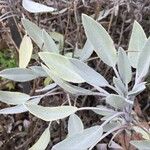
Salvia leucophylla
Purple sage · San Luis purple sage · White-leaf sage
Description
Source: leafsnapSalvia leucophylla, commonly known as purple sage or gray sage, is a perennial shrub native to California and Baja California. This member of the mint family can grow up to 6 feet tall with a spread of 8 feet. It features silvery-gray leaves that emit a strong fragrance when crushed or brushed against. From late spring through summer, the plant produces tubular flowers that range in color from pale lavender to deep purple. Drought-tolerant and favoring well-drained soil in full sunlight, Salvia leucophylla is a popular choice for landscaping. Its appealing foliage, pleasant aroma, and eye-catching flowers make it an attractive addition to gardens. Moreover, it serves as a magnet for pollinators such as bees and butterflies. Historically, Native Americans have utilized this plant for its medicinal properties, treating ailments such as headaches, colds, fever, and sore throats. In summary, Salvia leucophylla is not only a stunning ornamental plant but also offers numerous benefits. Its drought-tolerant nature makes it an excellent choice for water-wise gardens, and it provides medicinal advantages when needed.
🎭 Eternal life, extended lifespan, insight
Care Guide
💧 Water Every 7 days
Purple sage, a plant native to the arid regions of California, is known for its exceptional drought tolerance. It thrives best when watered weekly and actually prefers drier conditions. Ideally grown outdoors, purple sage requires well-draining soil to avoid root rot, as it is sensitive to overly wet environments.
How should I water my Purple sage?
Your Purple sage is not particular about how you water it, so you can use any common watering tool like watering cans, hoses, or even cups. When watering, it's best to apply the water directly to the soil, making sure to moisten all areas equally to provide water to the entire root system. Filtered water is preferable as tap water may contain harmful particles. Using water at or slightly above room temperature is also recommended to avoid shocking the plant. However, the Purple sage generally responds well to any water you give it.
What should I do if I give my Purple sage too much or too little water?
Outdoor plants, especially newly planted ones or seedlings, are often at risk of not receiving enough water. It is important to ensure adequate watering for a few months, especially when the tree is small or recently planted. Once the roots are established, Purple sage can typically rely on rain for hydration. However, when Purple sage is planted in pots, overwatering becomes a common issue. If you accidentally overwater your Purple sage, take immediate action to rectify the situation. Firstly, stop watering the plant to minimize the impact of overwatering. Then, remove the Purple sage from its pot to inspect the roots. If there are no signs of root rot, you can return the plant to its container. In case of root rot, trim the affected roots and apply a fungicide to prevent further damage. Finally, repot the Purple sage in well-draining soil. For underwatered Purple sage, increase watering frequency to address the issue. Underwatering is an easily fixable problem; when leaves droop, dry out, and fall off due to lack of water, they will quickly regain fullness after sufficient watering. Therefore, promptly adjust your watering schedule if you notice signs of underwatering.
How often do I need to water my Purple sage?
Growing most outdoor plants naturally only requires rainfall. However, if your area experiences limited rainfall, you should water your plants sufficiently every 2 weeks in spring and fall. In summer, you'll need to water more frequently, while in winter, when growth slows down, you should water sparingly or not at all. If your Purple sage is young or recently planted, it will need more frequent watering to establish itself and become drought-tolerant. For potted Purple sage, there are two main approaches to determine watering frequency. One way is to follow a set schedule, watering once a week or every other week. However, this method may not consider the specific environmental conditions for your plant. Another approach is to monitor the moisture in the soil. It's best to wait until the top two to four inches of soil (about ⅓ to ½ the depth of the pots) have completely dried out before watering again. It's important to adjust the watering frequency based on the season, as the plant's water needs are highest in summer.
How much water does my Purple sage plant need?
To properly water your Purple sage, you don't always need to use a lot of water. Instead, if only a small amount of soil has dried out since the last watering, give the plant about five to ten ounces of water each time. You can also gauge the amount of water based on the moisture of the soil. Check how many inches of soil have dried out between waterings. To ensure your Purple sage gets enough moisture, water it until all the dry layers of soil have been moistened. If over half of the soil is dry, consider giving it more water. In this case, keep watering until you see excess water draining from the pot's holes. If your Purple sage is in a rainy area outdoors, it may not need additional watering. For young or newly established plants, make sure they receive 1-2 inches of rain per week. As the plant grows, it can rely on rainwater alone. Only during hot weather with no rain for 2-3 weeks should you consider giving the Purple sage a full watering to prevent stress.
How can I know if I am giving enough water to my Purple sage?
Overwatering is a common issue for Purple sage, and there are clear signs to watch for. When overwatered, the leaves turn yellow and may fall off, while the plant structure may shrink and root rot can occur. On the other hand, underwatering causes wilting and leaves that are brown or brittle. If you notice any of these signs, it's important to take action and restore your Purple sage's health.
☀️ Light Full sun
Purple sage grows best in strong sunlight, mirroring the conditions of its native habitat. Plenty of light promotes vigorous growth. Although it can survive in shaded spots, that limitation often causes weaker, slower development. Excessive light is usually not a problem, but inadequate light can be harmful.
What are the sunlight requirements for Purple sage?
Purple sage requires full sunlight for more than 6 hours per day to thrive, as it replicates the conditions found in its native habitat. Although it can survive in shady areas, such conditions may cause the plant to have weaker and slower growth. It's vital to observe your garden's light patterns and choose locations that ensure an adequate balance of sunlight and shade to meet the plant's needs. Overexposure to light is generally not an issue for Purple sage, but underexposure could be detrimental, potentially stunting growth and vitality.
What role does artificial lighting play for indoor Purple sage plants?
Indoor Purple sage plants require sufficient lighting for optimal growth, especially when natural sunlight is insufficient, such as in winter or less sunny spaces. Artificial lighting can be crucial in such situations, promoting healthier and faster growth. LED lights, which can be tailored to the specific light wavelengths needed by the plants, are a popular choice. The amount of artificial light required ranges based on the plant's natural sunlight needs - 30-50W/sq ft for full sun plants, 20-30W/sq ft for partial sun, and 10-20W/sq ft for full shade. Proper distance (12-36 inches above the plant) and duration (8-12 hours per day) of artificial lighting are important factors to mimic natural sunlight conditions effectively.
What are the symptoms of light deficiency in Purple sage?
Purple sage shows several symptoms when suffering from light deficiency, including the growth of smaller new leaves, leggy or sparse growth, faster leaf drop, slower or no new growth, and paler new leaves indicating a lack of chlorophyll and essential nutrients. Chlorosis, or the yellowing of leaves due to chlorophyll breakdown; sunscald, which manifests as pale or necrotic areas on plant tissue; leaf curling as a defense mechanism against extreme sunlight; wilting from excessive water loss; and leaf scorching, characterized by brown, dry, and crispy leaf edges, are other symptoms that may occur from either excessive sunlight or insufficient light exposure.
How can I address light-related issues in Purple sage?
To counteract light-related issues in Purple sage, adjusting the plants' exposure to sunlight is key. For indoor plants, gradually increase exposure to natural light by moving them closer to a south-facing window, ensuring at least 6 hours of direct sunlight daily or supplementing with artificial light if moving the plant isn't feasible. For outdoor plants, it's essential to adjust their location gradually to prevent sunburn, seeking spots with the optimal sunlight. Reducing obstructions like overhanging branches can also improve sunlight access. If necessary, transplanting smaller plants during their dormant period to locations with better sunlight and drainage can help ensure healthier growth. Note that while increasing light exposure can promote new healthy growth, parts of the plant already affected by poor light may not fully recover.
🌡️ Temperature 10–35°C
Purple sage is native to areas where temperatures usually range from 50 to 95 °F (10 to 35 ℃). It prefers a moderate climate and copes with temperature changes very well. During colder months, be sure to protect the plant from any extreme cold below 50 °F (10 ℃).
What is the indigenous climate of purple sage?
Purple sage, known botanically as Salvia leucophylla, is indigenous to regions with temperatures ranging from 50 to 95 °F (10 to 35 °C). It prefers a moderate climate and is adaptable to temperature fluctuations. The plant can withstand cold temperatures well, but should be protected against extreme cold below 50 °F (10 °C).
How do you protect purple sage in winter?
To protect purple sage during winter, especially if temperatures are expected to drop below -25°C, you should wrap the trunk and branches with non-woven fabric or cloth. Before the first freeze of autumn, it's recommended to water the plant thoroughly so the soil remains moist and freezes in that state. This prevents drought and water scarcity for the plant during the cold months.
What should be done if purple sage is exposed to low temperatures below its tolerance?
If purple sage is exposed to temperatures below its tolerance, specifically below -25°C, the branches may become brittle and dry by spring, and no new shoots will appear. To manage this, in spring, prune away any dead branches that have failed to produce new leaves to encourage new growth.
How does high temperature affect purple sage and what are the solutions?
When exposed to high temperatures, specifically above 35°C and especially exceeding 41°C, purple sage's leaves may lighten in color, the tips may become dry and withered, and the plant may become more prone to sunburn. To mitigate these effects, trim away the sunburned and dried-up parts of the plant. Relocate the plant to provide shade during the midday and afternoon sun, or use a shade cloth. Additionally, water the plant in the morning and evening to maintain soil moisture.
💨 Humidity
🪴 Soil 6-8
🌱 Fertilizer
Timing is essential for fertilizing Purple sage. Fertilize in early spring and then once a month through early summer. Fertilizer encourages attractive blooms and supplies energy during both dormant and active growth periods.
Why is it important to add fertilizer to my Purple sage plant?
To ensure your Purple sage produces beautiful blooms, it is crucial to fertilize it. Fertilizing in early spring is particularly beneficial as it allows the plant to have excellent flowers during that season. Moreover, fertilizer provides the Purple sage with ample energy to store in the ground during its dormant growth phases. By supplying extra nutrients during the fall planting process or late spring, the Purple sage can accumulate more energy to utilize when active growth resumes.
When should I fertilize my Purple sage?
To ensure effective fertilization of Purple sage, timing is crucial. Applying fertilizer too early, when the plant is still dormant, is not recommended as it will be ineffective and washed away by rainwater, leading to waste and pollution. The best time to start fertilizing is early spring, and it should be continued monthly until early summer.
When is it not a good idea to add fertilizer to my Purple sage?
To ensure the proper growth of Purple sage, it is important to consider the timing and composition of its fertilizer. Too much nitrogen can result in an abundance of leaves but few blooms, so it is advisable to opt for a fertilizer with a lower nitrogen content compared to other nutrients. Furthermore, it is not recommended to fertilize Purple sage after early autumn, as this can promote excessive growth just before winter. Additionally, avoid fertilizing during hot and dry periods, as dry soil does not effectively deliver nutrients, and stimulating growth at this time may require more water than is available. It is ideal to apply fertilizer earlier in the season when temperatures are cooler. Lastly, keep in mind that Purple sage can absorb nearby fertilizer, so be cautious about inadvertently providing a double-dose to trees and shrubs.
What kind of fertilizer does my Purple sage plant need?
To ensure the healthy growth and blooming of Purple sage, it is recommended to use a fertilizer that contains balanced nutrients with slightly more phosphorus. Another option is to improve the soil by adding organic materials like compost, worm castings, and manure. Experienced gardeners may opt to supplement with water-soluble fertilizers containing phosphorus when flower buds begin to appear. This helps the flowers develop better, resulting in larger and longer-lasting blooms. Fertilizers for Purple sage come in various forms, with liquid or powdered options being particularly effective. Regardless of the form, it is important to dilute the fertilizer and apply it while watering the plant.
How can I make my Purple sage grow better?
To properly fertilize your Purple sage, always follow the directions provided for the specific type of fertilizer and conduct some research on its proper usage. It is crucial to avoid over-fertilizing, so determining the correct amount to use is important. A general guideline is to use the age of the tree or the diameter of the trunk to estimate the appropriate amount - around one-tenth of a pound per year or per inch of trunk, with a maximum of one pound. Apply granular fertilizers or organic options like blood meal by sprinkling them around the base of the tree all the way to the drip line (the area beneath the farthest-reaching branches). However, ensure that the fertilizer does not come into contact with the trunk. Over time, the granules will break down and filter into the soil, allowing absorption into the roots. After fertilizing, spread a layer of compost around the base of the tree, approximately one inch deep, and water it thoroughly.
🪴 Pot & Repot 2-3 years
Repot your purple sage every 2 to 3 years in the spring, using a pot that is about 2 inches (5 cm) larger than the current one. After repotting, place the plant in direct sunlight and provide it with moderate watering. Make sure to use well-draining soil to maintain the plant's health. Although purple sage is hardy, following these care steps will help it establish and grow better.
✂️ Pruning
Purple sage is known for its silvery leaves and beautiful purple flowers. To keep it healthy, prune about one-third of the plant in late spring. This shaping not only removes any damage but also encourages denser growth and better air circulation. However, avoid heavy pruning in winter, as it can make the plant susceptible to frost damage.
🌿 Propagating
🐛 Diseases & pets
☠️ Toxicity
Characteristics
- Plant Type
- Shrub
- Life Cycle
- Perennial
- Genus
- Salvia
- Family
- Lamiaceae
- Hardiness Zone
- 6-10
- Mature Height
- 0.91 m to 1.52 m
- Mature Spread
- 0.91 m to 1.52 m
- Leaf Color
- Green, Gray
- Leaf Type
- Evergreen, Semi-evergreen
- Flower Color
- Lavender, Pink
- Flower Size
- 2.54 cm
- Bloom Time
- Mid spring, Late spring, Summer
- Planting Time
- Spring, Autumn
- Harvest Time
- Mid summer, Late summer, Early fall
- Native Area
- Mexico