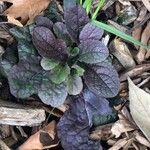
Salvia lyrata
Lyre-leaf sage · Cancerweed · Lyreleaf sage
Description
Source: leafsnapSalvia lyrata, commonly known as lyreleaf sage, is a herbaceous perennial plant in the mint family. Native to North America, it thrives in diverse habitats including woodlands, meadows, and prairies. The plant reaches up to 2 feet in height and spreads about 1 foot wide. Its basal leaves are distinctively shaped like a lyre or harp, with deep lobes that contribute to its appealing appearance. In late spring or early summer, Salvia lyrata produces flowers on tall spikes that rise above the foliage. These tubular flowers feature two lips: the upper lip is blue-purple, while the lower lip is white with purple spots. The flowers attract bees, butterflies, and hummingbirds. Salvia lyrata prefers moist soil but can tolerate drought conditions once established. It grows well in full sun to partial shade, though it prefers partial shade in hot climates. Historically, Native Americans have used the plant for medicinal purposes, treating ailments such as sore throats, coughs, colds, and fever blisters. In summary, Salvia lyrata is an attractive perennial herb native to North America, known for its beautiful blue-purple flowers on tall spikes and lyre- or harp-shaped basal leaves. It prefers moist soil but is drought-tolerant once established. It grows best in full sun to partial shade, especially favoring partial shade in hot climates. Additionally, Native Americans have utilized its medicinal properties for treating various ailments like sore throats.
💡 Create a welcoming environment for both plants and pollinators. The lyreleaf sage attracts bees and butterflies with its sweet nectar but also serves as a home for many aphids. Although aphids are not always desirable in gardens, they are a favorite food of ladybug larvae. These beneficial guests are highly valued because they can consume their weight in aphids each day.
🌳 The modest lyreleaf sage has several notable uses. It is highly regarded for its potential healing properties and has been valued by indigenous people for millennia. In cooking, its small purple flowers are used in salads and as decorative toppings. Additionally, beekeepers prize lyreleaf sage because its nectar-rich blooms provide consistent nourishment for bees and aid honey production.
🎭 Eternal life, prolonged lifespan, insight, recovery
Care Guide
💧 Water Every 7 days
Lyreleaf sage flourishes in moist meadows and woodlands, requiring soil that remains evenly damp but not waterlogged. It is important to water it weekly, particularly during the growing season when its need for water increases. Moderate humidity is ideal, so growing it outdoors can be advantageous, as natural rainfall can help meet its irrigation needs.
How should I water my Lyreleaf sage plant?
To properly water the Lyreleaf sage, it is best to use filtered water at room temperature. Tap water may contain harmful particles that can negatively affect the plant's health. It is important to use room temperature or slightly warm water because the Lyreleaf sage is adapted to a warm environment and cold water can be a shock to its system. Instead of watering from above, which can cause issues with the foliage, it is recommended to apply the filtered room temperature water directly to the soil until it is completely saturated. This method helps to moisten the roots and allows them to continue spreading through the soil to absorb the necessary nutrients.
What should I do if I give my Lyreleaf sage too much or too little water?
Overwatering is a more common issue than underwatering for Lyreleaf sage. When this plant receives too much water, its stems and leaves wilt and turn yellow. Overwatering over time can also lead to diseases like root rot, mold, and mildew that can kill the plant. Underwatering is less likely, as Lyreleaf sage is drought-tolerant. However, if underwatering occurs, the leaves become brittle and brown. It is crucial to identify signs of overwatering early to prevent irreparable damage, such as root rot. Reduce watering immediately if you notice these signs and consider checking the soil's drainage. If it drains poorly, replace it with well-draining potting mix. On the other hand, if signs of underwatering are present, water the plant regularly until the signs disappear.
How frequently do I need to water my Lyreleaf sage plant?
If your plant is in a pot, the most precise way to determine if your Lyreleaf sage needs water is to check the soil by sticking your finger into it. If the first two to three inches of soil are dry, it's time to water the plant. The same method can be used if you have your Lyreleaf sage planted outdoors in the ground. When the first few inches of soil have dried out, it's time to water. Typically, in the spring and early fall, watering once a week is sufficient. However, in extremely hot weather, you may need to water twice a week or even more. It's worth noting that mature and well-established Lyreleaf sage plants can withstand drought conditions impressively well.
How often should I water my Lyreleaf sage plant?
To make sure your Lyreleaf sage gets enough water, don't be afraid to give it a good amount. Wait until the top 2-3 inches of soil are dry, then water the plant thoroughly by soaking the soil. Make sure to add enough water so that the excess water drains out from the bottom of the pot. If you don't see any excess water draining, it means you haven't watered enough. However, be careful not to let the water accumulate in the soil, as this can harm the plant. On the other hand, if you notice that the water doesn't drain well, it may indicate that the soil isn't draining properly, which is not good for the plant. If your Lyreleaf sage is outside, 1 inch of rain per week should be enough.
How should I water my Lyreleaf sage during different stages of growth?
The water needs of the Lyreleaf sage can vary depending on its growth stages. In the first few years or after transplanting, it requires more water because it focuses on developing new roots. These roots need extra moisture to support future growth. As the plant matures, it will need less water. Additionally, during the bloom period, extra water may be necessary to support flower development.
☀️ Light Full sun
Lyreleaf sage prefers sunny locations, thriving in direct sunlight throughout the day while also tolerating occasional shaded spots. Ample sun promotes healthy growth. Excessive exposure can be harmful, causing leaf burn, whereas too little light may suppress growth.
What are the sunlight requirements for Lyreleaf Sage?
Lyreleaf sage flourishes in environments bathed in sunlight, requiring full sun exposure of more than 6 hours of sunlight daily to thrive. However, it can also adapt to partial sun conditions, receiving about 3-6 hours of sunlight. Observing how sunlight traverses your garden throughout the day helps in selecting the ideal location that ensures a harmonious balance of light and shade, crucial for the plant's optimum growth and happiness.
How important is sunlight for the growth of Lyreleaf Sage?
Sunlight plays a pivotal role in the healthy growth of Lyreleaf sage, as it prefers to bask in clear rays for the majority of the day while tolerating some shade. The sun's energy not only fosters its growth but is essential in preventing issues related to overexposure, such as leaf burn, or underexposure, which can hinder the plant's growth. For indoor plants where natural sunlight is insufficient, especially during winter or in less sunlit spaces, artificial lighting becomes crucial. Opting for the right kind of artificial light, such as LED lights, can simulate natural conditions, promoting healthier, faster growth. These artificial lights should provide 30-50W/sq ft for full sun plants, 20-30W/sq ft for partial sun plants, and 10-20W/sq ft for full shade plants, mimicking the plant's natural light requirements as closely as possible.
What are the signs of inadequate sunlight for Lyreleaf Sage?
Inadequate sunlight impacts the Lyreleaf sage in several ways, affecting its growth and health. Signs of insufficient light include smaller new leaves compared to mature ones, leggy or sparse growth making the plant appear thin and stretched, early dropping of older leaves to conserve energy, and a delay or complete halt in new growth as the plant enters survival mode. Pale or irregularly colored new leaves and chlorosis, where leaves lose their green color, indicate a lack of essential nutrients and chlorophyll due to inadequate sunlight. Additionally, excessive sunlight can lead to sunscald, leaf curling as a protective measure, wilting due to increased water loss, and leaf scorching characterized by brown or crispy leaf edges.
How can light exposure be optimized for Lyreleaf Sage?
To optimize light exposure for Lyreleaf Sage, a gradual adjustment to the plant's light environment is key. For indoor plants, moving the plant progressively each week to a sunnier spot, ideally near a south-facing window, ensures it gets at least 6 hours of direct sunlight daily. Artificial lighting, such as desk lamps or professional grow lights, can supplement natural light, especially for larger plants that are harder to move. Outdoors, gradually transitioning plants to sunnier locations helps them adapt without the risk of sunburn. Pruning nearby trees or bushes can also improve sunlight access. For ground plants, transplanting during the dormant period to a location with better sunlight and drainage is beneficial. It's critical to note that while affected parts of the plant might not recover, new growth will be healthy once the light exposure is increased.
🌡️ Temperature 15–35°C
Lyreleaf sage grows best at temperatures of 59 to 95℉ (15 to 35℃). It is commonly found in temperate regions, which indicates a preference for moderate temperatures. During winter months, it is recommended to reduce watering and provide some protection against frost.
What are the optimal growth temperatures for Lyreleaf sage?
Lyreleaf sage thrives in a temperature range of 59 to 95°F (15 to 35°C), which indicates its preference for moderate temperatures typically found in temperate regions. Although the plant possesses strong cold resistance, making special frost protection measures usually unnecessary during winter, it's crucial to provide cold protection if winter temperatures are expected to drop below -15°C. This can be accomplished by covering the plant with soil or straw. Additionally, it's recommended to water the plant abundantly before the first freeze of autumn to keep the soil moist, which helps the plant avoid drought and water scarcity during winter and early spring.
How does Lyreleaf sage respond to low temperatures?
Lyreleaf sage is quite cold-tolerant, optimally performing when temperatures are above 15°C and should be maintained above -10°C during winter. If temperatures fall below -15°C, you might not notice any immediate changes in the plant during winter, but there could be a decrease or complete absence of sprouting in spring. To address this, any parts of the plant that fail to sprout in spring should be removed.
What should I do if Lyreleaf sage is exposed to high temperatures?
During the summer, it's essential to ensure that Lyreleaf sage's environment does not exceed 35°C. Exposure to temperatures above 41°C can lead to the leaves becoming lighter in color, prone to curling, susceptible to sunburn, and, in severe cases, causing the entire plant to wilt and dry. If such conditions occur, the sunburned and dried-up parts of the plant should be trimmed away. You can also protect the plant from the harsh midday and afternoon sun by moving it to a shaded location or using a shade cloth. To keep the soil moist, water the plant in the morning and evening.
💨 Humidity
🪴 Soil 6-7
🌱 Fertilizer
One fertilizer application in spring is generally enough for Lyreleaf sage, although several feedings can maximize growth. Feed about once every month to month and a half. Fertilizing improves the leaves' appearance and function, helping maintain even color and a healthy texture. It also promotes root development and nutrient uptake for the plant's long-term health.
Why is it necessary to add fertilizer to my Lyreleaf sage?
The leaves are a crucial part of the structure of Lyreleaf sage. Fertilization is important for maintaining the leaves' appearance and function. By fertilizing properly, you can ensure the leaves have consistent color and a healthy texture. Fertilization also supports root growth, helping the plant establish new roots and maintain existing ones. This not only keeps the plant healthy now but also improves its ability to absorb nutrients from the soil in the future.
When should I fertilize my Lyreleaf sage?
If you grow your Lyreleaf sage outdoors, it will start sending out new growth in early spring, indicating that it's time to fertilize. Usually, one round of fertilizer in the spring is enough for the plant to thrive. However, if you want to promote maximum growth, you can apply fertilizer multiple times during the spring and early summer. In this case, feeding your Lyreleaf sage once every month to a month and a half would be ideal.
When should I not fertilize my Lyreleaf sage?
During the late fall and winter, your Lyreleaf sage will become dormant and stop growing. It is important to refrain from fertilizing it during this period. If you do choose to fertilize it in the spring and summer, gradually reduce the amount of fertilizer as summer approaches, since the growth rate of the Lyreleaf sage will also slow down. It is never a good idea to fertilize the Lyreleaf sage during extremely hot weather or when the soil is very dry, as it can cause undue stress and premature death.
What kind of fertilizer does my Lyreleaf sage require?
Choosing the right fertilizer for a Lyreleaf sage is actually quite simple. These plants thrive on a general-purpose garden fertilizer that contains equal amounts of nitrogen, phosphorus, and potassium. Look for a fertilizer with a ratio of 10-10-10 or something similar for best results. Avoid fertilizers with high nitrogen levels if you're unsure. Granular fertilizers are typically the best option, as they are slow-release and easy to apply to the soil. Additionally, feeding your Lyreleaf sage with an organic soil amendment like compost can be beneficial.
How do I make my Lyreleaf sage grow better?
To ensure successful growth of your Lyreleaf sage in early spring, wait until the first leaves just break through the soil surface. Once you observe this, apply a balanced granular slow-release fertilizer around the base of the plant. If desired, you can repeat this process later in the season. Remember to apply the fertilizer to the soil, not the plant itself. In some cases, you may need to move some leaves aside to access the soil above the roots. Additionally, it is recommended to water your Lyreleaf sage before and after fertilizing.
🪴 Pot & Repot 2-3 years
When repotting Lyreleaf sage, select a pot 1-2 inches (2.5–5.1 cm) larger with ample drainage. Use a well-draining potting mix. Repot in spring or fall, making sure the root ball is slightly lower than the rim of the flower pot. Water thoroughly after repotting and place in a warm spot with indirect sunlight.
✂️ Pruning
Lyreleaf sage benefits from pruning between early and late spring. To promote bushier growth, trim away dead foliage and spent stems, and reduce the size of established plants by one-third. Be sure to use clean, sharp tools to prevent the spread of disease. Regular pruning not only enhances the plant's appearance but also supports its overall health and vitality.
🌿 Propagating
🐛 Diseases & pets
☠️ Toxicity
Characteristics
- Plant Type
- Herb
- Life Cycle
- Perennial
- Genus
- Salvia
- Family
- Lamiaceae
- Hardiness Zone
- 7-10
- Mature Height
- 20 cm to 61 cm
- Mature Spread
- 15 cm to 30 cm
- Leaf Color
- Green
- Leaf Type
- Evergreen, Deciduous
- Flower Color
- Lavender
- Flower Size
- 2.54 cm to 7.62 cm
- Bloom Time
- Mid spring, Late spring, Early summer
- Planting Time
- Spring, Summer
- Harvest Time
- Early summer, Mid summer