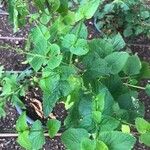
Salvia patens
مریم گلی · Blue sage · Sage · Gentian sage · Hummingbird Sage
Description
Source: leafsnapSalvia patens, the gentian sage or spreading sage, is a species of flowering plant in the sage family Lamiaceae that is native to a wide area of central Mexico. This herbaceous perennial was introduced into horticulture in 1838 and popularized a hundred years later by the Irish gardener and botanist William Robinson (1838-1935).
Care Guide
💧 Water Every week
Sage, which originates from high-altitude climates, is drought-tolerant and prefers its soil to be slightly dry between weekly waterings. As a herbaceous perennial, it requires more water during its active growing season to encourage lush foliage and vibrant blooms.
How should I water my Sage plant?
To ensure the health of your Sage plant, it is recommended to water it with filtered water that is at room temperature or slightly warmer. This is because tap water may contain harmful particles. Sage plants thrive in warm environments, so using cold water can shock them. Also, it is best to avoid overhead watering as it can cause issues with the foliage. Instead, gently water the soil with filtered room temperature water until it is fully soaked. This helps to moisten the roots and allows them to spread through the soil to gather necessary nutrients.
What should I do if I give my Sage plant too much or too little water?
Both overwatering and underwatering can harm your Sage plant, but overwatering is more common. If you give your Sage too much water, the stems and leaves may wilt and turn yellow. Overwatering for a long time can also result in root rot, mold, and mildew, which can kill the plant. Underwatering is less likely to happen as Sage has good tolerance to drought. However, underwatering is still possible, and it will cause the leaves to become brittle and brown. So, it's important to quickly recognize signs of overwatering when taking care of your Sage plant. Some diseases caused by overwatering, like root rot, may be irreversible if not addressed promptly. If you notice early signs of overwatering, reduce your watering schedule immediately. Also, consider the soil drainage where your Sage plant is growing. If it drains poorly, replace it with loose, well-draining potting mix. On the other hand, if signs indicate your Sage is not getting enough water, simply water more regularly until the signs disappear.
How often should I give water to my Sage plant?
If your Sage plant is in a pot, the most precise way to determine if it needs water is to check the soil with your finger. If the top two to three inches of soil are dry, it's time to water it. If you grow your Sage plant outdoors in the ground, you can use a similar method to check the soil. When the top few inches of soil are dry, it's time to water. Generally, during spring and early fall, you'll need to water the plant about once a week using this method. However, in extremely hot weather, you may need to increase watering to about twice a week or more. It's worth noting that mature, well-established Sage plants are quite drought-tolerant.
How much water should I give to my Sage plant?
To properly water your Sage plant, be generous with the amount of water you give. Wait until the top two to three inches of soil are dry and then thoroughly water the plant, making sure the soil is completely soaked. It's important to add enough water so that excess water drains out of the pot through the drainage holes. If you don't see any excess water draining, you might not have given enough water. However, be cautious not to let water accumulate in the soil, as this can harm the plant. On the other hand, if water doesn't drain through the pot, it could mean that the soil doesn't drain well, which is not good for the plant's health. For outdoor Sage plants, receiving 1 inch of rain per week will be sufficient.
How do I water my Sage at different stages of growth?
The water needs of Sage can vary depending on its growth stages. When Sage is young or newly transplanted, it requires more water due to the energy it puts into growing new roots. These roots need extra moisture to support future growth. As Sage matures, its water needs decrease. Another stage where it might require more water is during the bloom period, as flower development uses a significant amount of moisture.
☀️ Light Full sun
Sage does best with extensive exposure to the sun, reflecting its native habitat where shade is absent. The plant's health improves with ample sunlight, encouraging vigorous growth. Excessive sun is seldom harmful, while insufficient light can result in stunted growth and poor flowering.
What are the sunlight requirements for Sage?
Sage requires full sun exposure, thriving best with more than 6 hours of sunlight daily. It's essential to observe your garden's sunlight patterns to choose spots that offer a balance of light and shade, ensuring the plants' happiness. Full sunlight mirrors Sage's natural habitat conditions, promoting healthy, robust growth. Overexposure to the sun is rarely harmful to Sage, but insufficient sunlight can lead to stunted growth and poor blooming.
How can artificial lighting benefit indoor Sage plants?
Artificial lighting can be crucial for the growth of indoor Sage plants, especially in conditions where natural sunlight is insufficient, like during winter or in less sunny spaces. LED lights are recommended due to their ability to provide specific wavelengths needed by plants. For full sun plants, 30-50W per square foot is necessary; partial sun plants require 20-30W per square foot, and full shade plants need 10-20W per square foot. The artificial light source should be placed 12-36 inches above the plant, mimicking natural sunlight's distance, and provided for 8-12 hours per day to simulate natural daylight hours adequately.
What are the symptoms of insufficient sunlight in Sage plants?
Symptoms of insufficient sunlight in Sage plants include smaller new leaves, leggy or sparse growth, faster leaf drop, slower or no new growth, lighter-colored new leaves, and symptoms of overexposure like chlorosis, sunscald, leaf curling, wilting, and leaf scorching. These signs indicate the plant's struggle under inadequate light, leading to reduced chlorophyll and essential nutrient levels, affecting the plant's ability to photosynthesize and maintain overall health.
What solutions can be applied to improve light conditions for Sage?
To optimize growth, gradually acclimate your Sage to receive at least 6 hours of direct sunlight daily, using a south-facing window for indoor plants. Consider utilizing artificial lighting, such as desk or ceiling lamps for at least 8 hours daily or invest in professional plant grow lights. For outdoor plants, move them gradually to sunnier spots, avoiding sudden changes to prevent sunburn. If direct sunlight is obstructed, identify and reduce these obstructions, considering pruning or transplanting to a location with better sunlight and drainage.
🌡️ Temperature 0–32.2°C
Sage originates from regions where temperatures typically range from 68 to 95 °F (20 to 35 ℃). The plant favors these warmer conditions but may need seasonal adjustments in artificial settings to replicate its natural habitat.
What are the ideal growth conditions for Sage?
Sage, scientifically known as Salvia patens, flourishes in climates where temperatures range from 68 to 95 °F (20 to 35 °C). It is naturally adapted to warmer environments and can tolerate a wide temperature range without requiring special frost protection measures in winter. Although Sage possesses strong cold resistance, it's beneficial to take steps to protect it in regions where temperatures may plummet below -35°C by covering the plant with soil or straw. Additionally, it's advisable to water the plant abundantly before the first freeze in autumn to maintain soil moisture, which supports the plant's health during the cold months.
How does low temperature affect Sage and what can be done?
Sage is a cold-tolerant plant that performs best when temperatures remain above 20°C. However, it can survive winter temperatures above 0°C. If temperatures drop below -35°C, Sage may not exhibit noticeable changes immediately, but there can be a decrease in sprouting or a complete lack of sprouting come spring. To manage this, it's recommended to remove any parts of the plant that have failed to sprout in spring as part of the plant's reinvigoration process.
How does high temperature affect Sage and what solutions are recommended?
During the summer, it is important to ensure that Sage doesn't experience temperatures above 35°C; temperatures exceeding 38°C can cause the leaves to lighten in color, curl, become susceptible to sunburn, and, in severe cases, lead to the entire plant wilting and drying out. Solutions include pruning the sunburned and dried parts of the plant and relocating it to a shaded area or using a shade cloth to protect it from midday and afternoon sun. Additionally, watering the plant in the morning and evening will help keep the soil moist and support the plant's health through high temperatures.
💨 Humidity
🪴 Soil 6-7
🌱 Fertilizer
The best time to fertilize a Sage is in early spring, as it comes out of dormancy and begins active growth. Fertilization supplies essential nutrients for healthy development. Although Sage has relatively low fertilizer requirements, applying fertilizer annually can improve its survival and encourage better, longer-lasting flowers.
Why should I put fertilizer on my Sage plant?
Fertilization is important for Sage plants for multiple reasons. It provides essential nutrients for the plant's growth above and below the ground. Although Sage has relatively low fertilization needs and can sometimes survive without it, annual fertilization can greatly benefit the plant. It helps keep the Sage alive and encourages the production of lasting, vibrant flowers. Therefore, those wishing to enhance their Sage's appearance should prioritize annual fertilization.
When should I fertilize my Sage plant?
The best time to fertilize a Sage is in late winter to early spring when it is transitioning from dormant to active growth. Fertilizing at this time promotes healthy growth and helps the plant start the season off well. It is also possible to fertilize a Sage in the fall, but it is not recommended during summer or winter.
When is it not a good idea to add fertilizer to my Sage plant?
To avoid overfertilization and its complications, it is best to only fertilize your Sage during late winter and early spring. This plant has low fertilization needs, so one feeding per year is sufficient. If you didn't fertilize in spring, it is acceptable to feed it in fall. It is not necessary to fertilize during the winter, as the Sage will be in a dormant phase and not grow.
What kind of fertilizer does my Sage plant need?
Sage plants can thrive with a general-purpose fertilizer that has an equal amount of the three main nutrients. However, there are specific nutrient blends that can be more beneficial. Some gardeners believe that higher phosphorus levels strengthen roots and improve flower production, making it a good choice for Sage. Both granular and liquid fertilizers work well as long as they contain sufficient nutrients. Additionally, you can enhance the soil for your Sage using organic methods such as compost, manure, or similar materials. These organic additions help create a healthy growing environment for your Sage plant.
How should I add fertilizer to my Sage plant?
To fertilize a Sage plant, the most common method is to use a granular or pellet fertilizer. It is important to fertilize during the plant's active growth phase, which typically occurs after the winter dormant period. In early spring, when shoots begin to emerge from the soil, you can apply the fertilizer. Alternatively, some people prefer to use liquid fertilizer, which should be diluted with water before applying. Regardless of the type of fertilizer used, it is recommended to moisten the soil before, during, and after applying.
🪴 Pot & Repot 2-3 years
To ensure optimal growth for your sage plant, repot it every 2 to 3 years in the spring. Choose a larger pot with good drainage to allow the roots to expand. After repotting, place the plant in indirect light and keep the soil consistently moist. Be careful not to overwater, as this can lead to root rot. Following these steps will help your sage produce healthy blue blooms.
✂️ Pruning
Sage is known for its striking blue flowers and delicate leaves. To promote a bushier plant, prune it in early to late spring, reducing the height by one-third. Regularly remove spent blooms to encourage continuous flowering. Proper pruning helps improve the plant's shape, vigor, and flower production. For the best results, consult reliable sources for care practices tailored to your specific climate.
🌿 Propagating
🐛 Diseases & pets
☠️ Toxicity
Characteristics
- Plant Type
- Herb
- Life Cycle
- Perennial, Annual
- Genus
- Salvia
- Family
- Lamiaceae
- Hardiness Zone
- 3-8
- Mature Height
- 30 cm to 61 cm
- Mature Spread
- 30 cm to 61 cm
- Leaf Color
- Green
- Leaf Type
- Deciduous
- Flower Color
- Blue
- Flower Size
- 2.54 cm to 5.08 cm
- Bloom Time
- Summer, Fall
- Planting Time
- Spring
- Harvest Time
- Late summer, Fall, Early winter
- Native Area
- Mexico, Guatemala