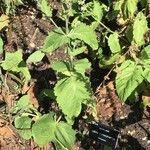
Salvia transsylvanica
Description
Source: leafsnapSalvia transsylvanica is a herbaceous perennial native to a wide area from north and central Russia to Romania. It was described and named in 1853 by botanist Philipp Johann Ferdinand Schur, with the specific epithet referring to the Transylvanian Alps located in central Romania. It was introduced into horticulture in the 1980s.Salvia transsylvanica puts out several lax 2 feet (0.61 m) stems from a basal clump of leaves. The leaves that grow on the stem vary in size—being larger at the bottom—with the upper side being dark yellow-green and the underside pale with yellow veins. The leaves are very scalloped around the edges. The flowers are slightly longer than 0.5 inches (1.3 cm), and have a rich violet color, growing in loose whorls that are about .5 inches (1.3 cm) apart. Many flowers bloom at once, giving the plant a very colorful and striking appearance.
Care Guide
💧 Water
Salvia transsylvanica thrives in moderate climates and requires consistent moisture, though it should not be waterlogged. To maintain its vitality, it benefits from weekly watering. This herbaceous perennial flourishes with seasonal rains, as its growth cycle is closely tied to water availability and optimal conditions.
☀️ Light Full sun
Transylvanian Sage is a sun-loving herbaceous perennial native to open habitats, frequently thriving in meadows and grasslands. It prefers full sun but can also tolerate partial sun.
🌡️ Temperature 5–35°C
Transylvanian Sage can tolerate a wide range of temperatures, but its distribution may nevertheless be restricted by different combinations of moisture and heat. It does best in warm summer climates with sufficient rainfall or regular watering. Extended periods of cloudy, rainy weather or prolonged high temperatures can raise the chances of Transylvanian Sage dying. In winter, adequate protection from cold increases the plant's likelihood of surviving.
💨 Humidity
🪴 Soil 6-7
🌱 Fertilizer
The best time to fertilize Transylvanian Sage is in early spring, as it breaks dormancy and starts active growth. Fertilizing supplies essential nutrients needed for healthy development. Although Transylvanian Sage requires relatively little fertilizer, applying it annually can improve its survival and encourage healthier, longer-lasting flowers.
🪴 Pot & Repot
✂️ Pruning
🌿 Propagating
🐛 Diseases & pets
☠️ Toxicity
Characteristics
- Plant Type
- Herb
- Life Cycle
- Perennial
- Genus
- Salvia
- Family
- Lamiaceae
- Hardiness Zone
- 5-9
- Mature Height
- 61 cm to 91 cm
- Mature Spread
- 49 cm
- Leaf Color
- Green, Dark Green
- Leaf Type
- Deciduous
- Flower Color
- Purple
- Flower Size
- 1.02 cm to 2.03 cm
- Bloom Time
- Summer
- Planting Time
- Spring, Summer
- Harvest Time
- Late summer, Early fall, Mid fall
- Native Area
- Romania