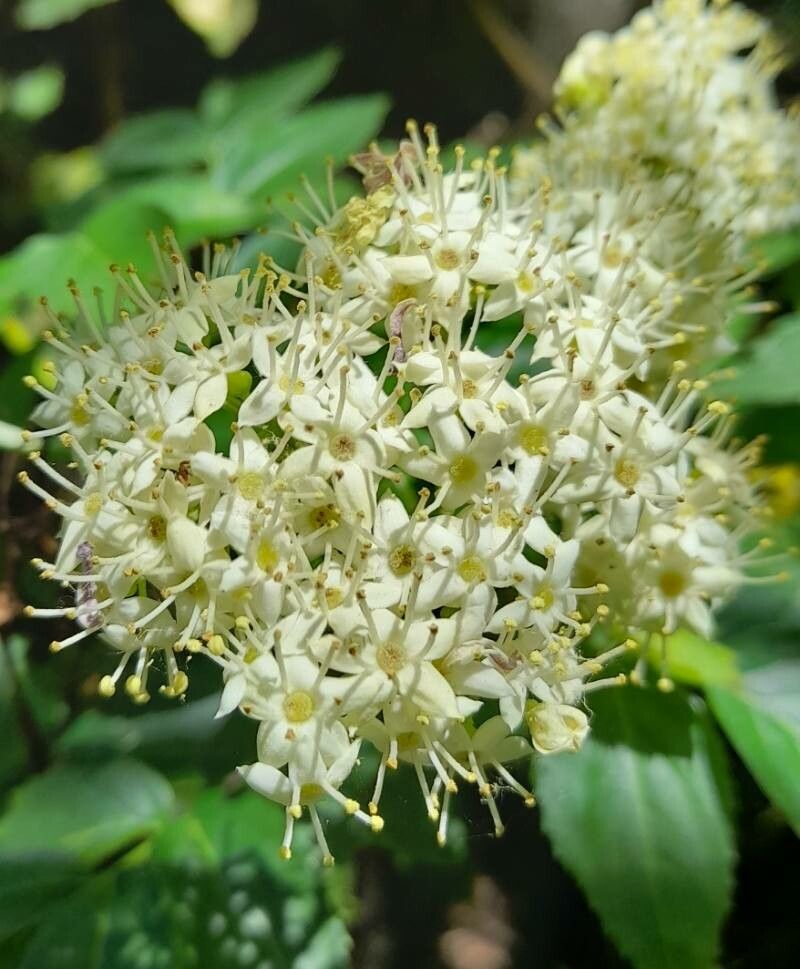
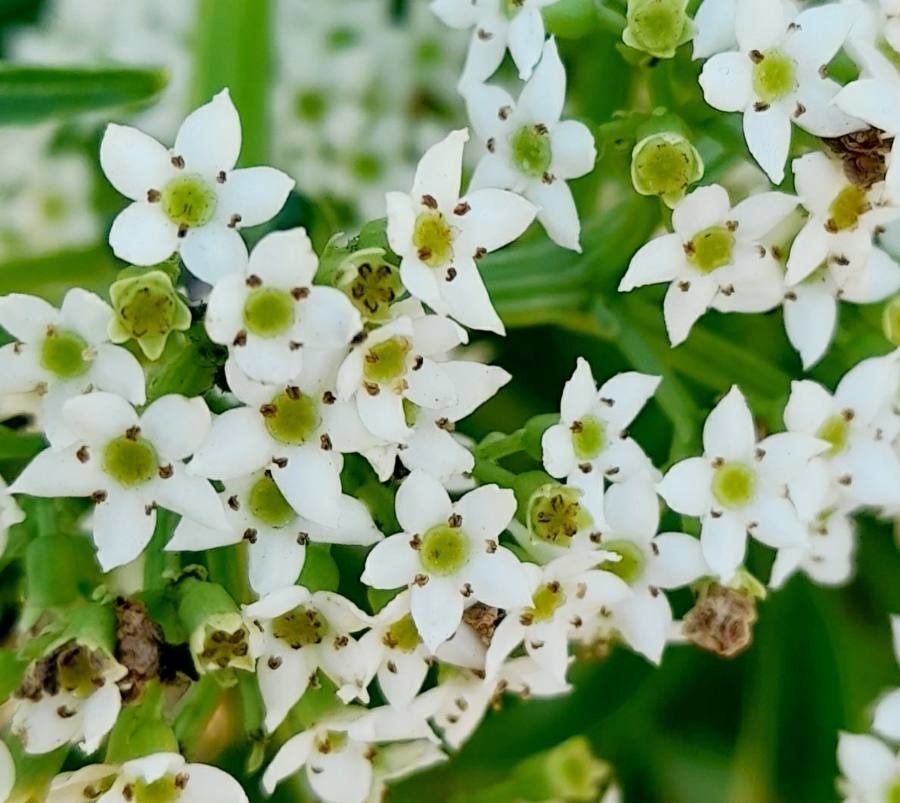
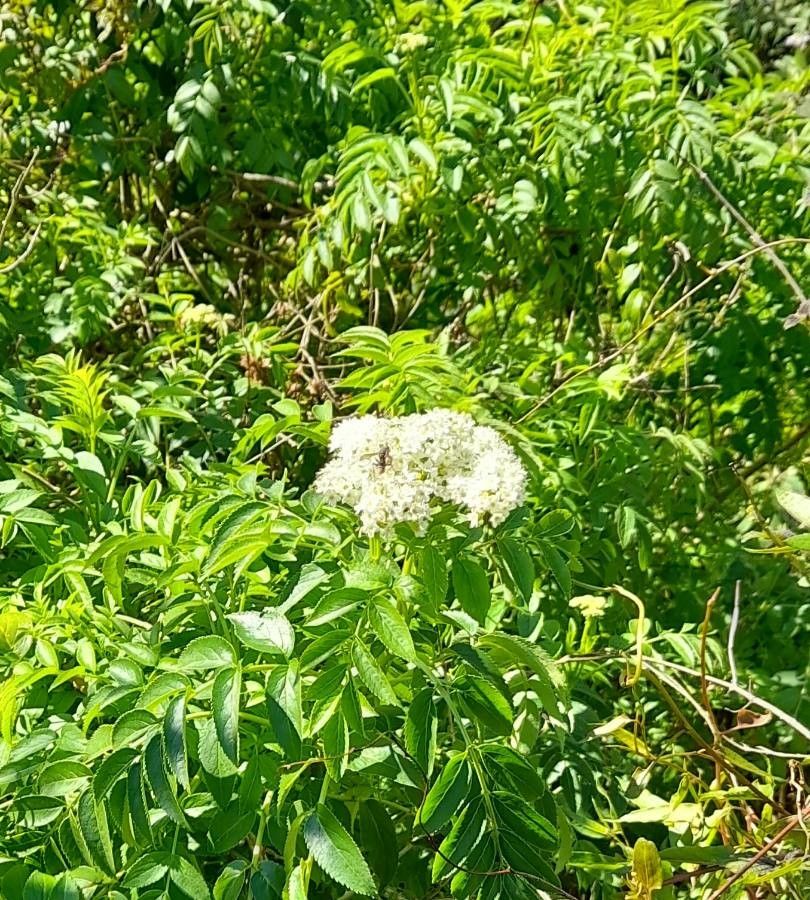
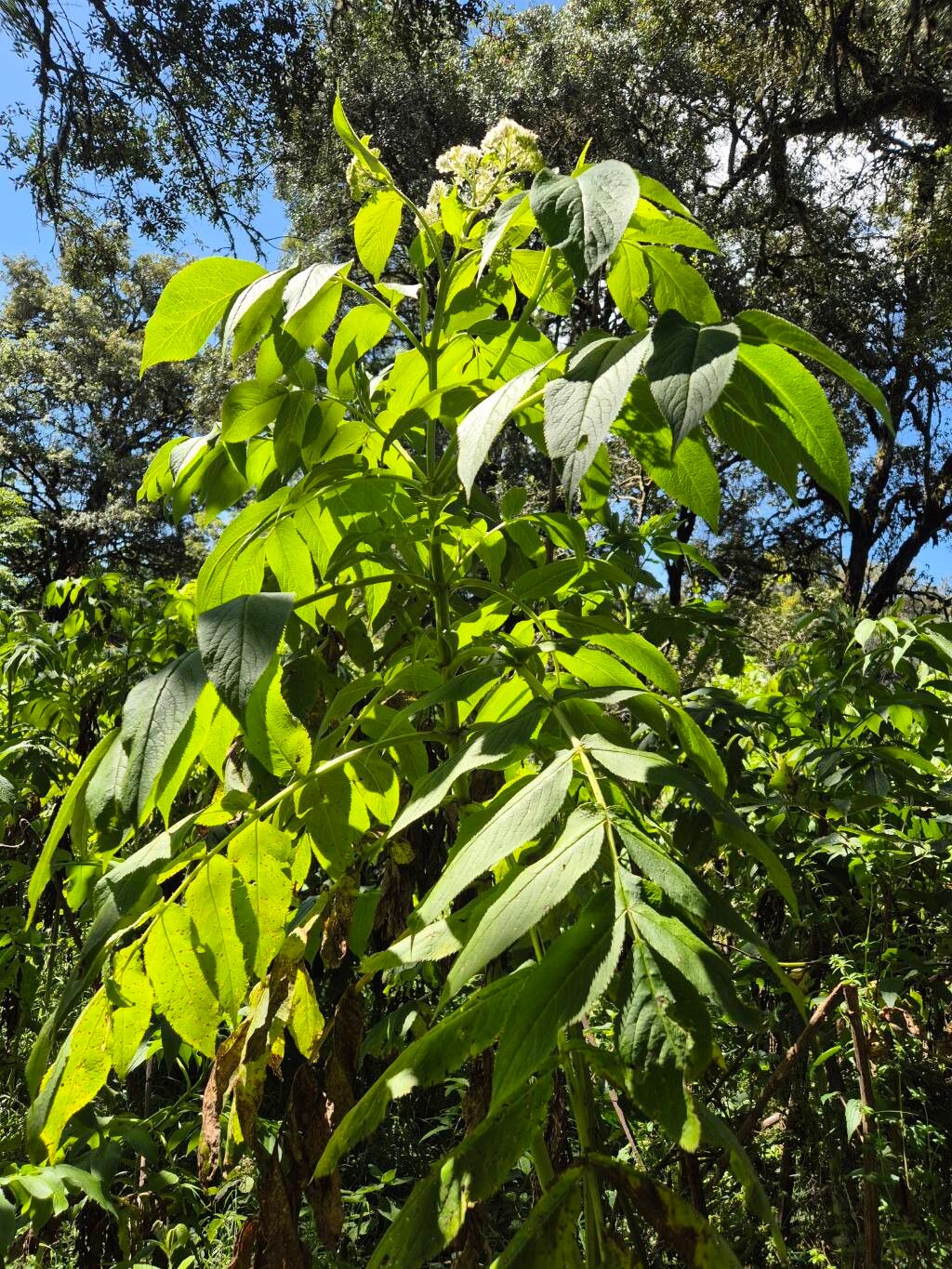
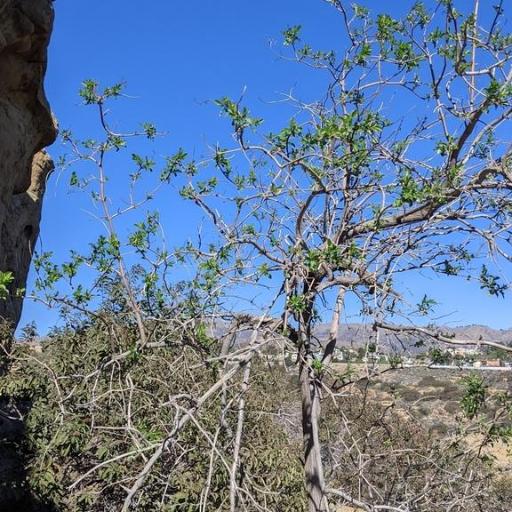
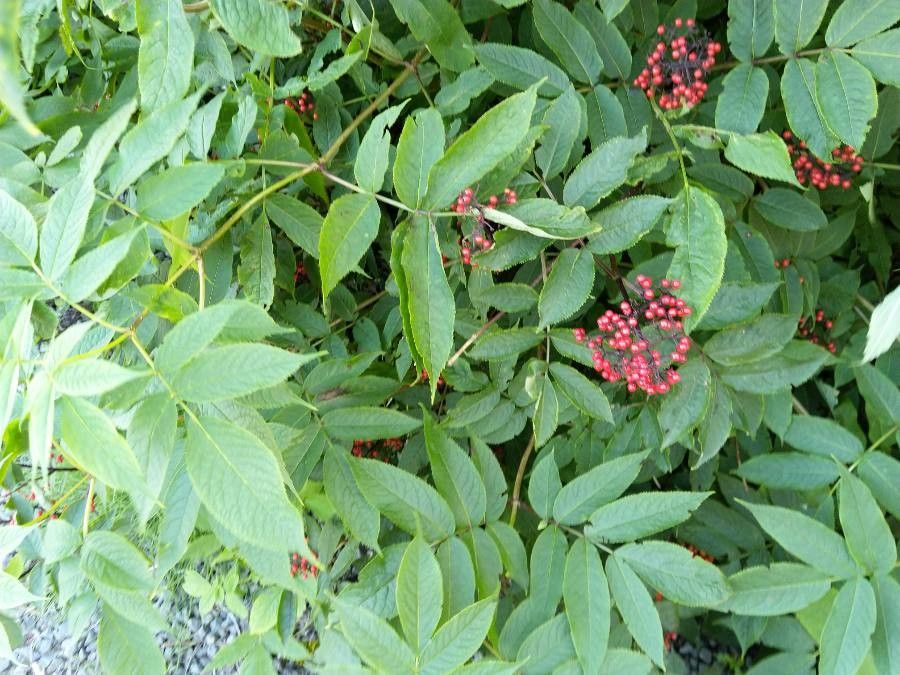
Sambucus australis, commonly known as the Australian elderberry or yellow elderberry, is a deciduous shrub or small tree native to Australia. Belonging to the Adoxaceae family, it can grow up to 10 meters tall. This plant has an upright growth habit and produces large clusters of small yellow flowers in the spring, followed by clusters of small black berries in the summer.
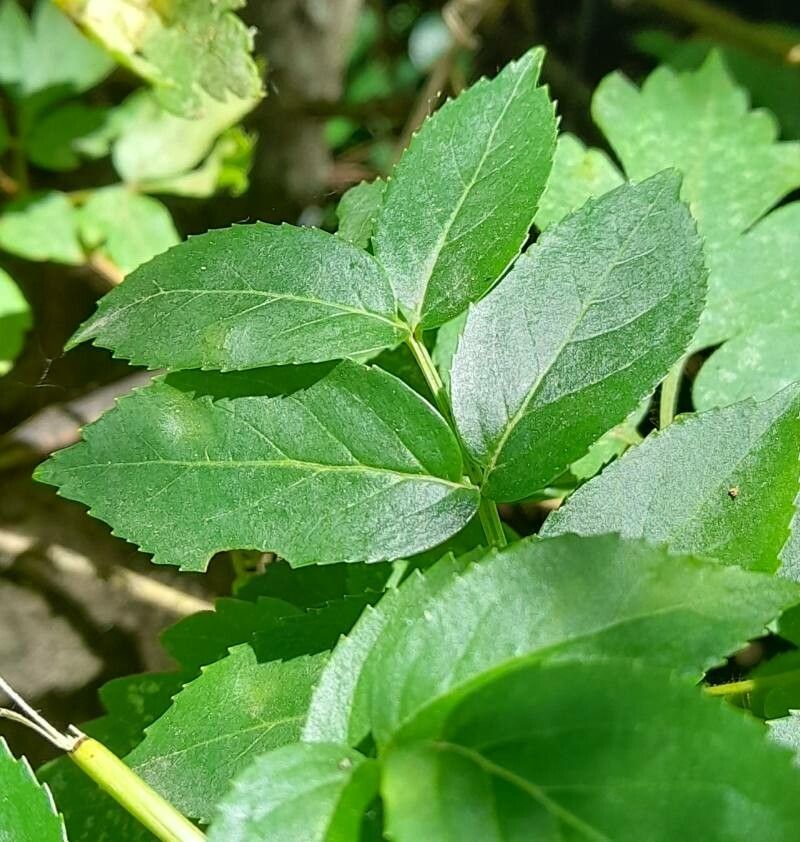
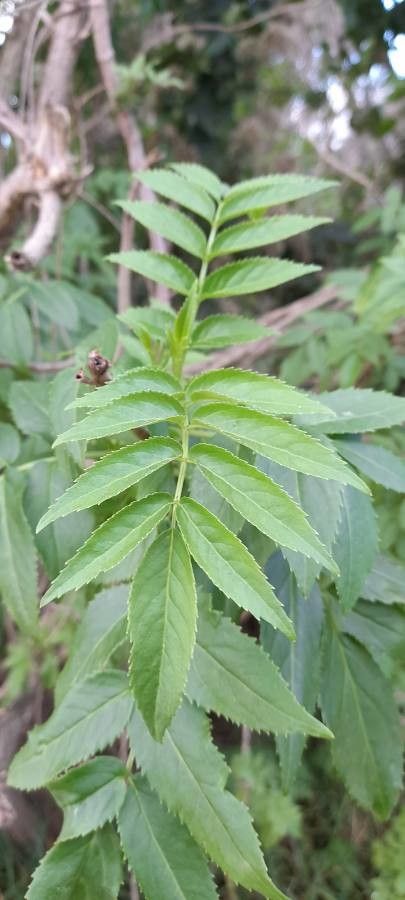
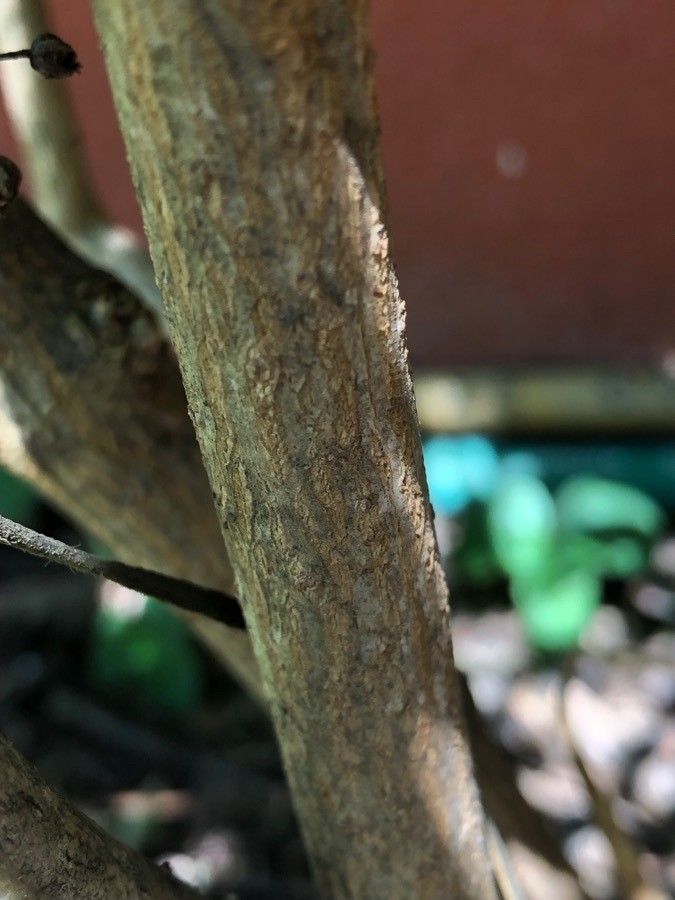
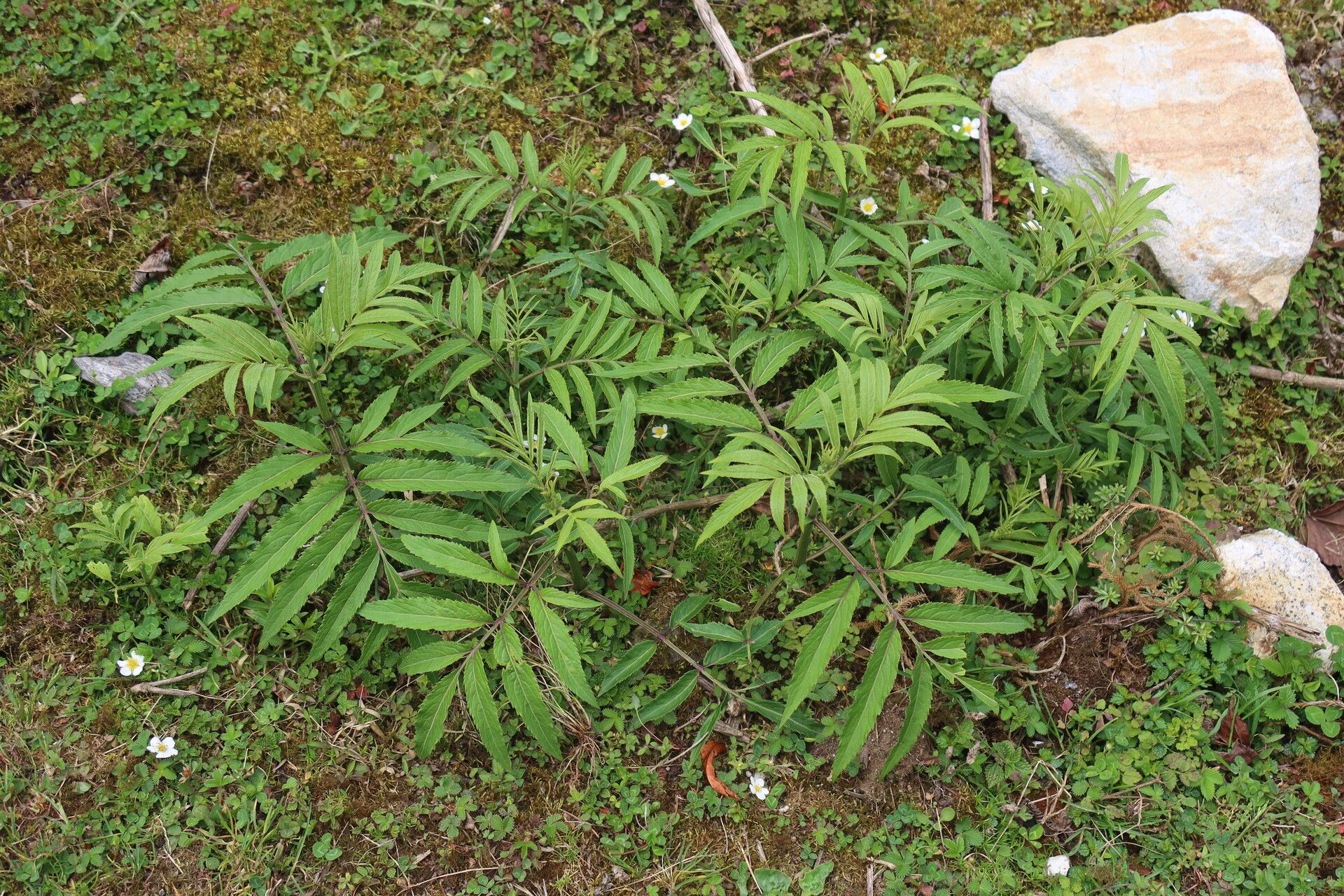
The leaves of Sambucus australis are pinnate, consisting of 5-7 leaflets that are ovate-lanceolate in shape. Its bark is smooth and greyish-brown, featuring prominent lenticels. The plant thrives in moist soils and can tolerate both full sun and partial shade.
Traditionally, Indigenous Australians have used Sambucus australis for medicinal purposes, including the treatment of colds, flu, fever, headaches, rheumatism, and skin conditions. It also has culinary applications, such as making jams or wine from its berries.
The Australian elderberry attracts birds like honeyeaters, which feed on its nectar-rich flowers, and currawongs, which consume its berries.
Overall, Sambucus australis is an attractive shrub that offers ornamental value with its showy flowers and holds cultural significance through its traditional medicinal uses by Indigenous Australians.
Botanical profile.
- Genus
- Sambucus
- Family
- Viburnaceae
Other names.