Sambucus ebulus
آقطی · Danewort · Dwarf Elderberry · Dwarf elder · Dane weed
Description
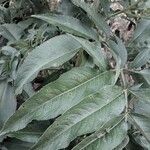
Source: leafsnapSambucus ebulus, commonly known as dwarf elder or danewort, is a small shrub belonging to the Adoxaceae family. Native to Europe and western Asia, it can be found in a variety of habitats, including woodlands, hedgerows, and meadows. The plant typically reaches a height of 1-2 meters and features multiple stems arising from the base. The leaves of Sambucus ebulus are pinnately compound, consisting of 5-7 ovate or lanceolate leaflets. The small, white flowers have five petals and are arranged in umbel-shaped inflorescences that bloom from June to August. The fruit of Sambucus ebulus is a small black berry containing several seeds. The plant has been used for medicinal purposes for centuries due to its anti-inflammatory properties. It has served as an herbal remedy for ailments such as fever, rheumatism, respiratory infections, and skin conditions. However, it is important to note that all parts of the plant contain toxic compounds, such as cyanogenic glycosides, which can cause nausea or vomiting if ingested improperly. Overall, Sambucus ebulus is an intriguing plant with notable medicinal properties. Nonetheless, it should be handled with caution due to its toxicity. Only professionals knowledgeable in the correct dosages can ensure its safe consumption.
🌳 Apart from its general horticultural appeal, dwarf elder has revealed potential in unexpected fields like serving as a bioindicator and as a bioremediation agent. Due to its specialized metabolites, dwarf elder can take up certain heavy metals from its surroundings, which makes it useful for assessing soil contamination. It has also been investigated for use as a natural textile dye because its leaves and berries contain vivid pigments. These varied uses position dwarf elder as an overlooked asset in ecological monitoring and sustainable manufacturing.
Care Guide
💧 Water Every 7 days
Dwarf elder flourishes in moist environments and needs regular watering to maintain evenly moist soil. Watering once a week is ideal to support its health and vitality. As an herbaceous perennial, dwarf elder is usually grown outdoors, where it can benefit from natural rainfall during its active growing season.
How should I water my Dwarf elder plant?
To properly water the Dwarf elder, it is recommended to use filtered water at room temperature. This is because tap water may contain harmful particles. Additionally, the water should be at room temperature or slightly warmer to avoid shocking the plant, as it is accustomed to warm environments. It is best to avoid overhead watering, as it can cause problems with the foliage. Instead, it is advised to thoroughly soak the soil with filtered room temperature water. This helps the roots absorb moisture and nutrients, allowing them to spread and gather the necessary nutrients for the plant's health.
What should I do if I give my Dwarf elder plant too much or too little water?
Overwatering and underwatering are both harmful to the health of your Dwarf elder, but overwatering is more commonly seen. When the Dwarf elder receives too much water, its stems and leaves wilt and turn yellow. Overwatering for a long time can also lead to diseases like root rot, mold, and mildew, which can kill the plant. Underwatering is less common because the Dwarf elder is drought-tolerant. However, it is still a possibility, and in such cases, the leaves become brittle and brown. It is important to pay attention to signs of overwatering when caring for your Dwarf elder, as some of the diseases caused by overwatering, such as root rot, cannot be reversed if you wait too long. Reduce your watering schedule immediately if you notice early signs of overwatering. Check the soil quality, and if it drains poorly, replace it with a loose and well-draining potting mix. If you notice signs of underwatering, simply water more regularly until the signs disappear.
How frequently should I give water to my Dwarf elder?
If your Dwarf elder plant is in a pot, the most precise way to determine if it needs water is by sticking your finger into the soil. If the top two to three inches of soil feel dry, it's time to water it. For outdoor Dwarf elders planted in the ground, you can use the same method. When the top few inches of soil have dried out, water the plant. Normally, during spring and early fall, watering once a week should suffice. However, in extremely hot weather, you may need to water it twice a week or even more. Keep in mind that mature, well-established Dwarf elders have a remarkable ability to withstand drought.
How much water does my Dwarf elder require?
To ensure proper watering for your Dwarf elder, you should not hold back on the amount of water you give. Wait until the top two to three inches of soil are dry, then water the plant generously so that the soil becomes fully saturated. Make sure to add enough water to allow excess water to flow out through the drainage holes at the bottom of the pot. If you don't see water flowing out, it means you haven't watered enough, but be cautious not to let water accumulate inside the soil as it can harm the plant. On the other hand, if water doesn't drain properly, it may indicate poorly draining soil, which is harmful to the plant's health and should be avoided. If the plant is kept outside, it should receive approximately 1 inch of rain per week, which will be sufficient.
How do I water my Dwarf elder as it grows?
The water needs of the Dwarf elder depend on its growth stages. In the first few years or after being transplanted, more water is required because it focuses on growing new roots for future growth. These new roots perform best with slightly more moisture. However, after a few seasons, the Dwarf elder requires less water. Another growth stage that requires more water is during the bloom period, as flower development uses a significant amount of moisture.
☀️ Light Full sun
The dwarf elder generally does best with ample sunlight, favoring a setting that is well lit for most of the day. Excessive light can harm the plant, causing leaf burn. If sunlight is limited, it tolerates slight shade, though that may restrict its ability to reach full growth. Its preferred light intensity mirrors the conditions of its native clearings and woodland edges.
What are the sunlight requirements for plants?
Plants have varying sunlight requirements that are essential for their growth and health. Full sun plants need more than 6 hours of sunlight daily to thrive, while partial sun plants require about 3-6 hours of sunlight. It's important to observe the movement of sunlight through your garden to find the best spots that provide the ideal balance of light and shade for your plants, ensuring they flourish.
How does sunlight affect the Dwarf elder?
The Dwarf elder thrives under generous amounts of sunlight, favoring brightly illuminated environments throughout the day, akin to its natural habitats such as clearings and woodland edges. While it can endure some shade, insufficient sunlight may impede its growth. Excess sunlight, however, may lead to leaf burn, indicating the need for a balanced exposure to ensure optimal growth and health.
What solutions are available for plants with insufficient sunlight?
For indoor Dwarf elders or other plants experiencing insufficient sunlight, gradually moving them to sunnier spots, ensuring they receive at least 6 hours of direct sunlight daily via south-facing windows, or using artificial lighting can be effective. Outdoor plants should be moved to sunnier locations gradually to avoid shock. Additionally, pruning obstructive branches or transplanting to spots with better sunlight can help outdoor and ground-planted specimens reach their full growth potential.
Can artificial lighting be used for plants? What should be considered?
Yes, artificial lighting is a viable solution for indoor plants not receiving enough natural sunlight, especially during winter or in less sunny spaces. It's important to choose the right type of artificial light, such as LED lights that can provide specific wavelengths needed for plant growth. The amount of light (measured in watts per square foot) varies depending on the plant's natural sunlight needs: 30-50W/sq ft for full sun, 20-30W/sq ft for partial sun, and 10-20W/sq ft for full shade plants. The placement and duration of lighting mimic natural sunlight, with an optimal distance of 12-36 inches above the plant and 8-12 hours of light per day being beneficial.
What are some symptoms of inadequate lighting in the Dwarf elder?
Symptoms of inadequate lighting in the Dwarf elder include smaller new leaves, leggy or sparse growth, premature leaf drop, and a halt in new growth, indicating the plant may be in survival mode. Light deficiency can also cause leaves to develop lighter colors or show chlorosis (yellowing), a lack of essential nutrients. Additionally, excessive sunlight exposure can lead to sunscald, leaf curling, wilting, and leaf scorching, impacting the plant's overall health.
🌡️ Temperature 5–32.2°C
Dwarf elder originates from areas with temperate climates and prefers temperatures ranging from 41 to 89.6 °F (5 to 32 ℃). During hotter seasons it needs shade and sufficient watering to keep temperatures under control.
What is the ideal climate for Dwarf elder?
Dwarf elder, known botanically as Sambucus ebulus, is native to regions with moderate climates and prefers temperatures ranging from 41 to 89.6 °F (5 to 32 °C). It requires shade and adequate watering during the hotter seasons to maintain optimal temperatures. The plant has a strong cold resistance, making special frost protection measures unnecessary in most winter conditions. However, in cases where winter temperatures are expected to drop below -30°C, it is vital to protect the plant from the cold, for example, by covering it with soil or straw. Additionally, to prevent drought and water scarcity during winter and early spring, it is advisable to water the plant abundantly before the first freeze in autumn, ensuring that the soil is moist as it enters a frozen state.
How does Dwarf elder react to low temperatures?
Dwarf elder is remarkably cold-tolerant and performs best in temperatures above 5°C. It is generally able to withstand winters where temperatures do not fall below -25°C. However, when temperatures drop below -30°C, while there may not be noticeable changes during the winter, there could be a significant decrease in the plant's ability to sprout, or it might not sprout at all come springtime. If this occurs, it is recommended to remove any parts of the plant that have failed to sprout in the spring.
What should be done if Dwarf elder is exposed to high temperatures?
During the summer months, it's crucial to ensure that the Dwarf elder's surrounding temperature stays below 32°C. Exposure to temperatures above 35°C can lead to the leaves becoming lighter, prone to curling, susceptibility to sunburn, and, in severe cases, wilting and drying of the entire plant. To address this, sunburned and dried-up parts of the plant should be trimmed away. The plant should also be moved to a location that offers shade during the midday and afternoon sun, or a shade cloth can be used to protect it. Additionally, watering the plant in the morning and evening will help keep the soil moist and prevent drying.
💨 Humidity
🪴 Soil 6-7
🌱 Fertilizer
The optimal time to fertilize a Dwarf elder is in early spring, when it is coming out of dormancy and beginning active growth. Fertilization supplies essential nutrients needed for healthy development. Although a Dwarf elder has relatively low fertilizer requirements, applying fertilizer once a year can boost its survival and result in better, longer-lasting flowers.
Why should I add fertilizer to my Dwarf elder plant?
Fertilization is important for Dwarf elders and other plants because it provides essential nutrients for growth. The overall fertilization needs of Dwarf elders are relatively low, and they can sometimes survive without it. However, annual fertilization can greatly benefit Dwarf elders by keeping them alive and promoting the development of longer-lasting flowers. Therefore, those who want their Dwarf elder to thrive should consider annual fertilization as a regular practice.
When should I fertilize my Dwarf elder plant?
The best time to fertilize a Dwarf elder is in late winter to early spring. This is when the plant is ending its dormant phase and starting to grow actively. Fertilizing during this time helps the plant grow healthily for the season. While it's generally best to fertilize in early spring, fall is also an option. However, it's not recommended to fertilize in summer or winter.
When is it not a good idea to fertilize my Dwarf elder plant?
To properly care for your Dwarf elder, it is best to fertilize it only during late winter and early spring. This plant has low fertilizer needs, so a single annual feeding is enough. Fertilizing it throughout spring, summer, and fall may lead to overfertilization and complications. However, if you missed fertilizing in spring, it is okay to feed it in the fall. It's important to note that this plant doesn't need fertilization during the winter when it is in a dormant growth phase and not producing new growth.
What kind of fertilizer does my Dwarf elder plant require?
Dwarf elder can thrive with a general-purpose fertilizer that has balanced amounts of the main plant nutrients. However, there are specific nutrient blends that can provide even greater benefits. Many gardeners believe that a higher amount of phosphorus in the fertilizer can result in stronger roots and better flowers. Since Dwarf elder is a flowering plant, using a phosphorus-rich fertilizer may be the most effective approach. You can choose between granular or liquid fertilizers as long as they have sufficient nutrients. Additionally, organic options such as compost or manure can greatly improve the soil for your Dwarf elder.
How can I give nutrients to my Dwarf elder plant?
The most common way to fertilize a Dwarf elder is by applying a granular or pellet fertilizer to the soil around the plant. It's important to fertilize when the plant is transitioning from its dormant phase to active growth, usually in early spring when new shoots start to emerge. If you prefer liquid fertilizer, make sure to dilute it with water before applying. In any case, it's recommended to moisten the soil before, during, and after fertilization.
🪴 Pot & Repot
✂️ Pruning
The dwarf elder is a deciduous perennial known for its vigorous growth and clusters of white flowers. To maintain its health and encourage flowering, it's important to use proper pruning techniques. These include removing dead stems and thinning out crowded branches from early to late spring. Ensure you use clean tools during pruning to prevent the spread of disease, which will help keep the plant healthy and manageable.
🌿 Propagating
🐛 Diseases & pets
☠️ Toxicity
Sambucus ebulus raw berries are considered to be poisonous while excess consumption of the other parts might well lead to toxicity. For instance, high-dose consumption of Sambucus ebulus fruits may induce vomitory toxicity, especially in children.
Characteristics
- Plant Type
- Herb
- Life Cycle
- Perennial
- Genus
- Sambucus
- Family
- Viburnaceae
- Hardiness Zone
- 4-8
- Mature Height
- 1.52 m
- Mature Spread
- 1.52 m
- Leaf Color
- Green
- Leaf Type
- Deciduous
- Flower Color
- White
- Flower Size
- 2.54 cm
- Bloom Time
- Late spring, Early summer, Mid summer
- Planting Time
- Spring
- Harvest Time
- Mid summer