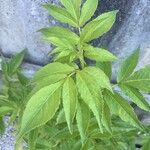
Sambucus racemosa
Red elderberry · Red-berried Elder · Red-berry elder · Red Elder · European Red Elder
Description
Source: leafsnapSambucus racemosa, commonly known as red elderberry, is a deciduous shrub belonging to the Adoxaceae family. Native to North America, it thrives in diverse habitats, including forests, meadows, and stream banks. This plant can reach heights of up to 20 feet and typically has a spreading habit with multiple stems. The leaves of Sambucus racemosa are pinnately compound, featuring 5-7 serrated leaflets. Its small white flowers form large clusters known as panicles, which bloom from May to July. The plant produces bright red berries that ripen between August and September. Native Americans have utilized Sambucus racemosa for centuries due to its anti-inflammatory properties. Additionally, its attractive flowers and berries make it a popular ornamental plant. However, it is important to note that all parts of the plant, except for the ripe berries, contain toxic compounds such as cyanogenic glycosides. Ingesting these compounds in large quantities can cause nausea, vomiting, or even death. Overall, Sambucus racemosa is a fascinating shrub with both medicinal benefits and potential dangers, necessitating proper handling and cautious consumption.
🌳 Red elderberry possesses a notable but often overlooked ability: it can take up pollutants, particularly heavy metals from the soil, making it useful in phytoremediation. In addition, the plant signals soil composition by flourishing in places where certain metals are abundant. This role as an ecological indicator is important for environmental monitoring and can help guide sustainable land management practices.
🎭 Kindness, yet also sorrow and remorse
Care Guide
💧 Water Every 7 days
Red elderberry thrives in moist environments similar to its native habitat. It requires evenly moist soil, so watering every 1-2 weeks is recommended. To help retain moisture during the growing season, mulching is beneficial. While the plant can tolerate short periods of drought, it is important to avoid waterlogging to ensure healthy growth.
When should I water my Red Elderberry?
Timely watering is essential for the health and growth of Red Elderberry (Sambucus racemosa), and several signals indicate when it's time to water. If the top soil layer dries out, or you notice wilting of young leaves, especially in cooler evening temperatures, it suggests the plant needs water. Slow growth despite sufficient light also indicates a need for water. Be careful to avoid both extremes: watering too late can lead to permanent plant damage or death due to severe wilting and drying, while too early or too much watering can cause root rot, also potentially resulting in plant death.
How should I water my Red Elderberry?
For optimal hydration of Red Elderberry, bottom-watering is recommended to properly moisten the roots without over-saturating the soil's surface. This method involves placing the plant's pot in a tray filled with water, allowing the soil to absorb water from the bottom up. Utilize a watering can with a narrow spout to concentrate water flow directly at the base, minimizing moisture on foliage to reduce fungal disease risk.
How much water does Red Elderberry really need?
Red Elderberry requires consistent moisture, reflective of its natural damp habitat. For a plant in a 30cm diameter and depth pot, approximately 3 to 4 liters of water is recommended, adjusting appropriately for larger pots, ensuring the soil remains moist but not waterlogged. Watch for the plant’s response: healthy, vibrant green leaves indicate proper watering, while yellow or wilting leaves suggest over or underwatering. Both insufficient and excessive watering can harm the plant, leading to stunted growth or root rot.
What kind of water is best for Red Elderberry?
The best type of water for Red Elderberry is rainwater because of its natural mineral composition. Well-filtered tap water is also suitable, but distilled water should be avoided due to its lack of minerals. Red Elderberry shows moderate sensitivity to chlorine and fluoride, suggesting tap water should be left to sit to allow these chemicals to evaporate or be filtered out. No specific temperature requirements are mentioned, but room temperature water is generally favored to avoid shocking the plant's system.
How do Red Elderberry's watering needs change with the seasons?
Seasonal changes affect Red Elderberry's watering needs. In spring, the plant requires extra water to support new growth, ensuring the soil remains consistently moist. Summer's high temperatures and longer days increase evaporation, thus maintaining soil moisture is key, possibly with early morning or late evening watering. Watering frequency should decrease in autumn as growth slows, and further reduced in winter during dormancy, with soil kept barely moist, being vigilant of overwatering risks.
☀️ Light Partial sun
Red elderberry does best in places where sunlight filters through foliage, though it can tolerate very bright light. Its origins in habitats with varying light levels make this resilience possible. Too much sun, however, can cause leaves to wilt; too little can lead to slower growth.
What are the sunlight requirements for red elderberry?
Red elderberry requires partial to full sun exposure to thrive. Partial sun refers to about 3-6 hours of sunlight, whereas full sun denotes more than 6 hours of sunlight per day. It's crucial to observe how sunlight moves through your garden to find the perfect balance of light and shade for your plants, ensuring they grow healthy and happy.
How does red elderberry adapt to different levels of sunlight?
Red elderberry is adaptable to various light conditions thanks to its origins in habitats with varying light intensities. It thrives in areas where sunlight filters through foliage but can also withstand intense light. However, too much sunlight can cause the leaves to wilt, while insufficient sunlight might slow down its growth. If natural light is not adequate, especially during winter or in less sunny spaces, artificial lighting can be employed to promote healthier growth. LED lights are recommended for their ability to provide specific wavelengths needed for optimal plant growth.
What are the symptoms of insufficient or excessive sunlight in red elderberry?
Inadequate light can cause smaller new leaves, leggy or sparse growth, faster leaf drop, slowed or halted growth, and paler or irregular colored leaves. Excessive sunlight may lead to chlorosis (leaves losing their green color), sunscald (damaged leaves or stems from intense light), leaf curling (a defense mechanism to reduce water loss), wilting (from increased water loss), and leaf scorching (brown, dry edges on leaves). These symptoms highlight the plant's struggle to adapt to either too much or too little light.
What solutions can address the light-related issues of indoor and outdoor red elderberry plants?
To optimize growth for indoor red elderberry plants, gradually increase their exposure to sunlight or use artificial lighting if the plant is large or non-movable. Aim for at least 8 hours of light daily using a desk, ceiling lamp, or specialized grow lights. For outdoor plants, move them to sunnier spots weekly to adapt without causing sunburn. If plants are affected by insufficient sunlight, focus on improving conditions for new growth, as damaged parts may not recover. Additionally, reducing obstructions by pruning or transplanting during the plant's dormant period can help increase sunlight exposure.
🌡️ Temperature 0–35°C
The red elderberry grows in temperate climates and is native to areas such as North America and Europe. It prefers temperatures from 32 to 95 ℉ (0 to 35 ℃) but can tolerate various temperatures outside that range. In hotter summer months, it is advisable to provide shade and mist the plant to prevent dehydration.
What are the essential requirements for growing Red Elderberry?
Red Elderberry, scientifically named Sambucus racemosa, thrives in temperate regions and is native to areas such as North America and Europe. It flourishes in temperatures between 32 to 95°F (0 to 35°C), although it can withstand temperatures outside this range to some extent. To help the plant cope with the heat during summer, it is advisable to provide shade and mist the plant to prevent dehydration. Despite its strong resistance to cold, protective measures should be taken if winter temperatures are expected to drop severely. This includes wrapping the trunk and branches with insulating materials like non-woven fabric or cloth. It is also beneficial to water the plant abundantly before the first freeze of autumn to ensure the soil retains moisture, aiding the plant through winter and early spring.
How does Red Elderberry react to temperature changes, and what are the solutions?
Red Elderberry is well-adapted to a range of temperatures but shows specific reactions to extreme cold and heat. In cold conditions, the plant thrives best above its minimum tolerable temperature. If temperatures fall below this threshold, branches may become brittle and dry by spring, potentially leading to a lack of new growth. The solution involves pruning any dead branches that fail to produce new leaves come spring. Conversely, during high temperatures, especially above its maximum tolerable temperature, the plant's leaves might lighten, tips may dry and wither, and there's an increased risk of sunburn. Addressing this involves trimming sunburned or dried parts, relocating the plant to shaded areas during peak sun hours, or employing a shade cloth. Additionally, maintaining soil moisture through morning and evening watering is crucial.
💨 Humidity high (>60%)
This plant needs special care because it loves high humidity levels of 60-80% or more. The best way to achieve this is by placing a humidifier near the plant. Daily misting is also essential! Make sure the room has good ventilation.
🪴 Soil 6-7
🌱 Fertilizer
Fertilize your Red elderberry in early spring to encourage healthy growth. Consistent fertilization boosts the plant’s overall health, leading to vigorous growth, greater tolerance of harsh conditions, and improved resistance to diseases and pests. Maintain a set fertilization schedule for your Red elderberry to keep its foliage vibrant, richly colored, and lush in appearance.
Why do I have to add food to my Red elderberry?
To ensure the optimal health and growth of your Red elderberry, it is important to fertilize it regularly. This will provide the necessary nutrients that promote strong growth and improve its ability to withstand challenging conditions, while also enhancing its resistance against diseases and pests. Maintaining the foliage of your Red elderberry is crucial, as it is one of its most attractive features. Therefore, it is recommended to establish a consistent fertilization routine tailored to your specific Red elderberry. This will encourage the development of vibrant, lush leaves with a rich color.
When should I fertilize my Red elderberry?
There are two recommended times to fertilize your Red elderberry. The first is in late winter or early spring, which provides the necessary nutrients for healthy growth when the weather becomes warmer. If you live in a warm climate region, it is also beneficial to fertilize in early fall. This not only adds nutrients for the next growing season but also helps the plant withstand winter cold and prevent foliage damage. Fertilizing earlier in the fall ensures that new branches have enough time to grow and withstand the winter.
When is the best time to not fertilize my Red elderberry?
There are a few times during the year when you should avoid fertilizing your Red elderberry. The first time is in the early and mid-winter months when the plant is dormant and doesn't need to be fed. It's also not recommended to fertilize during late spring and summer when the weather is hotter and drier. These conditions can harm the Red elderberry if fertilized. To prevent any issues, it's best to stick to a fertilization schedule that involves only feeding in early spring and early fall.
What kind of plant food does my Red elderberry require?
The most important nutrient for a Red elderberry is usually nitrogen. However, phosphorus and potassium are still important. It is best to provide a balanced fertilizer like a 10-10-10, which contains all three main nutrients in decent amounts. Nevertheless, a more nuanced nutrient ratio often results in better growth. Fertilizers with slightly higher nitrogen levels, such as a 10-6-4 ratio, tend to work well. You can choose between granular or liquid-based fertilizers when applying them.
How can I make my Red elderberry plant grow better?
To fertilize your Red elderberry, you have two options: granular fertilizer or liquid fertilizer. If you choose granular fertilizer, simply sprinkle it on the soil at the right time. The slow-release feature of this type will gradually release nutrients into the soil. It's a good idea to lightly water your Red elderberry before applying fertilizer. Another option is liquid fertilizer, although it's less common. To use it, mix the fertilizer with water and pour the mixture around the base of your plant. In some cases, it's helpful to perform a soil test beforehand to determine if you need to adjust the pH.
🪴 Pot & Repot 2-3 years
When repotting Red elderberry, select a pot 1-2 inches (2.5–5.1 cm) larger with good drainage. Use a well-draining potting mix. Repot in spring or fall, making sure the root ball sits slightly below the rim of the flower pot. Water thoroughly after repotting and keep it in a warm spot with indirect sunlight.
✂️ Pruning
Red elderberry is a fast-growing shrub known for its vibrant red berries. To encourage healthy growth and better air circulation, prune the shrub in early spring using thinning cuts. Regularly trim any dead or damaged branches to help control the shrub's height, improve fruit yield, and reduce pest problems. Be sure to sterilize your tools before pruning to prevent the spread of disease.
🌿 Propagating
🐛 Diseases & pets
☠️ Toxicity
Characteristics
- Plant Type
- Shrub
- Life Cycle
- Perennial
- Genus
- Sambucus
- Family
- Viburnaceae
- Hardiness Zone
- 3-9
- Mature Height
- 2.13 m to 6.1 m
- Mature Spread
- 3.05 m
- Leaf Color
- Green, Yellow
- Leaf Type
- Deciduous
- Flower Color
- Yellow, Green, White, Cream
- Flower Size
- 2.54 cm
- Bloom Time
- Mid spring, Late spring, Early summer
- Planting Time
- Spring, Summer, Autumn, Winter
- Harvest Time
- Early summer, Mid summer
- Native Area
- Europe, northern Asia and parts of Alaska