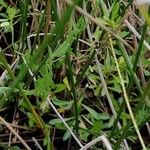
Samolus repens
Underwater-rose
Description
Source: leafsnapSamolus repens is a species of water pimpernel native to Australia, New Zealand and near-by Pacific islands, and South America (South Chile), where it is common in temperate and subtropic coastlines. Common names include creeping brookweed and creeping bushweed. Samolus repens has small white or occasionally pink flowers with a flowering period from September through to March or April.
Care Guide
💧 Water
Sea primrose thrives in moist environments, requiring consistent hydration and preferring soil that remains evenly moist. While it can tolerate short periods of dryness, it flourishes with regular weekly watering. Ideally suited for outdoor growth in high humidity, sea primrose benefits from rainwater to maintain a stable growth cycle.
☀️ Light Full sun
Sea primrose needs plentiful sunlight to achieve optimal growth. It naturally occurs in areas with abundant light and does well under strong illumination. This requirement for light stays largely consistent across its growth stages. By contrast, inadequate sun exposure can slow its development, while too much sun has little effect.
🌡️ Temperature 15–37.8°C
Sea primrose is native to temperate areas and adapts to a wide range of temperatures; it performs best in temperatures from 59 to 100.4 °F (15 to 38 °C). Seasonal adjustments may be necessary to recreate this temperature range.
💨 Humidity
🪴 Soil 5-6
🌱 Fertilizer
Usually, one fertilizer application in spring is adequate for Sea primrose, although several feedings can increase growth. Feed every month to every month and a half. Fertilizing improves the leaves' appearance and function, helping maintain even color and a healthy texture. It also promotes root development and nutrient uptake for sustained plant health.
🪴 Pot & Repot
✂️ Pruning
Sea primrose is a low-growing perennial that benefits from pruning between early and late spring to maintain its shape and encourage healthy growth. By removing dead stems and trimming regularly, you can improve air circulation, which reduces the risk of fungal infections in humid environments. This practice helps enhance both the plant's overall vigor and its appearance.
🌿 Propagating
🐛 Diseases & pets
☠️ Toxicity
Characteristics
- Plant Type
- Herb
- Life Cycle
- Perennial
- Genus
- Samolus
- Family
- Primulaceae
- Hardiness Zone
- 8-11
- Mature Height
- 30 cm
- Mature Spread
- 61 cm
- Leaf Color
- Light Green
- Leaf Type
- Evergreen
- Flower Color
- White
- Flower Size
- 1.52 cm
- Bloom Time
- Late spring, Summer
- Planting Time
- Summer
- Harvest Time
- Mid summer, Late summer, Early fall, Mid fall
- Native Area
- New Zealand