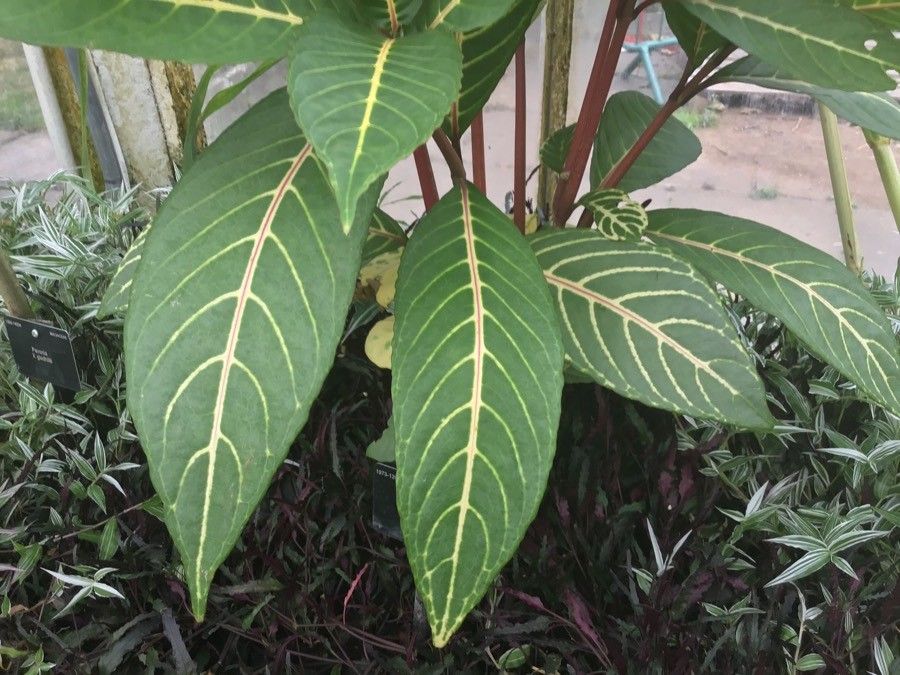
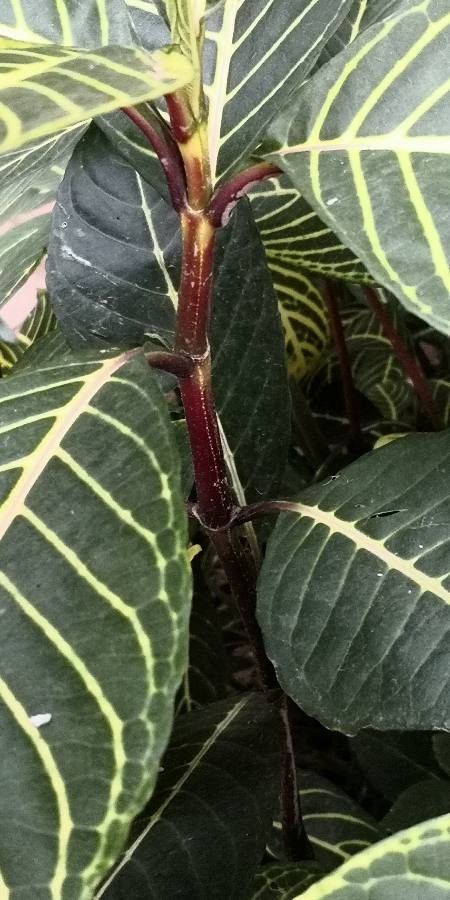
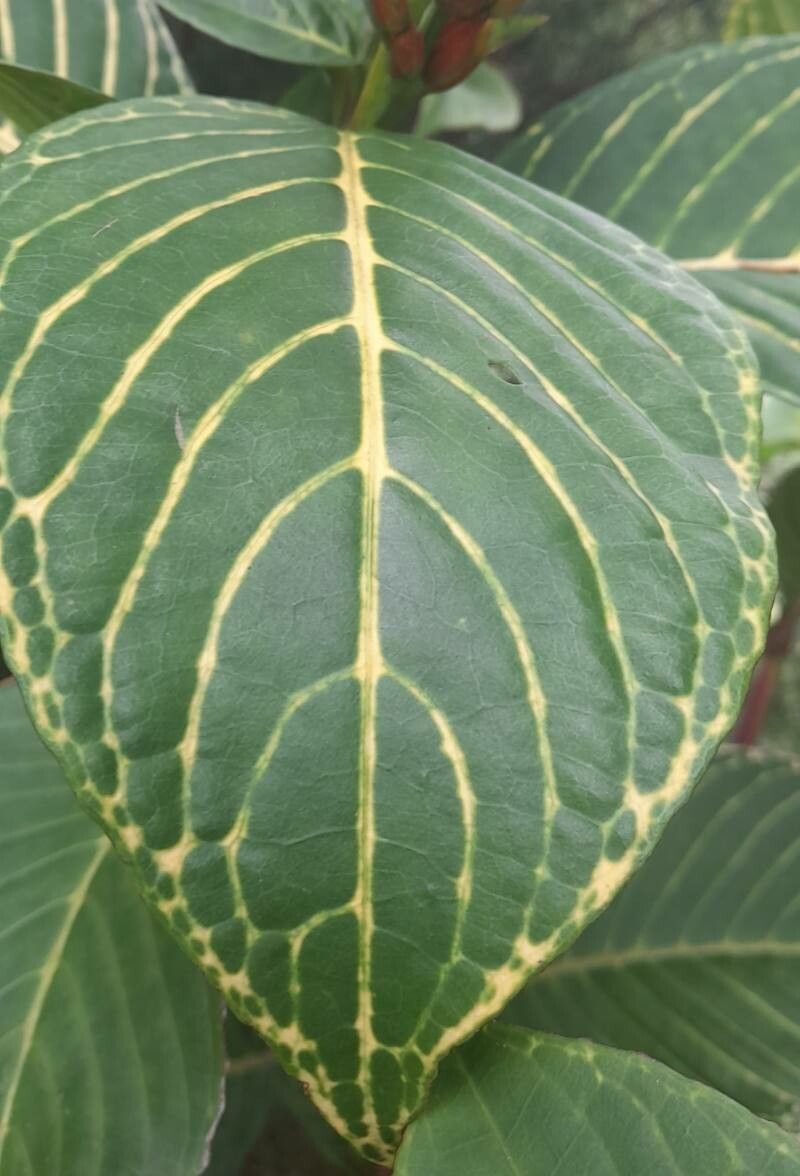
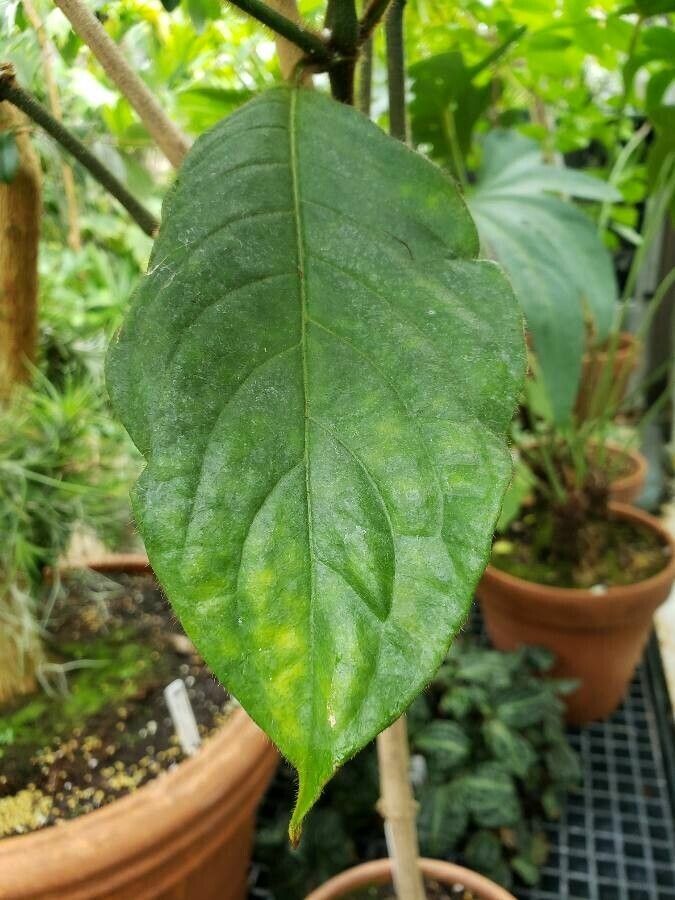
Sanchezia speciosa is a tropical plant native to South America, particularly Brazil and Peru. It belongs to the Acanthaceae family and is commonly known as the Sanchezia or Yellow Vein Plant. This plant features large, glossy, dark green leaves accented by prominent yellow veins. The leaves are oval-shaped and can grow up to 12 inches long.
Sanchezia speciosa thrives in bright, indirect light but can also tolerate some shade. It prefers well-draining soil kept consistently moist, though not waterlogged. In its natural habitat, the plant can grow up to 6 feet tall, but it typically reaches around 3 feet when cultivated indoors.
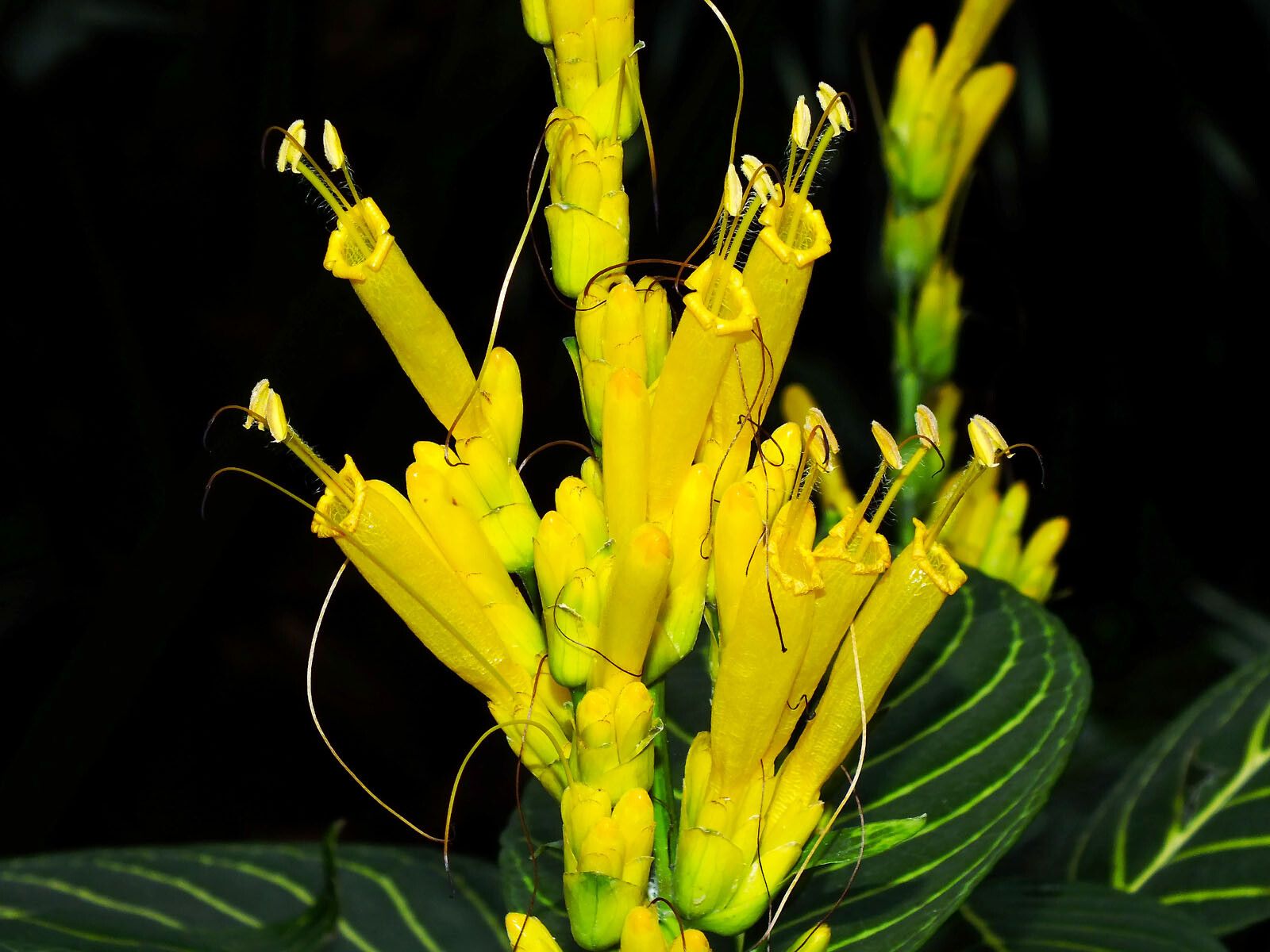
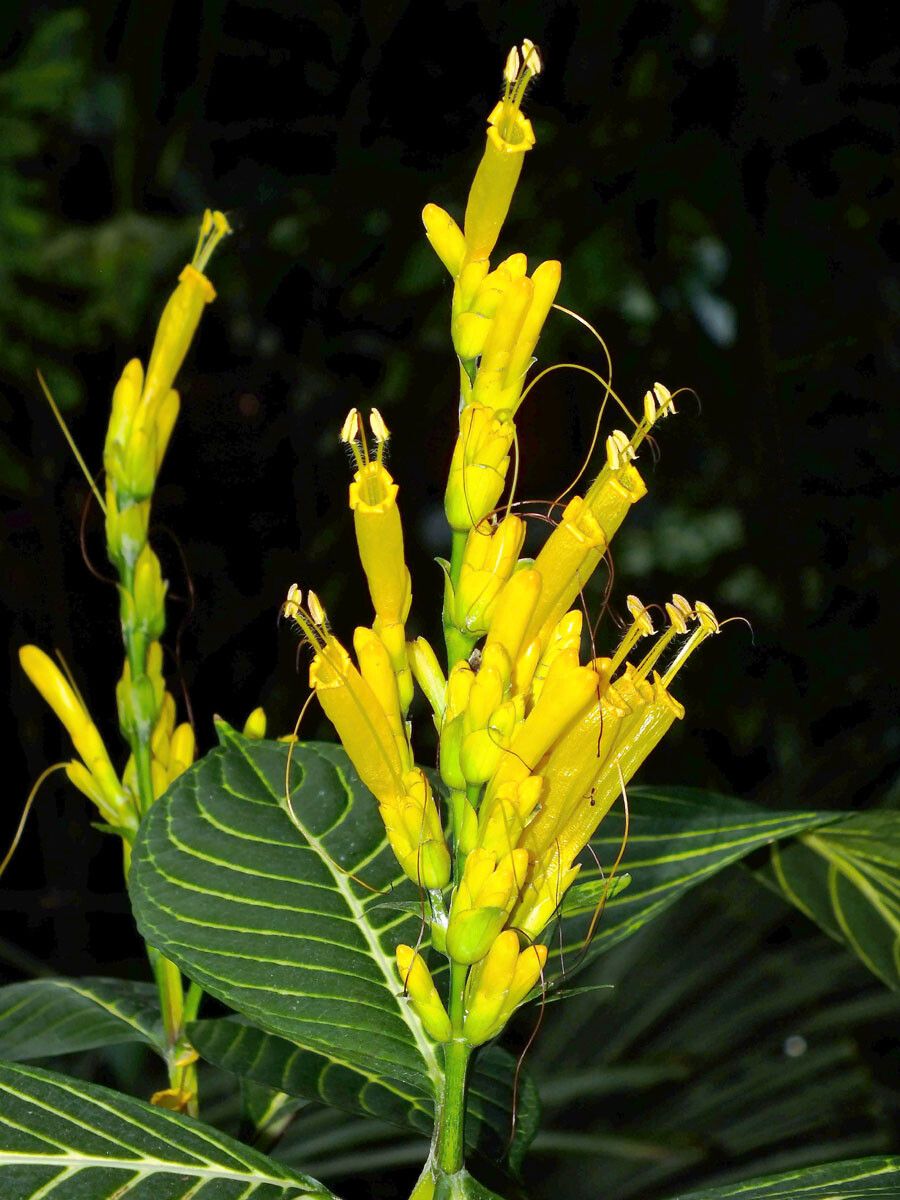
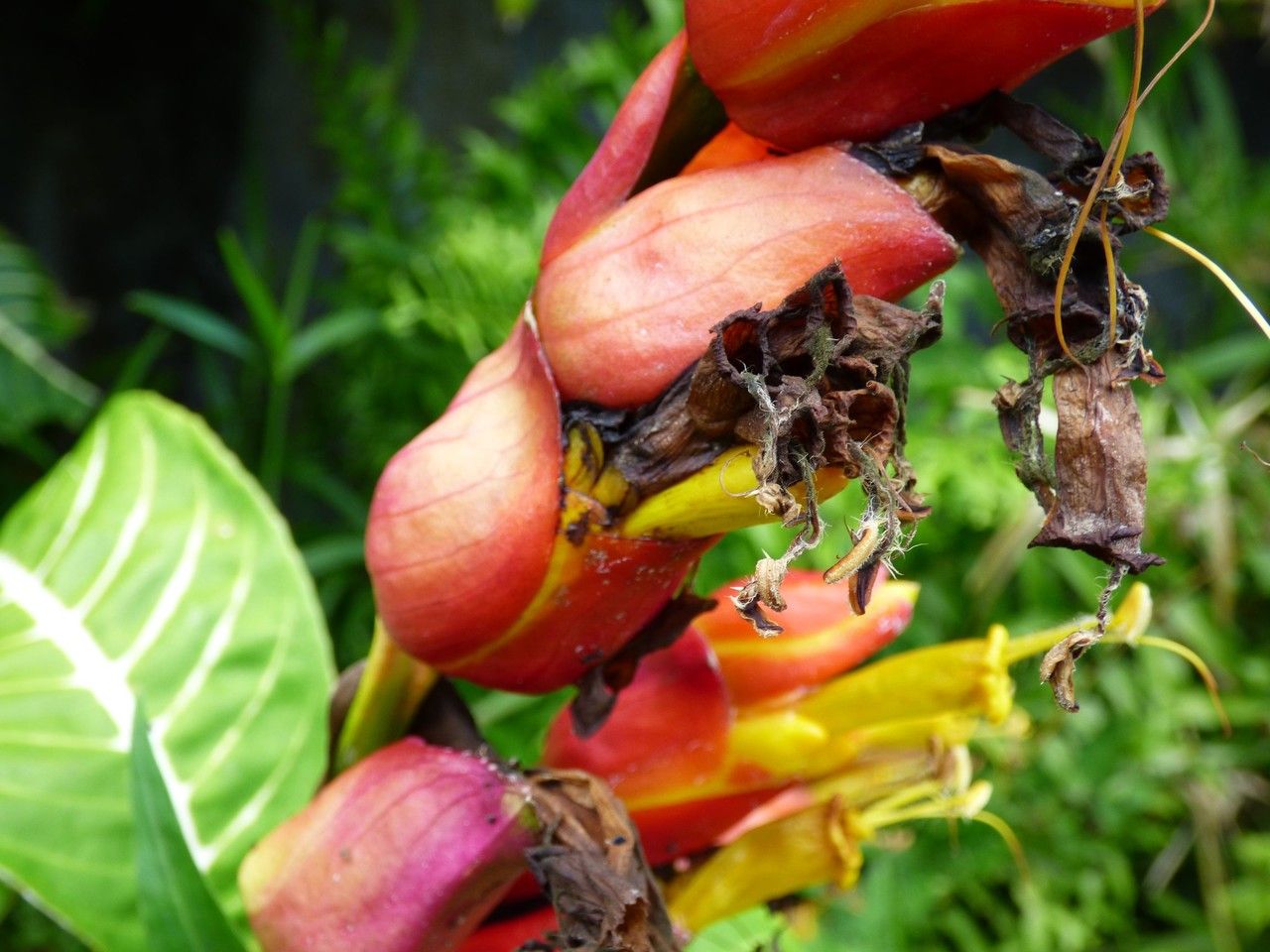
During the summer months, Sanchezia speciosa produces small yellow flowers that bloom in clusters on long stems. However, it is primarily grown for its striking foliage rather than its flowers.
This plant makes an excellent addition to any indoor garden or as an accent piece for outdoor landscaping in tropical climates. It thrives best in temperatures between 60-80°F (15-27°C). With proper care and maintenance, Sanchezia speciosa can be a beautiful enhancement to any home or garden setting.
Shrubby whitevein shows good resistance to disease and is generally not susceptible to illnesses. In terms of care, this plant is fairly low-maintenance. When grown outdoors it needs only light watering, and larger specimens typically do not require pruning. Smaller plants, however, should be pruned after they finish blooming. Shrubby whiteveint is appropriate for anyone with an outdoor area, such as a garden or deck, and does not need extensive care experience.
How to keep Sanchezia Speciosa.
Light
Shrubby whitevein does well with a fair amount of sunlight but doesn't need constant full sun. Too much light can cause the leaves to scorch, while too little can slow its growth. Its typical habitat, which often includes some shade, indicates it can tolerate different lighting levels. At every stage of growth, a balanced amount of sun is beneficial.
Water
The shrubby whitevein plant flourishes in high humidity, needing consistently moist soil and weekly watering. Since it is a tropical plant, it performs well indoors where humidity levels can be managed. In the winter, reduce the amount of water you give it to prevent root rot and to encourage healthy growth in the spring.
Temperature
Shrubby whitevein is native to areas with temperate climates, preferring temperatures around 68 to 100°F (20 to 38℃). It can adjust to different temperatures but generally does best in warmer seasons. Small temperature adjustments may be needed during colder seasons to promote healthy growth.
Fertilizer
The best time to fertilize a Shrubby whitevein is in early spring, as it breaks dormancy. This encourages overall growth and flower development. Fertilization improves foliage, stems, and branches, while encouraging flowers that are large, vibrant, and long-lasting. It helps transport nutrients from the roots to the flowers and enhances the plant’s health and resistance to disease.
Pruning
The shrubby whitevein plant is characterized by its variegated leaves and yellow flowers. It thrives with seasonal pruning, which is best done from early to late winter to promote healthy growth and improve air circulation. Using clean tools helps prevent disease, and regular maintenance encourages bushier foliage and vibrant blooms. By following these practices, the shrubby whitevein will remain attractive and vigorous.
Pot & Repot
Repot your shrubby whitevein every 2 to 3 years during the spring to support its moderate growth. Select a slightly larger container to allow room for root expansion. After repotting, maintain consistent moisture and keep the plant out of direct sunlight to encourage recovery and vibrant foliage.
Botanical profile.
- Plant Type
- Shrub
- Life Cycle
- Perennial
- Genus
- Sanchezia
- Family
- Acanthaceae
- Hardiness Zone
- 10-11
- Mature Height
- 1.83 m to 2.44 m
- Mature Spread
- 0.91 m to 1.83 m
- Leaf Color
- Green, Variegated
- Leaf Type
- Evergreen
- Flower Color
- Red, Yellow
- Flower Size
- 2.54 cm to 5.08 cm
- Bloom Time
- Late spring, Early summer, Mid summer
- Planting Time
- Spring, Autumn
- Harvest Time
- Mid summer, Late summer
- Native Area
- Colombia, Ecuador
Other names.
Reader questions.
How should I water my Shrubby whitevein plant in the best way?
Your Shrubby whitevein is not too picky about how you water it. You can use any common watering tool, such as watering cans, hoses, or even cups. When watering, it's best to apply the water directly to the soil. Make sure to evenly moisten all areas of the soil to ensure all parts of the root system get the water they need. Using filtered water is helpful, as tap water may contain harmful particles. It's also beneficial to use water that is at or slightly above room temperature, as extremely cold or hot water can be a bit shocking to the Shrubby whitevein. However, the Shrubby whitevein generally responds well to any type of water you give it.
Why do I have to put fertilizer on my Shrubby whitevein?
Shrubby whitevein plants need regular fertilization because their showy leaves require a lot of energy to produce and maintain. However, this poses a challenge for these plants because they not only need to allocate enough energy for maintaining healthy leaves but also for supporting the growth of their stems, branches, roots, and other important structures. If you neglect fertilization, two likely outcomes may occur. The first is that the leaves of your Shrubby whitevein will start to lose their natural color and texture, making them look overall unhealthy and significantly reducing their ornamental appeal. The other outcome is that the plant's growth will slow down or produce weak growth that could be prone to breakage.
What are the sunlight requirements for plants?
Plants require varying amounts of sunlight, categorized mainly into 'Partial sun' and 'Full sun'. Partial sun refers to about 3-6 hours of sunlight per day, whereas full sun means the plant needs more than 6 hours of sunlight daily. It's vital to observe the movement of sunlight through your garden to find spots that offer an optimal balance of light and shade, ensuring the well-being of your plants.
What is the ideal temperature range for Shrubby whitevein?
Shrubby whitevein thrives in regions with moderate climates, preferring temperatures between 68 to 100°F (20 to 38°C). It adapts well to various temperatures but shows optimal growth in warmer conditions. During colder seasons, slight temperature adjustments may be necessary to maintain its health. The plant is extremely heat-loving, and exposure to cold temperatures can be harmful. It is recommended to bring outdoor-grown Shrubby whitevein indoors during autumn, placing it near a bright window but away from direct heat sources, and keeping temperatures above 20°C during winter to support its growth. Temperatures nearing 5°C are detrimental to the plant.
What should I do if I give too much or too little water to my Shrubby whitevein plant?
Outdoor plants, especially newly planted ones or seedlings, are prone to lack of watering. It is important to consistently water them for a few months until the roots are established. Once established, they can rely on rain most of the time. When you have Shrubby whitevein planted in pots, overwatering is more likely. If you accidentally overwater your shrubby whitevein, act immediately to fix the situation. Stop watering the plant to minimize the effects of overwatering. Remove the Shrubby whitevein from its pot to check the roots. If there are no signs of root rot, you can return the plant to its container. If root rot is present, trim affected roots and apply a fungicide to prevent further damage. Repot the shrubby whitevein in well-draining soil. For an underwatered shrubby whitevein, water the plant more frequently. Underwatering is an easy fix. When the plant is underwatered, the leaves will droop, dry out, and fall off. However, they will quickly return to fullness after sufficient watering. Make sure to adjust your watering frequency as soon as you notice underwatering.
When should I put fertilizer on my Shrubby whitevein?
Shrubby whitevein plants will benefit from occasional feedings, so there is no need to establish a specific feeding schedule when you first plant them. One simple way to fertilize your Shrubby whitevein is to apply fertilizer while watering the plant from time to time. In the growing season, this plant will also require a good amount of water. It is recommended to feed the plant once every two to three weeks to support continuous growth.
What are the essentials for growing a healthy Shrubby whitevein?
The Shrubby whitevein, or Sanchezia speciosa, thrives with a good amount of sun but can be flexible regarding its sunlight exposure. Excessive sunlight might cause leaf scorching, while insufficient light can slow down the plant's growth. Its preferred habitat suggests it does well in varied lighting conditions, with balanced sun exposure being beneficial at all growth stages. For indoor plants not getting enough natural light, especially during winter or in less sunny locations, artificial lighting becomes crucial. LED lights are recommended for indoor plants as they can provide specific wavelengths needed for growth. The amount of artificial light required varies based on the plant's sunlight needs, with full sun plants needing 30-50W/sq ft, partial sun plants 20-30W/sq ft, and full shade plants 10-20W/sq ft. The artificial light source should be placed 12-36 inches above the plant to closely mimic natural sunlight and be kept on for 8-12 hours per day to simulate natural daylight hours.
How does low temperature affect Shrubby whitevein and what are the solutions?
Shrubby whitevein prefers warm temperatures and does not tolerate cold well, thriving best when the temperature is above 20°C and requiring a minimum of 5°C during winter to avoid damage. Exposure to temperatures below 1°C can cause the leaves to lighten in color, with frost damage turning the leaves brown or black, accompanied by wilting and drooping. To mitigate frost damage, the affected parts should be trimmed off and the plant should be moved indoors to a warm environment, near a south-facing window for ample sunlight, while avoiding placement near heaters or air conditioning vents to prevent air dryness.
How frequently should I water my Shrubby whitevein?
To help your plants grow well, they usually rely on rainfall for watering. However, if you live in an area with little rainfall, you should water your plants every 2 weeks in the spring and fall. In the summer, you will need to water them more often. In the winter, when growth slows down and plants need less water, you can water them less frequently or not at all. If you have a young or newly planted Shrubby whitevein, it is important to water it more often to help it establish and grow. As it matures, it will become more adaptable and drought tolerant. For potted Shrubby whitevein plants, there are two main ways to determine how often to water them. The first way is to follow a set watering schedule, such as once a week or once every other week. However, this may not always be accurate for your specific growing environment. Another approach is to base your watering frequency on the moisture level of the soil. It is best to wait until the top 2 to 4 inches of soil, about ⅓ to ½ the depth of the pots, have completely dried out before watering again. This method takes into account the specific needs of your Shrubby whitevein plant and can be adjusted based on the season. In the summer, for example, you may need to water more frequently due to increased water needs.
When is the best time to not fertilize my Shrubby whitevein?
You can typically fertilize your Shrubby whitevein on a regular schedule throughout most of the year, specifically during the active growing season of spring, summer, and early fall. However, it's important to avoid fertilizing this plant during winter. During this time, the Shrubby whitevein goes into a dormant growth phase where it either doesn't grow or grows very little. Because the plant is using less energy during this phase, it doesn't require fertilizer.
What symptoms indicate light deficiency or excessive sunlight in Shrubby whitevein?
Symptoms of light deficiency in Shrubby whitevein include smaller new leaves, leggy or sparse growth, early leaf drop to conserve resources, reduced or halted growth, and pale new leaves or chlorosis, indicating insufficient sunlight. Excessive sunlight can cause symptoms like chlorosis, sunscald, leaf curling, wilting, and leaf scorching, where leaves show damage like pale, bleached, or necrotic areas and curl or twist to minimize exposure, resulting in reduced plant health and photosynthetic capacity.
What should you do if Shrubby whitevein is exposed to high temperature?
During summer, it's important to ensure that the temperature for Shrubby whitevein does not exceed 38°C as temperatures above 43°C can lighten the leaves' color and increase susceptibility to sunburn. To address heat stress, sunburned and dried parts should be trimmed away, and the plant should be relocated to a shaded area during the midday and afternoon sun. Additionally, watering the plant in the morning and evening helps maintain soil moisture, providing relief from high temperatures.