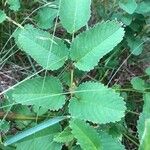
Sanguisorba officinalis
Common Burnet · Burnet bloodwort · Salad burnet · Great burnet · Sanguisorba
Description
Source: leafsnapSanguisorba officinalis, commonly known as great burnet, is a plant in the family Rosaceae, subfamily Rosoideae. It is native throughout the cooler regions of the Northern Hemisphere in Europe, northern Asia, and northern North America. It is a herbaceous perennial plant growing to 1 m tall, which occurs in grasslands, growing well on grassy banks. It flowers June or July.Sanguisorba officinalis is an important food plant for the European large blue butterflies Phengaris nausithous and P. teleius.
🌳 Great burnet, with its deep dark red, bottlebrush-shaped flowers atop wiry stalks, adds a touch of uniqueness to a late summer garden. Its lush and somewhat unruly growth makes it perfect for naturalistic gardens, whether they're focused on wildlife, herbs, or prairie landscapes. This plant also brings dynamic interest to beds and borders. As an added bonus, great burnet is resistant to pests, diseases, and deer.
Care Guide
💧 Water Every week
Great burnet is a plant that typically grows in moist meadows and along riverbanks, thriving in consistently damp environments. To replicate its natural habitat and ensure healthy growth, it should be watered weekly. When grown outdoors, great burnet benefits from seasonal rainfall, which aligns with its water needs during the growing season, promoting robust growth and vitality.
How should I water my Great burnet?
To properly water the Great burnet, it is recommended to use filtered water that is at room temperature. Tap water may contain harmful particles that can negatively affect the plant's health. Since the Great burnet originates from a warm environment, it is advisable to use room temperature or slightly warmer water to prevent shocking its system with cold water. Additionally, overhead watering should be avoided to prevent foliage issues. Instead, apply the filtered room temperature water directly to the soil until it is fully soaked. This method benefits the plant by moisturizing the roots and supporting their spread through the soil, facilitating nutrient absorption.
What should I do if I give my Great burnet plant too much or too little water?
Both overwatering and underwatering can harm the health of your Great burnet, but overwatering is more common and problematic. When the plant receives too much water, its stems and leaves may wilt and turn yellow. Overwatering over time can also result in diseases like root rot, mold, and mildew, which can be fatal to the plant. Underwatering is less likely for the Great burnet, as it can tolerate drought. However, it can still happen, and when it does, the leaves may become brittle and brown. It's important to recognize the signs of overwatering early when caring for your Great burnet. Some diseases caused by overwatering, such as root rot, may be irreversible if not addressed promptly. If you notice early signs of overwatering, reduce your watering schedule immediately. Also, check the quality of the soil the Great burnet is growing in. If the soil drains poorly, replace it with a loose, well-draining potting mix. On the other hand, if you see signs of underwatering, simply water the plant more regularly until the signs disappear.
How often should I give water to my Great burnet plant?
If your Great burnet plant is in a pot, the most precise way to determine if it needs water is by checking the soil. Simply insert your finger into the soil and if you find that the top two to three inches are dry, it's time to water it. The same method can be used if you have your Great burnet plant growing outdoors in the ground. When you find that the first few inches of soil have dried, it's time to give it some water. Typically, during the spring and early fall, you may need to water this plant about once a week using this method. However, in extremely hot weather, you may need to increase the frequency to two or more times per week. It's worth noting that mature, well-established Great burnet plants have an impressive ability to withstand drought.
How much water does my Great burnet plant need?
When watering your Great burnet, be generous with the amount of water you provide. Make sure the top few inches of soil are dry before watering and give the plant a thorough soak. The water should be enough to completely saturate the soil and cause excess water to drain out of the pot. If you don't see any water draining, it means you haven't watered enough, but be careful not to let water accumulate in the soil as it can harm the plant. On the other hand, if water doesn't drain out, it could mean that the soil doesn't drain well, which is bad for the plant's health. If the plant is outside, 1 inch of rain per week should be enough.
How do I water my Great burnet at various stages of growth?
The water needs of the Great burnet can vary depending on its growth stages. In the early years or after transplanting, it requires more water because it is focused on developing new roots to support future growth. These roots perform better with a higher level of moisture. As the plant matures, it will need less water. Additionally, during the blooming period, the plant requires increased water to support flower development.
☀️ Light Full sun
Great burnet needs plenty of sunlight to thrive, as this encourages healthy growth. It can tolerate shadier sites to a degree. Having originated in open habitats, it is adapted to those light conditions. Both too little and too much light can negatively affect its development.
What are the sunlight requirements for Great Burnet?
Great Burnet requires substantial exposure to full sun for more than 6 hours daily to foster its healthy growth. It can also tolerate partial sun, about 3-6 hours of sunlight, to some extent, originating from open habitats and adapted to such light conditions. However, both insufficient or excessive light could negatively affect its development. It's essential to watch how sunlight moves through your garden and choose spots that provide the perfect balance of light and shade for your plants, ensuring their happiness.
How can I supplement natural sunlight with artificial lighting?
Indoor plants, including Great Burnet, require adequate lighting for optimal growth. When natural sunlight is insufficient, artificial lights offer a vital solution. Choose the right type of artificial light, with LED lights being particularly popular for providing specific wavelengths of light needed by the plants. Full sun plants need 30-50W/sq ft, partial sun plants 20-30W/sq ft, and full shade plants 10-20W/sq ft of artificial light. Place the light source 12-36 inches above the plant to mimic natural sunlight, and for the duration, most plants need 8-12 hours of light per day.
What are the symptoms of inadequate lighting for Great Burnet?
Symptoms of inadequate lighting for Great Burnet include smaller new leaves, leggy or sparse growth, faster leaf drop, slower or no new growth, paler or lighter-colored new leaves, chlorosis or yellowing of the leaves, sunscald, leaf curling, wilting, and leaf scorching. These conditions imply either too much or too little light. Significant is ensuring the plant receives the right amount of sunlight or supplementing with artificial light where necessary.
What solutions can help Great Burnet with light exposure?
To ensure optimal growth for Great Burnet, gradually move plants to a sunnier location, aiming for at least 6 hours of direct sunlight daily. For indoor plants, use a south-facing window or consider using artificial light such as desk, ceiling lamp, or professional plant grow lights for at least 8 hours daily. For outdoor plants, avoid sudden changes in light intensity to prevent sunburn. You can also prune trees blocking sunlight or transplant smaller plants to sunnier locations with ample sunlight and good drainage. Note that parts of the plant affected by insufficient sunlight may not recover, but new growth after increasing the light exposure will be healthy.
🌡️ Temperature 5–32.2°C
Great burnet is native to temperate areas and does best in climates with temperatures ranging from 68 to 95°F (20 to 35℃). Proper acclimation can be vital during seasons when temperatures lie outside this range. Provide adequate warmth to encourage lush growth.
What is the ideal temperature range for Great Burnet?
Great Burnet, known botanically as Sanguisorba officinalis, flourishes in temperate climates with the ideal temperature range between 68 to 95°F (20 to 35°C). It has adapted well to these conditions, requiring suitable warmth within this range for optimal growth. Despite its strong cold resistance, enabling it to withstand cooler temperatures without special frost protection measures, it is critical to provide cold protection if winter temperatures are expected to drop below -30°C. Adequate preparation includes covering the plant with insulating materials like soil or straw and ensuring the ground is moist before the first freeze, to help prevent winter and early spring drought.
How does Great Burnet react to temperatures below -30°C?
Great Burnet demonstrates significant cold tolerance but requires specific care when temperatures drop below -30°C. Despite its resilience, such extreme cold can negatively affect the plant's spring sprouting, potentially leading to decreased or absent sprouting. To mitigate these effects, it is crucial to remove any parts of the plant that have failed to sprout in spring, ensuring a healthier regrowth for the remaining season.
What should be done if Great Burnet experiences high temperatures above 35°C?
In the face of temperatures exceeding 35°C, especially when reaching or surpassing 38°C, Great Burnet may exhibit signs of distress such as lighter leaf coloration, leaf curling, susceptibility to sunburn, and in severe cases, wilting and drying out. The recommended response includes trimming away sunburned and dried-up parts to promote recovery. Additionally, moving the plant to a shaded area or using a shade cloth to protect it from harsh midday and afternoon sun is advisable. Keeping the soil moist through morning and evening watering also helps alleviate the stress caused by high temperatures.
💨 Humidity
🪴 Soil 6-7
🌱 Fertilizer
To maximize Great burnet yield and flavor, supply adequate nitrogen throughout the entire growing period, from before planting through harvest. Plants that are well watered and fertilized produce plentiful, healthy leaves and are less prone to bitterness. Before planting, amend the soil with organic matter such as compost or manure, ideally 2 to 8 weeks beforehand.
Why should I add fertilizer to my Great burnet?
Fertilization is important for the Great burnet because it provides essential nutrients for the plant's growth. While the overall fertilization needs for the Great burnet are low and the plant can survive without it, annual fertilization can greatly benefit the plant. It helps keep the plant alive and may even improve the quality and longevity of its flowers. If you want your Great burnet to look its best, it is recommended to provide annual fertilization.
When should I fertilize my Great burnet for the best results?
The best time to fertilize a Great burnet is in late winter to early spring when the plant is transitioning from a dormant phase to active growth. This allows for optimal growth and a strong start to the season. Fertilizing in the early spring is generally the most beneficial, but fall is also an acceptable time. However, it is not recommended to fertilize the plant during summer or winter.
When is not a good time to fertilize my Great burnet?
To ensure proper fertilization of your Great burnet, it is recommended to only fertilize during late winter and early spring. This plant has low fertilization needs, so one annual feeding is sufficient. Fertilizing during spring, summer, and fall can lead to overfertilization, unless no fertilization occurred in spring, in which case fall feeding is allowed. Additionally, there is no need to fertilize this plant during winter, as it is in a dormant growth phase and does not produce new growth. Therefore, fertilizing during most of the winter is not advisable.
What kind of fertilizer should I use for my Great burnet plant?
To effectively nourish your Great burnet, you can use any general-purpose fertilizer that contains a balanced amount of the three main plant nutrients. However, certain nutrient blends can offer even greater benefits. One belief held by many gardeners is that higher levels of phosphorus promote stronger roots and improved flowering. Considering that Great burnet is a flowering plant, applying a phosphorus-rich fertilizer may be the ideal choice. Whether you choose granular or liquid fertilizers, the key is to ensure a sufficient supply of nutrients. In addition to manufactured fertilizers, you can also enhance the soil for your Great burnet using organic methods such as compost, manure, and other similar substances. These natural materials can greatly contribute to the creation of a healthy growing medium for your Great burnet.
How should I add fertilizer to my Great Burnet plant?
To fertilize a Great burnet, the most common method is to use granular or pellet fertilizer applied to the soil near the plant. It is important to fertilize as the plant transitions out of its winter dormant phase and into active growth. In early spring, wait for the plant to start emerging from the soil before applying the fertilizer. Alternatively, some people prefer using liquid fertilizer, which should be diluted with water before application. Regardless of the type of fertilizer used, it is recommended to moisten the soil before, during, and after applying the fertilizer.
🪴 Pot & Repot Every 12 months
✂️ Pruning
Great burnet is known for its tall, reddish flower spikes and pinnate leaves. To maintain its health and beauty, it thrives with regular pruning from early to late spring. Trim back the old stems and remove any damaged foliage to prevent the plant from becoming leggy and to encourage more blooms. Be sure to use clean, sharp tools to promote healthy regrowth.
🌿 Propagating
🐛 Diseases & pets
☠️ Toxicity
Characteristics
- Plant Type
- Herb
- Life Cycle
- Perennial, Annual
- Genus
- Sanguisorba
- Family
- Rosaceae
- Hardiness Zone
- 4-8
- Mature Height
- 2.13 m
- Mature Spread
- 61 cm
- Leaf Color
- Green
- Leaf Type
- Deciduous
- Flower Color
- Red, Purple, Pink
- Flower Size
- 1.02 cm to 2.03 cm
- Bloom Time
- Early summer, Mid summer
- Planting Time
- Spring
- Harvest Time
- Mid summer