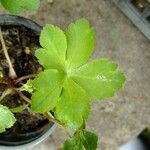
Sanicula elata
Care Guide
💧 Water
Sanicula elata flourishes in its natural environment, which has regular rainfall, and prefers consistently moist conditions. Although it exhibits moderate drought tolerance, watering it weekly is essential for optimal health. During its active growing season, keeping the soil evenly moist is crucial for promoting lush foliage and robust growth.
☀️ Light Partial sun
Sanicula elata occurs naturally in habitats like forest understories and rocky sites, where it grows in shaded conditions. It prefers partial sun but can tolerate full sun or full shade, demonstrating its versatility and hardiness.
What are the sunlight requirements for Sanicula elata?
Sanicula elata, also known as its botanic name, requires specific sunlight conditions to thrive. It should receive partial sun, meaning about 3-6 hours of sunlight each day, to grow well. For plants that need full sun, they should be placed in locations where they can receive more than 6 hours of sunlight daily. It's important to observe the patterns of sunlight movement in your garden to find the ideal spots that offer a balanced exposure of light and shade, ensuring your plants' well-being.
🌡️ Temperature 5–35°C
Sanicula elata can tolerate a wide range of temperatures, though its distribution may still be restricted by various combinations of moisture and heat. It grows best in warm summer conditions with sufficient rainfall or irrigation. Extended periods of cloudy, rainy weather or prolonged high temperatures increase the chance of Sanicula elata dying. In winter, protecting the plant from cold can enhance its survival rate.
💨 Humidity
🪴 Soil 6-7
🌱 Fertilizer
One fertilizer application in spring is generally enough for Sanicula elata, though multiple feedings can further enhance growth. Apply fertilizer every one to one and a half months. Fertilizing improves the leaves’ appearance and function, encouraging even color and a healthy texture. It also promotes root development and nutrient uptake, supporting the plant’s long-term health.
🪴 Pot & Repot
✂️ Pruning
Pruning Sanicula elata from early to late spring encourages healthier blooms and stronger growth. To achieve this, trim away dead branches and thin out crowded areas to improve air circulation, reduce the risk of disease, and enhance the plant’s appearance. For more detailed, region-specific guidance, consult reputable sources.
🌿 Propagating
🐛 Diseases & pets
☠️ Toxicity
Characteristics
- Plant Type
- Herb
- Life Cycle
- Perennial
- Genus
- Sanicula
- Family
- Apiaceae
- Hardiness Zone
- 5-9
- Mature Height
- 20 cm to 76 cm
- Mature Spread
- 20 cm to 40 cm
- Leaf Color
- Green
- Leaf Type
- Semi-evergreen
- Flower Color
- White
- Flower Size
- 0.20 cm to 0.25 cm
- Bloom Time
- Late spring, Early summer
- Planting Time
- Spring, Summer, Autumn
- Harvest Time
- Mid summer, Late summer
- Native Area
- Nepal, Sri Lanka, Malawi, Lesotho, India, Malaysia, South Africa, Zambia, Madagascar, Sudan, Pakistan, Philippines, Nigeria, Laos, Kenya, Uganda, Tanzania, Zimbabwe, China, Indonesia, Cameroon, Vietnam, Mozambique, Myanmar, Bhutan, Eswatini, Ethiopia, Congo (DRC)