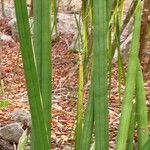
Sansevieria canaliculata
Starfish Snakeplant
Care Guide
💧 Water Every 14 days
The snake plant is well-suited to dry conditions, needing very little water—only once every two weeks. It is popular as an indoor plant because it is easy to care for and very resilient. In addition to being low-maintenance, the snake plant improves indoor air quality by releasing oxygen at night.
☀️ Light Full sun
Although it tolerates lower light levels, the snake plant grows best when given plenty of sunlight. Coming from a habitat that is usually sunny, it can show noticeable improvements in health and growth under similar conditions. Still, extended exposure to excessively strong sunlight may damage the plant.
What are the sunlight requirements for a Snake plant?
The Snake plant, scientifically known as Sansevieria canaliculata, thrives in environments that closely mimic its natural, sunlight-rich habitat. It requires full sun, defined as over 6 hours of sunlight daily, to flourish. However, it can also tolerate partial sun, amounting to about 3-6 hours of sunlight. Despite its resilience, prolonged exposure to very intense sun can harm the plant. It's essential to watch how sunlight moves through your garden or interior spaces, positioning your Snake plant in spots that offer the right balance of light and shade for optimal growth.
How does artificial lighting benefit Snake plants?
Indoor Snake plants still require adequate lighting to grow well, especially in conditions where natural sunlight is minimal. Artificial lighting can substitute for sunlight, particularly during winter or in less sunlit areas. LED lights are recommended due to their ability to provide specific light wavelengths needed by plants. The intensity of artificial light should match the plant's needs: 30-50W/sq ft for full sun plants, 20-30W/sq ft for partial sun plants, and 10-20W/sq ft for full shade plants. The light source should be placed 12-36 inches above the plant for 8-12 hours per day to mimic natural daylight conditions effectively.
What are the symptoms of light deficiency in Snake plants?
Snake plants may exhibit several symptoms under suboptimal lighting, such as smaller new leaves, leggy or sparse growth due to stretched-out spaces between leaves or stems, faster leaf drop, slower or halted growth, lighter-colored new leaves indicating insufficient chlorophyll, and chlorosis, where leaves turn yellow. Additionally, intense exposure can cause sunscald, leaf curling as a defense mechanism against excess sunlight, wilting due to increased water loss, and leaf scorching, characterized by brown, dry edges on leaves.
What solutions can address light deficiency in Snake plants?
Addressing light deficiency in Snake plants involves gradually moving them to sunnier locations to receive at least 6 hours of direct sunlight daily, keeping them near south-facing windows, or using artificial lighting such as desk lamps or professional grow lights for at least 8 hours per day. For outdoor plants, avoid sudden light intensity changes to prevent sunburn. For plants affected by insufficient sunlight, new growth after increasing light exposure will be healthy. Reducing obstructions like pruning trees and transplanting smaller plants to sunnier locations with good drainage can also help. Remember, parts of the plant that suffered might not recover, but conditions for future growth can be improved.
🌡️ Temperature 20–37.8°C
Snake plant is native to areas where temperatures range from 68 to 100 °F (20 to 38 °C). It flourishes in those conditions but can withstand minor variations. For best growth, keep the temperature steady year-round and prevent exposure to cold drafts.
💨 Humidity
🪴 Soil 6-7
🌱 Fertilizer
For snake plants, small amounts of fertilizer once or twice a year during the active growing period are adequate. Do not fertilize in winter or in summer, when the plant is dormant. Use less fertilizer for plants that have been repotted, and wait a couple of months after repotting before applying any fertilizer. Feeding the plant helps maintain healthy growth and can promote flowering.
🪴 Pot & Repot Every 2 years
When repotting a snake plant, choose a pot slightly larger than the current one that provides good drainage. Use a gritty, well-draining cactus or succulent mix. Gently remove the plant from its old pot, brush off excess soil, and set it in the new pot at the same depth. Wait several days before watering so any root injury can heal. Repot in spring or fall and place the pot in a brightly lit area.
✂️ Pruning
The snake plant grows quickly. To make room for new growth and keep the plant looking its best, promptly trim any yellow or dry leaves.
🌿 Propagating
🐛 Diseases & pets
☠️ Toxicity
Characteristics
- Plant Type
- Succulent
- Life Cycle
- Perennial
- Genus
- Sansevieria
- Family
- Asparagaceae
- Hardiness Zone
- 10-11
- Mature Height
- 20 cm to 61 cm
- Mature Spread
- 20 cm to 40 cm
- Leaf Color
- Dark Green, Forest Green
- Leaf Type
- Evergreen
- Flower Color
- White
- Flower Size
- 5.08 cm to 15.24 cm
- Bloom Time
- Summer
- Planting Time
- Spring, Autumn
- Harvest Time
- Late summer, Early fall, Mid fall