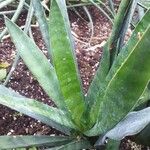
Sansevieria francisii
Snake plant · Starfish Sansevieria
Description
Source: leafsnapSansevieria francisii is a flowering species in the Asparagaceae family, native to East Africa. This succulent perennial can reach up to 30 cm in height and features stiff, upright leaves that are dark green with light green markings. The leaves are cylindrical and grow in a rosette pattern. The plant blooms with small white flowers on long stalks that emerge from the center of the rosette. Popular as an ornamental houseplant, Sansevieria francisii is favored for its attractive foliage and low maintenance needs. It thrives in bright, indirect light and well-draining soil but can also tolerate low light conditions and infrequent watering once established.
Care Guide
💧 Water Every 14 days
☀️ Light Full shade
The snake plant is native to the understory of tropical forests, thriving in full shade with occasional dappled sunlight, and able to adapt to environments with minimal direct sunlight.
🌡️ Temperature 20–37.8°C
The snake plant performs best in warm conditions and needs higher temperatures during the growing season to support growth and metabolic processes. It prefers plenty of sunlight, proper moisture, and good air circulation. However, it can be harmed by very low temperatures and by overwatering; likewise, maintaining balance is important to avoid overly high heat and excessively dry conditions.
💨 Humidity dry (<40%)
This plant prefers dry conditions, so don't mist it. However, watering it less often can also thrive in higher humidity.
🪴 Soil 6-7
🌱 Fertilizer
For snake plants, small amounts of fertilizer once or twice a year during the active growing period are adequate. Do not fertilize in winter or in summer, when the plant is dormant. Use less fertilizer for plants that have been repotted, and wait a couple of months after repotting before applying any fertilizer. Feeding the plant helps maintain healthy growth and can promote flowering.
🪴 Pot & Repot Every 2 years
When repotting a snake plant, choose a pot slightly larger than the current one that provides good drainage. Use a gritty, well-draining cactus or succulent mix. Gently remove the plant from its old pot, brush off excess soil, and set it in the new pot at the same depth. Wait several days before watering so any root injury can heal. Repot in spring or fall and place the pot in a brightly lit area.
✂️ Pruning
Pruning Sansevieria francisii is only required if you want to enhance the look of the plant. If a leaf starts to yellow, use pruning shears to cut it off at the base.
🌿 Propagating
🐛 Diseases & pets
☠️ Toxicity
For people and animals, all portions of the Sansevieria Francisii plant are slightly hazardous. If consumed, it may induce gastrointestinal issues such as vomiting and diarrhea.
Characteristics
- Plant Type
- Succulent
- Life Cycle
- Perennial
- Genus
- Sansevieria
- Family
- Asparagaceae
- Hardiness Zone
- 9-11
- Mature Height
- 61 cm
- Mature Spread
- 30 cm
- Leaf Color
- Green
- Leaf Type
- Evergreen
- Flower Color
- White
- Flower Size
- 1.02 cm to 1.52 cm
- Bloom Time
- Summer
- Planting Time
- Spring, Summer, Autumn
- Harvest Time
- Late summer, Early fall, Mid fall