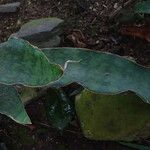
Sansevieria kirkii
Star sansevieria · Walking sansevieria
Description
Source: leafsnapSansevieria kirkii, a species of flowering plant in the Asparagaceae family, is native to Tanzania and Kenya in East Africa. This succulent grows up to 60 cm tall and features stiff, upright leaves that are dark green with light green markings. The leaves are long and narrow, tapering to a point at the tip. The plant produces small white flowers on long stalks that emerge from the center of its leaf rosette. Commonly known as "Star Sansevieria" or "Cylindrical Sansevieria" due to its unique cylindrical shape and star-like leaf markings, Sansevieria kirkii is an easy-to-care-for houseplant. It can tolerate low light conditions and infrequent watering, making it a popular choice for indoor gardening. In traditional medicine, Sansevieria kirkii has been used for treating skin infections and respiratory problems. Additionally, its strong roots have been utilized for making ropes. Overall, Sansevieria kirkii is an attractive houseplant with unique features that distinguish it from other members of its family. Its low maintenance requirements make it an ideal choice for beginners or those seeking a hassle-free indoor garden experience, while adding natural beauty to their homes or offices.
Care Guide
💧 Water Every 14 days
Star sansevieria thrives in dry conditions, needing only minimal watering and preferring that the soil dries out between waterings. To keep the plant healthy, water it every three weeks. This plant is ideal for indoor growth and benefits from well-draining soil, which helps prevent root rot and supports healthy growth.
☀️ Light Full shade
Star sansevieria is a species that does best with abundant sunlight for optimal growth and health. Native to a habitat where it is continuously exposed to sun, excessive light can cause the leaves to wither, while insufficient light may hinder growth. Throughout all stages of its life, steady exposure to a generous amount of sunlight is essential.
What are the sunlight requirements for Star sansevieria?
Star sansevieria thrives under abundant solar exposure for optimal growth and health. Originating from environments bathed in sunlight, it requires consistent exposure to a generous amount of sunlight across all life stages. While excessive light might lead to withering, inadequate light could impede its growth. Full sun is defined as over 6 hours of sunlight, whereas partial sun means about 3-6 hours of sunlight. It's important to observe the movement of sunlight through your garden to choose spots that provide a balance of light and shade, ensuring your plants' happiness.
How can artificial lighting be used for Star sansevieria?
When natural sunlight is insufficient, especially in winter or less sunny spaces, artificial lights offer an essential solution for indoor plants like Star sansevieria, promoting faster, healthier growth. LED lights are a popular choice because they can be customized to provide specific wavelengths needed by your plants. Full sun plants require 30-50W per square foot of artificial light, partial sun plants need 20-30W/sq ft, and full shade plants need 10-20W/sq ft. The light source should be placed 12-36 inches above the plant to mimic natural sunlight, with most plants needing 8-12 hours of light per day.
What are the symptoms of inadequate light in Star sansevieria?
Star sansevieria may show several symptoms when exposed to suboptimal lighting, including smaller new leaves, leggy or sparse growth, faster leaf drop, slower or no new growth, lighter-colored new leaves, chlorosis (leaves turning yellow), sunscald (damaged leaves from intense sunlight), leaf curling (as a defense mechanism against extreme sunlight), wilting (due to increased water loss), and leaf scorching (brown, dry patches on leaves from excessive sunlight). These symptoms indicate either too much or too little light and can affect the plant's health and growth.
What solutions are available for dealing with light-related issues in Star sansevieria?
To address light-related issues in Star sansevieria, gradual changes in the plant's location can ensure it receives at least 6 hours of direct sunlight daily, especially important for indoor plants. Using a south-facing window and keeping curtains open during the day maximizes sunlight exposure. If natural light is not sufficient, consider using artificial light sources, such as desk or ceiling lamps for at least 8 hours daily, or invest in professional grow lights. For outdoor plants, gradually moving them to sunnier spots while avoiding sudden changes prevents sunburn. If sunlight is obstructed by trees, consider pruning to improve exposure. For smaller plants that are easily transplanted, moving them during their dormant period to a location with ample sunshine and good drainage is beneficial. Note that parts of the plant affected by insufficient light may not fully recover, but new growth should be healthy with improved light conditions.
🌡️ Temperature 20–41.1°C
Star sansevieria does best in warm settings and needs higher temperatures during the growing season to encourage growth and metabolic activity. It prefers plenty of sunlight, suitable moisture levels, and good air circulation. However, it can be damaged by very low temperatures and by overwatering. It's important to find a balance and avoid both excessively high heat and overly dry conditions.
What are the essential care instructions for Star sansevieria?
Star sansevieria, or Sansevieria kirkii, thrives in warm environments and requires higher temperatures during its growing season to enhance growth and metabolism. It benefits from ample sunlight, proper moisture levels, and good ventilation. The plant can be damaged by excessively low temperatures and overwatering, so it's crucial to maintain a balance, avoiding overly high temperatures and dry conditions. During winter, when outdoor temperatures drop below 0°C, it's advised to move the plant indoors, preferably near a south-facing window to ensure it receives as much sunlight as possible. If natural light is insufficient, supplemental lighting is recommended. Watering should be reduced or stopped when temperatures fall below 20°C to prevent root rot. For outdoor plants, halt watering altogether in cold temperatures. If possible, consider insulating the plant with a temporary greenhouse, plastic film, or fabric wraps during cooler climates.
What should I do if my Star sansevieria is affected by low temperatures?
If your Star sansevieria experiences low temperatures, it may become weak, wilt, and be prone to root rot, especially if the temperature falls below 1°C. To address frost damage or cold stress, trim off the affected areas and check for root rot. If the roots have rotted, cut them off, and you might need to propagate the plant through cuttings. To aid recovery, move the plant indoors to a warm environment, ideally placing it near a south-facing window for ample sunlight. Use supplemental lighting if natural light is not sufficient. Ensuring the plant is kept in a warm environment above 0°C, especially during winter, is crucial for its well-being.
How should I care for my Star sansevieria during high temperatures?
During the summer, it's important to keep your Star sansevieria below 41°C to prevent heat stress. Temperatures exceeding 45°C can halt the plant's growth and lead to water loss, wilting, and an increased risk of sunburn. To mitigate damage from high temperatures, remove any sunburned or rotten parts of the plant and protect it from the intense afternoon sun until it recovers and resumes growth. If the plant suffers from root rot, cease watering until new roots appear. Taking these steps will help ensure the health and vitality of your Star sansevieria during hot conditions.
💨 Humidity
🪴 Soil 6-7
🌱 Fertilizer
For Star sansevieria, light fertilizer applications once or twice a year during the growing season are enough. Do not fertilize in winter or in summer when the plant is dormant. Cut back on feeding for plants that have been repotted and wait a couple of months after repotting before applying fertilizer. Fertilizing helps maintain healthy growth and promotes flowering.
🪴 Pot & Repot Every 2 years
When repotting a Star sansevieria, choose a pot slightly larger than the current one that has good drainage. Use a gritty, well-draining cactus or succulent mix. Gently remove the plant from its old pot, brush off excess soil, and place it at the same depth. Wait several days before watering so any root damage can heal. Repot in spring or fall and put it in a brightly lit spot.
✂️ Pruning
Star sansevieria grows rapidly. To keep it looking its best and to allow new growth, promptly prune any yellow or dry leaves.
🌿 Propagating
🐛 Diseases & pets
☠️ Toxicity
Characteristics
- Plant Type
- Herb
- Life Cycle
- Perennial
- Genus
- Sansevieria
- Family
- Asparagaceae
- Hardiness Zone
- 10-15
- Mature Height
- 61 cm
- Mature Spread
- 30 cm
- Leaf Color
- Dark Green, Forest Green
- Leaf Type
- Evergreen
- Flower Color
- White, Purple
- Flower Size
- 1.02 cm to 2.03 cm
- Bloom Time
- Summer, Early fall
- Planting Time
- Summer, Autumn
- Harvest Time
- Late summer, Fall
- Native Area
- Tropical West Africa