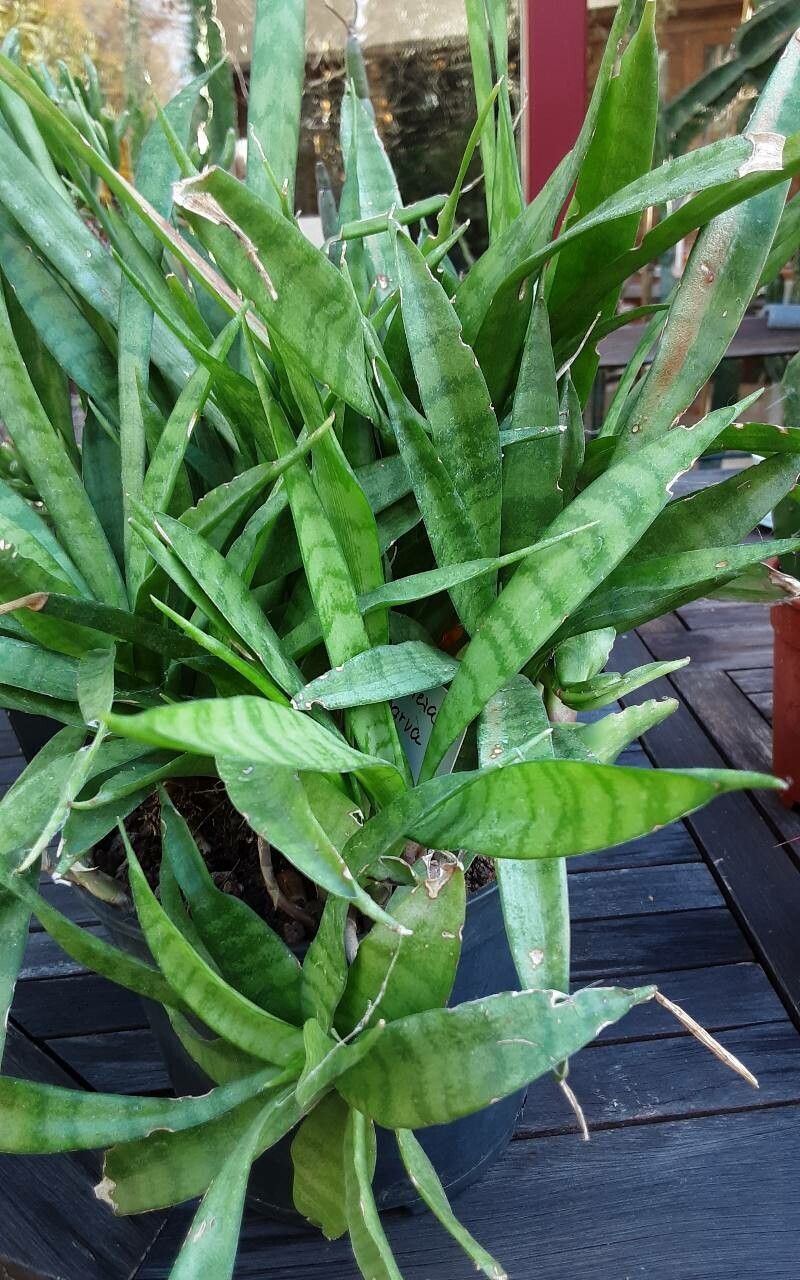
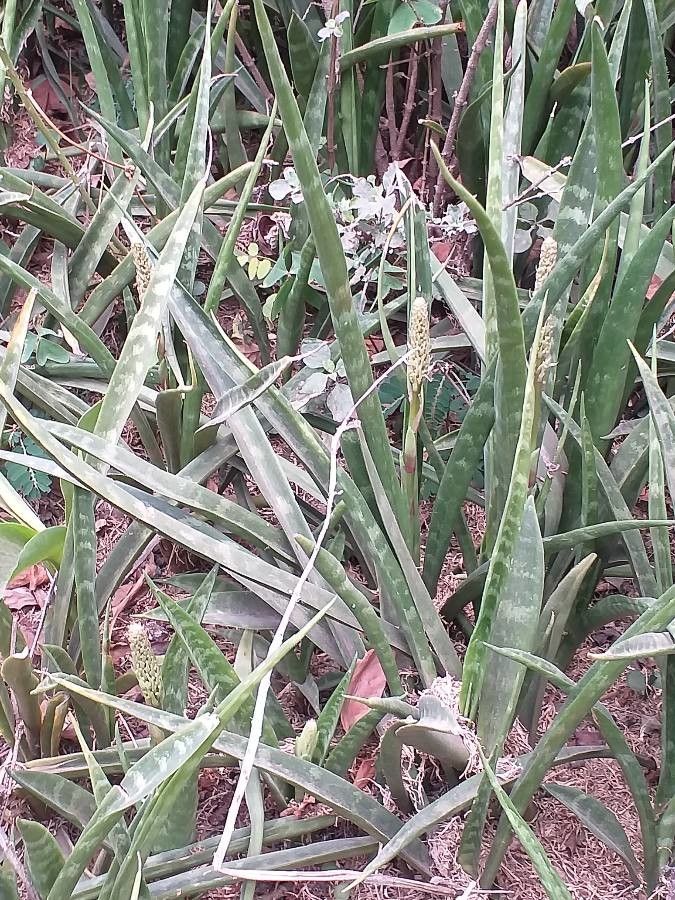
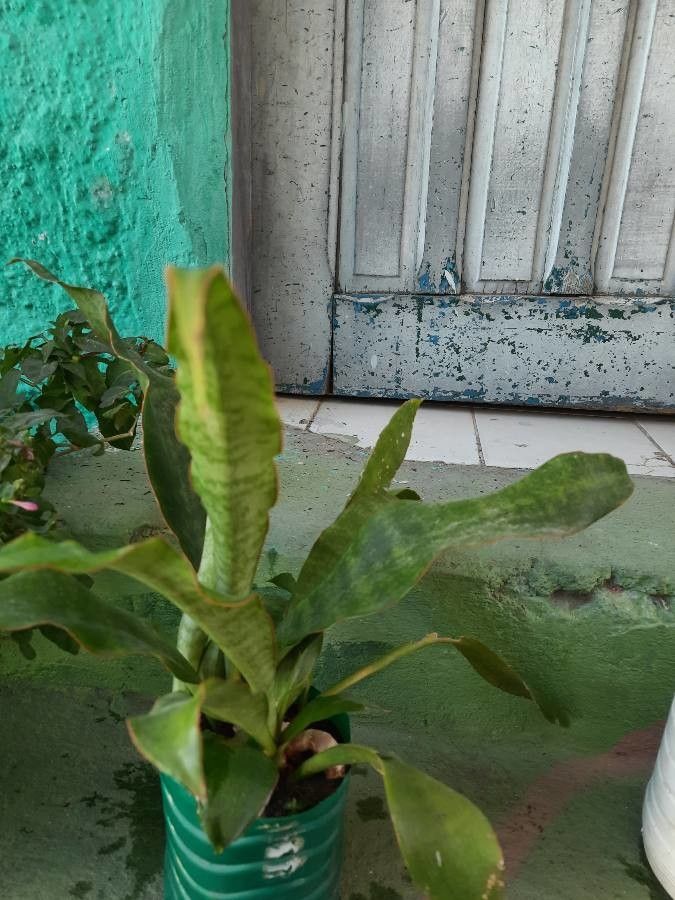
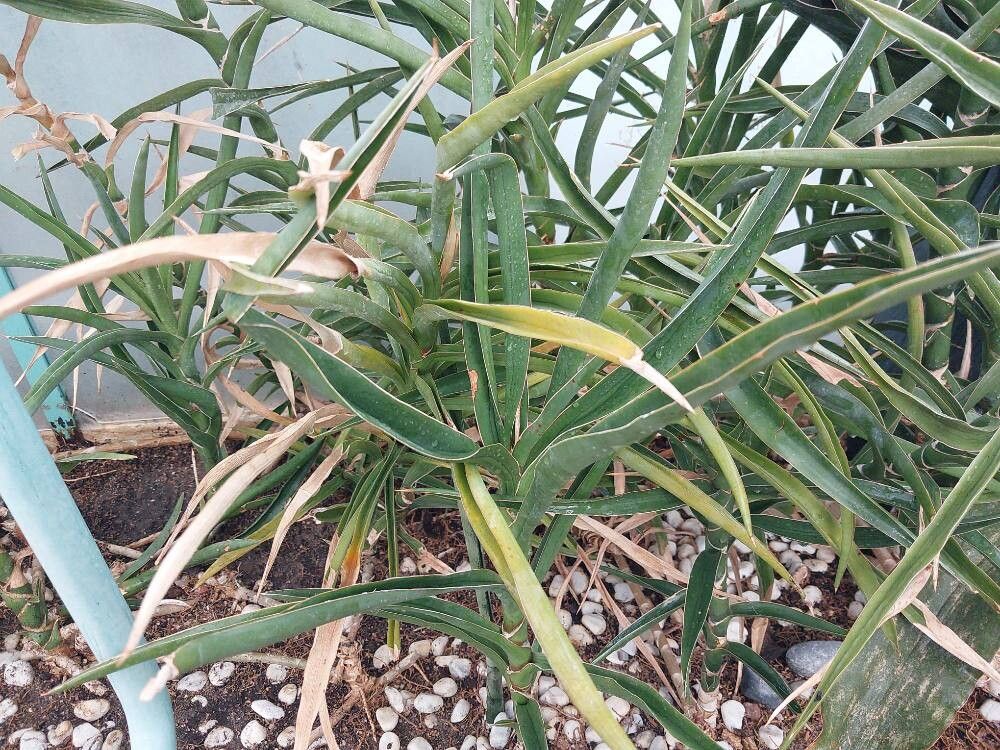
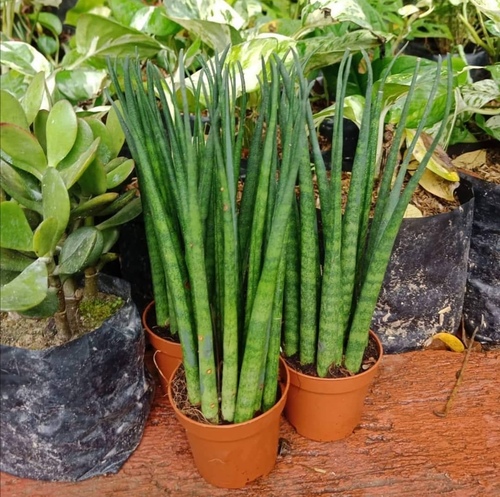
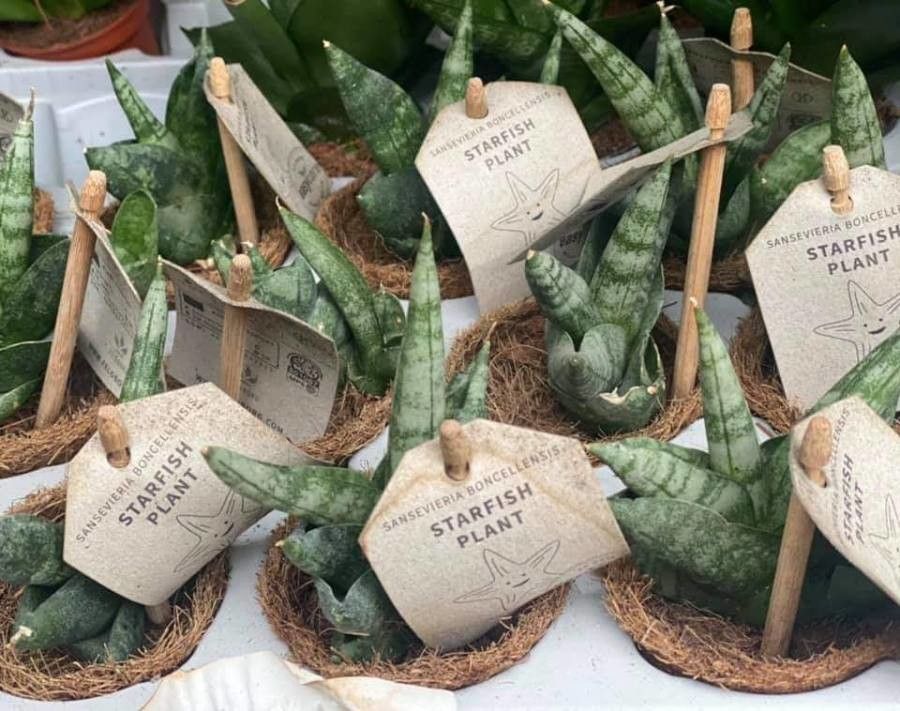
Kenya hyacinth has moderate disease resistance and is particularly sensitive to humidity and excess watering. It is also more prone to disease if it is kept in low light and overwatered. Regarding care, Kenya hyacinth is drought-tolerant and can withstand extended periods without water. It requires little fertilizer and only occasional pruning. This makes it an appropriate plant for people at any experience level, especially those who prefer to spend less time on plant care and who may be away from home for extended periods. It is a good option for anyone who does not want to devote a lot of time to plant maintenance but still wants an easy-to-care-for plant.
How to keep Sansevieria Parva.
Light
Kenya hyacinth comes from the understory of tropical forests, does well in full shade with occasional dappled sunlight, and can adapt to environments with little direct sunlight.
Temperature
Kenya hyacinth performs best in warm conditions and needs relatively high temperatures during the growing season to support growth and metabolic activity. It prefers plenty of sunlight, proper moisture, and adequate air circulation. It can be damaged by very low temperatures and by excessive watering. It is also important to maintain a balance and avoid temperatures that are too high or environments that are too dry.
Fertilizer
Kenya hyacinth benefits from light fertilizer applications once or twice a year during the growing season. Do not fertilize in winter or summer while the plant is dormant. Cut back on fertilizer for repotted specimens and wait a couple of months after repotting before you start feeding them. Fertilizing helps maintain healthy growth and promotes flowering.
Pot & Repot
When repotting Kenya hyacinth, choose a pot slightly larger than the current one that has good drainage. Use a gritty, well-draining succulent or cactus mix. Carefully take the plant out of its old pot, remove excess soil, and replant it at the same depth. Wait a few days before watering to allow any root damage to heal. Repot in spring or fall and place it in a brightly lit spot.
Botanical profile.
- Plant Type
- Succulent
- Life Cycle
- Perennial
- Genus
- Sansevieria
- Family
- Asparagaceae
- Hardiness Zone
- 9-11
- Mature Height
- 61 cm
- Mature Spread
- 30 cm
- Leaf Color
- Dark Green
- Leaf Type
- Semi-evergreen
- Flower Size
- 1.02 cm to 1.52 cm
- Bloom Time
- Summer, Early fall
- Planting Time
- Spring, Summer, Autumn
- Harvest Time
- Late summer, Fall