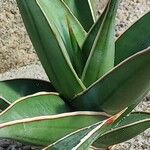
Sansevieria pinguicula
Description
Source: leafsnapDracaena pinguicula, synonym Sansevieria pinguicula, also known as the walking sansevieria, is a xerophytic CAM succulent native to the Bura area of Kenya, near Garissa. The species was described by Peter René Oscar Bally in 1943.
Care Guide
💧 Water
Sansevieria, also known as "walking sansevieria," thrives in low-humidity and arid conditions. It is highly drought-tolerant and only needs to be watered once every three weeks. This plant is perfect for indoor environments, as it maintains lush foliage throughout the year. Its ability to retain water effectively allows it to endure infrequent watering.
☀️ Light Full shade
The walking sansevieria performs best with moderate light, reflecting the conditions of its native habitat. Too little light can lead to stunted growth, while too much can scorch the leaves. For healthy development, light levels should mirror its original environment, being neither too scarce nor overly intense.
What type of sunlight is required for Walking Sansevieria?
Walking Sansevieria thrives in conditions that replicate its native environment, requiring partial sun, defined as about 3-6 hours of sunlight daily. It's crucial to observe the movement of sunlight through your garden to spot the perfect balance of light and shade, ensuring your plant's well-being. Keep in mind the warning to choose spots that provide this balance to ensure the plant's happiness.
How can artificial lighting support the growth of indoor Walking Sansevieria?
When natural sunlight is insufficient, especially during winter or in spaces with less sun, artificial lighting becomes essential for the growth of indoor Walking Sansevieria. LED lights are favorable due to their ability to be customized to supply specific wavelengths needed by the plant. The amount of artificial light needed varies: full sun plants require 30-50W/sq ft, partial sun plants need 20-30W/sq ft, and full shade plants require 10-20W/sq ft. It's important to place the light source 12-36 inches above the plant to simulate natural sunlight and to keep the lights on for 8-12 hours per day, mirroring natural daylight hours.
What are the symptoms of incorrect lighting for Walking Sansevieria?
Incorrect lighting can lead to various symptoms in Walking Sansevieria. Low light may cause smaller new leaves, leggy or sparse growth, faster leaf drop, slowed or halted growth, and paler new leaves. Excessive sunlight can result in chlorosis (yellowing leaves due to chlorophyll breakdown), sunscald, leaf curling as a defense against too much sun, wilting from water loss, and leaf scorching. These symptoms indicate the plant is not in its ideal lighting condition, requiring adjustments to its environment.
What solutions can mitigate the effects of incorrect sunlight exposure for Walking Sansevieria?
To mitigate the effects of incorrect sunlight exposure, indoor Walking Sansevieria should be moved gradually to spots with 3-6 hours of direct sunlight daily or use artificial light for plants that are large or difficult to move, keeping a lamp on for at least 8 hours a day. For outdoor plants, move them to sunnier locations gradually to prevent sunburn. If sunlight is blocked by obstacles like trees, consider pruning to improve light access. When transplanting smaller plants for better exposure, do so during their dormant period with care. Note that parts of the plant that suffered from previous insufficient light may not recover, but new growth will be healthy following these adjustments.
🌡️ Temperature 15–37.8°C
Walking sansevieria naturally occurs in habitats where temperatures range from 59 to 100.4 °F (15 to 38 ℃). Since it thrives within that span, indoor temperatures outside of it may need to be adjusted to maintain healthy growth.
What is the ideal temperature range for Walking Sansevieria?
Walking sansevieria thrives in temperatures ranging from 59 to 100.4 °F (15 to 38 °C). It enjoys warm environments and requires temperature adjustments when grown indoors if the surroundings fall outside this ideal range. During winter, the plant enters a dormant state, and it's crucial to move it indoors if temperatures drop below -5°C to prevent it from stopping its growth.
How should I care for Walking Sansevieria during cold temperatures?
To ensure the health of Walking Sansevieria during colder months, it's advised to reduce or completely stop watering when temperatures drop below 15°C. This is to prevent root rot, as the plant's growth slows down in cooler temperatures. For those grown outdoors, halt watering entirely during low temperatures, and consider using insulation methods such as temporary greenhouses, plastic film, or fabric wraps to protect the plant.
What are the signs of temperature stress in Walking Sansevieria and how can I address them?
Low temperature stress in Walking Sansevieria is evident when it's exposed to temperatures below 15°C, with wilting and root rot occurring at -10°C. To address frost damage, trim frostbitten areas and check for root rot. If present, propagate through cuttings after removing the rotted roots and ensure ample sunlight by placing near a south-facing window or using supplemental lighting. High temperatures above 43°C halt the plant's growth and lead to wilting and sunburn. Remove damaged parts and protect from direct afternoon sun until the plant recovers. Stop watering plants with root rot until new growth appears.
What are the botanical details of Walking Sansevieria?
Walking sansevieria is botanically known as Sansevieria pinguicula. It is a heat-loving plant that naturally thrives in environments where temperatures fluctuate between 59 to 100.4 °F (15 to 38 °C). The plant has specific care requirements based on its exposure to varying temperatures, including reduced watering during cold months and protection from extreme temperatures.
💨 Humidity
🪴 Soil 6-7
🌱 Fertilizer
Walking sansevieria needs only light fertilizer applications once or twice a year during the growing season. Do not fertilize in winter and summer when the plant is dormant. Cut back on fertilizer for repotted plants and wait a couple of months after repotting before feeding. Fertilizing helps maintain healthy growth and encourages blooming.
🪴 Pot & Repot Every 2 years
When repotting Walking sansevieria, choose a pot slightly larger than the current one that provides good drainage. Use a gritty, well-draining succulent or cactus mix. Gently remove the plant from its old container, brush off excess soil, and plant it at the same depth. Wait a few days before watering so any root damage can heal. Repot in spring or fall and place the plant in a brightly lit location.
✂️ Pruning
Sansevieria, also known as snake plant, grows quickly. To keep it looking its best and to make room for new growth, promptly prune any yellow or dry leaves.
🌿 Propagating
🐛 Diseases & pets
☠️ Toxicity
Characteristics
- Plant Type
- Succulent
- Life Cycle
- Perennial
- Genus
- Sansevieria
- Family
- Asparagaceae
- Hardiness Zone
- 8-11
- Mature Height
- 61 cm
- Mature Spread
- 30 cm
- Leaf Color
- Dark Green, Forest Green
- Leaf Type
- Evergreen
- Flower Color
- Yellow, Green
- Flower Size
- 1.02 cm to 2.03 cm
- Bloom Time
- Summer
- Planting Time
- Spring, Summer, Autumn
- Harvest Time
- Late summer, Early fall, Mid fall