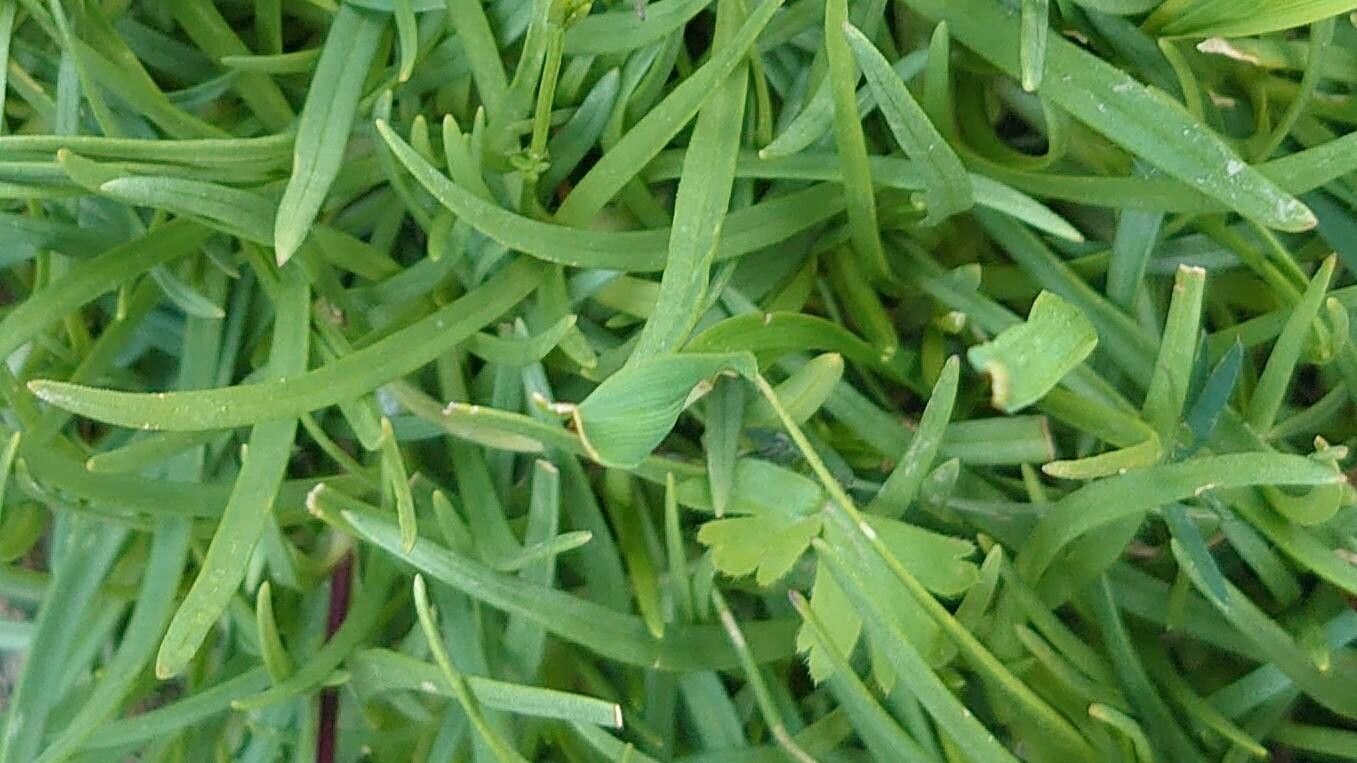
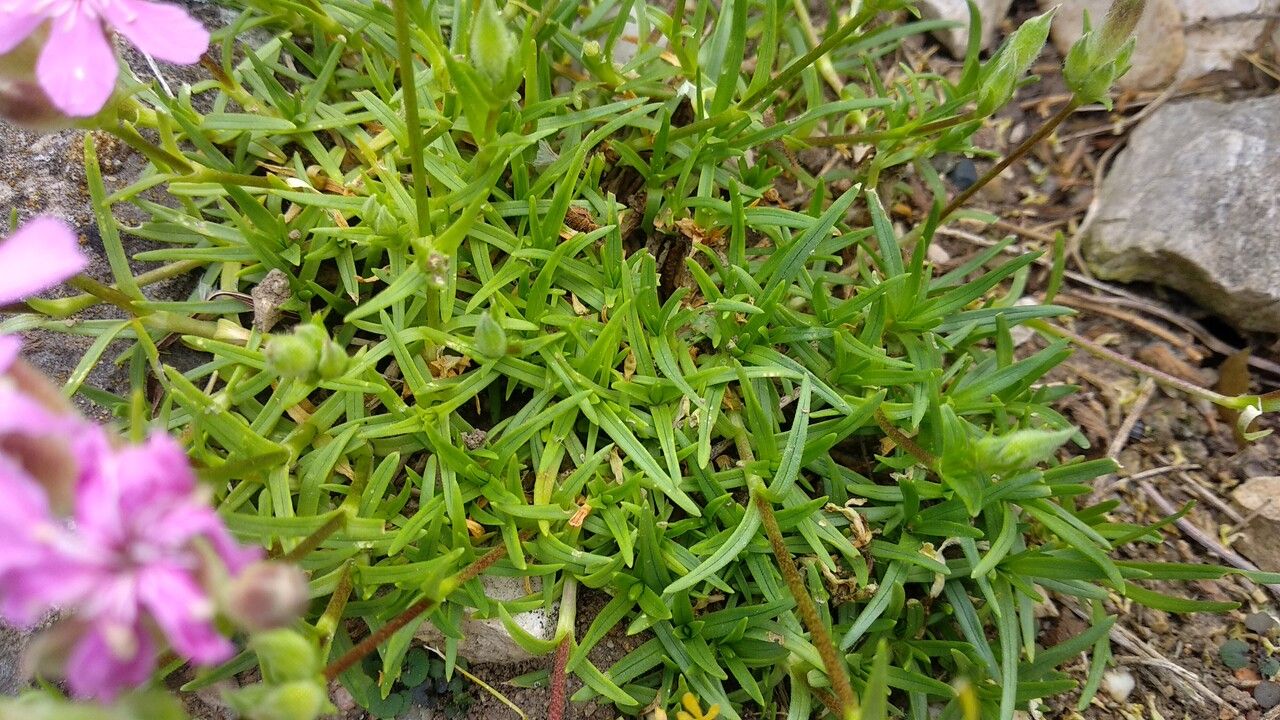
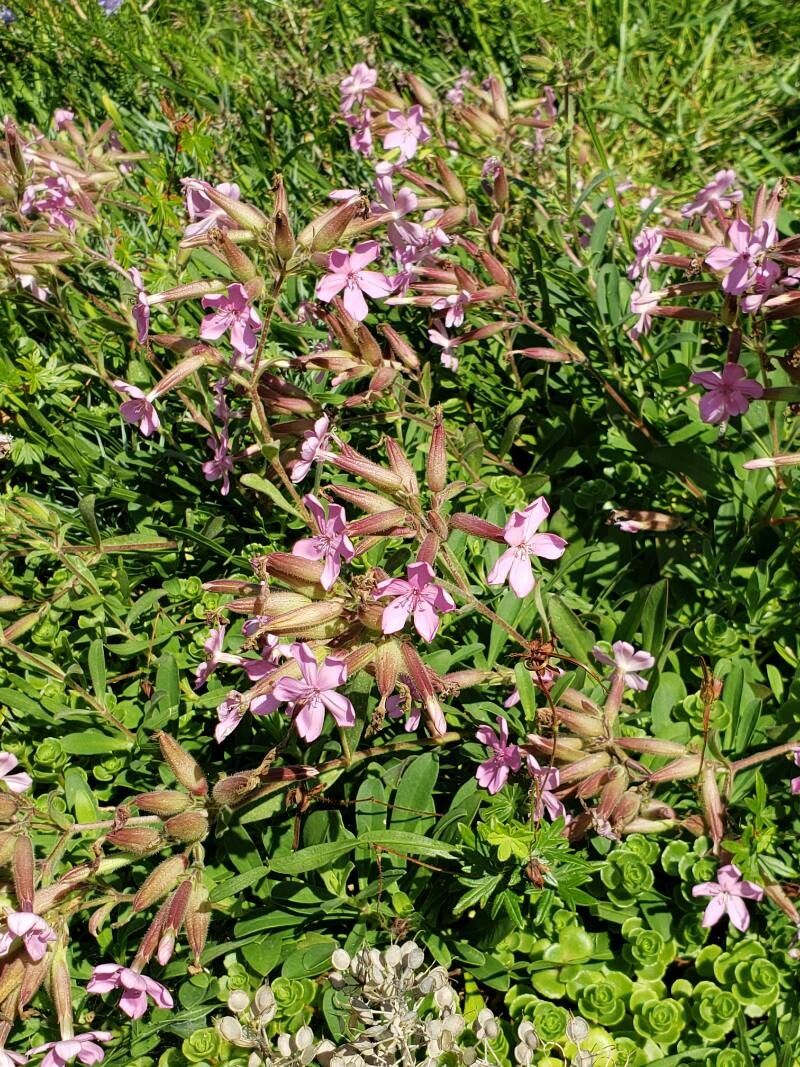
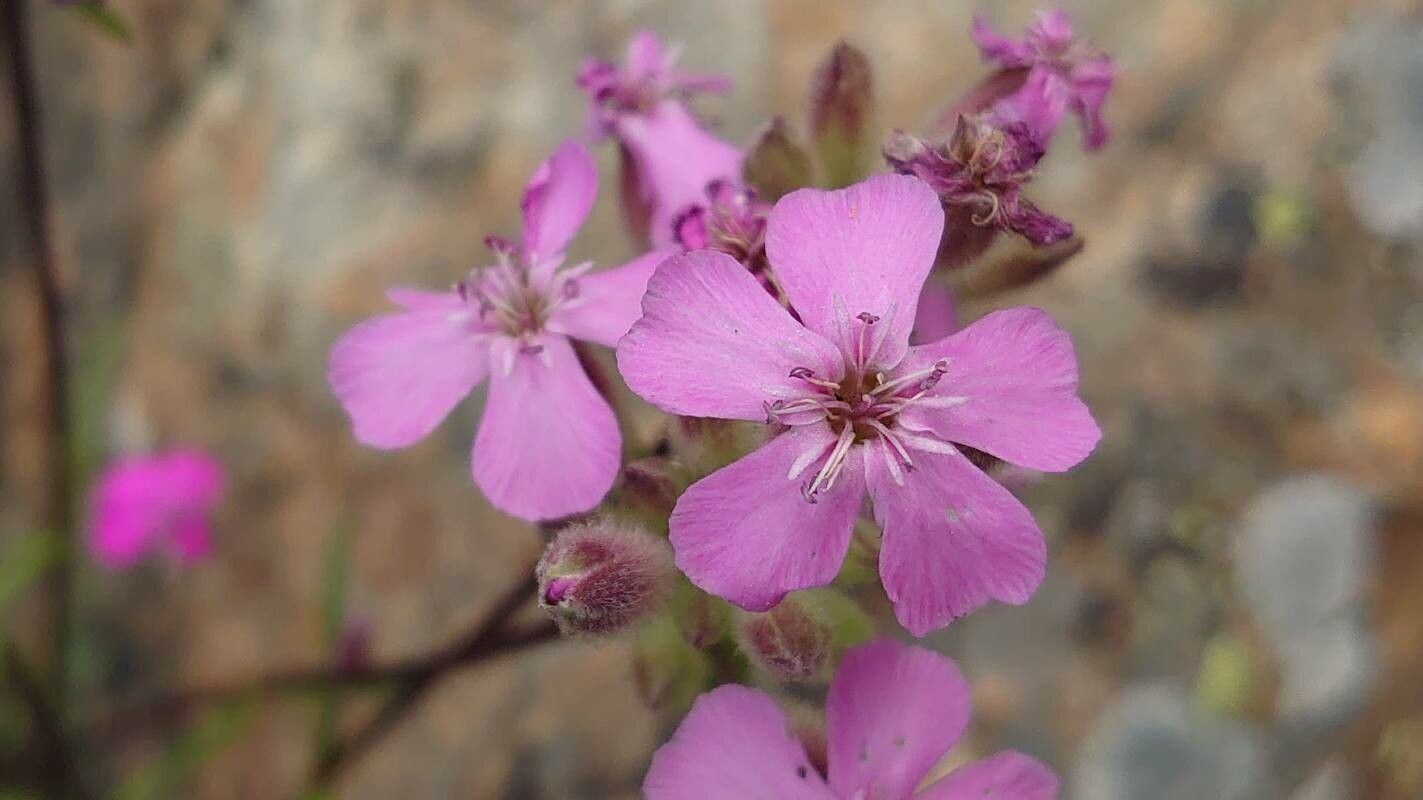
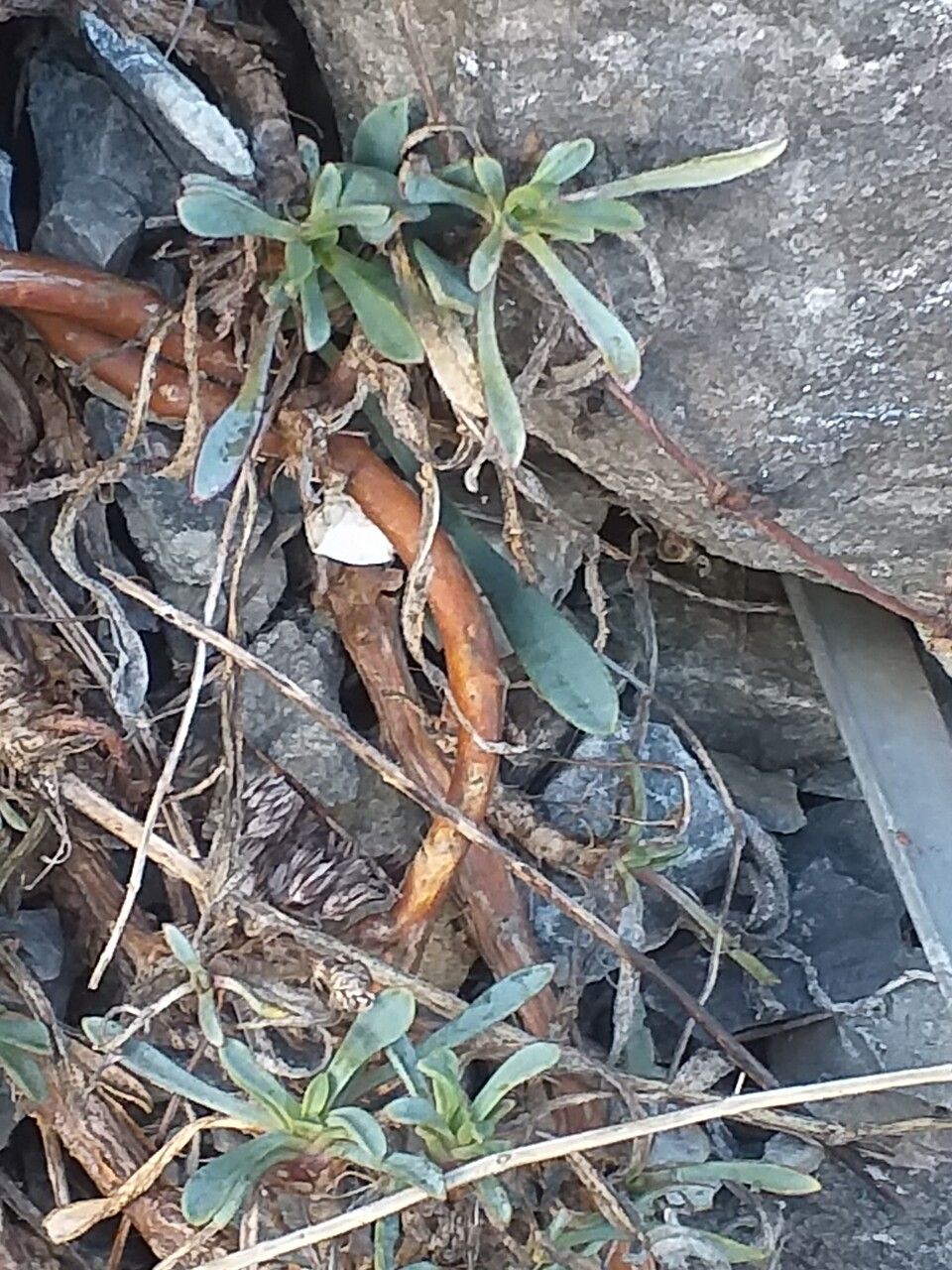
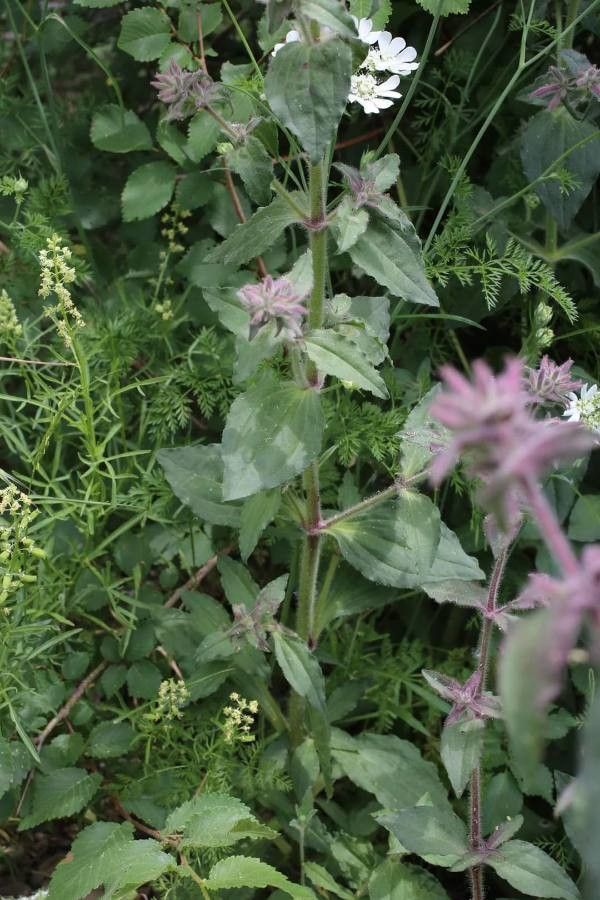
Alpine soapwort shows good resistance to disease and is generally unlikely to get sick. Still, it can be affected by pests and diseases present in its environment, though such infections tend to be mild. Regarding care, this plant needs a moderate amount of attention. It should be pruned regularly to preserve a neat appearance and encourage healthy growth. Applying fertilizer can also help increase blooming. Alpine soapwort is appropriate for anyone with outdoor space, like a garden or patio, and does not demand extensive horticultural experience. It may need extra care when cultivated indoors.
How to keep Saponaria Caespitosa.
Light
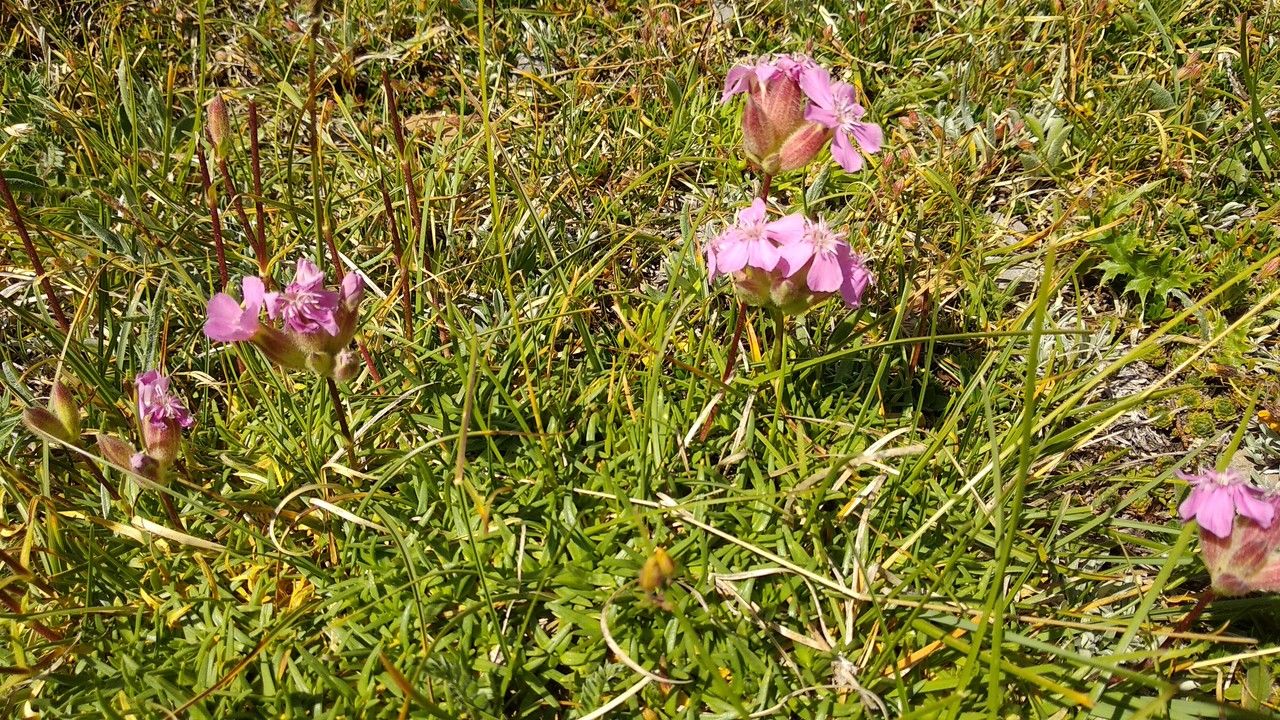
Alpine soapwort is a sun-loving perennial herbaceous plant that comes from open habitats and is frequently found thriving in meadows and grasslands. It prefers full sun but can also tolerate partial sun.
Water
Alpine soapwort flourishes in rocky alpine environments thanks to its ability to retain moisture efficiently, allowing it to need very little water. To simulate natural rainfall, water it once a week. This plant grows best outdoors in well-draining soil that mimics its mountainous origins. Alpine soapwort thrives in cooler temperatures and can tolerate short periods of dryness.
Fertilizer
The best time to fertilize an Alpine soapwort is in early spring, when it is coming out of dormancy and beginning active growth. Fertilization supplies essential nutrients for healthy development. Although Alpine soapwort has relatively low fertilizer requirements, applying fertilizer annually can improve its survival and encourage better, longer-lasting flowers.
Pruning
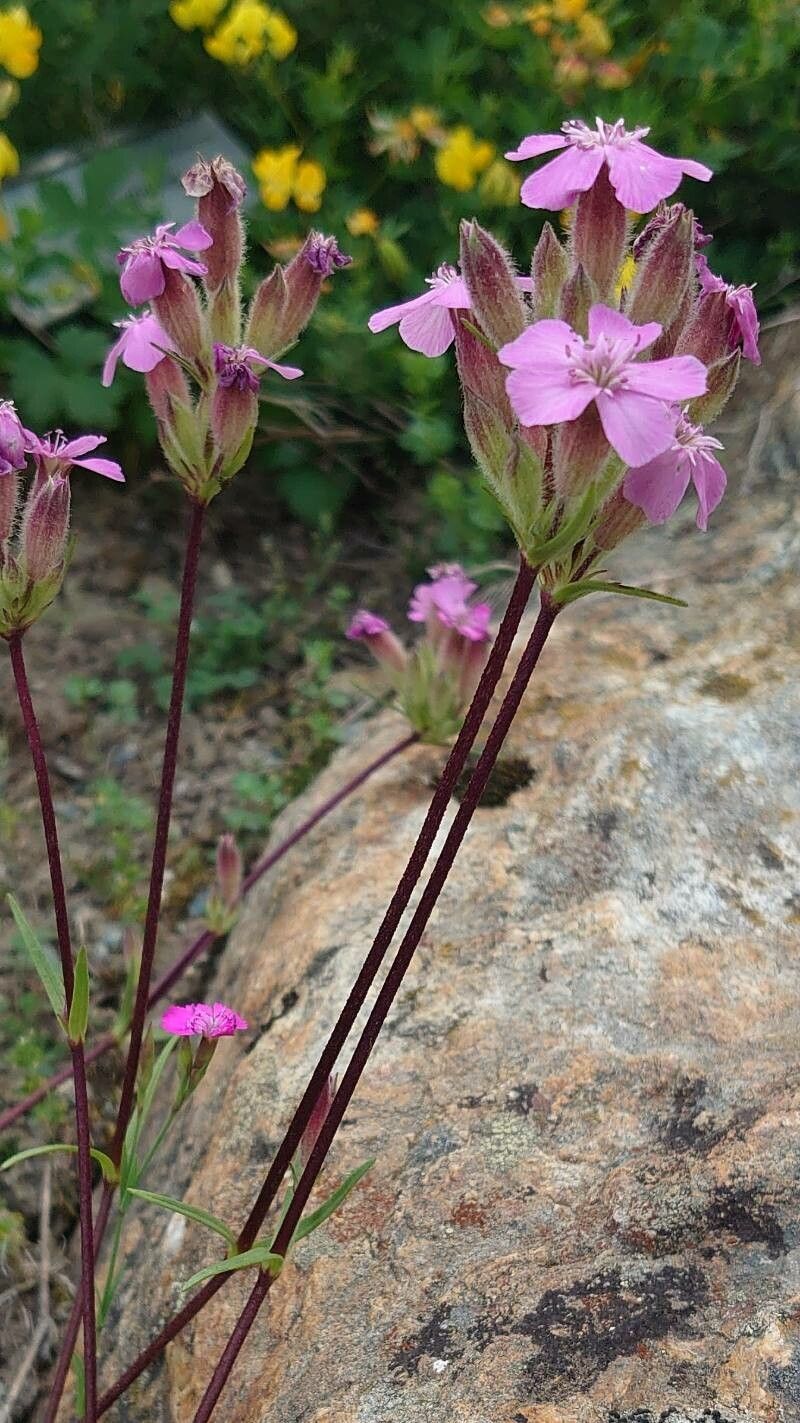
Alpine soapwort is a low-growing plant that showcases vibrant pink flowers. For best results, prune it regularly from early to late spring after it has finished flowering. Trim away any dead stems and overgrowth to promote a bushier appearance and more abundant blooms. Ensure the plant receives adequate sunlight and air circulation to help prevent disease.
Pot & Repot
When repotting Alpine soapwort, select a pot 1–2 inches (2.5–5.1 cm) larger with good drainage. Use a well-draining potting mix. Repot in spring or fall, making sure the root ball sits slightly lower than the rim of the flower pot. Water thoroughly after repotting and place in a warm location with indirect sunlight.
Botanical profile.
- Plant Type
- Herb
- Life Cycle
- Perennial
- Genus
- Saponaria
- Family
- Caryophyllaceae
- Hardiness Zone
- 4-8
- Mature Height
- 15 cm
- Mature Spread
- 15 cm
- Leaf Color
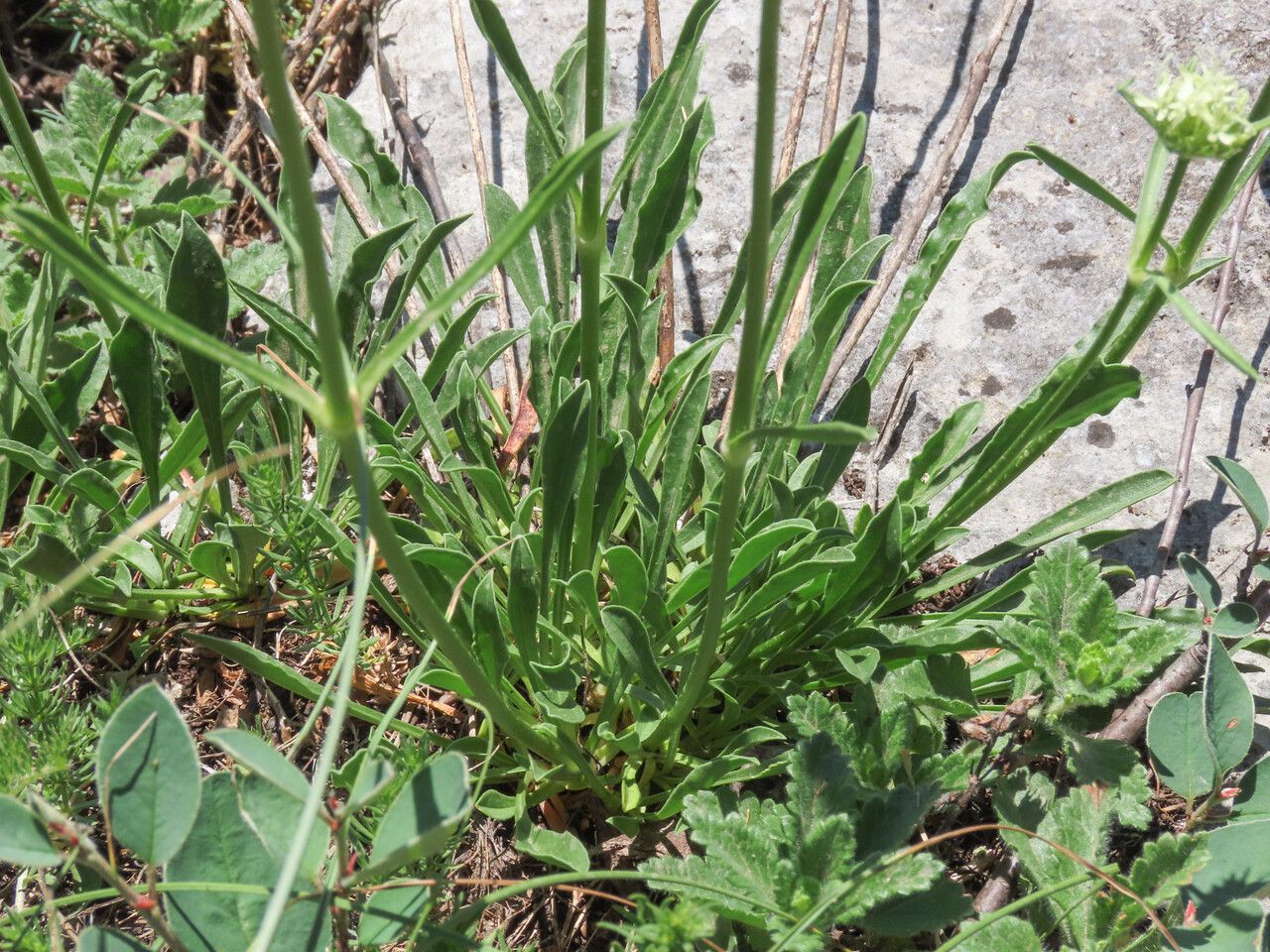
- Dark Green
- Leaf Type
- Semi-evergreen
- Flower Color
- Pink
- Flower Size
- 1.02 cm to 1.52 cm
- Bloom Time
- Early summer, Mid summer
- Planting Time
- Spring, Summer
- Harvest Time
- Late summer, Early fall
- Native Area
- Spain, France
Other names.