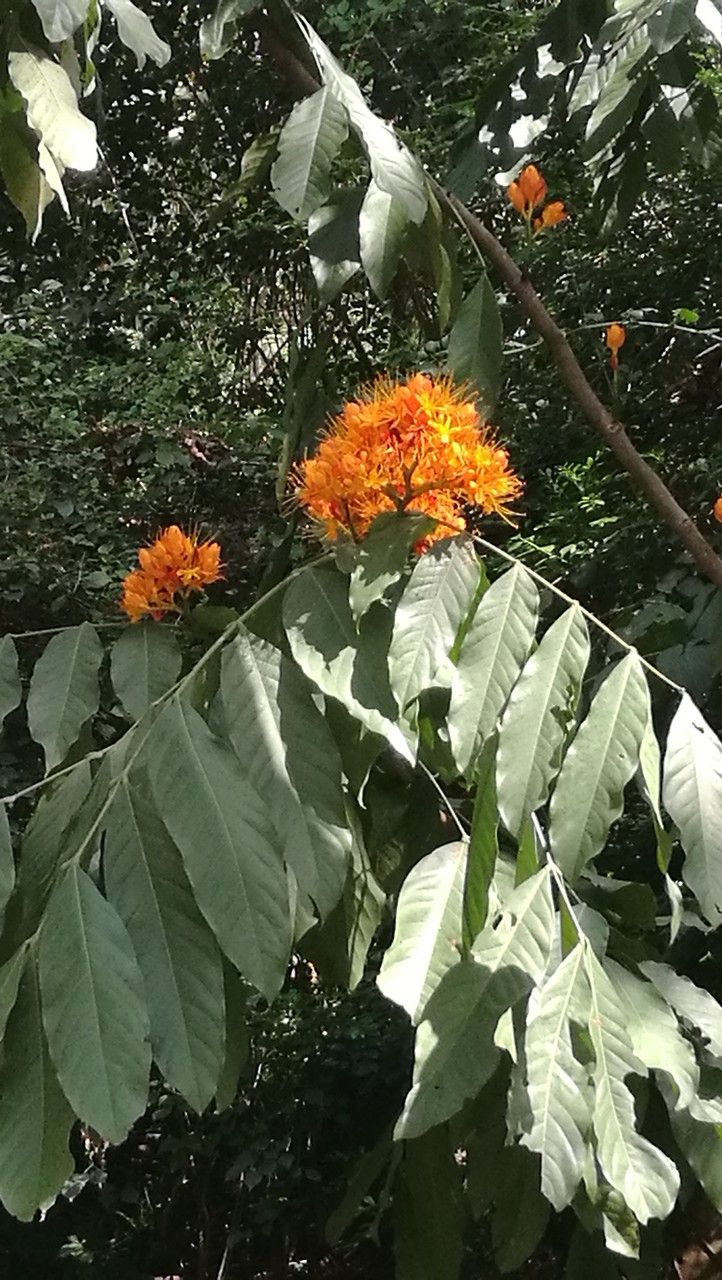
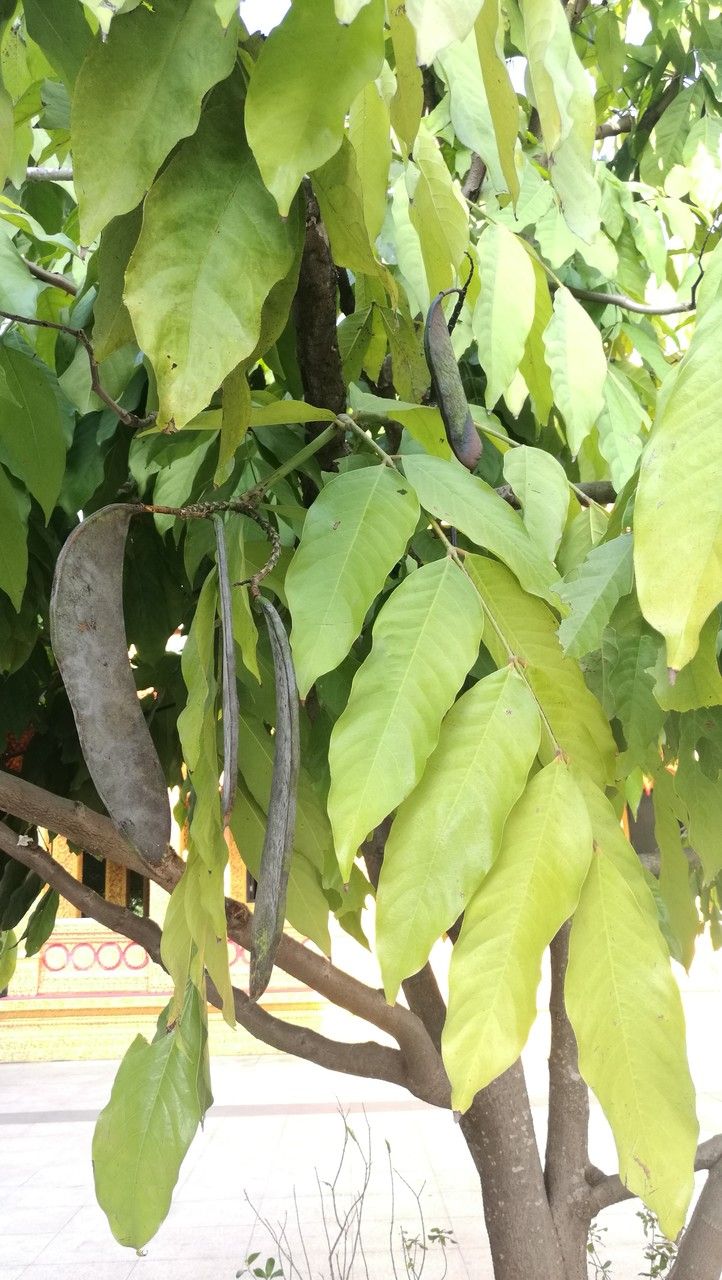
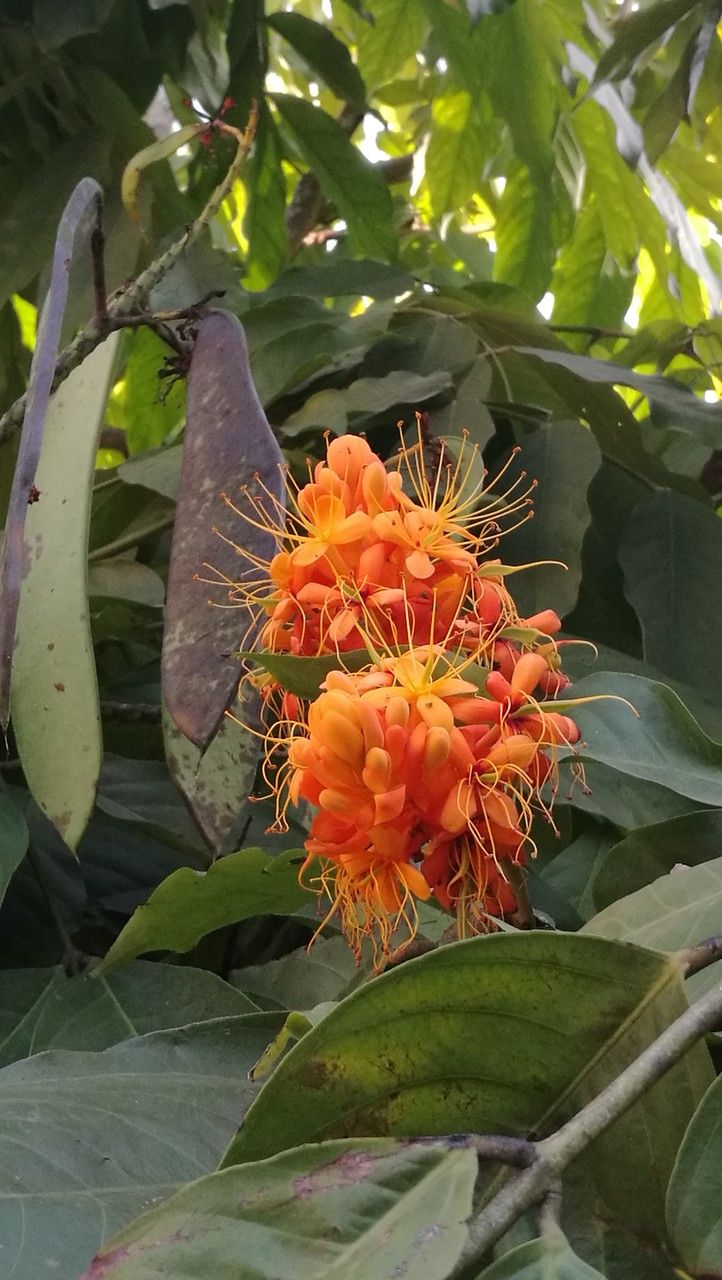
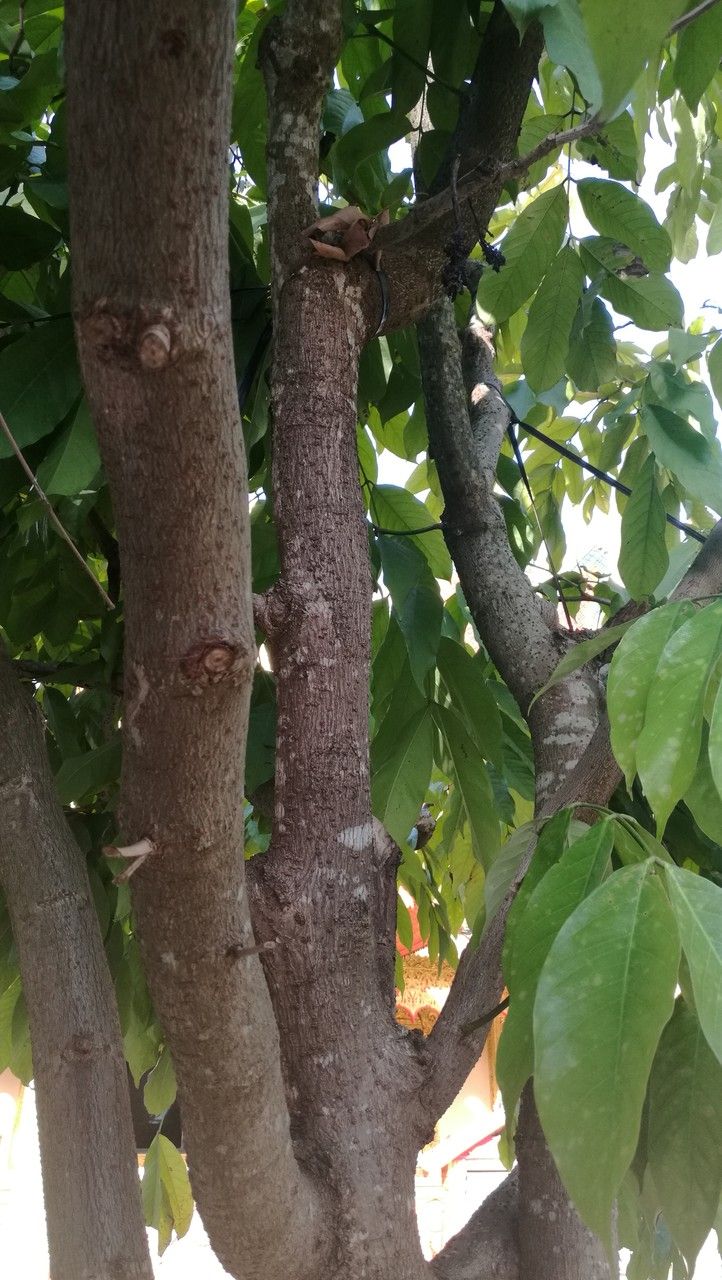
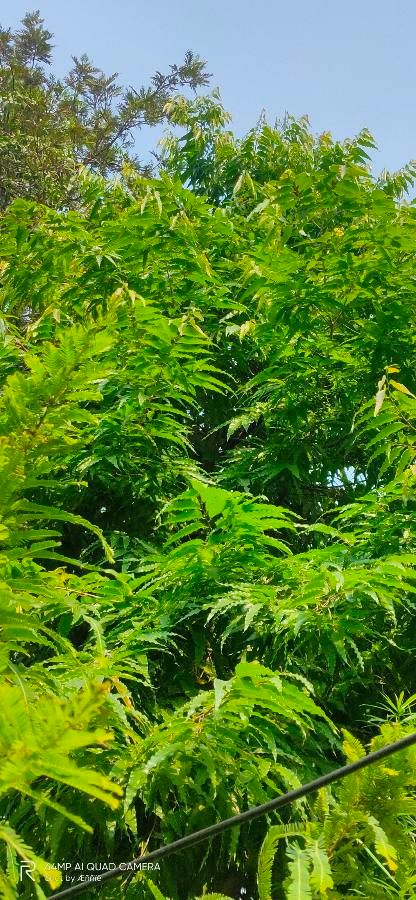
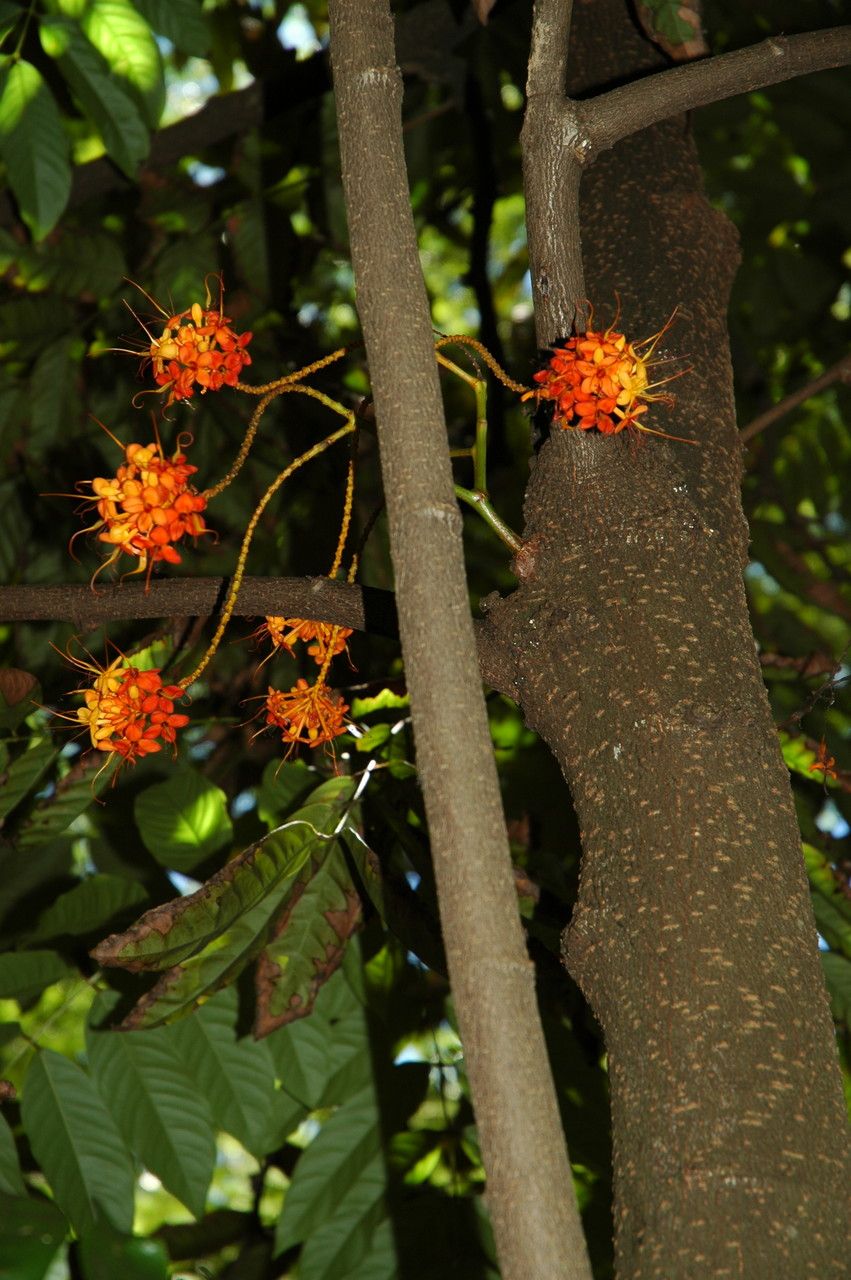
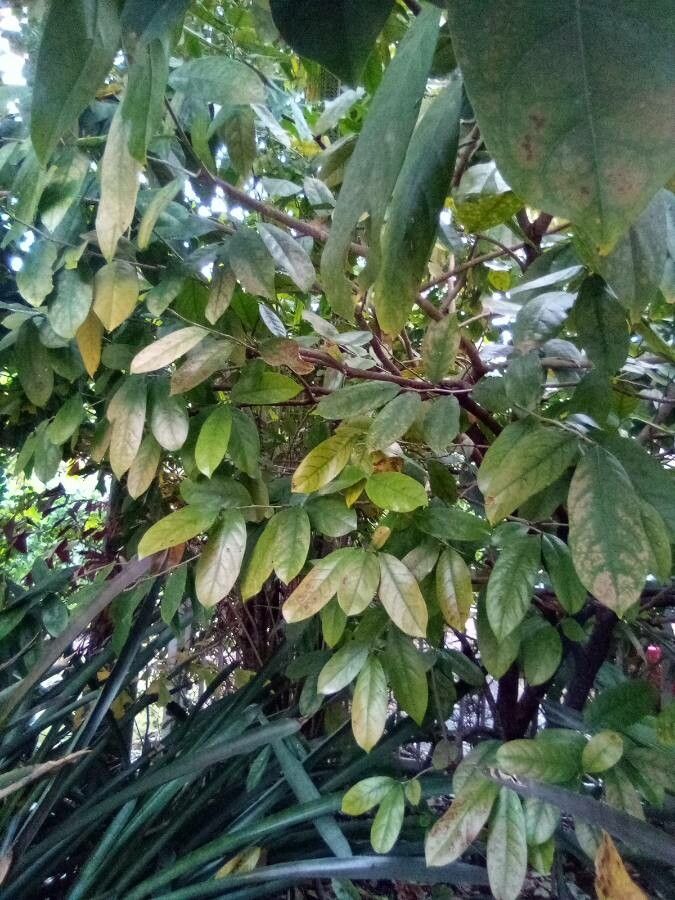
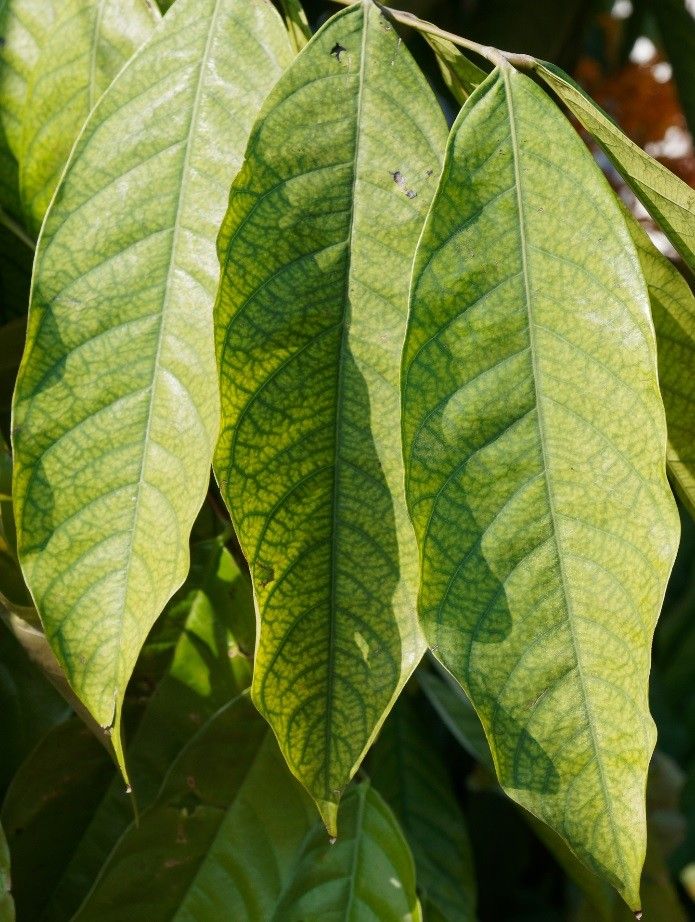
Saraca dives, is a tree species in genus Saraca belonging to the family Fabaceae, native to China, Laos, and Vietnam.
Common Saraca / Asoka is fairly resistant to disease and is generally not susceptible to illnesses. Regarding care, this plant is relatively low maintenance. When grown outdoors, it needs minimal watering and larger specimens usually do not require pruning. However, smaller plants should be pruned after they have bloomed. Common Saraca / Asokat is appropriate for anyone with an outdoor area, such as a garden or deck, and does not demand a lot of gardening experience.
How to keep Saraca Dives.
Light
Common Saraca / Asoka naturally occurs in habitats like forest understories and rocky sites, where it grows in natural shade. It prefers partial sunlight but can adjust to full sun or full shade, illustrating its hardy and adaptable nature.
Water
Saraca dives is well-adapted to dry conditions and can tolerate drought. It thrives with a watering schedule of once every 2-3 weeks. When grown outdoors in warm climates, its growth cycle matches the rainy season, taking advantage of heavy rains followed by dry spells.
Temperature
Common Saraca (Asoka) comes from regions with moderate temperatures and prefers a range of 41 to 95 °F (5 to 35 ℃). Seasonal temperature changes may be required to replicate its natural habitat, especially in areas with more extreme climates.
Fertilizer
Timing is important for fertilizing Common Saraca / Asoka. Apply fertilizer in early spring and continue monthly until early summer. Fertilizer promotes attractive blooms and supplies energy during both dormant and active growth stages.
Pruning
Saraca dives features vibrant blooms and lush foliage. To maintain its health and appearance, prune it in early spring before new growth begins. Start by removing any dead branches, and then thin out overcrowded areas to improve air circulation. Use clean, sharp tools to shape any unruly branches, which will encourage healthier growth and result in fuller blooms.
Botanical profile.
- Plant Type
- Tree
- Life Cycle
- Perennial
- Genus
- Saraca
- Family
- Fabaceae
- Hardiness Zone
- 5-9
- Mature Height
- 4.88 m to 20.12 m
- Mature Spread
- 4.88 m to 7.92 m
- Leaf Color
- Dark Green, Forest Green
- Leaf Type
- Semi-evergreen
- Flower Color
- Orange
- Flower Size
- 1.02 cm to 2.03 cm
- Bloom Time
- Spring, Early summer
- Planting Time
- Spring, Summer, Autumn
- Harvest Time
- Summer, Early fall
- Native Area
- Vietnam, Laos, China
Reader questions.
What is the native environment of Saraca dives?
Saraca dives is indigenous to regions that experience moderate temperatures, thriving in a range from 41 to 95°F (5 to 35°C). To emulate its natural habitat, especially in areas with more extreme climates, seasonal temperature adjustments might be necessary. The plant exhibits notable resistance to cold, diminishing the need for special frost protection methods in winter. Nonetheless, in anticipation of winter temperatures plummeting below -25°C, it's crucial to implement cold protection by insulating the trunk and branches with non-woven fabric or similar materials. Additionally, it's advisable to water the plant generously before the first freeze of autumn to ensure the soil remains moist and enters winter in a frozen state, helping to avert drought and water scarcity during the colder months and into early spring.
How does Saraca dives react to low temperatures?
Saraca dives showcases a noteworthy tolerance to cold, optimally thriving when temperatures remain above 5°C. Throughout the winter, it is essential to maintain temperatures above -20°C for the plant's well-being. In instances where temperatures dip below -25°C, no immediate visible distress may be observed during the winter months. However, come spring, affected branches might display brittleness, dryness, and fail to sprout new shoots. In response to such conditions, it is recommended to prune away any dead branches that are unable to produce new foliage in the spring.
How does Saraca dives handle high temperatures?
During the summer season, Saraca dives should ideally be kept below 35°C. Exposure to temperatures exceeding 38°C can lead to observable stress indicators such as a discoloration of leaves, with the tips becoming dry, withered, and more prone to sunburn. To alleviate stress from high temperatures, it is advisable to trim away the sunburnt and dried portions of the plant. Relocating the plant to a shaded area during the peak sun hours of midday and afternoon, or employing a shade cloth, can offer necessary protection. Ensuring the soil remains moist through watering sessions in the morning and evening can also help the plant manage the stress from elevated temperatures.