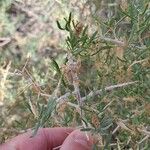
Sarcobatus vermiculatus
Greasewood · Saltbush · Seepwood · Black greasewood
Description
Source: leafsnapSarcobatus is a North American genus of two species of flowering plants, formerly considered to be a single species. Common names for S. vermiculatus include greasewood, seepwood, and saltbush. Traditionally, Sarcobatus has been treated in the family Chenopodiaceae, but the APG III system of 2009 recognizes it as the sole genus in the family Sarcobataceae.
Care Guide
💧 Water
☀️ Light Full sun
Greasewood typically performs best with ample sunlight for most of the day, though it can also do well in moderate light. Coming from sunlit habitats like open lands, it may decline in heavily shaded settings. Too little light can stunt its growth, while excessive light can cause leaf discoloration.
What are the sunlight requirements for Greasewood?
Greasewood requires generous sun exposure throughout the day for optimal growth, typically thriving under full sun conditions—above 6 hours of sunlight. However, it can also survive with partial sun, about 3 to 6 hours of sunlight. It's important to observe how sunlight moves through your garden to ensure that you identify spots that offer a perfect balance of light and shade, accommodating the plant's needs effectively. Originating from environments with abundant sunlight, such as open lands, Greasewood's health may decline in overly shadowy conditions. Insufficient light can stunt its growth, while excessive sunlight may lead to leaf discoloration.
How can artificial lighting supplement natural sunlight for indoor Greasewood plants?
When natural sunlight is insufficient, especially during winter or in less sunny spaces, artificial lighting becomes crucial for the growth of indoor Greasewood plants. Adequate lighting can be provided by using the right type of light, such as LED lights, which can be customized to offer specific wavelengths necessary for the plant. For full sun plants, 30-50W/sq ft of artificial light is recommended, for partial sun plants, 20-30W/sq ft, and for full shade plants, 10-20W/sq ft. The light source should be placed 12-36 inches above the plant to mimic natural sunlight, and the duration should mimic natural daylight hours, generally between 8-12 hours per day.
What are the common symptoms of insufficient sunlight in Greasewood?
When Greasewood receives inadequate sunlight, there are several signs to look out for, including smaller new leaves, leggy or sparse growth, early leaf drop, halted or slower new growth, and lighter colored new leaves, indicating a lack of chlorophyll and essential nutrients. Other symptoms can include chlorosis, where leaves lose their green color and turn yellow due to the breakdown of chlorophyll from excessive sunlight, negatively affecting photosynthesis. Sunscald, leaf curling, and wilting can occur due to intense sunlight exposure, while leaf scorching is characterized by brown, dry edges on leaves caused by excessive sunlight.
How can I address light-related issues for my indoor and outdoor Greasewood plants?
To address insufficient sunlight for Greasewood, gradually move the plants to sunnier locations, ensuring they receive at least 6 hours of direct sunlight daily. For those unable to receive adequate sunlight, consider using artificial lighting such as desk lamps or professional grow lights for a minimum of 8 hours daily. For outdoor plants, it's crucial to acclimate them to increased sunlight gradually to avoid sunburn. If physical obstructions block sunlight, consider pruning or relocating smaller plants to sunnier spots during their dormant period. Keep in mind that parts of the plant already affected by insufficient light may not recover, but new growth will be healthy after improving light exposure.
🌡️ Temperature 5–32.2°C
Greasewood naturally occurs in areas where temperatures range from 41 to 89.6°F (5 to 32°C). It does well in those conditions and requires seasonal adjustments if grown in cooler or hotter climates.
What is greasewood and where is it native to?
Greasewood, botanically known as Sarcobatus vermiculatus, is native to regions with temperatures ranging from 41 to 89.6°F (5 to 32°C). It is adapted to thrive under these conditions, demonstrating a strong resistance to cold. It can still grow outside these temperature ranges but requires seasonal adjustments if the environment is cooler or hotter.
Does greasewood require any special frost protection measures during winter?
Greasewood exhibits strong cold resistance and usually does not need special frost protection measures during most winters. However, if temperatures are expected to plummet below -30°C, it is crucial to provide some form of cold protection. This can be achieved by wrapping the trunk and branches with non-woven fabric or cloth. Additionally, watering the plant abundantly before the first freeze in autumn to ensure the soil remains moist can help prevent drought and water scarcity during winter and early spring.
How does greasewood respond to low temperatures, and what are the recommended solutions?
Greasewood is cold-tolerant and thrives best at temperatures above 5°C. If winter temperatures drop below -25°C, it generally remains unchanged during the winter but may exhibit brittle and dry branches in the spring, with no new shoots emerging. The recommended solution for such damage is to prune away any dead branches in the spring that have failed to produce new leaves.
What effect does high temperature have on greasewood, and how can it be mitigated?
During summer, it is best to keep greasewood below 32°C. Temperatures exceeding 35°C can cause the plant's leaves to lighten in color and the tips to become dry and withered, making the plant more prone to sunburn. To mitigate this, you should trim away any sunburned and dried-up parts of the plant, move it to a shaded location away from the midday and afternoon sun, or use a shade cloth. Ensuring the plant is watered in the morning and evening will keep the soil moist and help prevent further stress.
💨 Humidity
🪴 Soil 7-8
🌱 Fertilizer
Fertilize your Greasewood in early spring to encourage healthy growth. Regular feeding boosts overall health, producing vigorous growth, increased tolerance of harsh conditions, and improved resistance to pests and diseases. Keep to a consistent fertilization schedule for your Greasewood to preserve vibrant, deeply colored foliage and a lush appearance.
🪴 Pot & Repot
✂️ Pruning
Greasewood is a thorny, salt-tolerant plant that should ideally be pruned from early to late winter to manage its growth effectively. Thinning the plant selectively helps improve air circulation and allows more sunlight to penetrate. Pruning during its dormant period reduces stress on the plant and lowers the risk of disease. Regular maintenance promotes vigorous growth and contributes to a healthy landscape appearance.
🌿 Propagating
🐛 Diseases & pets
☠️ Toxicity
Characteristics
- Plant Type
- Shrub
- Life Cycle
- Perennial
- Genus
- Sarcobatus
- Family
- Sarcobataceae
- Hardiness Zone
- 4-8
- Mature Height
- 0.91 m to 2.44 m
- Mature Spread
- 76 cm
- Leaf Color
- Green Yellow, Yellow Green
- Leaf Type
- Evergreen
- Flower Color
- Yellow, Green, Red
- Flower Size
- 2.54 cm
- Bloom Time
- Early summer, Mid summer
- Planting Time
- Autumn
- Harvest Time
- Late summer, Early fall, Mid fall
- Native Area
- Mexico