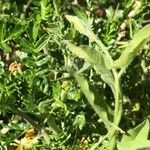
Sarcopoterium spinosum
Thorny Burnet · Prickly burnet · Spiny poterium · Dornige Bibernelle
Description
Source: leafsnapSarcopoterium spinosum, commonly known as the prickly burnet or thorny burnet, is a small shrub that belongs to the Rosaceae family. Native to the Mediterranean region, it thrives in various habitats, including rocky slopes, sandy soils, and open woodlands. This plant features a woody stem that can grow up to 1 meter in height. Its leaves are small, spiky, and exhibit a grayish-green color. The prickly burnet produces tiny, pinkish-red flowers that bloom from May to August. For centuries, the plant has been used for medicinal purposes, thanks to its anti-inflammatory properties. It has served as an herbal remedy for various ailments, including diarrhea, fever, and sore throat. Sarcopoterium spinosum plays a crucial role in soil conservation because it helps prevent soil erosion on steep slopes. Additionally, it serves as a food source for wildlife, such as birds that feed on its seeds. In summary, Sarcopoterium spinosum is a significant shrub with both ecological importance in Mediterranean ecosystems and historical medicinal value.
Care Guide
💧 Water Every 7 days
The spiny burnet is a hardy, drought-tolerant plant that thrives in arid regions. It generally requires watering every 2 to 3 weeks, striking a balance between hydration and dryness. As an evergreen shrub, the spiny burnet keeps its leaves throughout the year, allowing it to conserve water during dry seasons.
How should I water my Spiny burnet to keep it healthy?
Your Spiny burnet is not picky about how you water it. You can use any watering tool like watering cans, hoses, or even cups. Just make sure to water the plant directly onto the soil. It's important to evenly moisten all areas of the soil to provide water to the entire root system. It's recommended to use filtered water to avoid harmful particles from tap water. Also, try to use water that is at or slightly above room temperature, as extremely hot or cold water can be a shock to the plant. However, overall, the Spiny burnet does well with any type of water.
What should I do if I give my Spiny burnet too much or too little water?
Outdoor plants, especially newly planted ones or seedlings, are often at risk of not getting enough water. It's important to remember to water them adequately for the first few months, until their roots are established and they can rely on rainwater. When Spiny burnet is planted in pots, overwatering is a common issue. If you accidentally overwater your Spiny burnet, there are steps you can take to fix it. First, stop watering the plant immediately to minimize the impact of overwatering. Then, carefully remove the plant from its pot and check its roots for any signs of root rot. If there is no rot, you can return the plant to its pot. However, if you find root rot, trim away the affected roots and consider applying a fungicide. Lastly, repot the Spiny burnet in well-draining soil. On the other hand, if you underwater your Spiny burnet, it can be easily resolved. The leaves may droop, dry out, and fall off, but they will bounce back quickly after sufficient watering. Make sure to adjust your watering schedule promptly if you notice underwatering.
How often do I need to water my Spiny burnet?
Most outdoor plants can grow naturally with rainfall. However, if your area doesn't get much rain, you should water your plants every 2 weeks in the spring and fall. In the summer, you'll need to water them more often. In the winter, when plants grow slower and need less water, you can water them less frequently or not at all. If your Spiny burnet is young or newly planted, you should water it more often to help it establish and grow. As it matures, it will become more adaptable and drought-tolerant. For potted plants, there are two main ways to determine how often to water your Spiny burnet. One way is to have a set watering schedule, like once a week or every other week. However, this may not work well as it doesn't consider the specific conditions of your growing environment. Another way is to check the soil moisture. Wait until the top two to four inches of soil have completely dried out before watering again. This is usually about one-third to one-half of the pot's depth. Keep in mind that during the summer, your plant will need more water than a set schedule might suggest.
How much water does my Spiny burnet plant require?
Watering your Spiny burnet may not always require a high volume of water. If only a few inches of soil have dried since the last watering, you can support healthy growth by giving it about five to ten ounces of water each time. You can also determine the water volume based on the moisture of the soil. Take note of how many inches of soil have dried out between waterings. To ensure your Spiny burnet receives enough moisture, water until all the dry soil layers from the previous watering are moistened. If more than half of the soil is dry, consider providing more water, allowing for excess water to drain from the pot's holes. If your Spiny burnet is planted in an outdoor area with sufficient rainfall, additional watering may not be necessary. For young or newly established plants, aim for 1-2 inches of rain per week. As the plant grows and establishes itself, it can rely solely on rainwater. Only when there is no rainfall for 2-3 weeks during hot weather, should you consider giving your Spiny burnet a full watering to prevent stress.
How can I know if I am giving enough water to my Spiny burnet?
Overwatering is a common problem for the Spiny burnet. There are several signs to look out for when overwatering occurs. The plant will have yellowing leaves and may drop some of them. Additionally, overwatering can cause the plant to shrink and develop root rot. On the other hand, an underwatered Spiny burnet will wilt and have brown or brittle leaves. Whether you notice signs of overwatering or underwatering, it is important to intervene and restore the plant's health.
☀️ Light Full sun
Spiny burnet is a plant that typically does well in environments with plentiful sunlight. Its native habitat is largely composed of sun-drenched areas. At every stage of growth, the plant needs generous light for healthy development. Both excessive and insufficient sunlight can affect its growth. Too much sun may cause discoloration, while too little can stunt development.
What are the sunlight requirements for Spiny burnet?
Spiny burnet, known botanically as Sarcopoterium spinosum, thrives best with generous sunlight exposure, generally requiring above 6 hours of sunlight daily. Originating from sun-soaked habitats, it demands full sun for optimal growth at all stages. However, it's important to observe your garden throughout the day to identify spots that offer a balance of light and shade, ensuring the plant's happiness and preventing issues like discoloration or stunted growth due to overexposure or insufficient sunlight.
How can artificial lighting be used for Spiny burnet indoor care?
When natural sunlight is insufficient, especially for indoor Spiny burnet plants during winter or in less sunny spaces, artificial lighting becomes crucial. Optimal growth can be supported by using the right type of artificial light, such as LED lights, which can be customized to provide specific wavelengths needed by the plants. For full sun plants, 30-50W/sq ft is recommended; partial sun plants need 20-30W/sq ft, and full shade plants require 10-20W/sq ft. The light source should be placed 12-36 inches above the plant, mimicking natural sunlight as closely as possible. Ensuring the plant receives 8-12 hours of artificial light per day will promote healthier, faster growth.
What are the common symptoms of inadequate sunlight in Spiny burnet?
Inadequate sunlight can cause several noticeable symptoms in Spiny burnet, including smaller new leaves, leggy or sparse growth, faster leaf drop, and slower or ceased new growth. Leaves might develop lighter colors or show signs of chlorosis, turning yellow due to the breakdown of chlorophyll. Extreme sunlight exposure can lead to symptoms like sunscald, leaf curling, wilting, and leaf scorching, where leaves become pale, curled, or develop brown, dry edges. These symptoms indicate the plant's struggle with the current light conditions.
What solutions can be implemented for Spiny burnet experiencing insufficient sunlight?
To combat insufficient sunlight, gradually move Spiny burnet plants to sunnier locations until they receive at least 6 hours of direct sunlight daily. For indoor plants, consider using a south-facing window or supplementing with artificial light, such as a desk or ceiling lamp for at least 8 hours daily, or invest in professional plant grow lights. For outdoor plants, it's important to make these changes gradually to prevent sunburn. If trees block sunlight, pruning may be necessary. For smaller plants that can be moved, transplanting during the dormant period to a sunnier spot with good drainage can improve light exposure. Note that parts of the plant affected by the previous light conditions might not recover, but new growth should be healthy with the improved light exposure.
🌡️ Temperature 20–35°C
Spiny burnet originates from regions with temperatures between 68 and 95 °F (20 to 35 ℃). It prefers mild to warm climates and may require adjustments during extreme seasons. Maintaining these temperatures is recommended for optimal growth.
What is the ideal temperature range for growing Spiny burnet?
Spiny burnet, also known by its botanical name Sarcopoterium spinosum, thrives in areas with temperature ranges of 68 to 95°F (20 to 35°C). It is indigenous to regions that experience mild to warm climates. For optimal growth, maintaining temperatures within this range is advisable. Spiny burnet has some cold tolerance and generally does not require additional measures when the temperature is above 0°C. However, protective measures, such as wrapping the plant with plastic film or fabric, are necessary if the temperature is expected to drop below freezing. These protective measures should be removed once the temperature rises again.
How does Spiny burnet react to low temperatures?
Spiny burnet has moderate tolerance to low temperatures and thrives best when the temperature is above 20°C. During winter, it should be kept above 0°C to prevent damage. Exposure to temperatures below -5°C can cause the leaves to droop. In mild cases, the plant can recover, but in severe cases, the leaves will wilt and may eventually fall off. To protect Spiny burnet from low temperature damage, it's recommended to trim off any frost-damaged parts. Additionally, wrapping the plant with non-woven fabric or cloth, and constructing a wind barrier can protect it from cold winds, helping to maintain a healthier state through colder periods.
What precautions should be taken for Spiny burnet during high temperatures?
During summer, it's essential to ensure that Spiny burnet's exposure to temperatures does not exceed 35°C. When the temperature climbs above 41°C, the plant exhibits signs of stress, including lighter leaf color, dry and withered leaf tips, curled leaves, and increased susceptibility to sunburn. To mitigate the effects of high temperatures, trim away the sunburned and dried-up parts of the plant. Moving the plant to a shaded location or using a shade cloth can provide protection from the midday and afternoon sun. Additionally, watering the plant in the morning and evening can help keep the soil moist, further assisting in its care during hot weather.
💨 Humidity
🪴 Soil 6-7
🌱 Fertilizer
To encourage healthy growth, fertilize your Spiny burnet in early spring. Regular feeding improves overall health, leading to vigorous growth, greater tolerance of harsh conditions, and enhanced resistance to pests and diseases. Keep to a consistent fertilization schedule for your Spiny burnet to maintain vibrant foliage with rich color and a lush appearance.
🪴 Pot & Repot
✂️ Pruning
The spiny burnet is a drought-resistant shrub characterized by its dense, spiny foliage. To maintain its shape and promote healthy growth, prune it from early to late winter while it is dormant. This will help remove weak branches, improving airflow and allowing more sunlight to reach the plant. Regular seasonal pruning encourages healthier growth and enhances the shrub's resistance to disease.
🌿 Propagating
🐛 Diseases & pets
☠️ Toxicity
Characteristics
- Plant Type
- Shrub
- Life Cycle
- Perennial
- Genus
- Sarcopoterium
- Family
- Rosaceae
- Hardiness Zone
- 9-10
- Mature Height
- 61 cm
- Mature Spread
- 61 cm
- Leaf Color
- Green
- Leaf Type
- Evergreen
- Flower Color
- Pink, Yellow, Green, Red, Orange
- Flower Size
- 2.54 cm
- Bloom Time
- Early spring, Mid spring
- Planting Time
- Spring, Summer
- Harvest Time
- Early summer, Mid summer
- Native Area
- Libya, Turkey, Tunisia, Syria, Italy, Cyprus, Albania, Greece, Croatia, Lebanon