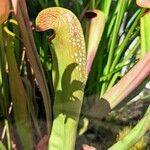
Sarracenia minor
Rainhat-trumpet · Hooded pitcherplant · Hooded pitcher-plant · Pitcher-plant Hooded · Pitcher-plant Rainbow Trumpet
Description
Source: leafsnapSarracenia minor, commonly known as the hooded pitcher plant, is a carnivorous species native to the southeastern United States. This perennial herb can grow up to 30 cm tall and features trumpet-shaped leaves that form pitchers. These pitchers are typically green with red veins and have a hood-like structure at the top to prevent rainwater from diluting their digestive fluids. The hooded pitcher plant uses its pitchers to attract and trap insects, which are then digested by enzymes secreted by the plant. The nutrients obtained from these insects are crucial for the plant's growth in nutrient-poor environments. Sarracenia minor thrives in wet habitats such as bogs, swamps, and wet pine savannas with acidic soils. It blooms in late spring or early summer, producing small white or pink flowers on tall stalks. This species is considered threatened in some areas due to habitat loss from development and agriculture. However, it can be cultivated as an ornamental plant, appreciated for its unique appearance and insect-catching abilities, provided it has appropriate growing conditions, such as full sun exposure and moist, organically rich soil. Overall, Sarracenia minor is a fascinating carnivorous plant species that has developed unique mechanisms for survival in nutrient-poor environments, while also offering ecological benefits through insect control.
Care Guide
💧 Water Every 3 days
The hooded pitcher plant thrives in humid, swampy environments and requires consistent moisture, needing to be watered twice a week. It prefers full sun and high humidity and is often grown outdoors. Its unique pitcher-shaped leaves capture rainwater, which helps it survive in nutrient-poor soils.
☀️ Light Full sun
The hooded pitcher plant is native to habitats with abundant sunlight, such as open bogs and sunny wetlands. It prefers full sun but can also tolerate partial sun.
What are the sun requirements for a Hooded Pitcher Plant?
The Hooded Pitcher Plant, known botanically as Sarracenia minor, thrives under specific sunlight conditions. It requires 'Full sun' exposure, which means it needs more than 6 hours of sunlight each day to flourish. Alternatively, it can also grow under 'Partial sun' conditions, which consist of about 3-6 hours of sunlight daily. It's essential to observe the movement of sunlight through your garden carefully, selecting spots that offer an optimal mix of light and shade. This careful placement ensures the plant's contentment and healthy growth.
🌡️ Temperature 10–35°C
For the Hooded pitcher plant, moderate temperatures are preferred, similar to what people usually find comfortable. It grows best in conditions that are neither extremely hot nor extremely cold. The chief problem with high temperatures is the danger of sunburn, so giving it some shade in summer is recommended to prevent excessive heat. When temperatures fall, the Hooded pitcher plant goes into dormancy. If you want it to keep growing, you need to keep winter temperatures higher. Frost can injure the plant and should be avoided.
💨 Humidity
🪴 Soil 5-6
🌱 Fertilizer
The hooded pitcher plant flourishes in soils that are low in nutrients but retain moisture well, capturing insects to fulfill its nutritional needs. Avoid using fertilizers unless the plant is deficient in minerals. Placing it outdoors for an extended period during the summer supports its ability to feed itself naturally. Do not feed the hooded pitcher plant with meat; instead, provide specialized supplements or dried crickets for additional nourishment.
🪴 Pot & Repot 2-3 years
When repotting a Hooded pitcher plant, select a pot 1–2 inches (2.5–5.1 cm) larger with ample drainage. Use a well-draining potting mix. Repot in spring or fall, ensuring the root ball sits slightly lower than the rim of the pot. Water thoroughly after repotting and place it in a warm spot with indirect sunlight.
✂️ Pruning
The hooded pitcher plant requires minimal pruning. Trim away any dead leaves in early spring to encourage new growth. Make sure to sterilize your tools to prevent the spread of disease. Pruning around the base of the plant helps improve air circulation and light penetration, which can reduce fungal issues. To avoid stressing the plant and to support the best development of the pitchers, refrain from pruning during its active growth period.
🌿 Propagating
🐛 Diseases & pets
☠️ Toxicity
Characteristics
- Plant Type
- Herb
- Life Cycle
- Perennial
- Genus
- Sarracenia
- Family
- Sarraceniaceae
- Hardiness Zone
- 6-10
- Mature Height
- 76 cm
- Mature Spread
- 20 cm
- Leaf Color
- Light Green, Yellow
- Leaf Type
- Deciduous
- Flower Color
- Yellow, Green
- Flower Size
- 2.54 cm to 7.62 cm
- Bloom Time
- Mid spring, Late spring
- Planting Time
- Spring, Summer, Autumn
- Harvest Time
- Early summer, Mid summer