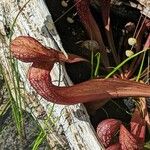
Sarracenia psittacina
Parrot pitcherplant · Pitcher-plant Parrot
Description
Source: leafsnapSarracenia psittacina, commonly known as the parrot pitcher plant, is a fascinating carnivorous species native to the southeastern United States. This perennial herbaceous plant can grow up to 60 cm tall and is recognized for its unique pitcher-shaped leaves. These leaves are typically green with red veins and feature a distinctive hooded lid. The pitchers are filled with digestive enzymes that attract and trap insects, which then decompose to provide nutrients for the plant. Sarracenia psittacina thrives in wetland habitats such as bogs, swamps, and wet pine savannas. It requires full sun exposure for optimal growth but can also tolerate partial shade. This species is hardy in USDA zones 6-9. Beyond its unique appearance and carnivorous nature, Sarracenia psittacina holds cultural significance for Native American tribes within its native range. They have traditionally used the plant for medicinal purposes, such as treating skin conditions. Overall, Sarracenia psittacina is a captivating addition to any garden or plant collection, offering both visual intrigue and natural insect control.
Care Guide
💧 Water Every 3 days
The parrot pitcher plant thrives in wet, humid environments and requires consistent hydration. It is typically watered twice a week. Since it is an evergreen, it retains its leaves year-round and needs regular watering, even during cooler months, to maintain its lush vitality.
What's the right way to water your Parrot pitcherplant?
To adequately keep your Parrot pitcherplant hydrated, it is recommended to grow it in a pot with good drainage holes and place it in a plastic dish or tray. Fill the dish with about a third to half an inch of water, which will naturally be absorbed by the plant's roots as the soil dries. It is important to avoid letting the dish dry out completely and adjust the amount of water based on how quickly the plant absorbs it. Note that terra cotta pots are not suitable for growing the Parrot pitcherplant, unless you place the pot inside a larger pot. Terra cotta pots allow water to seep through and filter out dissolved solids, so it is best to only add water to the outer pot. The mineral content of the water used for watering the plant is crucial. Rainwater is the safest option, but distilled water, water from a reverse osmosis system, or purified water with tolerable mineral levels can also be used. If tap water is used, it should have a total dissolved solids level lower than 50 parts per million to be safe. A meter can be purchased inexpensively to measure the mineral content. Lastly, it is recommended to fill the watering device 24 hours before use to allow any chlorine in the water to dissipate.
What do I do if I give the Parrot pitcher plant too much or too little water?
Symptoms of an overwatered Parrot pitcherplant include brown spots on leaves, white mold in the soil, and a wilted appearance caused by the plant's inability to absorb water properly. Overwatering can lead to root rot, which can be identified by a bad smell. To remedy this, remove the plant from the soil, rinse it with distilled water, remove any rotted roots and affected leaves, rinse again, and replant in fresh soil. If a Parrot pitcherplant is underwatered, the leaves will become brittle. To address this, trim away affected leaves, ensure the soil is moist, and mist the leaves. While resuming watering will help the plant recover in the long run, it's important to note that the yellow leaves may dry out in the short term due to root damage.
How frequently do I need to water my Parrot pitcher plant?
The most common way to water insectivorous plants is through the tray method. To do this, pot the Parrot pitcherplant in a container with multiple drainage holes and place it in a dish or tray filled with water that covers about one-third of the tray. This setup allows the plant to draw water naturally as the soil dries. Remember to add water promptly when the water level drops, and avoid letting the dish dry out completely. By maintaining the water level, you can have a better understanding of how often the plants need watering. The Parrot pitcherplant is indigenous to humid environments, so it is important to find the right balance between watering and avoiding root rot. During the active seasons of spring to autumn, make sure not to let the soil dry out completely. Watering the Parrot pitcherplant 2-3 times per week in spring and fall, and more frequently in summer, will help keep the soil moist. However, the Parrot pitcherplant goes dormant in the winter and early spring. If you care for it the same way as during its active season, it is likely to die. Therefore, reduce the amount of water you give it during the dormant period. Allow some of the soil to dry out and let the water level in the tray dry out for a few days before adding more. If you live in a naturally dry environment, you may need to mist the Parrot pitcherplant to replicate its humid growing conditions. This is best done in the morning. Proper misting is particularly important for areas with low humidity.
How much water does my Parrot pitcherplant require?
The Parrot pitcherplant is a carnivorous plant that is popular as a houseplant, mainly because it thrives in humid environments. To successfully care for one, you'll need to mimic its native growing conditions, which means maintaining high humidity levels. These plants naturally thrive in areas with high humidity and low nutrients, so if you live in a place with naturally high humidity, you can grow them outdoors in a bog garden. A bog garden is a great way to create a humid environment for multiple plants. However, most people choose to grow them as houseplants. To ensure optimal growth, use a pot that retains moisture, such as a plastic or self-watering pot. The tray method is the most effective way to water these plants, as the water level in the tray should cover the small hole at the bottom. Make sure to add water before the trays dry out, as the amount of water added should be sufficient to keep the pots from drying out and allow your Parrot pitcherplant to thrive.
Do I need to water the Parrot pitcherplant in a different way when I plant it inside instead of outside?
When growing parrot pitcherplants indoors, they need less water if they receive less sunlight. The more light they get, the more water they'll need. It's important to provide adequate light and water to keep them healthy. Additionally, you should create a humid environment for the indoor plant. To maintain humidity, consider growing them in a terrarium or as part of a plant display in an aquarium, as the enclosed sides will help retain humid air. Just be sure to maintain good circulation.
☀️ Light Full sun
The parrot pitcherplant requires abundant light exposure, which is crucial for its health and growth. In its natural habitat it occupies open areas that receive ample sunlight. It can also tolerate locations with a moderate amount of sun. Insufficient light will hinder its ability to thrive, while excessive light can cause scorching.
What are the sunlight requirements for the Parrot pitcherplant?
The Parrot pitcherplant, scientifically known as Sarracenia psittacina, thrives in environments with abundant light exposure, which is crucial for its health and growth. In its natural habitat, it is accustomed to receiving a generous amount of sunlight. The plant prefers full sun, defined as over 6 hours of direct sunlight daily, but can also tolerate partial sun, which is about 3-6 hours of sunlight. Insufficient sunlight can hinder its thriving, while excessive exposure may lead to scorching. Observing the movement of sunlight through your garden to choose the optimal light and shade balance is recommended for ensuring the plant's well-being.
How can artificial lighting be used for the Parrot pitcherplant indoors?
For Parrot pitcherplants grown indoors where natural sunlight is insufficient, especially during winter or in less sunny spaces, artificial lighting provides a vital solution for optimal growth. Selecting the right type of artificial light is critical, with LED lights being a popular choice due to their customization capabilities. Full sun plants require 30-50W per square foot, partial sun plants need 20-30W per square foot, and full shade plants need 10-20W per square foot of artificial light. The light source should be placed 12-36 inches above the plant to mimic natural sunlight, and it's recommended to mimic the length of natural daylight hours, usually between 8-12 hours per day, depending on the plant species.
What are the symptoms of insufficient lighting in the Parrot pitcherplant?
When the Parrot pitcherplant is subjected to insufficient lighting, it may exhibit several symptoms indicating light deficiency, which can impede its growth. These symptoms include the emergence of smaller leaves compared to the ones matured before, a leggy or sparse growth pattern with increased spacing between leaves or stems, an accelerated leaf drop to conserve resources, halted or completely stopped new growth, paler new leaves indicating a lack of chlorophyll, and conditions like chlorosis, sunscald, leaf curling, wilting, and leaf scorching which impact the plant's health negatively.
What solutions are available for Parrot pitcherplants with light deficiency?
To address light deficiency in Parrot pitcherplants, a gradual adjustment to brighter conditions is essential. Indoors, progressively move the plants to sunnier spots until they receive at least 6 hours of direct sunlight daily, using south-facing windows and supplementing with artificial light if necessary. Outdoors, adapt plants to increase sunlight exposure gradually to prevent sunburn. Removing obstructions such as pruning branches or relocating small plants can also enhance light availability. However, parts of the plant that were affected by previous light deficiency may not recover, yet new growth will be healthy with improved light conditions.
🌡️ Temperature 15–32.2°C
Parrot pitcherplant is native to regions where temperatures typically range between 59 and 90 °F (15 to 32 ℃). These plants prefer warm conditions, though temperature adjustments may be necessary during periods of extreme heat or cold for optimal growth.
What are the native temperature conditions for the Parrot pitcherplant?
The Parrot pitcherplant, scientifically known as Sarracenia psittacina, thrives in its native environment where temperatures typically range from 59 to 90 °F (15 to 32 °C). These plants prefer warm conditions and require temperature adjustments during extreme hot or cold seasons to ensure optimal growth. To support their growth during the winter, it's beneficial to maintain temperatures above 15°C, with a crucial emphasis on keeping the temperature above the freezing point to avoid frost damage. When temperatures near -5°C (25°F) are expected, protective measures such as bringing the plant indoors or using a temporary greenhouse or coverings like plastic film or fabric are recommended.
How does the Parrot pitcherplant respond to low temperatures, and what should be done?
The Parrot pitcherplant has a moderate tolerance to low temperatures, performing best in a range of 15°C to 32°C. During winter, the temperature should remain above -10°C to prevent damage. If temperatures fall below -15°C, the plant may exhibit signs of stress such as darkening leaves, water-soaked necrosis, wilting, drooping, and eventual browning. To combat frost damage, affected parts should be trimmed away and the plant should be moved to a warmer indoor environment or placed in a makeshift greenhouse. Additionally, positioning the plant near a south-facing window can ensure it receives enough sunlight, with supplemental lighting provided if natural light is insufficient.
What effects do high temperatures have on the Parrot pitcherplant, and how can they be mitigated?
During the summer, it's important to keep the Parrot pitcherplant's environment below 32°C to avoid inhibiting its growth. Temperatures above 35°C can cause the plant's growth to slow, lighten the color of its leaves, and increase susceptibility to sunburn. To alleviate the effects of high temperatures, sunburned and dried parts of the plant should be trimmed away. Moving the plant to a location with afternoon shade and ensuring the soil remains moist with watering in the morning and evening can help manage the stress from high temperatures.
💨 Humidity high (>60%)
This plant needs special care because it loves high humidity levels of 60-80% or more. The best way to achieve this is by placing a humidifier near the plant. Daily misting is also essential! Make sure the room has good ventilation.
🪴 Soil 4-5
🌱 Fertilizer
The Parrot Pitcher Plant flourishes in nutrient-poor, moisture-retentive soil and depends on catching insects for sustenance. Avoid using fertilizer unless there is a mineral deficiency. During the summer months when the plant is kept outdoors, it can feed itself. If additional feeding is necessary, you can supplement with products designed for Venus flytraps, such as dried crickets.
🪴 Pot & Repot 2-3 years
When repotting a Parrot pitcherplant, select a pot 1-2 inches (2.5–5.1 cm) larger with good drainage. Use a well-draining potting mix. Repot in spring or fall, making sure the root ball is slightly below the rim of the flower pot. Water thoroughly after repotting and place it in a warm area with indirect sunlight.
✂️ Pruning
To help the parrot pitcher plant thrive, it's essential to prune it in early spring. Focus on removing dead leaves to promote healthier growth and improve air circulation, which reduces the risk of fungal infections. Be sure to use sterilized tools, as this helps prevent disease and maintains the plant's health and appearance. A well-maintained plant is more effective at attracting and trapping insects.
🌿 Propagating
🐛 Diseases & pets
☠️ Toxicity
Characteristics
- Plant Type
- Herb
- Life Cycle
- Perennial
- Genus
- Sarracenia
- Family
- Sarraceniaceae
- Hardiness Zone
- 7
- Mature Height
- 15 cm
- Mature Spread
- 10 cm to 49 cm
- Leaf Color
- Green, Red, Purple
- Leaf Type
- Semi-evergreen
- Flower Color
- Red, Purple
- Flower Size
- 2.54 cm to 7.62 cm
- Bloom Time
- Mid spring, Late spring, Early summer
- Planting Time
- Spring, Summer
- Harvest Time
- Mid summer, Late summer, Early fall