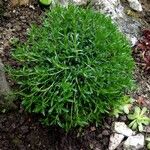
Satureja montana
Savory · Winter savory · Perennial savory · Mountain savory · White Thyme
Description
Source: leafsnapSatureja montana, commonly known as winter savory, is a perennial herb belonging to the Lamiaceae family. Native to the Mediterranean region, it thrives in rocky and dry areas. The plant typically grows to a height of 30-50 cm and features small, narrow, dark green leaves. Winter savory blooms from June to September, producing small white or pink flowers. Its strong aroma and flavor make it a popular culinary herb, often used to season meats, vegetables, soups, stews, and sauces. Beyond its culinary uses, Satureja montana has medicinal properties. It contains essential oils such as carvacrol, known for their antiseptic qualities, which can help treat respiratory infections like bronchitis and coughs. The plant prefers well-drained soil and full sun but can also tolerate partial shade. Although drought-tolerant once established, it requires regular watering during its initial growth period. Overall, Satureja montana is an easy-to-grow herb with multiple uses, making it an excellent addition to any garden or kitchen.
Care Guide
💧 Water Every 7 days
Winter savory thrives in well-drained soils and benefits from occasional deep watering, ideally twice a week. This drought-tolerant, evergreen perennial herb is usually cultivated outdoors, where it takes advantage of natural rainfall but requires extra watering during dry spells.
How should I water my Winter savory?
The Winter savory not only has specific water preferences, but it also depends on the right watering technique for the well-being of your tomatoes. To properly water Winter savory, it is best to apply water directly to the soil with a slow and gentle approach. Avoid pouring all the water into the soil at once and do not use overhead watering. While it is important to water slowly, ensure the soil is adequately moist by watering deeply.
What should I do if I give too much or too little water to my Winter savory plant?
If your Winter savory has been overwatered and you're worried about disease, act immediately. The best way to handle this is to remove the plant from its current location and let the roots dry before replanting it in a new spot with well-draining soil. If you're growing in pots, consider transferring it to a pot with better drainage. On the other hand, if you're underwatering, simply increase the frequency of watering.
How much should I water my Winter savory?
Winter savory needs a lot of water during its growing season. To meet this requirement, you should water it regularly from early spring to the end of summer. In the beginning of the season, water once or twice a week. As the season progresses, increase the frequency of watering. In summer, you may need to water twice a day or even more, depending on the weather. After the major growth phases, you can reduce watering to about once a week until the end of the growing season.
How much water does my Winter savory plant require?
Winter savory is a popular plant that is grown successfully by many gardeners. We have a good understanding of how to care for these plants, including knowing how much water they should receive. On average, Winter savory plants should be given about 1 - 1.5 inches of water per week, which should be spread evenly during each watering session. As the weather gets warmer, you may need to increase the amount of water, but generally 2 inches per week is a good amount to aim for.
How do I know if I'm giving enough water to my Winter savory?
Both underwatering and overwatering can cause problems for your Winter savory, and these problems can result in similar symptoms. For instance, both overwatering and underwatering can cause foliage discoloration and wilting. When your Winter savory is underwatered, the leaves will begin to curl and droop. You may also notice that the leaves become less vigorous. Since this plant requires a high amount of water, underwatering can also lead to stunted growth and poor overall development, affecting both the flowers and the plant itself. On the other hand, overwatering is more likely to cause disease, such as rot, and you may also notice unpleasant smells coming from the soil. The symptoms of underwatering will appear more quickly than those of overwatering. You can also detect overwatering by checking the soil conditions – if you see a lot of standing water or waterlogged soil, it is likely being overwatered.
☀️ Light Full sun
Winter savory does best when exposed to intense light throughout the day. This bright light supports its healthy growth and development. It can tolerate partial shade, so reduced light is manageable, although optimal growth might not be reached. Both insufficient and excessive light can potentially harm the plant’s health and vigor.
What are the sunlight requirements for Winter Savory?
Winter Savory requires full sun exposure, which means it should receive more than 6 hours of sunlight daily to thrive. However, it can also manage in partial sun with about 3-6 hours of sunlight. It's essential to observe the movement of sunlight in your garden to find the ideal spot that offers a good balance of light and shade for the plant's optimal growth. When grown indoors or under conditions where natural light is insufficient, especially during winter, the use of artificial lighting, such as LED lights, becomes crucial. For full sun plants like Winter Savory, 30-50W/sq ft of artificial light is recommended, with the light source positioned 12-36 inches above the plant and provided for 8-12 hours per day to mimic natural daylight hours.
What are some common light deficiency symptoms in Winter Savory?
When Winter Savory experiences insufficient light, it may show several symptoms, including smaller new leaves, leggy or sparse growth, faster leaf drop, slower or halted new growth, and lighter-colored new leaves. Other signs of excessive sunlight exposure include chlorosis where leaves turn yellow due to chlorophyll breakdown, sunscald characterized by pale, bleached, or necrotic areas on the plant tissue, leaf curling as a defense mechanism against excessive light, wilting due to loss of water through transpiration, and leaf scorching marked by brown, dry edges on leaves. These symptoms highlight the plant's struggle with inadequate light conditions.
How can light-related issues be remedied for Winter Savory?
To address light-related issues in Winter Savory, gradual changes in the plant's location are advised. For indoor plants not receiving enough sunlight, slowly moving them to a sunnier spot, such as near a south-facing window, or using artificial light for at least 8 hours daily can benefit their growth. Outdoor plants also need a gradual transition to sunnier locations to prevent sunburn. Pruning nearby trees can help reduce obstructions and increase sunlight exposure. For plants grown in the ground, transplanting during the dormant period to a location with better sunlight and drainage is recommended. It's vital to remember that while parts of the plant that suffered from insufficient light might not recover, new growth should be healthy with improved light conditions.
🌡️ Temperature 10–37.8°C
Winter savory is native to habitats where temperatures generally fall between 50 and 100.4 °F (10 to 38 ℃). It grows best within that temperature band. Seasonal adjustments might be required to preserve optimal growth.
What is the ideal temperature range for growing Winter savory?
Winter savory thrives in environments with temperatures ranging from 50 to 100.4 °F (10 to 38 °C), which is its ideal temperature range. To ensure optimum growth, maintaining temperatures above 10°C during the winter cultivation is beneficial, and it's crucial to keep the minimum temperature above the freezing point to prevent freezing damage. As outdoor temperatures approach -5°C (25°F) during winter, it's advisable to bring Winter savory indoors or protect it with a temporary greenhouse or materials like plastic film or fabric.
How does low temperature affect Winter savory and what are the solutions?
Winter savory has a moderate tolerance to low temperatures, performing best between 10°C and 38°C. At temperatures below -25°C, the leaves may darken, and in severe conditions, symptoms like water-soaked necrosis, wilting, drooping, and leaf color turning brown can occur. The solution involves trimming away frost-damaged parts and moving the plant to a warm environment indoors or setting up a makeshift greenhouse for protection. For sufficient sunlight, place the plant near a south-facing window or use supplemental lighting if necessary.
How does high temperature affect Winter savory and what are the solutions?
During summer, it's important to keep Winter savory below 38°C to avoid growth retardation. At temperatures exceeding 43°C, the plant's growth slows, leaves may lighten in color and become more susceptible to sunburn. The remedy involves trimming away sunburned and dried-up parts, moving the plant to a shaded location, especially from the afternoon sun, and ensuring the soil is kept moist by watering in the morning and evening.
💨 Humidity normal (40-60%)
This plant will thrive in moderate humidity, which is probably the level in your home. However, misting it a few times a week can be very beneficial. Make sure the room has good ventilation.
🪴 Soil 6-7
🌱 Fertilizer
To maximize the yield and flavor of Winter savory, provide sufficient nitrogen throughout the growth cycle, including pre-planting and at harvest. Plants that are well watered and fertilized produce abundant, healthy leaves and are less bitter. Before planting, enrich the soil with organic matter like compost or manure, preferably 2 to 8 weeks beforehand.
Why is it important to add fertilizer to my Winter savory plant?
Winter savory is a fast-growing plant that puts a lot of energy into creating the root vegetables we love. Like all plants, it needs sunlight, oxygen, water, and nutrients to grow and produce roots. Normally, the garden soil contains these nutrients thanks to the natural decomposition of organic matter in and on top of the soil. However, sometimes the soil may not have enough nutrients to support healthy Winter savory growth. This is when fertilizer comes in handy by providing the necessary boost for Winter savory to thrive.
When should I fertilize my Winter savory?
To prepare your soil for planting, apply natural fertilizer. You can do this at any time, but make sure you have enough time to mix the fertilizer into the soil and water it well before planting seeds or seedlings. Typically, one application of fertilizer will suffice to maintain healthy growth of Winter savory throughout the season. However, if desired, you can apply an extra dose once the seedlings have started establishing themselves to further increase their yield. Just be cautious not to use excessive fertilizer that may harm the plants.
When is it best not to add fertilizer to my Winter savory?
To ensure effective fertilization, remember to avoid applying fertilizer when the soil is dry. After fertilizing, make sure to water your plants thoroughly as this helps deliver the nutrients properly. If you prioritize the growth of foliage over the root crops, then high-nitrogen fertilizers might be suitable for you. However, take care not to let fertilizer come into contact with the base of the plant, leaves, or stems as it can potentially damage them.
What kind of fertilizer does my Winter savory plant need?
Most people grow Winter savory primarily for its roots, although the foliage can also be eaten. To promote a healthy root system, use a fertilizer with more phosphate and potassium and less nitrogen. Natural options like bone meal and kelp are great, but chemical fertilizers can also work. Avoid fertilizers with excessive nitrogen as it is not as crucial for this vegetable. The best way to determine the right fertilizer is by testing a soil sample from your garden. This will reveal which nutrients are needed and critical factors like density and pH level. Taking a holistic approach and treating the soil accordingly will ensure your plant's success.
How do I make my Winter savory plant healthier and help it grow better?
To fertilize Winter savory, start by mixing organic fertilizers like bone meal or kelp into the soil before planting. If you need to fertilize again later on, you can use compost or well-rotted manure as mulch. Make sure to apply the mulch around the base of the plant, without touching it, as it will gradually break down and deliver nutrients to the roots. If you prefer liquid fertilizers, dilute them according to the instructions and spray them around the Winter savory, taking care not to splash the plant. Granular fertilizers can be sprinkled around the base of the plant or between rows, or worked into the top layer of soil to prevent them from being washed or blown away.
🪴 Pot & Repot 2-3 years
Winter savory benefits from being repotted every 2 to 3 years, preferably in early spring. Use a medium-sized pot filled with well-draining soil and maintain consistent watering after repotting. This low-maintenance plant requires minimal care to promote healthy growth during its active season.
✂️ Pruning
Winter savory is a hardy perennial herb known for its aromatic leaves and white to lilac flowers. To promote bushy growth and maintain vitality, it's best to prune the plant annually in early spring or late winter, trimming back about one-third of its growth. This not only enhances the density of the foliage but also boosts the plant's culinary and aesthetic appeal.
🌿 Propagating
🐛 Diseases & pets
☠️ Toxicity
Characteristics
- Plant Type
- Herb
- Life Cycle
- Perennial
- Genus
- Satureja
- Family
- Lamiaceae
- Hardiness Zone
- 6-11
- Mature Height
- 10 cm to 40 cm
- Mature Spread
- 30 cm to 46 cm
- Leaf Color
- Green
- Leaf Type
- Evergreen
- Flower Color
- White, Pink
- Flower Size
- 2.54 cm
- Bloom Time
- Early summer, Mid summer
- Planting Time
- Spring
- Harvest Time
- Mid summer
- Native Area
- Eastern Mediterranean and the Caucasus