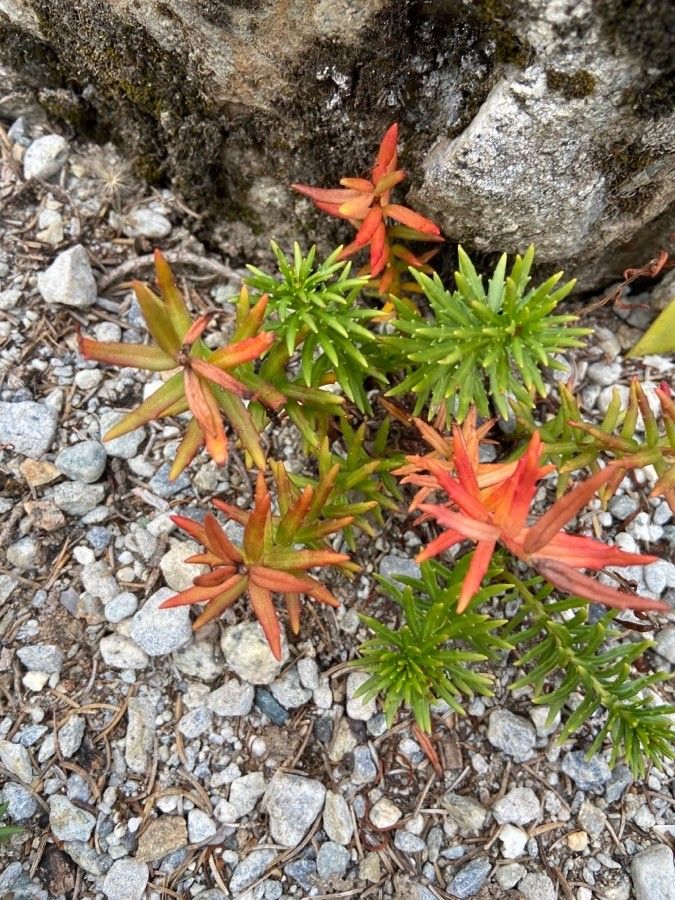
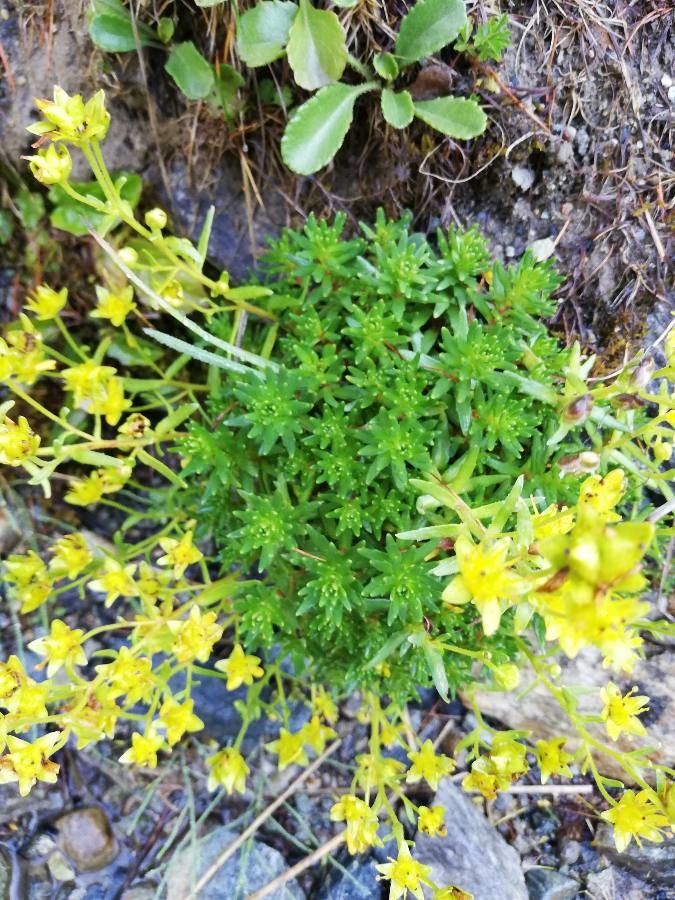
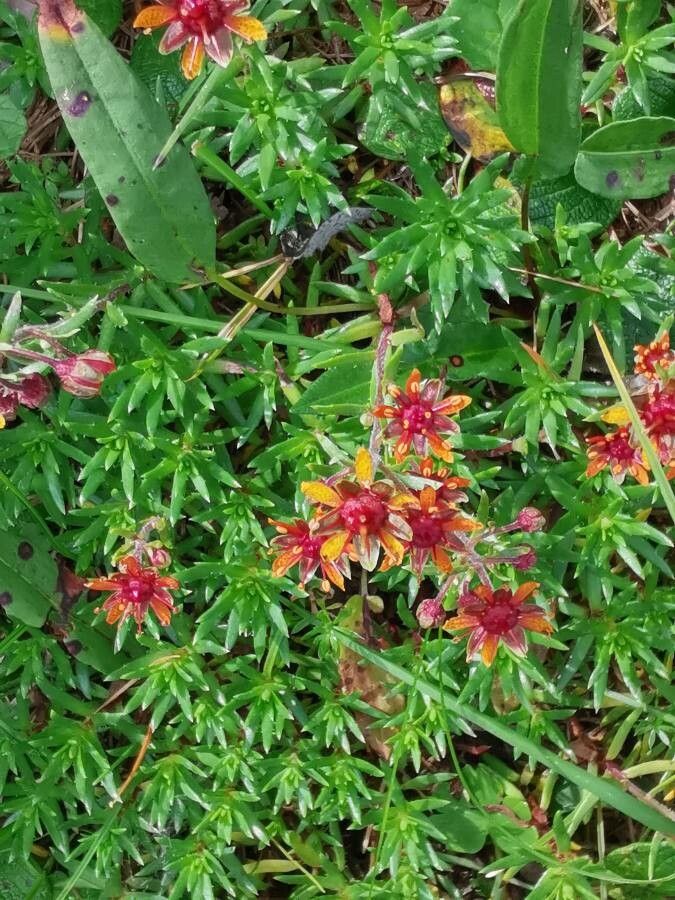
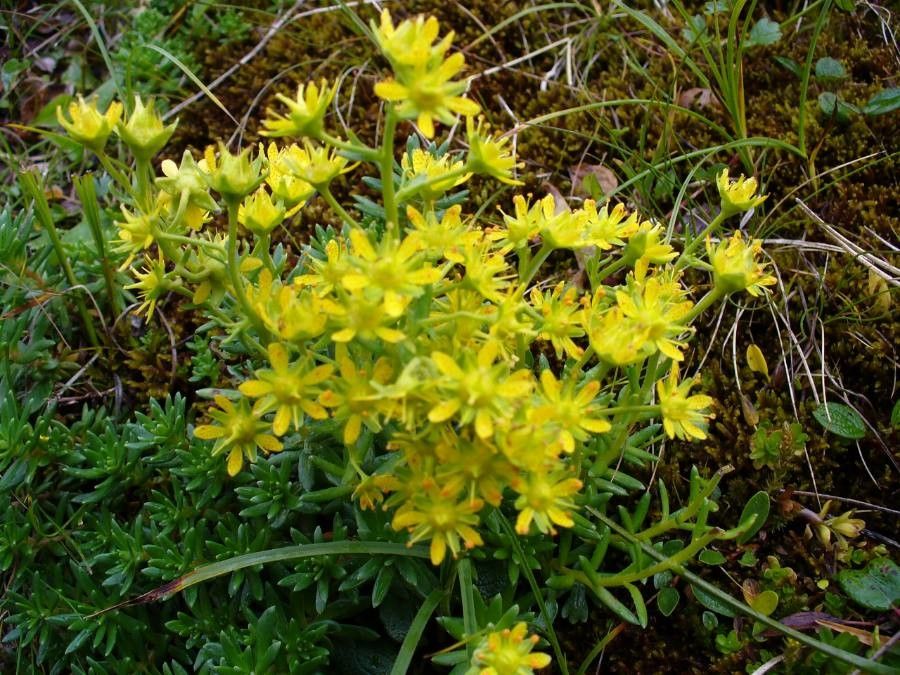
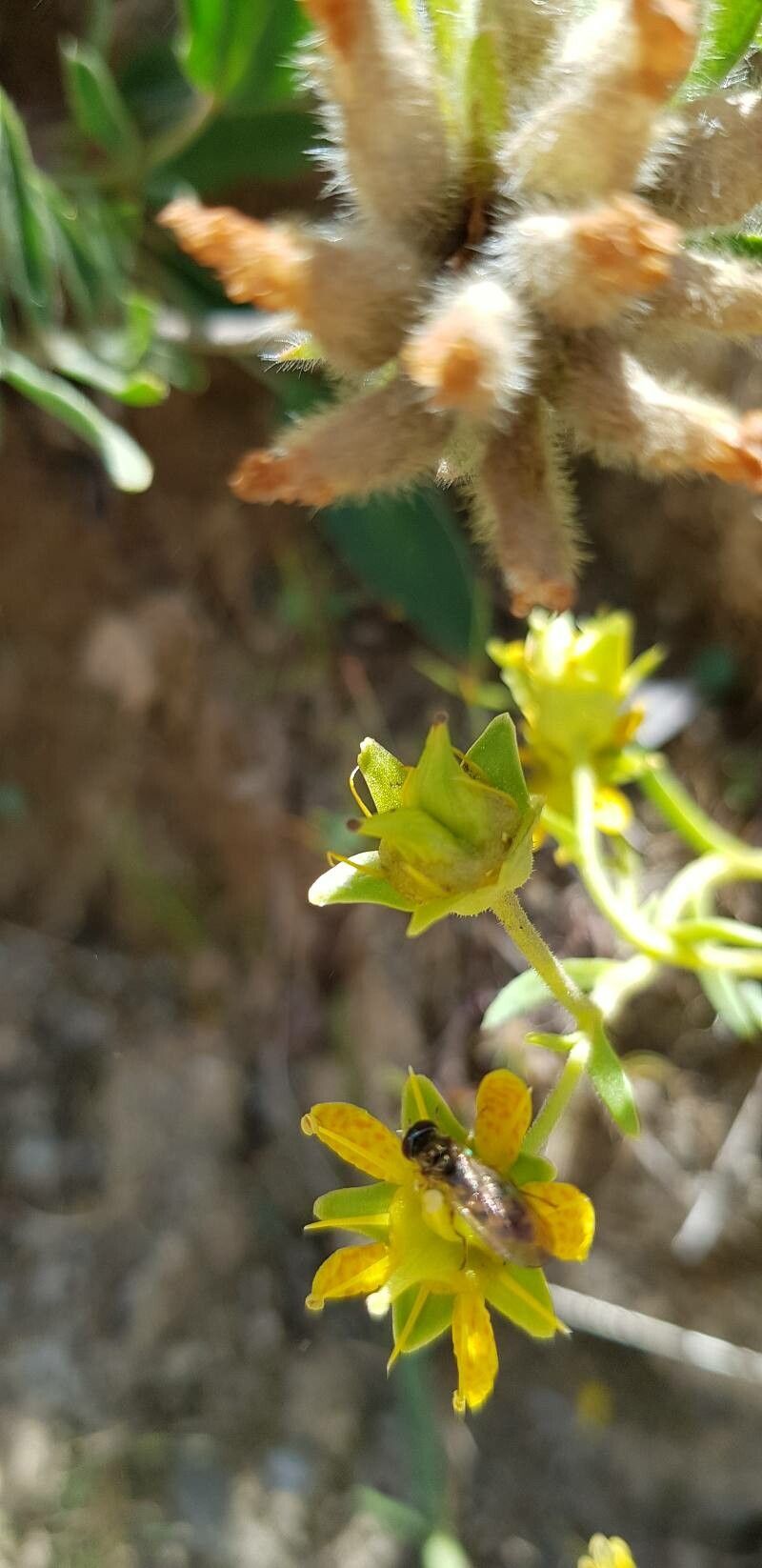
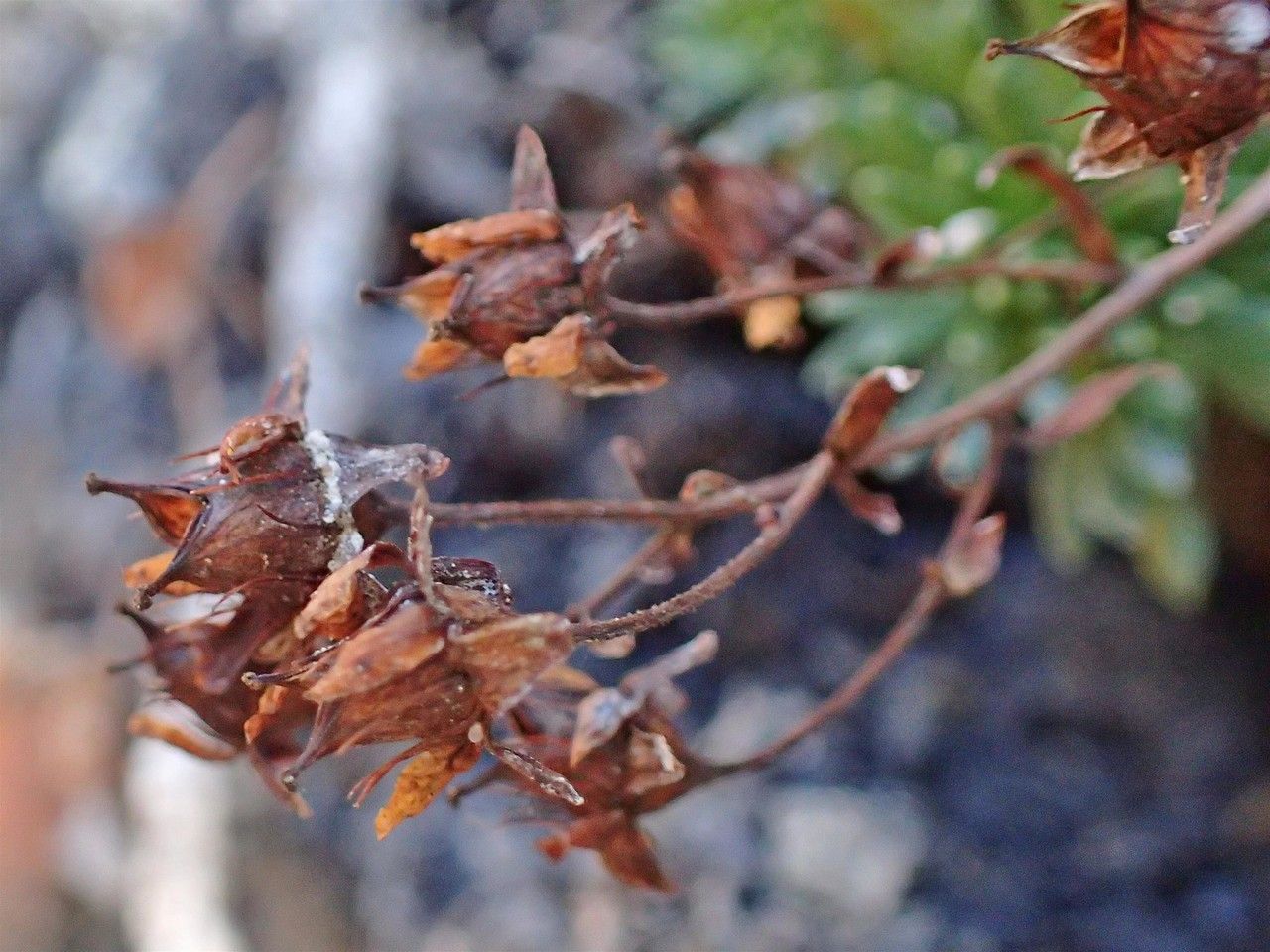
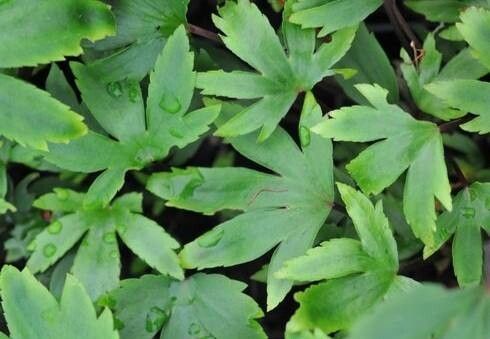
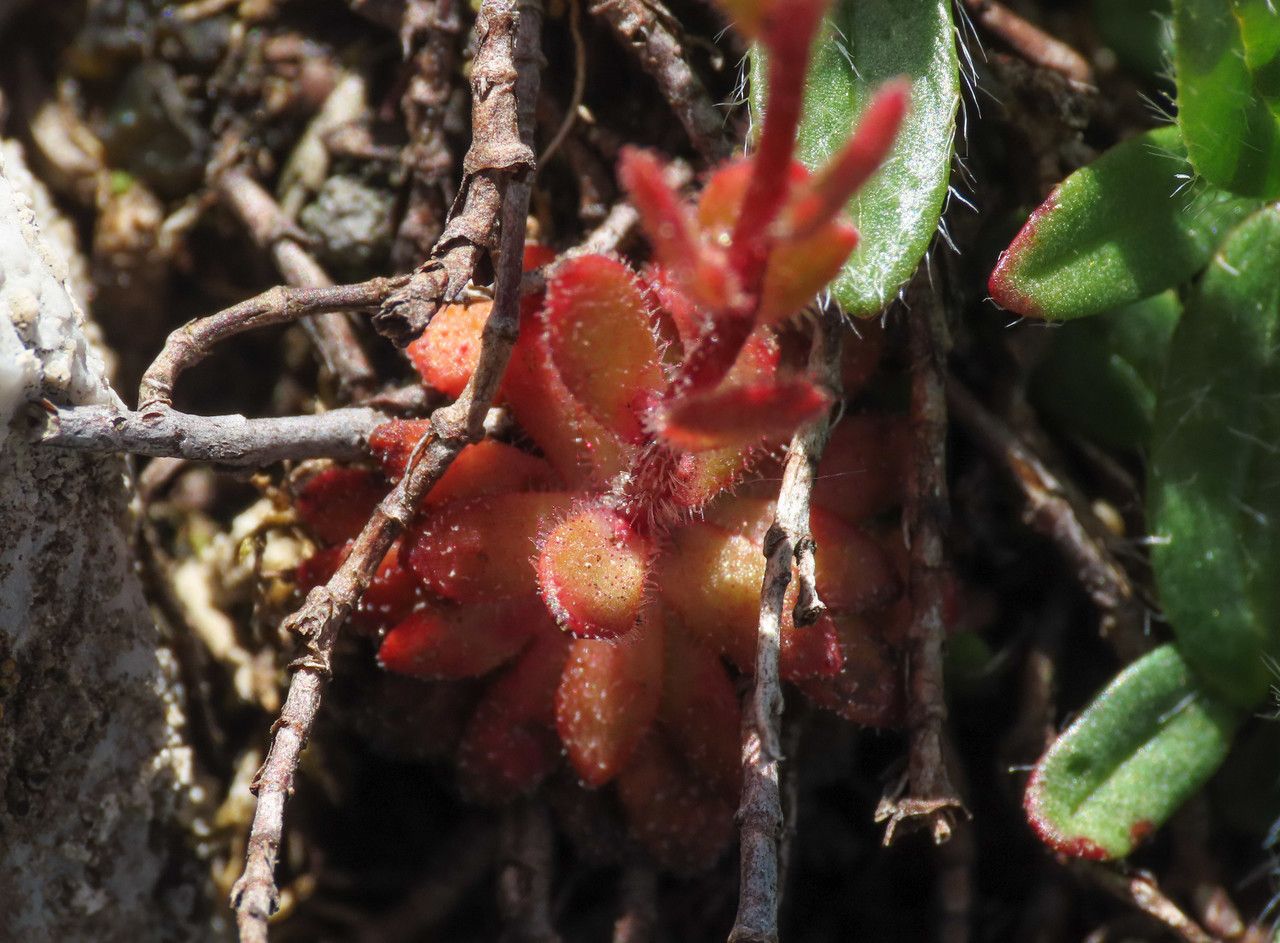
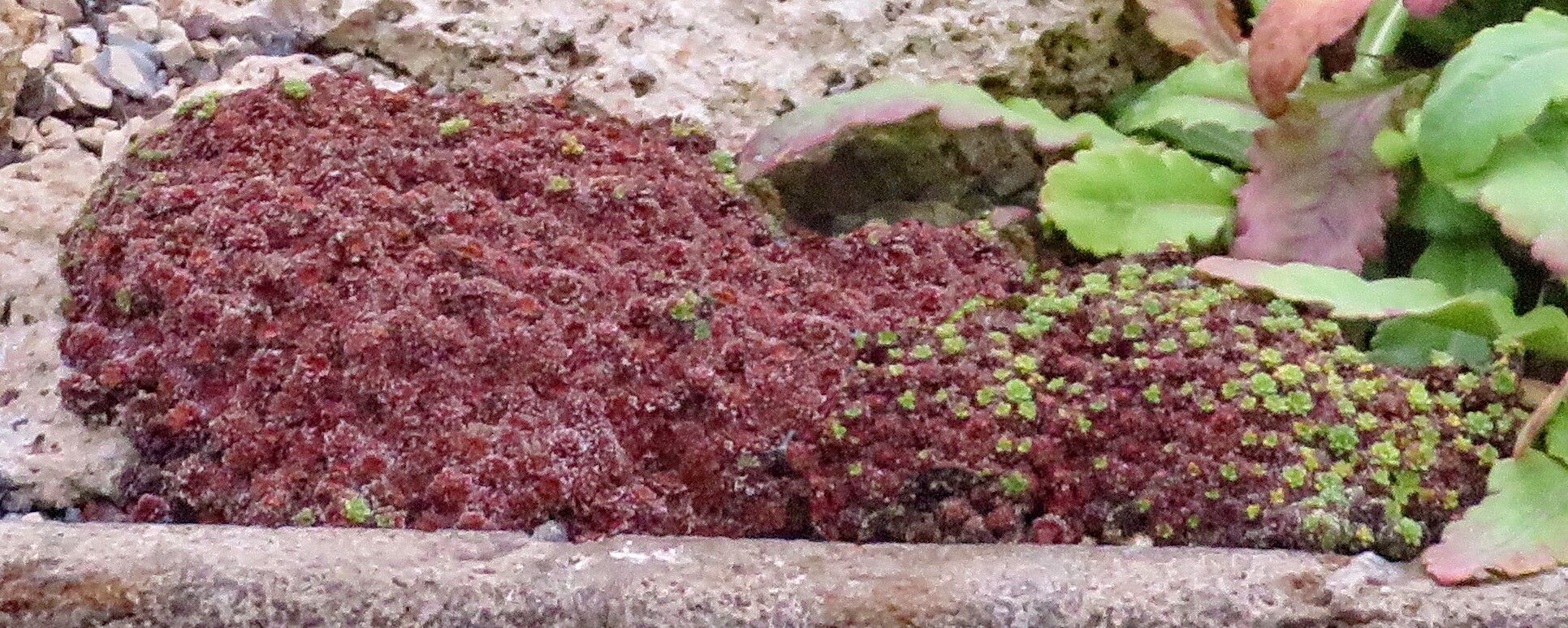
Saxifraga aizoides, commonly known as yellow saxifrage or yellow mountain saxifrage, is a perennial herbaceous plant belonging to the Saxifragaceae family. Native to the Arctic and alpine regions of Europe and Asia, this plant grows up to 10 cm in height and features small, succulent leaves arranged in rosettes. The bright yellow flowers, each with five petals, bloom from May to August.
Yellow saxifrage thrives in moist soil conditions such as bogs, wet meadows, and rocky areas near streams or rivers. It can withstand cold temperatures and harsh weather, making it an ideal choice for alpine gardens.
For centuries, indigenous people of northern Europe have used this plant for its anti-inflammatory properties. Traditional medicine also employs yellow saxifrage as a remedy for respiratory ailments such as coughs, colds, and bronchitis.
The plant serves as an important food source for pollinators like bees, which are attracted to its nectar-rich flowers during the blooming season.
Overall, saxifrages are known for their ability to grow on rocks, making them ideal for rock gardens and similar landscaping projects. They can be effectively combined with other plants that have similar growing requirements, such as sedums.
Botanical profile.
- Plant Type
- Herb
- Life Cycle
- Perennial
- Genus
- Saxifraga
- Family
- Saxifragaceae
- Hardiness Zone
- 3-10
- Mature Height
- 10 cm
- Mature Spread
- 30 cm
- Leaf Color
- Dark Green
- Leaf Type
- Evergreen
- Flower Color
- Yellow, Orange, Red
- Flower Size
- 1.02 cm
- Bloom Time
- Summer
- Planting Time
- Spring
- Harvest Time
- Early fall, Mid fall
- Native Area
- Sweden, Austria, Slovakia, Poland, Greece, Croatia, Slovenia, Russia, Norway, Germany, Italy, Spain, Switzerland, Denmark, Iceland, Finland, Albania, Ireland, United Kingdom, Romania, France
Other names.