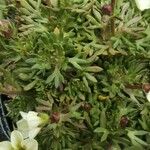
Saxifraga cespitosa
Tufted saxifrage · Tufted alpine saxifrage
Description
Source: leafsnapSaxifraga cespitosa, the tufted alpine saxifrage or tufted saxifrage, is a flower common to many arctic heights. It appears further south in mountainous areas of the Alps, Norway, Scotland, Wales, Iceland, Siberia, western North America and Greenland. Densely tufted from a stout taproot, the plant has very short stems with withered, dead leaves at the base. The leaves have three to five lobes; both leaves and calyx exhibit trichomes in the form of glandular hair. Flowering stems range from 5–10 cm, with one or two flowers per stem. Its petals are white, twice the length of the calyx lobes. Smaller specimens, with shorter stems and smaller, yellowish-greenish petals (with uniflorous variants), are rather frequent. The tufted saxifrage grows on ledges and gravelly places. It became a protected species in the UK in 1975 under the Conservation of Wild Creatures and Wild Plants Act.
Care Guide
💧 Water
Tufted alpine saxifrage, which comes from rocky alpine terrains, is highly drought-tolerant and only needs to be watered once a week. This plant thrives outdoors, especially during the cool seasons, when it can rely on natural rainfall for hydration. Its growth cycle is in sync with rainy periods, which enhances its resilience and gives it a lush appearance.
How should I water my Tufted alpine saxifrage?
To properly water the Tufted alpine saxifrage, it's important to use filtered water at room temperature or slightly warmer. Tap water may contain harmful particles, so filtered water is preferred. Since this plant is accustomed to a warm environment, cold water can be too shocking. It's best to avoid overhead watering, as it can cause issues with the foliage. Instead, you should thoroughly soak the soil with your filtered room temperature water. This helps moisten the roots and allows them to spread and gather nutrients effectively.
What should I do if I give my Tufted alpine saxifrage too much water or too little water?
Both overwatering and underwatering can harm the health of your Tufted alpine saxifrage, but overwatering is more common. When this plant gets too much water, its stems and leaves may wilt and turn yellow. Overwatering for a long time can also cause diseases like root rot, mold, and mildew, which can kill the plant. Underwatering is less common because the plant can tolerate drought. But it can still happen, and when it does, the leaves may become brittle and brown. It's important to spot signs of overwatering early when taking care of your Tufted alpine saxifrage. Some diseases caused by overwatering, like root rot, may be irreversible if you wait too long. If you see early signs of overwatering, reduce your watering schedule right away. Check the soil quality too. If it doesn't drain well, replace it with loose, well-draining potting mix. On the other hand, if you see signs of underwatering, simply water more regularly until the signs improve.
How many times should I water my Tufted alpine saxifrage?
If your Tufted alpine saxifrage is in a pot, the easiest way to check if it needs water is to stick your finger into the soil. If the top two to three inches of soil feel dry, then it's time to water it. For those growing Tufted alpine saxifrage outdoors, you can use the same method to test the soil. When the top few inches of soil have dried out, it's time to water the plant. In spring and early fall, this usually means watering once a week. During very hot weather, you may need to increase watering to twice a week or more. It's worth noting that mature and well-established Tufted alpine saxifrage plants can withstand drought quite well.
How much water does my Tufted alpine saxifrage require?
When watering your Tufted alpine saxifrage, don't be afraid to give it a generous amount of water. Wait until the top two to three inches of soil are dry before watering, and make sure to thoroughly soak the soil. You should add enough water for it to flow out of the drainage holes at the bottom of the pot. If you don't see excess water draining, you may not have watered enough. However, be careful not to let the water accumulate in the soil, as this can harm the plant. Similarly, if water doesn't drain properly, it could be due to poorly draining soils, which is not good for the plant's health. If the plant is outside, about 1 inch of rain per week should be enough.
How should I water my Tufted alpine saxifrage as it grows?
The water needs of the Tufted alpine saxifrage vary during different growth stages. When the plant is young or has been recently transplanted, it requires more water. This is because it is focusing on establishing new roots for future growth, and these roots need extra moisture. As the plant matures, it will require less water. Another stage that may require additional watering is during the bloom period, as the flower development utilizes a significant amount of moisture.
☀️ Light Partial sun
The tufted alpine saxifrage grows best in moderate light, like that of its native alpine habitats. Its sunlight requirements change little throughout its growth stages. However, excessive sun can cause drying out and foliage damage, while insufficient light can slow growth.
What are the sunlight requirements for Tufted alpine saxifrage?
The Tufted alpine saxifrage thrives under moderate light, similar to its native alpine conditions. It performs well in partial sun, which means it needs about 3-6 hours of sunlight daily, and can also grow in full shade with less than 3 hours of sunlight. Excessive sun may cause damage to the foliage, while insufficient light can lead to slowed growth. Observing how sunlight moves through your garden can help you choose the best spots that provide the right balance of light and shade, ensuring the plant's health.
How can artificial lighting be used for indoor plants?
Indoor plants, including the Tufted alpine saxifrage, require adequate lighting for optimal growth, particularly when natural sunlight is insufficient. Artificial lights can be a vital solution in promoting faster, healthier growth. LED lights are recommended for their ability to provide specific wavelengths needed by plants. Full sun plants need 30-50 watts per square foot, partial sun plants require 20-30 watts per square foot, and full shade plants need 10-20 watts per square foot of artificial light. The light source should be placed 12-36 inches above the plant, for 8-12 hours per day to mimic natural daylight hours effectively.
What are the symptoms of insufficient light for Tufted alpine saxifrage?
When Tufted alpine saxifrage is grown indoors under insufficient light, several symptoms may appear indicating light deficiency. These include smaller new leaves, leggy or sparse growth, premature leaf drop, halted or no new growth, paler new leaves, chlorosis (yellowing leaves), sunscald, leaf curling, wilting, and leaf scorching. Each of these symptoms suggests that the plant is not receiving adequate sunlight, impacting its health and growth.
What solutions can improve light conditions for Tufted alpine saxifrage?
Improving light conditions for Tufted alpine saxifrage involves a few strategies. Indoors, gradually shifting the plant to sunnier spots each week to receive 3-6 hours of direct sunlight daily can optimize growth. Using artificial light, such as desk or ceiling lamps for at least 8 hours daily, can also provide supplemental lighting. Outdoors, gradually moving plants to sunnier locations each week helps them adapt without risking sunburn. Addressing obstructions by pruning branches and leaves or transplanting smaller plants during their dormant period to areas with ample sunlight and good drainage can greatly benefit the plants' growth and health.
🌡️ Temperature 5–35°C
Tufted alpine saxifrage naturally occurs in temperate environments and performs best at temperatures between 41 and 95°F (5 and 35℃). Making seasonal temperature changes is important, especially lowering warmth in summer to replicate their native conditions.
What are the ideal temperature conditions for Tufted alpine saxifrage?
Tufted alpine saxifrage thrives best in temperate climates, with an ideal temperature range between 41 to 95°F (5 to 35°C). It is important to adjust the temperature seasonally, especially reducing heat during the summer months to mimic the plant's natural habitat. The plant has strong cold resistance, meaning special frost protection measures are not usually necessary. However, if temperatures are expected to drop below -30°C, it is crucial to provide cold protection by covering the plant with soil or straw. Additionally, abundant watering before the first freeze in autumn ensures the soil remains moist and enters a frozen state, which helps prevent drought and water scarcity for the plant during winter and early spring.
How does Tufted alpine saxifrage react to low temperatures?
Tufted alpine saxifrage is notably cold-tolerant, flourishing best when temperatures stay above 5°C. Throughout the winter, it is advised to keep it above -25°C. Despite this cold tolerance, when temperatures fall below -30°C, there might not be any noticeable changes during the winter, but there may be a decrease in sprouting or even a complete lack of sprouting in the spring. In such cases, it is recommended to remove any parts of the plant that have failed to sprout in the spring.
What should be done if Tufted alpine saxifrage experiences high temperatures?
During summer, it is essential to ensure that the temperature around Tufted alpine saxifrage does not exceed 35°C. Exposure to temperatures above 38°C can cause the plant's leaves to become lighter in color, prone to curling, and susceptible to sunburn. In severe cases, the plant may wilt and dry out entirely. To protect the plant, trim away sunburned and dried-up parts. Relocate the plant to a shaded area or use a shade cloth to protect it from midday and afternoon sun. Watering the plant in the morning and evening helps keep the soil moist and the plant healthy.
💨 Humidity
🪴 Soil 6-8
🌱 Fertilizer
For Tufted alpine saxifrage, the best time to fertilize is in early spring as the flowers are forming. The proper fertilizer promotes better blooms and helps Tufted alpine saxifrage produce attractive flowers. Fertilizing in early spring ensures strong flowers during the season and supplies energy for dormant growth phases.
Why should I add fertilizer to my Tufted alpine saxifrage?
The Tufted alpine saxifrage relies heavily on its leaves for structure. Fertilization is crucial for maintaining the appearance and function of these leaves. With proper fertilization, your Tufted alpine saxifrage will have vibrant and healthy leaves. Fertilization also benefits the plant below the ground, promoting the growth of new roots and maintaining existing ones. This not only keeps your plant healthy in the present, but also enhances its ability to absorb nutrients from the soil in the long run.
When should I fertilize my Tufted alpine saxifrage plant?
If you grow your Tufted alpine saxifrage outdoors, it will start growing new leaves in early spring. This is the sign that it's time to fertilize the plant for the year. Usually, one application of fertilizer in spring is enough for the plant to thrive. However, if you want maximum growth, you can fertilize it multiple times throughout spring and early summer. In this case, you can feed the plant once every month to a month and a half.
When is the best time to not use fertilizer on my Tufted alpine saxifrage?
During the late fall and winter, your Tufted alpine saxifrage will go into a dormant phase, meaning it won't grow. Avoid fertilizing it during this time. In spring and summer, if you choose to fertilize, start reducing the amount as summer approaches because the growth rate of your Tufted alpine saxifrage will slow down. It's not a good idea to fertilize when the weather is very hot or the soil is extremely dry, as this can stress and potentially kill your plant.
What kind of fertilizer does my plant, the Tufted alpine saxifrage, need?
Choosing the best fertilizer for a Tufted alpine saxifrage plant is simple. A general-purpose garden fertilizer with equal amounts of nitrogen, phosphorus, and potassium, like a 10-10-10 ratio, works well. Avoid high nitrogen fertilizers if unsure. Granular slow-release fertilizers are best, and applying them to the soil is easy. Adding organic soil amendments like compost can also be beneficial.
How can I add nutrients to my Tufted alpine saxifrage?
To care for your Tufted alpine saxifrage, wait until early spring when the first leaves start to appear. Then, apply a balanced slow-release fertilizer to the soil surrounding the base of the plant. If desired, you can repeat this process later in the season. Remember to apply the fertilizer at the base of the plant, avoiding direct contact with the plant itself. Sometimes, you may need to move the leaves to access the soil above the roots. Additionally, it is recommended to water the plant before and after fertilization.
🪴 Pot & Repot 2-3 years
To keep your 'tufted alpine saxifrage' healthy and thriving, repot it every 2-3 years during early spring. Use a shallow, wide container and ensure the soil is well-draining to prevent root rot. With the right care, your 'tufted alpine saxifrage' will flourish, showcasing its dense and attractive foliage.
✂️ Pruning
Tufted alpine saxifrage benefits from careful pruning during early to late spring, just as new growth starts. Regularly trimming dead foliage and spent flowers promotes healthier, denser growth and maintains a natural appearance. This practice also helps prevent overcrowding and improves air circulation, which reduces the risk of disease.
🌿 Propagating
🐛 Diseases & pets
☠️ Toxicity
Characteristics
- Plant Type
- Herb
- Life Cycle
- Perennial
- Genus
- Saxifraga
- Family
- Saxifragaceae
- Hardiness Zone
- 4-9
- Mature Height
- 5 cm to 15 cm
- Mature Spread
- 30 cm
- Leaf Color
- Green
- Leaf Type
- Evergreen
- Flower Color
- White
- Flower Size
- 1.02 cm to 2.03 cm
- Bloom Time
- Mid spring, Late spring, Early summer
- Planting Time
- Spring, Summer
- Harvest Time
- Summer