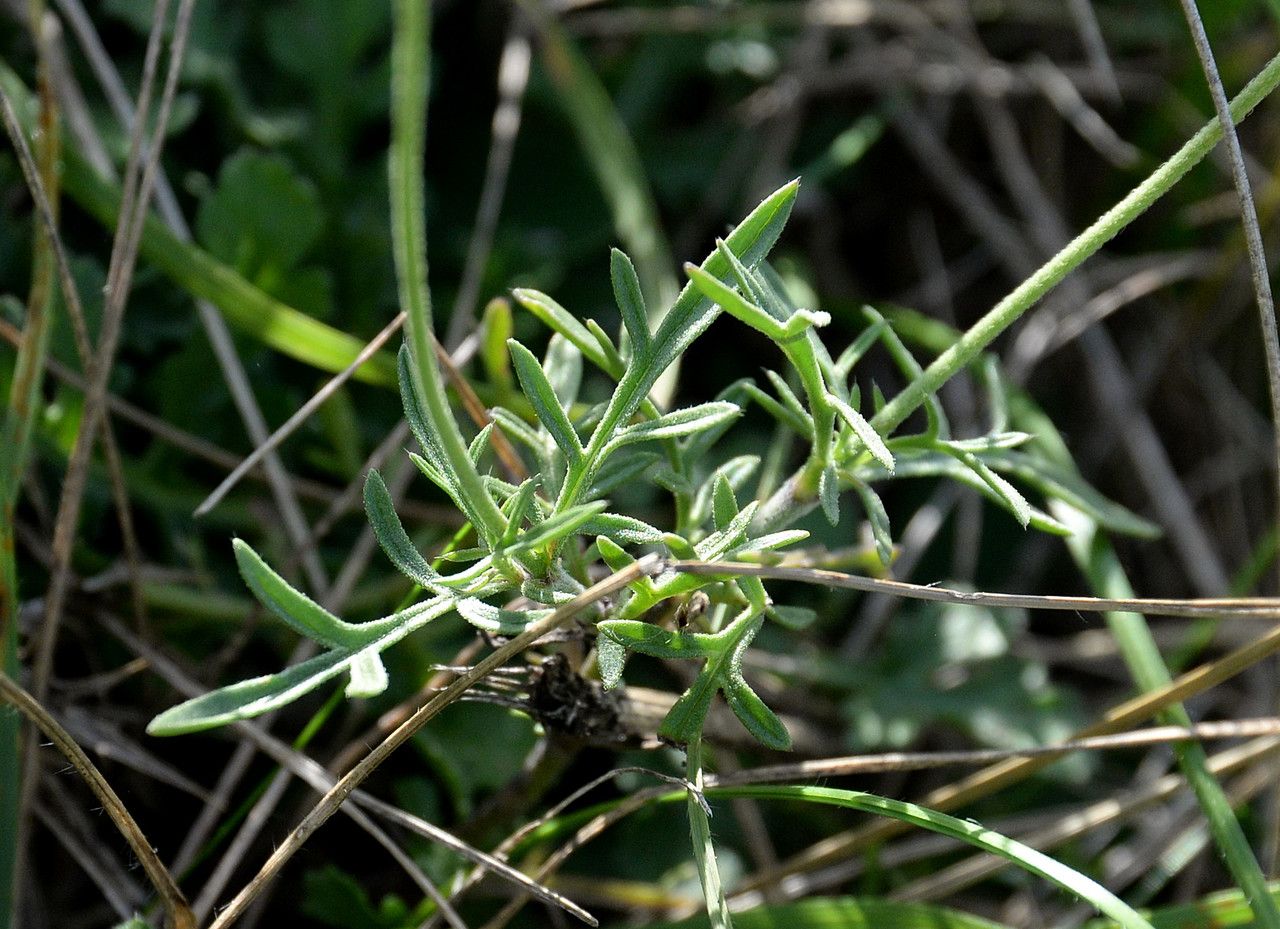
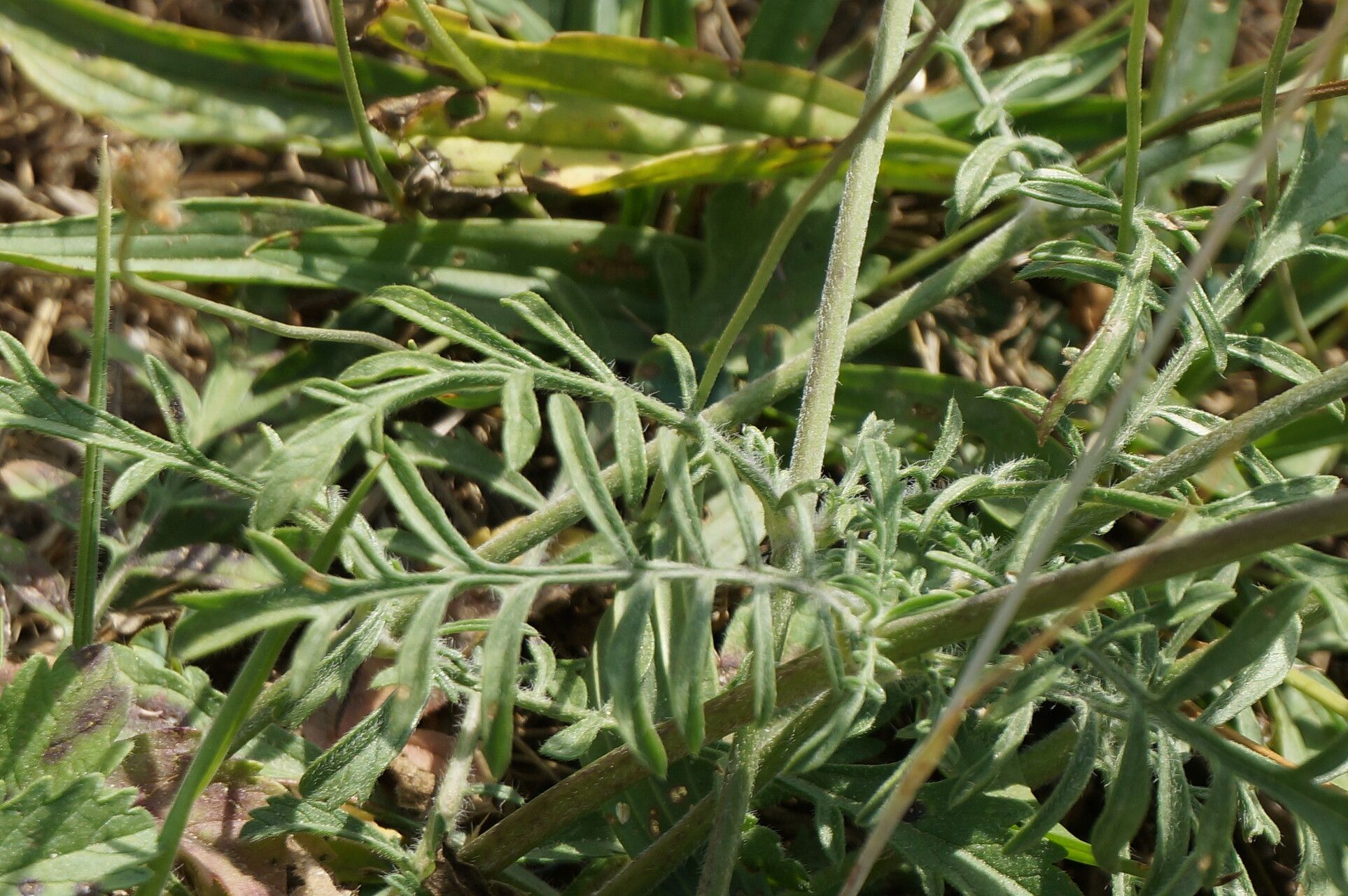
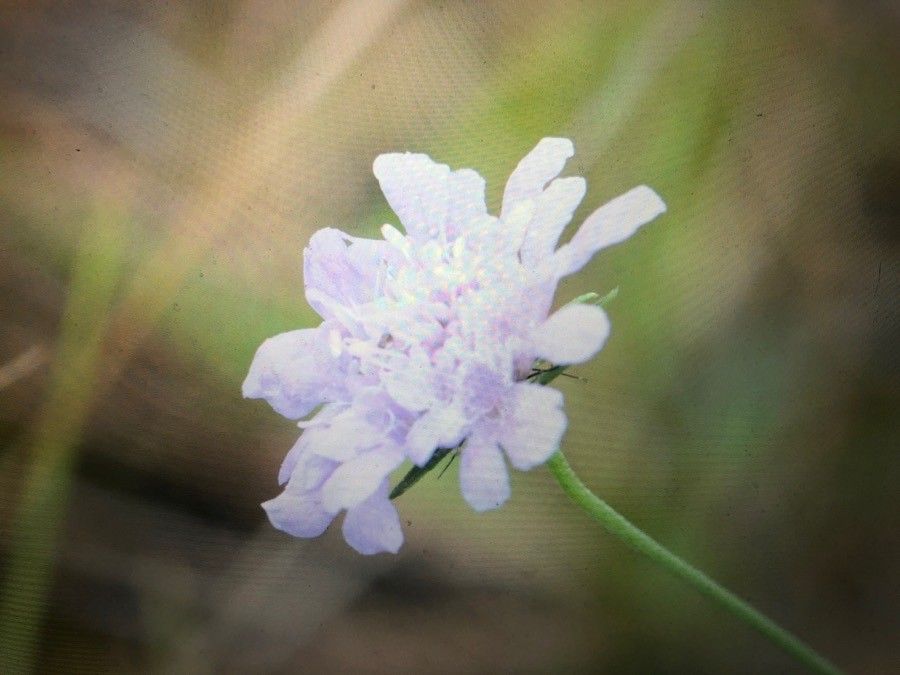
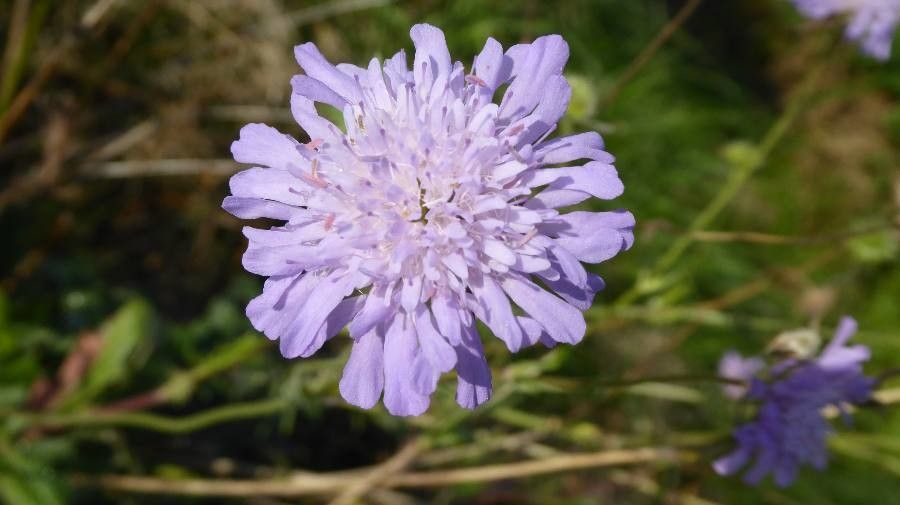
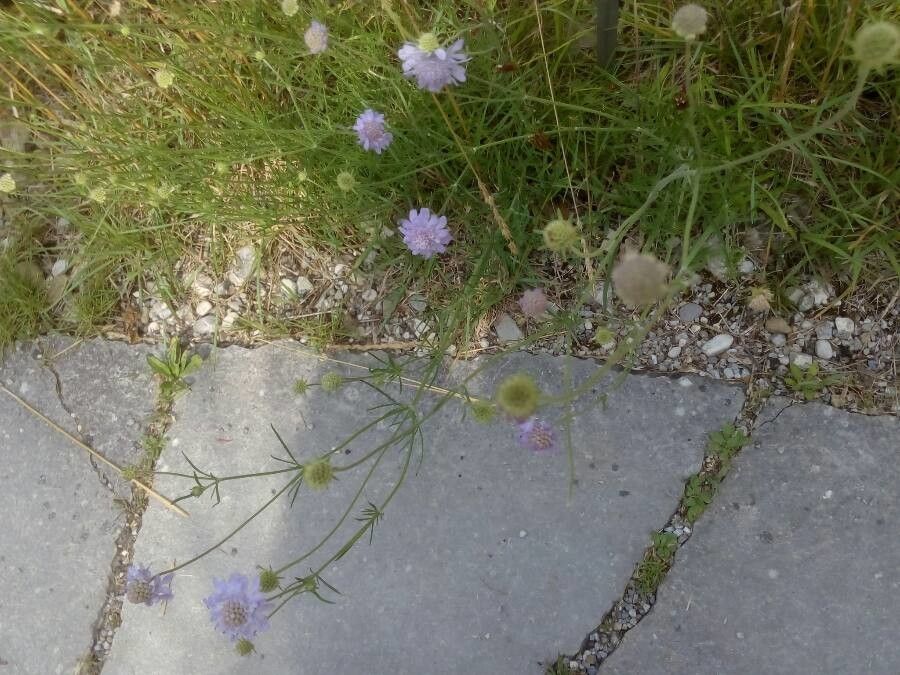
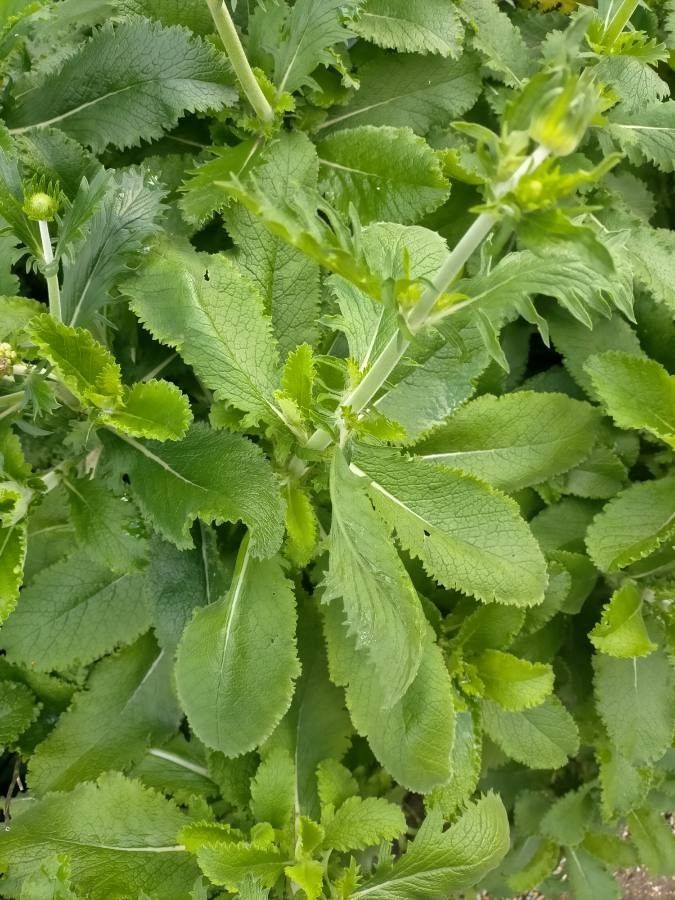
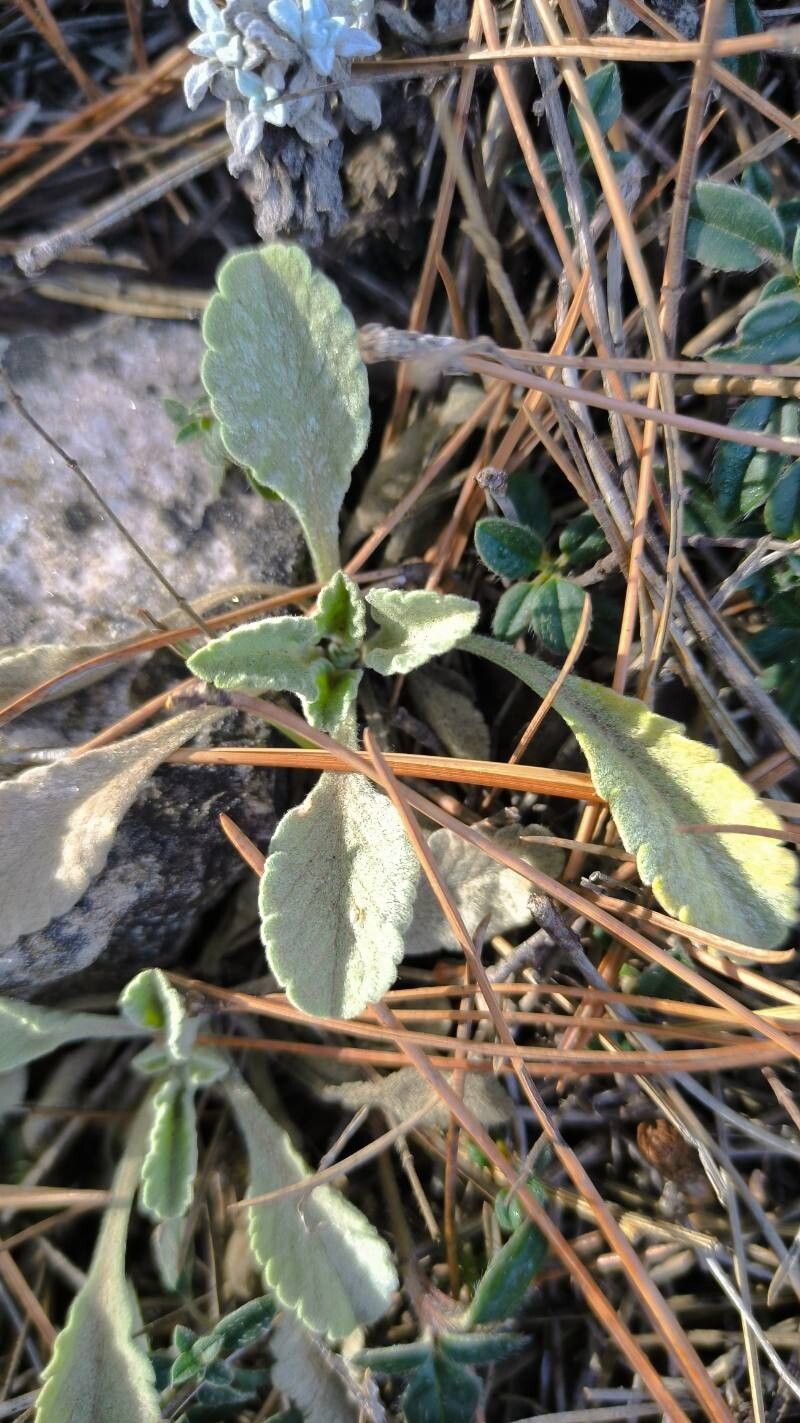
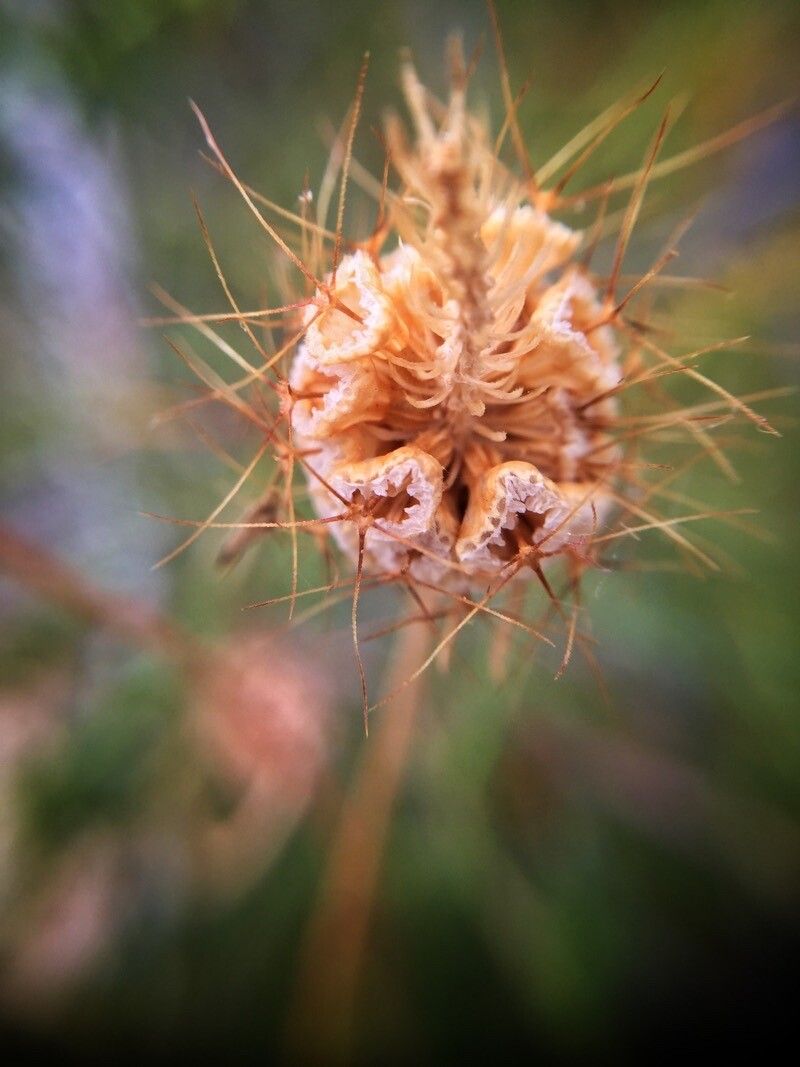
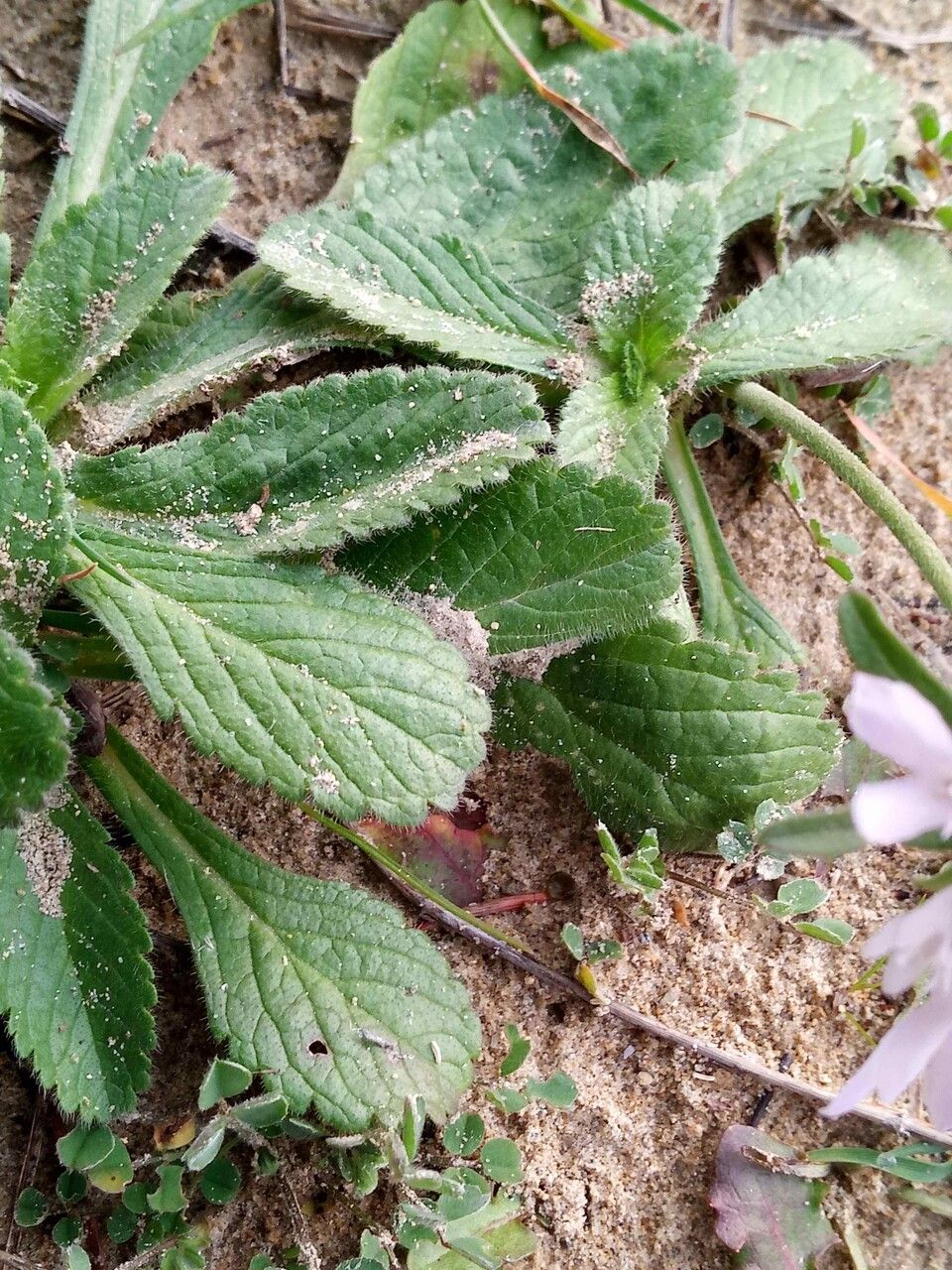
Fragrant scabious has strong disease resistance and typically does not suffer from illnesses. However, it can be vulnerable to pests and diseases present in its environment. Such infections are generally mild. Regarding care, this plant needs moderate maintenance. It should be pruned regularly to preserve a good appearance and support healthy growth. Applying fertilizer can also encourage flowering. Fragrant scabious is appropriate for anyone with outdoor space, such as a garden or patio, and does not demand extensive gardening experience. It may need more attention when cultivated indoors.
How to keep Scabiosa Canescens.
Light
Fragrant scabious is a sun-loving perennial herbaceous plant native to open habitats, commonly growing in meadows and grasslands. It prefers full sun but can also tolerate partial sun.
Water
Fragrant scabious flourishes in moderate climates and needs consistent moisture without becoming waterlogged. To keep it healthy, water the plant once a week, using rainwater for outdoor growth to promote better development. Proper watering is essential for its vitality and overall growth.
Temperature
Fragrant scabious can tolerate a wide range of temperatures, but its distribution may still be restricted by different combinations of moisture and heat. It does best in warm summers with adequate rainfall or watering. Extended periods of cloudy, wet weather or prolonged high temperatures can make Fragrant scabious more likely to die. In winter, shielding the plant from cold can improve its chances of survival.
Fertilizer
The best time to fertilize a Fragrant scabious is in early spring, as it comes out of dormancy and begins active growth. Fertilization supplies essential nutrients for healthy development. While Fragrant scabious has relatively low fertilizer needs, an annual application can improve its survival and encourage better, longer-lasting flowers.
Pruning
Fragrant scabious produces beautiful, aromatic flowers. To keep the plant healthy and promote growth, prune it from early to late spring. Use clean tools and cut back to the healthy parts of the plant, removing any dead stems. Regular pruning encourages more blooms and prevents overcrowding. Be sure to avoid pruning in late summer to minimize stress on the plant.
Pot & Repot
For fragrant scabious to thrive in pots, it is crucial to ensure excellent drainage.
Botanical profile.
- Plant Type
- Herb
- Life Cycle
- Perennial
- Genus
- Scabiosa
- Family
- Caprifoliaceae
- Hardiness Zone
- 4-9
- Mature Height
- 30 cm to 61 cm
- Mature Spread
- 20 cm to 40 cm
- Leaf Color
- Light Green
- Leaf Type
- Deciduous
- Flower Color
- Violet
- Flower Size
- 3.05 cm to 5.08 cm
- Bloom Time
- Summer
- Planting Time
- Spring, Autumn
- Harvest Time
- Late summer, Early fall, Mid fall
- Native Area
- Germany, Turkey, Austria, Sweden, Switzerland, Czech Republic, Denmark, Slovakia, Romania, Poland, Hungary, Croatia, Belgium, France
Other names.
Reader questions.
What are the sun requirements for Fragrant Scabious (Scabiosa canescens)?
Fragrant Scabious (Scabiosa canescens) thrives best in specific sun conditions. It requires 'Full sun' which means it needs above 6 hours of sunlight daily to flourish. Alternatively, it can also tolerate 'Partial sun,' indicating it needs about 3-6 hours of sunlight per day. It's important to watch how sunlight moves through your garden throughout the day. Choosing the right spot that provides an ideal balance of light and shade ensures the happiness and health of your plants.
What is Fragrant Scabious?
Fragrant Scabious, scientifically known as Scabiosa canescens, is a plant recognized for its unique characteristics. Unfortunately, specifics regarding its essentials, such as features, uses, or care instructions, and any notable symptoms it might cause or combat, haven't been detailed in the available information.