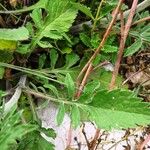
Scabiosa cinerea
Pyrenean scabious
Care Guide
💧 Water
The Pyrenean scabious flourishes in moderate climates, needing consistent moisture without becoming waterlogged. It prefers soil that remains evenly moist and demonstrates moderate drought tolerance once it is established. To ensure healthy growth, it is essential to water it weekly. Additionally, mulching helps retain moisture during its active growing season.
How should I water my Pyrenean scabious?
To properly care for the Pyrenean scabious, use filtered water at room temperature or warmer. Tap water may have harmful particles, so filtered water is preferred. This plant is accustomed to a warm environment, so avoid using cold water as it can be a shock to the plant. Instead of watering from above, apply the filtered room temperature water directly to the soil until it is fully soaked. This helps moisten the roots, allowing them to spread and absorb necessary nutrients.
What should I do if I give too much or too little water to my Pyrenean scabious?
Overwatering is a more common issue than underwatering for your Pyrenean scabious. When overwatered, the stems and leaves may wilt and turn yellow. It can also lead to diseases like root rot, mold, and mildew, which can be fatal for the plant. Underwatering is less common but still possible, resulting in brittle and brown leaves. It's important to identify signs of overwatering early, as some diseases may not be fixable if left too long. Reduce watering immediately if you notice these signs and consider replacing poorly draining soil. If underwatering is the issue, simply water more regularly until the signs improve.
How often do I need to water my Pyrenean scabious plant?
If your Pyrenean scabious is in a pot, the best way to know if it needs water is to check the soil. Stick your finger into the soil and if the first two to three inches feel dry, it's time to water it. For those growing Pyrenean scabious outside in the ground, you can use a similar method. When the top few inches of soil have dried out, it's time to water it. In the spring and early fall, watering once a week is usually sufficient. However, during hot weather, watering may need to be increased to twice or more per week. It's important to note that mature and well-established Pyrenean scabious can tolerate drought well.
How much water does my Pyrenean scabious plant need?
To effectively water your Pyrenean scabious, don't hold back on the amount of water you provide. Make sure the top two to three inches of soil are dry before giving it a good, thorough watering. Ensure that the water completely saturates the soil, enough so that it flows out of the drainage holes at the bottom of the pot. If you don't see excess water draining, you may not have given enough water. However, be cautious of letting water accumulate in the soil, as this can harm the plant. If there's no drainage, it could mean the soil doesn't drain well, which is bad for the plant's health. If your plant is outdoors, one inch of rain per week should be enough.
How should I water my Pyrenean scabious as it grows?
The water needs of the Pyrenean scabious depend on its growth stages. When it is in its early years or newly transplanted, it requires more water. During these stages, the plant focuses on sprouting new roots, which need extra moisture to support future growth. As the plant matures, it will require less water. Additionally, during the bloom period, the plant may need more water as flower development requires a significant amount of moisture.
☀️ Light Full sun
The pyrenean scabious prospers when adapted to steady, unobstructed sunshine, though it can tolerate some shaded spots. Native to locations with abundant sun, its growth may be impaired by either deep shade or excessive light.
What are the sunlight requirements for Pyrenean scabious?
The Pyrenean scabious requires full sun, which means above 6 hours of sunlight a day, to thrive optimally, but it can also tolerate partial sun, about 3-6 hours of sunlight a day. It's essential to observe how sunlight moves through your garden to find spots that offer a balance of light and shade, ensuring the plant's happiness and health. Originating from environments rich in sunlight, the Pyrenean scabious's growth can be negatively affected by both too much shadow and excessive light.
How do artificial lights support plant growth indoors?
Indoor plants, including the Pyrenean scabious, may require artificial lighting when natural sunlight is insufficient, especially during winter or in less sunny spaces. Artificial lights, like LED lights, offer a vital solution by providing the specific wavelengths of light that plants need. For optimal growth, different plants have varied requirements: full sun plants need 30-50W/sq ft, partial sun plants require 20-30W/sq ft, and full shade plants need 10-20W/sq ft of artificial light. The lights should be placed 12-36 inches above the plant to mimic natural sunlight and left on for 8-12 hours per day, depending on the plant's needs.
What are the symptoms of inadequate lighting for Pyrenean scabious?
When the Pyrenean scabious is grown in insufficient light, it may exhibit several symptoms indicating light deficiency. These symptoms include smaller new leaves, leggy or sparse growth, faster leaf drop, slower or halted new growth, lighter-colored new leaves, chlorosis (leaves turning yellow due to lack of chlorophyll), sunscald, leaf curling, wilting, and leaf scorching. Each of these symptoms signals a need to adjust the plant's lighting environment to promote healthier growth.
How can I address sunlight-related issues for both indoor and outdoor Pyrenean scabious plants?
To ensure the Pyrenean scabious receives adequate sunlight, gradually move plants to a sunnier location, aiming for at least 6 hours of direct sunlight daily. For indoor plants that are large or difficult to move, consider using artificial lights, such as desk lamps or professional grow lights, for at least 8 hours a day. For outdoor plants, avoid drastic changes in light exposure to prevent sunburn. Reducing obstructions like branches or leaves that block sunlight can help outdoor plants get more light. When possible, transplant smaller plants during their dormant period (late winter or early spring) to a location with ample sunlight and good drainage. It’s important to note that parts of the plant affected by insufficient sunlight may not recover, but new growth will be healthy with improved light conditions.
🌡️ Temperature 15–35°C
Pyrenean scabious can tolerate a wide spectrum of temperatures, but its range may still be restricted by particular combinations of moisture and heat. It grows best in warm summer conditions with sufficient rainfall or watering. Extended periods of cloudy, rainy weather or prolonged high temperatures increase the chance of Pyrenean scabious dying. In winter, protecting the plant from cold can raise its survival rate.
💨 Humidity
🪴 Soil 6-7
🌱 Fertilizer
The best time to fertilize a Pyrenean scabious is in early spring, as it comes out of dormancy and starts active growth. Applying fertilizer supplies essential nutrients for healthy development. Although this plant’s fertilizer needs are fairly low, an annual application can improve its survival and encourage better, longer-lasting blooms.
🪴 Pot & Repot
To ensure optimal growth and prevent root rot, Pyrenean scabious needs excellent drainage when grown in pots.
✂️ Pruning
Pyrenean scabious is a perennial plant recognized for its blue-gray leaves and lavender flowers. To keep it healthy and promote growth, it's best to prune it from early to late spring, focusing on the removal of damaged stems while avoiding heavy cutting. Regular trimming helps improve air circulation, reduces the risk of disease, and enhances the plant's overall health and appearance.
🌿 Propagating
🐛 Diseases & pets
☠️ Toxicity
Characteristics
- Plant Type
- Herb
- Life Cycle
- Perennial
- Genus
- Scabiosa
- Family
- Caprifoliaceae
- Hardiness Zone
- 7-10
- Mature Height
- 10 cm to 49 cm
- Mature Spread
- 30 cm to 46 cm
- Leaf Color
- Gray, Light Gray
- Leaf Type
- Semi-evergreen
- Flower Color
- Lavender, White
- Flower Size
- 2.54 cm to 3.56 cm
- Bloom Time
- Summer, Early fall
- Planting Time
- Spring, Summer, Autumn
- Harvest Time
- Late summer, Fall
- Native Area
- Croatia, Spain, Albania, France