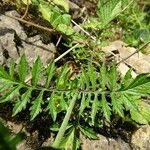
Scabiosa lucida
Shining scabious · Bright Scabious · Glossy scabious
Description
Source: leafsnapScabiosa lucida, commonly known as the shiny scabious, is a perennial herbaceous plant in the honeysuckle family. Native to Europe and Asia, it thrives in meadows, grasslands, and open woodlands. The plant typically grows up to 60 cm tall and features a basal rosette of deeply lobed, toothed leaves. Its slender, branched stems bear small clusters of flowers at their tips. The flowers of Scabiosa lucida, which range in color from white to pink or purple, are small (1-2 cm in diameter) yet abundant. Blooming from June through September, these flowers attract bees and butterflies, facilitating pollination. Historically, Scabiosa lucida has been valued for its medicinal properties, particularly its anti-inflammatory effects. It has been used as an herbal remedy for skin conditions such as eczema and psoriasis. Beyond its medicinal applications, Scabiosa lucida is also prized as an ornamental plant. Its attractive flowers make it a popular choice among gardeners seeking low-maintenance plants that can adapt to various soil types. In summary, Scabiosa lucida is a versatile herbaceous perennial that combines aesthetic appeal with potential health benefits, making it an excellent addition to both indoor and outdoor gardens.
Care Guide
💧 Water Every 7 days
Shining scabious, a plant native to moderate climates, thrives best in soil with balanced moisture levels. It prefers consistent moisture but can tolerate moderate drought. To keep the plant healthy, you should water it twice a week. Primarily grown outdoors, shining scabious benefits from mulching, which helps retain moisture and regulate temperature during its growing season.
☀️ Light Full sun
Shining scabious comes from bright, open areas where it flourishes in full sun. It tolerates partial sun but favors direct sunlight for optimal growth. This annual and biennial plant is noted for its sun-loving nature.
What are the sunlight requirements for Shining Scabious (Scabiosa lucida)?
Shining Scabious (Scabiosa lucida) needs specific sunlight conditions to thrive. For full sun exposure, the plant requires above 6 hours of sunlight per day. Alternatively, for partial sun, it should receive about 3-6 hours of sunlight daily. It's important to observe how sunlight moves through your garden to ensure you place your plants in locations that provide the ideal balance of light and shade, contributing to their overall well-being.
🌡️ Temperature 5–35°C
What is Shining scabious?
Shining scabious is a plant known botanically as Scabiosa lucida. Unfortunately, there is no additional information provided on its essentials, symptoms, or additional details in the data.
💨 Humidity
🪴 Soil 6-8
🌱 Fertilizer
When most of the Shining scabious flowers have opened to full size, resume fertilizing. At the period when flowering is at its peak, apply fertilizer again every three to four weeks, weather permitting. Once the plant begins producing fewer new flowers, stop fertilizing; there’s no point in feeding it when it cannot produce more blooms.
🪴 Pot & Repot
To ensure thriving growth, shining scabious needs excellent drainage when potted. This helps maintain the right moisture levels and prevents root rot.
✂️ Pruning
Pruning shining scabious from early to late spring helps it thrive. By trimming old stems and removing dead parts, you can promote better growth and overall health. Regular pruning not only improves the plant's appearance but also supports air circulation and increases resistance to disease, leading to abundant blooms. For the best results, use clean and sharp tools.
🌿 Propagating
🐛 Diseases & pets
☠️ Toxicity
Characteristics
- Plant Type
- Herb
- Life Cycle
- Annual
- Genus
- Scabiosa
- Family
- Caprifoliaceae
- Hardiness Zone
- 4-9
- Mature Height
- 20 cm
- Mature Spread
- 30 cm
- Leaf Color
- Green, Gray, Silver
- Leaf Type
- Semi-evergreen
- Flower Color
- Lavender
- Flower Size
- 2.03 cm to 3.05 cm
- Bloom Time
- Summer
- Planting Time
- Spring, Summer
- Harvest Time
- Late summer, Early fall, Mid fall